
Comparing Hand-Tied and Tape-In Extensions
Explore the differences between hand-tied and tape-in hair extensions.
Features | Alpha Hand-Tied Weft Extensions | Alpha Tape-In Hair Extensions |
|---|---|---|
Maintenance | Less maintenance required | Minimal maintenance needed |
Natural Appearance | Longer-lasting, easy to cover | Seamlessly blends with natural hair |
Ease of Application | No tape residue, easy to apply | Quick and easy application |
Cost-Effectiveness | Long-term benefits | Flexible for smaller applications |
Lifespan | 1-2 years with proper care | 6-8 weeks before reapplication |
Comfort | Lightweight and flexible | Lays flat, feels natural |
Styling Flexibility | Unlimited styling options | Good for most styles, careful with updos |
Installation Time | Several hours | 30-60 minutes |
You want hair that looks and feels just like your own, right? If you’re deciding between hand-tied hair extensions vs tape-in, your choice depends on your goals. Hand-tied extensions give you a natural look and last longer, while tape-in extensions offer quick changes and flexibility.
Check out the table below to see how each option matches common reasons people choose hair extensions:
Reason for Choosing | Hand-Tied Extensions | Tape-In Extensions |
|---|---|---|
Maintenance | Less maintenance required | Minimal maintenance needed |
Natural Appearance | Longer-lasting, easy to cover | Seamlessly blends with natural hair |
Ease of Application | No tape residue, easy to apply | Quick and easy application |
Cost-Effectiveness | Long-term benefits | Flexible for smaller applications |
Think about your hair type, lifestyle, and how often you like to change your style. Your perfect match depends on what matters most to you.
Key Takeaways
Hand-tied extensions offer a natural look and last longer, making them ideal for those seeking a seamless blend with their hair.
Tape-in extensions provide quick application and flexibility, perfect for those who like to change their style often without a long-term commitment.
Consider your hair type and lifestyle when choosing extensions; hand-tied work best for fine hair, while tape-ins suit medium to thick hair.
Both types require regular maintenance; hand-tied extensions need visits every 6-8 weeks, while tape-ins require more frequent salon trips every 4-8 weeks.
Invest in high-quality extensions like Alpha’s, made from 100% Remy human hair, for a natural look and long-lasting results.
Hand-Tied Hair Extensions Overview
What Are Tied Hair Extensions?
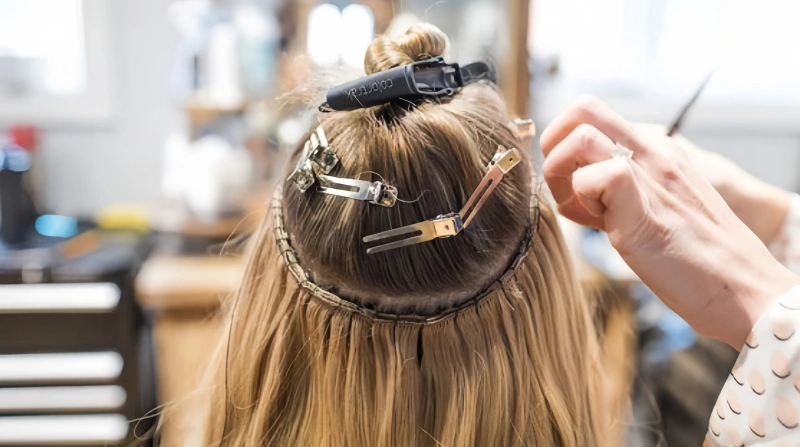
If you want hair that looks and feels like your own, hand-tied hair extensions might be your answer. These extensions use real human hair, stitched by hand onto a thin, flexible base. This method creates a lightweight extension that lies flat against your scalp and moves naturally with your hair.
Alpha Hand-Tied Weft Features
Alpha’s hand-tied extensions stand out for their quality and comfort. You get 100% Remy human hair, which means the cuticles stay aligned for a soft, natural feel. Alpha uses strict quality checks and ethical sourcing, so you know you’re getting the best.
The extensions come in lengths from 8 to 30 inches and a wide range of colors—even custom shades. You can style them straight or curly, and they blend perfectly with your own hair. With proper care, Alpha hand-tied extensions last up to two years, making them a smart investment.
Tip: Alpha’s hand-tied extensions are lightweight and flexible, so you can wear them all day without discomfort.
Who Should Choose Hand-Tied Extensions?
Hand-tied extensions work best if you have fine, straight, or thinning hair. They blend in easily and don’t add bulk. If you want a long-lasting, natural look, these extensions are a great choice.
You’ll love them if you want hair that moves and feels just like your own. If you prefer a lightweight option that stays hidden, hand-tied hair extensions are for you.
Tape-In Hair Extensions Overview
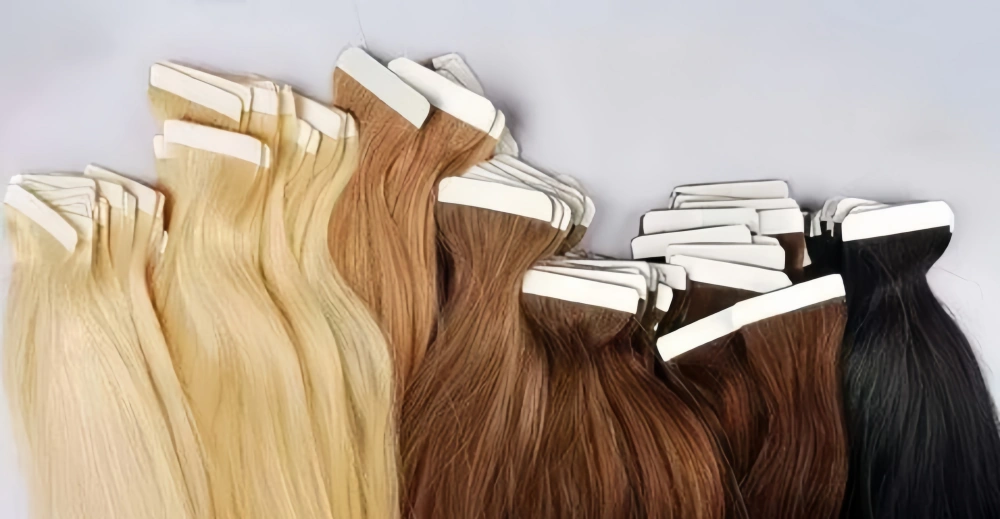
What Are Tape-In Extensions?
Tape-in extensions give you a fast and flexible way to add length and volume to your hair. You get small wefts of hair with a thin, medical-grade adhesive strip at the top. A stylist sandwiches your natural hair between two wefts, pressing them together for a secure hold.
The process takes less time than other methods, so you can enjoy your new look in just one salon visit.
Here’s how tape-in extensions compare to other types:
Factor | Tape-In Hair Extensions | Other Methods |
|---|---|---|
Application Process | Quick needs a professional | More time-consuming |
Comfort | Lays flat, feels natural | Can feel bulky or uncomfortable |
Damage to Natural Hair | No heat or chemicals, gentle on your hair | May cause breakage or glue residue |
Versatility | Easy to style, stays hidden | Some styling limitations |
Longevity & Maintenance | 6–8 weeks before reapplication | May need more frequent salon visits |
Cost Considerations | Upfront plus maintenance | Varies by method |
Tip: Tape-in extensions work well if you want a change without a long-term commitment.
Alpha Tape-In Features
Alpha tape-in hair extensions stand out for their strong adhesive and natural look. You get 100% Remy human hair, so your extensions stay soft and shiny. The adhesive holds tight with no peeling, so you can trust your style to last.
With proper care, Alpha tape in extensions lasts up to 1–2 years, and you can reuse them by replacing the tape. You can choose from a wide range of lengths and colors, including custom options. The extensions blend seamlessly with your own hair, and you can curl or dye them with help from a stylist.
Here’s a quick look at how Alpha tape-in extensions compare to others:
Feature | Alpha Tape-In Hair Extensions | Competitors |
|---|---|---|
Adhesive Quality | Strong, no peeling | May weaken |
Expected Lifespan | 3–6 months per application | Often less |
Maintenance Frequency | Every 6–8 weeks | Varies |
Pros | Quick, reusable | Varies |
Who Should Choose Tape-In Extensions?
Tape-in extensions work best for thin to medium hair. The lightweight wefts and gentle adhesive keep your hair safe and comfortable. If you want a style that blends in and feels natural, tape-in extensions are a great pick.
You can wear your hair up or down, and the extensions stay hidden. If you like to change your look often or want a flexible option, tape-in hair extensions make it easy.
Hair Type | Best For | Why It’s Good for This Hair Type |
|---|---|---|
Thin to Medium | Tape-In Hair Extensions | Lightweight, blends seamlessly, lies flat, gentle adhesive, lasts 6–8 weeks |
Note: If you want a quick transformation and easy maintenance, tape-in extensions could be your best match.
Hand Tied Hair Extensions vs Tape-In: Installation
Application Process
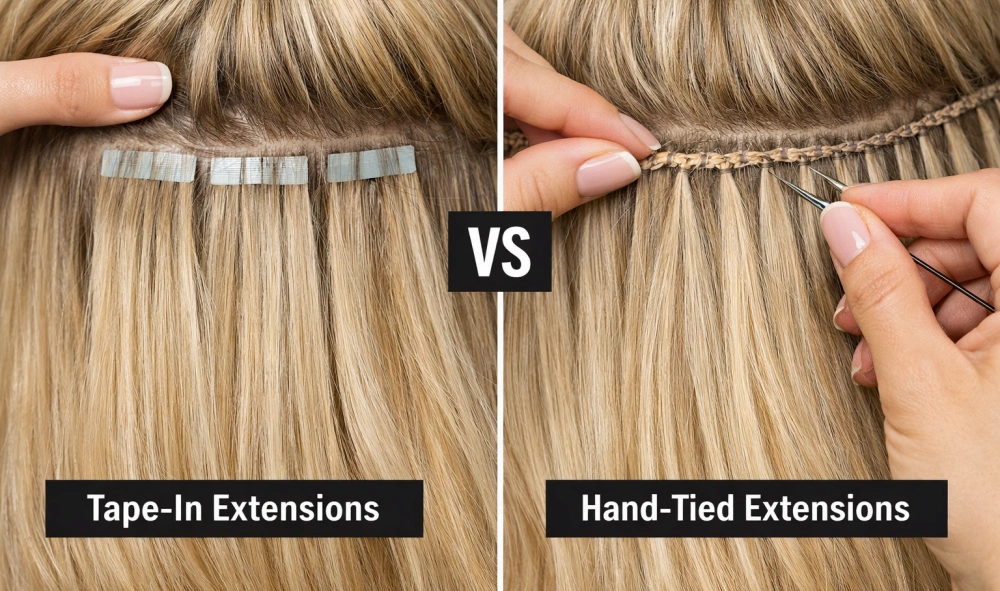
When you compare hand-tied hair extensions vs tape-in, the installation process stands out as a key difference. If you choose hand-tied extensions, your stylist will use a bead-and-lock technique.
They section your natural hair, attach small beads, and sew the hand-tied wefts onto these beads. This method creates a secure hold and a seamless blend with your own hair. You get a lightweight feel and a natural look that moves with you.
Tape-in extensions use a different approach. Your stylist sandwiches a thin section of your hair between two wefts with medical-grade adhesive. The tapes lay flat against your scalp, so you don’t feel any bulk. This process is gentle and doesn’t require heat or harsh chemicals. You can enjoy a quick transformation with minimal fuss.
Here’s a quick look at the installation process for each type:
Hand-tied wefts: Bead-and-lock method, sewn by hand, requires careful placement.
Tape-in extensions: Adhesive tape, pressed together, simple and fast.
Tip: Both Alpha hand-tied and tape-in extensions use 100% Remy human hair for a flawless finish.
Time and Skill Needed
You might wonder how much time you’ll spend in the chair. Tape-in extensions usually take about 30 minutes for a full head. The process is straightforward, so you can get in and out of the salon quickly.
Hand-tied extensions take longer because your stylist needs to section your hair, attach beads, and sew in each weft with precision.
Skill level matters, too. Installing hand-tied extensions requires a trained professional. The bead-and-lock technique demands attention to detail and experience. Tape-in extensions need less skill, so many stylists can apply them with ease.
Hand-tied extensions: Higher skill level, more time, detailed work.
Tape-in extensions: Lower skill level, less time, simple application.
If you want a fast, easy change, tape-in extensions might be your best bet. If you prefer a custom, long-lasting look, hand-tied extensions deliver beautiful results.
Tape-in Hair Extensions vs Hand Tied: Maintenance Comparison
Daily Care
You want your extensions to look great every day, but you also want a routine that fits your life. When you compare hand-tied hair extensions vs tape-in, you’ll notice some differences in how you care for them. With hand-tied extensions, you can brush and style your hair as usual.
These extensions stay secure and don’t tangle easily. You just need to use a gentle brush and avoid pulling at the roots. Washing your hair two to three times a week works best. Always use sulfate-free shampoo and conditioner to keep the hair soft and shiny.
Tape-in extensions need a little more attention. You should brush your hair gently, especially near the tapes, to prevent slipping. Try not to use heavy oils or conditioners close to the adhesive.
This helps the tapes stay in place longer. You can wash your hair as you normally would, but always dry the roots well to keep the adhesive strong.
Here’s a quick table to show how daily care compares:
Extension Type | Brushing & Styling | Washing Routine | Special Tips |
|---|---|---|---|
Hand-Tied Wefts | Gentle brushing, easy | 2-3 times per week | Avoid tugging at roots |
Tape-In Extensions | Careful near tapes | 2-3 times per week | Keep oils away from the adhesive |
Tip: Both types last longer when you use heat protectant before styling and avoid sleeping with wet hair.
Salon Visits
You’ll need to visit your stylist to keep your extensions looking fresh. Hand-tied wefts usually require maintenance every 8-10 weeks. Your stylist will move up the extensions and check for any tangles or matting. This process can take two to three hours, but you get a long-lasting, seamless look.
Tape-in hair extensions need more frequent salon visits. Most people return every 4-8 weeks for reapplication. The stylist removes the tapes, cleans your hair, and reapplies the extensions. This process takes about one to two hours. If your hair grows quickly, you might need to go back sooner to prevent the tapes from slipping.
Here’s a quick look at the maintenance schedule:
Hand-tied extensions: Salon visit every 8-10 weeks, longer between appointments.
Tape-in extensions: Salon visit every 4-8 weeks, more frequent adjustments.
Both Alpha hand-tied and tape-in extensions are reusable and durable. With proper care, you can enjoy beautiful hair for up to two years. You just need to follow the right routine and keep up with your appointments.
Longevity and Durability
Lifespan of Hand-Tied Hair Extensions
When you invest in hair extensions, you want them to last. Hand-tied wefts stand out for their impressive durability. If you care for them properly, you can enjoy beautiful hair for a long time. Most users find that hand-tied extensions last between one and two years.
The actual lifespan depends on how well you maintain them and how often you style your hair.
Here’s a quick look at what different brands report for hand-tied hair extensions:
Brand | Lifespan |
|---|---|
Coovi Hair | Up to 18 months |
I Love Slavic Hair | 2–3 months before reapplication |
Organic Hair Extension | 12–18 months |
Alpha hand-tied wefts use 100% Remy human hair, so you get a soft, natural look that holds up over time. You can reuse these extensions, which makes them a smart choice if you want long-term value. If you follow your stylist’s care tips, you’ll notice less shedding and tangling, even after months of wear.
Tip: Brush gently and use sulfate-free products to keep your extensions looking fresh.
Lifespan of Tape-In Hair Extensions
Tape-in extensions offer a different kind of durability. You’ll need to visit your stylist for maintenance every 4 to 8 weeks. The adhesive holds strong, but your natural hair growth means you’ll need to move up or reapply the tapes. With good care, you can reuse the same hair for several applications.
Here’s what you can expect from tape-in hair extensions:
Most users keep their tape-ins in for 6 to 8 weeks before reapplication.
With proper maintenance, the hair itself can last 4 to 6 months.
High-quality Remy tape-in extensions, like Alpha’s, may last up to 9 months or even longer.
The total lifespan depends on how often you style, wash, and care for your extensions.
If you want a flexible option that lets you change your look often, tape-ins make it easy. You can reuse the hair by replacing the tape, which helps you get more value from your investment.
When you compare hand-tied hair extensions vs tape-in, you’ll see that hand-tied extensions usually last longer between applications, while tape-ins give you more chances to switch up your style.
Cost Analysis
Upfront Cost
When you look at the price tag for new hair extensions, you want to know what you’re getting into before you sit in the salon chair. Hand-tied and tape-in extensions both come with their own price ranges. Here’s a quick comparison to help you see the difference:
Type of Extension | Cost Range |
|---|---|
Hand-tied Extensions | $300 – $1,200 |
Tape-in Extensions | $600 – $1,500 |
Hand-tied extensions usually start at a lower price, but the cost can climb depending on how much hair you need and the length you choose. Tape-in extensions often have a higher starting price, especially if you want a full head or longer lengths.
You might pay more upfront for tape-ins, but both types use high-quality Remy human hair, so you get a natural look either way.
Tip: If you want a budget-friendly option for adding volume, hand-tied extensions might be the way to go. If you’re after a dramatic transformation, tape-ins could be worth the investment.
Ongoing Expenses
The cost doesn’t stop after your first appointment. You need to think about maintenance and how often you’ll visit the salon. Both hand-tied and tape-in extensions require regular upkeep, but the details are a little different.
Tape-in extensions need professional upkeep every 6 to 8 weeks. Your stylist will remove, clean, and reapply the tapes to keep your hair looking fresh.
Hand-tied extensions also need move-up appointments every 6 to 8 weeks. These appointments usually cost between $150 and $250 each time.
Over a year, you might spend anywhere from $900 to $2,000 on move-up appointments for hand-tied extensions, depending on how often you go.
Tape-in extensions typically need replacement every 6 to 12 months. Hand-tied wefts can last a year or longer if you take good care of them.
When it’s time to replace the hair, you’ll pay between $400 and $1,200, no matter which type you choose.
If you want to keep your hair looking flawless, plan for regular salon visits and occasional replacement costs. Both options let you reuse the hair, so you get more value over time.
Note: Your natural hair growth affects how often you need maintenance. Faster growth means more frequent appointments.
Comfort and Wearability
Scalp Feel
You want your hair extensions to feel as good as they look. Comfort matters, especially if you plan to wear them every day. Hand-tied and tape-in extensions both offer a lightweight feel, but they do it in different ways. Here’s a quick look at how each type sits on your scalp:
Type of Extension | Comfort Level Description |
|---|---|
Hand-tied | Distributes weight evenly and feels natural after adjustment. |
Tape-in | Lightweight and flat, providing everyday comfort. |
Hand-tied extensions spread the weight across your scalp. After a short adjustment period, you might even forget you’re wearing them. The wefts lay flat, so you don’t feel any bumps or bulk.
Tape-in extensions also keep things comfortable. The adhesive strips are thin and flexible. They sit close to your scalp and blend in with your natural hair. You can run your fingers through your hair without feeling obvious attachment points.
Tip: If you have a sensitive scalp, both options offer a gentle experience. You just need to let your scalp adjust for a few days.
Impact on Daily Life
You probably wonder if hair extensions will change your daily routine. Good news—both hand-tied and tape-in extensions fit right into your lifestyle. You can work out, sleep, and go about your day with confidence. Here’s what you can expect:
You can exercise with tape-in hair extensions, but you should take a few precautions.
Tape-in extensions won’t stop you from keeping up with your normal workout routine.
You need to be careful during physical activities to avoid pulling or damaging the extensions.
Hand-tied extensions also let you stay active. You can tie your hair up for the gym or sleep comfortably at night. Just use a silk pillowcase or a loose braid to keep your hair looking its best. Both types of extensions blend into your life without much fuss. You get the freedom to move, style, and live as you please.
Note: A little extra care goes a long way. Brush gently and avoid tight hairstyles to keep your extensions comfortable all day.
Appearance and Styling
Blending with Natural Hair
You want your extensions to look invisible, right? Both hand-tied and tape-in extensions aim to blend seamlessly with your natural hair, but they do it in different ways. Hand-tied extensions stand out for their ability to mimic a wide range of hair textures.
Whether your hair is straight, wavy, or curly, you’ll find that hand-tied wefts can match your look perfectly. The thin, flexible base lies flat against your scalp, making the extensions almost undetectable.
Here’s a quick look at how hand-tied extensions blend with different textures:
Texture Type | Description |
|---|---|
Sleek Straight | Mimics straight hair for a seamless blend. |
Subtle Wavy | Blends well with natural waves for a soft look. |
Voluminous Curly | Matches curly textures for a full-bodied style. |
Tape-in extensions also blend well, especially if you have thin to medium hair. The adhesive strips are small and flat, so they hide easily under your natural hair. You can choose from a variety of colors and lengths to match your style.
Both types are designed to look natural, but hand-tied extensions offer a bit more flexibility for thicker or textured hair.
Tip: Hand-tied extensions work for both fine and thick hair, giving you a natural finish no matter your hair type.
Styling Options
You probably want to style your hair in different ways. Hand-tied and tape-in extensions both let you experiment, but each has its own strengths. Hand-tied extensions give you more freedom to wear your hair up, down, or in braids without worrying about the wefts showing.
You can curl, straighten, or even dye them with professional help.
Tape-in extensions offer plenty of styling options, too. You can wear your hair straight or wavy, and the tapes stay hidden for most styles. If you like ponytails or buns, you might need to be a bit more careful to keep the tapes covered.
Here’s a quick comparison:
Feature | Hand-Tied Extensions | Tape-In Extensions |
|---|---|---|
Styling Flexibility | Easy to wear up or down, stays hidden | Good for most styles, careful with updos |
Maintenance | Simple to wash and style | Needs gentle washing near the adhesive |
Overall Care | Less maintenance needed | More attention to tapes |
Hand-tied extensions let you switch up your look with ease.
Tape-in extensions give you a natural style with quick changes.
Note: Both Alpha hand-tied and tape-in extensions use 100% Remy human hair, so you can style them just like your own.
Hair Health and Safety
Damage Risks
You want your hair to stay healthy while enjoying longer, fuller locks. Both hand-tied and tape-in extensions come with their own risks, so it’s smart to know what to watch out for.
If you choose hand-tied extensions, you might notice a few common issues:
Hair breakage can happen if the installation feels too tight.
You could see some hair loss if the wefts pull on your natural strands.
Scalp irritation sometimes occurs because of the knotting technique.
Tape-in extensions have their own set of concerns. The adhesive can weaken if you use oily products or wash your hair too often. You might experience slippage if the tapes aren’t installed correctly. Both types require gentle care to avoid tangling and stress on your roots.
Tip: Always check with your stylist if you feel discomfort or notice changes in your scalp or hair.
Best Practices
You can keep your hair healthy and your extensions looking great by following a few simple steps. Let’s compare the best practices for tape-in extensions, which also help with hand-tied wefts:
Step | Action | Benefit |
|---|---|---|
Installation | Pro stylist, proper spacing | Reduces root strain |
Washing | Sulfate-free, infrequent | Preserves bonds, prevents dryness |
Brushing | Gentle, from the ends up | Avoids tangles and breakage |
Styling | Heat protectant, low temps | Protects from heat damage |
Night Routine | Loose braid, silk wrap | Minimizes friction |
Nutrition | Biotin, protein-rich diet | Strengthens natural hair |
You should always use a professional stylist for installation and removal. Wash your hair every two or three days with sulfate-free shampoo. Brush gently from the ends up to prevent tangling. Use a heat protectant when styling, and keep the temperature low.
Before bed, braid your hair loosely or use a silk wrap to minimize friction. Eating a diet rich in biotin and protein helps keep your natural hair strong.
Remember: Healthy habits make your extensions last longer and keep your scalp happy. 😊
Pros and Cons: Hand Tied vs Tape In
When you’re weighing hand-tied hair extensions vs tape-in, it helps to see the strengths and weaknesses of each option side by side. Let’s break down what you can expect from both, so you can decide which fits your hair goals, lifestyle, and comfort level.
Hand-Tied Hair Extensions Pros & Cons
You might wonder if hand-tied extensions are better than tape-in for your needs. Many people love the natural look and feel of hand-tied wefts, but there are a few things to keep in mind before you commit.
Pros:
You get a seamless, natural appearance that blends beautifully with your own hair. Hand-tied wefts lay flat and feel lightweight, so you can move with confidence.
These extensions work especially well for thick or coarse hair. You don’t need heat or glue for application, which means less risk of damage to your natural hair.
You can use oil-based products without worrying about breaking down adhesives.
The attachment points stay discreet, even when you wear your hair up or style it in different ways.
With proper care, you enjoy long-lasting results and can reuse the hair for up to two years.
You have unlimited styling possibilities, from sleek ponytails to voluminous curls.
Cons:
The initial investment is higher, both in time and money. Application can take several hours, and you’ll need a skilled stylist for the best results.
If you have thin or fragile hair, hand-tied extensions may not be the best fit. The weight and tension can sometimes lead to traction alopecia or scalp stress if not installed or maintained correctly.
Regular maintenance is a must. You’ll need to visit your stylist every 6-8 weeks to move up the extensions and prevent matting or tangling.
The seams are delicate and can’t be cut, so your stylist must map and place them carefully.
If you skip maintenance or don’t wash your hair regularly, you risk bacteria buildup or infection.
Tip: If you want a natural look and don’t mind investing time in salon visits, hand-tied extensions are better than tape-in for long-term wear and versatility.
Tape-In Hair Extensions Pros & Cons
Now let’s look at tape-in extensions pros and cons. Many people choose tape-in hair for its speed and flexibility, but it’s important to know what you’re signing up for.
Pros:
You get a quick and affordable way to add length, volume, and thickness. Most stylists can install tape-in hair extensions in under an hour.
The extensions lie flat against your scalp, so they blend in and feel comfortable for everyday wear.
You can style your hair just like your own, including curling or straightening.
Tape-in extensions are reusable for several applications, making them a budget-friendly choice if you like to change your look often.
The method is safe for your hair when applied and removed by a professional.
Cons:
If the tapes aren’t installed or blended properly, they can become visible, especially in fine or thin hair.
Removal requires special tools and a gentle touch. If not done right, you risk sticky residue or even damage to your natural hair.
You’ll need to use specific products and avoid heavy oils near the adhesive to keep the tapes secure.
Maintenance is more frequent. Plan on salon visits every 4-8 weeks to move up or reapply the extensions.
If you’re not careful with daily care, the tapes can slip or lose their hold.
Feature | Hand Tied Extensions | Tape-In Extensions |
|---|---|---|
Application Time | Several hours | 30-60 minutes |
Maintenance Frequency | Every 6-8 weeks | Every 4-8 weeks |
Styling Flexibility | Unlimited | High, but careful with updos |
Comfort | Lightweight, flat | Flat, comfortable |
Suitability | Best for thick/coarse hair | Best for thin to medium hair |
Upfront Cost | Higher | Moderate to high |
Reusability | Up to 2 years | Multiple reapplications |
Note: If you want a fast transformation and easy upkeep, tape-in extensions are better than hand-tied for quick changes and flexibility.
When you compare hand-tied hair extensions vs tape-in, you’ll see that each has its own set of benefits and drawbacks. Hand-tied extensions pros and cons focus on natural appearance and long-term wear, while tape-in extensions pros and cons highlight speed and convenience.
Think about your hair type, how often you want to visit the salon, and your styling goals. That way, you’ll pick the extension method that truly fits your lifestyle.
Choosing the Best Extension
When you stand in front of the mirror, you want hair extensions that fit your unique needs. Let’s break down how to pick the best option for you, whether you care most about your hair type, your daily routine, or your budget.
By Hair Type
Your natural hair sets the stage for the best extension choice. You want something that blends in and feels comfortable all day.
If you have fine or thin hair, hand-tied wefts work wonders. They’re lightweight and gentle, so you won’t feel extra bulk. The flexible design lies flat against your scalp, making it almost invisible. You get a seamless look that moves with you.
For medium to thick hair, both hand-tied and tape-in extensions can work. Hand-tied wefts offer a natural finish, while tape-ins provide quick volume and length.
If you have very delicate hair, you might also consider options like micro ring or halo extensions. These use gentle attachment methods and avoid adhesives or heat, which helps protect fragile strands.
Tip: Always think about your hair’s texture, density, and porosity. The right match gives you a flawless blend and keeps your hair healthy.
By Lifestyle
Your daily routine matters just as much as your hair type. Do you hit the gym every day? Do you need a style that keeps up with your busy schedule?
Feature | Hand-Tied Extensions | Tape-In Extensions |
|---|---|---|
Active Lifestyle | Lightweight, stays secure, seamless look | Strong tape adhesion, low-maintenance |
Maintenance | Longer between appointments | Quick salon visits, easy reapplication |
Styling | Wear up or down, stays hidden | Versatile, but avoid oils near tapes |
If you love working out or have a packed schedule, hand-tied extensions stay put and feel natural. You can wear your hair up or down without worrying about visible wefts.
Tape-in extensions are perfect if you want a fast, flexible option. They’re great for busy people who want to change their look often and don’t wash their hair every day. Just remember to keep oils away from the tape bonds to extend their wear time.
Note: Both Alpha Hand-Tied Weft and Alpha Tape-In Hair Extensions last up to two years with proper care, so you get durability no matter your routine.
By Budget
You want gorgeous hair, but you also want to stick to your budget. Let’s compare the costs and what you get for your money.
Aspect | Hand-Tied Extensions | Tape-In Extensions |
|---|---|---|
Upfront Cost | Lower price point, affordable | Varies, often higher |
Installation | Quick and efficient | Quick and efficient |
Maintenance | Every 6-8 weeks | Every 4-8 weeks |
Reusability | Up to 2 years | Multiple reapplications |
Comfort | Lightweight, may feel heavier rows | Flat, generally more comfortable |
Color Maintenance | May fade with sunscreen | Less prone to color issues |
Hand-tied extensions usually cost less upfront and offer long-term value. You’ll spend less on frequent appointments, and the hair lasts longer if you care for it.
Tape-in extensions may have a higher starting price, but they’re reusable and easy to maintain. If you like to switch up your style often, tape-ins give you flexibility without buying new hair each time.
Tip: Alpha’s extensions—both hand-tied and tape-in—are made from 100% Remy human hair. You get salon-quality results and a smart investment for your beauty routine.
Conclusion
So, which is best for you?
If you want a seamless, natural look and have fine or thin hair, go for Alpha Hand-Tied Weft Extensions. If you need a quick change, love flexibility, or want a low-maintenance routine, Alpha Tape-In Hair Extensions might be your match. Think about your hair, your lifestyle, and your budget. That’s how you find your perfect fit.
Choosing between hand-tied and tape-in extensions depends on what you want. If you need a long-term, natural look, hand-tied extensions work best. For quick changes or less commitment, tape-ins are your go-to.
Professional stylists suggest matching your hair type and lifestyle to the right extension. They also recommend human hair for the most natural blend.
Active lifestyles do well with hand-tied extensions.
Fine hair benefits from lightweight, flat wefts.
If you want flexibility or have a tight budget, tape-ins offer easy changes.
Always talk with a stylist to find your perfect Alpha match!
FAQ
How do hand-tied and tape-in extensions differ in daily styling?
You can style both types with heat tools. Hand-tied extensions let you wear your hair up or down with ease. Tape-ins work best for loose styles. You may need to hide the tapes when you pull your hair up.
Which extension type is better for thin hair?
Hand-tied extensions feel lightweight and blend well with fine hair. Tape-ins also suit thin hair but need careful placement. You get a seamless look with both, but hand-tied wefts often feel more comfortable for delicate strands.
Can I swim or exercise with these extensions?
Yes, you can swim or work out with both. Hand-tied extensions stay secure during activity. Tape-ins hold up well, too. Just rinse your hair after swimming and avoid tight ponytails to keep your extensions in top shape.
How often do I need to visit the salon for maintenance?
Hand-tied extensions need move-up appointments every 8–10 weeks. Tape-in extensions require reapplication every 4–8 weeks. Your natural hair growth and daily routine affect how often you’ll need to see your stylist.
Are Alpha extensions reusable?
Absolutely! You can reuse both Alpha Hand-Tied Weft and Tape-In Hair Extensions. With proper care, you get up to two years of beautiful hair. Just follow your stylist’s advice for cleaning and storage.