
You want your hair extensions to stay soft, secure, and easy to style for as long as possible. The right hair extension aftercare routine helps prevent tangling, dryness, shedding, slippage, and stress on your natural hair. The key is to match your routine to two things: the quality of the hair and the way the extensions are attached.
This guide explains the universal rules first, then shows you what changes for tape-ins, keratin or fusion bonds, micro rings, wefts, and removable extensions such as clip-ins.
Hair Extension Aftercare: Quick Dos and Don’ts
If you only remember a few hair extensions care tips, start here.
| Do | Don’t |
| Detangle gently from the ends upward. | Pull through a knot from the roots. |
| Support installed extensions close to the attachment while brushing. | Drag a brush across tapes, bonds, beads, or weft rows. |
| Wash in an upright position with smooth, downward motions. | Scrub, twist, or pile the hair on top of your head. |
| Apply conditioner and oil mainly to the mid-lengths and ends. | Coat adhesive, bonds, beads, or the weft base with heavy products. |
| Dry attachment areas completely after washing. | Sleep with installed extensions wet or damp. |
| Use heat protectant and the lowest effective temperature. | Place a hot tool directly on tapes, keratin bonds, clips, or synthetic fibre. |
| Secure installed extensions in a loose braid or low ponytail at night. | Sleep in removable clip-ins unless the product is specifically designed for overnight wear. |
| Book maintenance according to your stylist’s schedule. | Ignore matting, slippage, exposed bonds, or uncomfortable tension. |
Quick rule: Be gentle with the hair and precise around the attachment. Most early failures begin with friction, product buildup, moisture left at the root, or missed maintenance.
Installed vs Removable Hair Extensions: Why Care Is Different
Not every extension should be cared for in the same way. This is where many general guides become confusing.
Installed extensions include tape-ins, keratin or fusion bonds, micro rings, nano rings, sew-ins, and many weft methods. You wear them continuously, so your routine must protect the attachment points and your natural hair as it grows. Scalp cleansing, complete drying, low-tension brushing, and professional maintenance all matter.
Removable extensions include most clip-ins, halo extensions, ponytails, and temporary pieces. You can wash, dry, and store them away from your scalp. They usually need fewer washes, and they should normally be removed before sleeping, showering, or swimming.
| Care point | Installed extensions | Removable extensions |
| Washing | Clean the scalp and lengths without disturbing the attachment. | Wash only when needed, after removing the piece. |
| Drying | Dry both the hair and attachment area completely. | Dry fully before storage; keep clips or the wire base dry where practical. |
| Sleeping | Detangle, secure loosely, and reduce friction. | Remove before bed in most cases. |
| Products | Keep oils and rich conditioner away from attachment points. | Focus moisture on the hair; avoid residue on clips or the base. |
| Maintenance | Requires professional checks, move-ups, refits, or removal. | Inspect clips, seams, and the base at home; replace damaged hardware when needed. |
| Storage | Not applicable while installed. | Store clean, dry, detangled, and protected from dust and sunlight. |
If you are still comparing methods, explore Alpha’s overview of hair extensions before choosing a care routine.
How to Wash Hair Extensions Correctly?
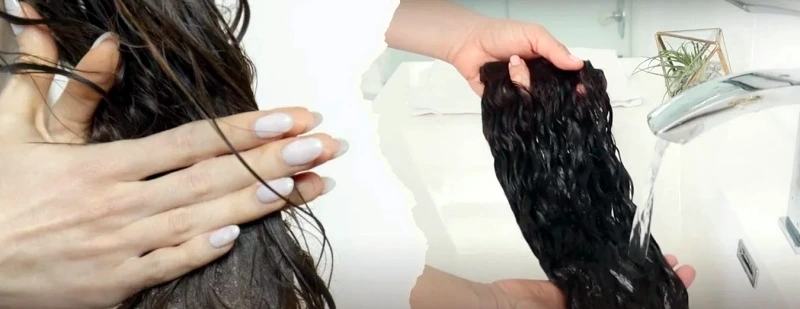
Washing technique matters as much as product choice. A gentle wash removes scalp oil, sweat, and styling residue without creating unnecessary friction.
Before Washing
- Detangle the hair while it is dry. Start at the ends and move upward in small sections.
- Separate installed rows or bonds with your fingers if your stylist has shown you how.
- Check for matting, loose attachments, or unusual tension. Do not force a brush through a problem area.
- Follow any waiting period given by your installer. Fresh tape, adhesive, and bonded systems may have method-specific instructions.
Shampooing
Keep your head upright and let the water flow from roots to ends. Apply a gentle, extension-safe shampoo – often a sulfate-free formula is preferred when dryness or color retention is a concern. Clean the scalp with your fingertips rather than your nails, then smooth the lather down the lengths. Do not rub the hair together or wash it in a circular motion.
Rinse thoroughly. Product left between rows or around bonds can create buildup, itching, and tangling. If you wear a sew-in or dense weft installation, use controlled sections so water reaches the scalp beneath the rows.
Conditioning
Apply conditioner from the mid-lengths to the ends. These areas need moisture because extension hair does not receive a continuous supply of scalp oil. Keep rich conditioner, masks, and oils away from tapes, keratin bonds, beads, and the top of a weft unless your installer or the product manufacturer says otherwise.
For dry ends, a mask can help, but more product is not always better. Heavy buildup makes hair feel dull and may encourage slippage near some attachments. Rinse until the hair feels clean and light.
Drying
Gently squeeze out water and blot with a soft towel. Do not rub or wring the hair. Separate the rows or bonds, then dry the attachment area first with controlled airflow. Use low or medium heat and point the dryer downward along the hair.
You can air-dry removable human hair extensions after laying them flat or hanging them securely. Installed extensions should not stay wet at the roots for long periods, and you should never go to bed with them damp.
For method-specific washing instructions, use the dedicated guides for pre-bonded hair extensions, micro ring hair extensions, and sew-in hair extensions.
How to Brush and Detangle Hair Extensions?
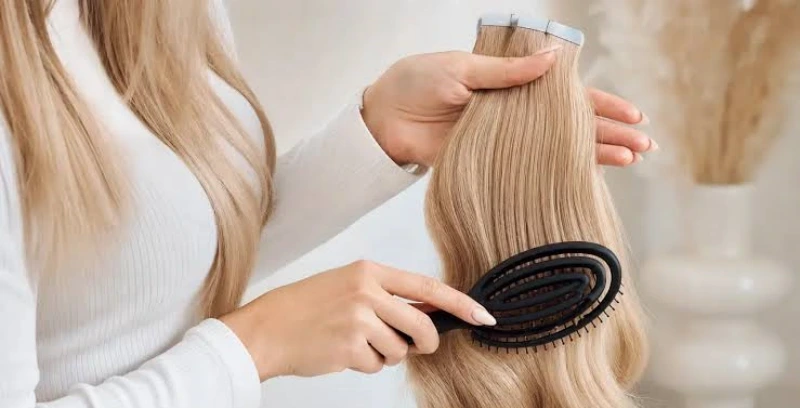
Daily detangling prevents small knots from becoming matting. Use an extension-friendly brush, loop brush, soft-bristle brush, or wide-tooth comb that suits your installation.
- Divide the hair into manageable sections.
- Hold the section above the tangle or support it near the attachment point.
- Brush the ends first.
- Move upward a few inches at a time.
- Use your fingers to check between installed rows without picking at the attachments.
Brush in the morning, before washing, and before bed. You may need an extra gentle detangle after exercise, wind, or travel. If a knot sits close to a bond, tape, bead, or stitch, stop pulling and ask your stylist for help.
Wet hair is more vulnerable to stretching and breakage. Detangle before washing whenever possible. After washing, use a wide-tooth comb or approved brush only after you have removed excess water and added enough slip to the lengths.
Sleeping With Hair Extensions
Installed extensions need a simple nighttime routine. Make sure the hair and attachment points are completely dry. Brush gently, then secure the lengths in a loose braid or low ponytail with a soft, snag-free tie. A silk or satin pillowcase, scarf, or bonnet can reduce friction and help control tangling.
Do not use a tight topknot that pulls against the attachment points. If you wake up with repeated matting at the nape, ask your stylist to check the installation and show you how to separate the rows safely.
Remove standard clip-ins and other temporary pieces before bed. Sleeping in clips can create pressure, pull on your natural hair, and tangle the extension hair. Halo and ponytail extensions should also be removed unless their instructions clearly state that overnight wear is safe.
Heat Styling and Product Use
Human hair extensions can usually be curled, straightened, and blow-dried, but every pass of a hot tool adds wear. Apply heat protectant through the lengths and use the lowest temperature that produces the result you need. Work in small sections instead of increasing the heat.
Keep hot tools away from tapes, keratin bonds, synthetic thread, clips, and other attachment materials. Heat can soften adhesive, deform bonds, weaken stitching, or damage hardware. Synthetic and heat-resistant fibres have their own limits, so check the product label before styling.
Choose products by function, not by how rich they feel in your hand:
- Use a lightweight leave-in conditioner on dry-prone mid-lengths and ends.
- Apply a small amount of oil or serum to the ends when needed.
- Keep heavy masks, oils, and silicone-rich buildup away from installed attachment points.
- Use dry shampoo sparingly and remove buildup during the next proper wash.
- Let a professional color, lighten, perm, or chemically process installed extensions.
Product rules can vary by attachment system. If your stylist’s instructions differ from a general guide, follow the method-specific instructions.
Hair Extension Maintenance Schedule
A consistent hair extension maintenance routine is easier than trying to repair damage later.
| When | What to do |
| Every morning | Check for tangles, brush from the ends upward, and style without pulling at the roots. |
| Before bed | Detangle, confirm installed extensions are dry, and secure them loosely. Remove temporary pieces. |
| Before each wash | Dry-detangle, inspect attachments, and separate rows or bonds as instructed. |
| During each wash | Clean the scalp gently, keep rich products off attachments, and rinse thoroughly. |
| After each wash | Blot, separate, apply lightweight moisture to the lengths, and dry attachment areas completely. |
| Weekly | Check the nape and between rows for hidden tangles, residue, or unusual tension. Clean removable pieces only if they need it. |
| As scheduled | Attend your stylist’s maintenance, move-up, refit, or removal appointment. Timing depends on the method, growth, density, and installation. |
Do not wait for an extension to fall out before booking help. Contact your stylist if you notice persistent pulling, scalp soreness, matting, several loose attachments, visible slippage, or a row that no longer sits correctly.
Hair Extension Care by Method
The following summaries help you protect the most vulnerable part of each system. They are not a replacement for the detailed method pages or your installer’s instructions.
Tape-In Hair Extensions
Adhesive tabs need a clean, low-residue environment. Keep oils, masks, and rich conditioner away from the tapes. Wash in a downward motion, dry the tabs completely, and avoid placing hot tools directly on them. Follow the installer’s guidance before the first wash and schedule retaping or repositioning as recommended.
If you are choosing a routine, compare hair care products for tape-in extensions without turning the attachment area into a product-heavy zone.
Keratin, Fusion, and Pre-Bonded Extensions
Support the bonds while brushing and keep oils or conditioner off the attachment. Do not pick, twist, or try to rebond loose strands at home. Dry the bond area after washing and keep hot tools away from it. For a deeper method-specific routine, read Alpha’s guide to fusion hair extension care.
Micro Ring, Micro Link, and Nano Ring Extensions
Beads are vulnerable to pulling, residue, and missed move-ups. Brush while supporting the root area, keep heavy product away from the rings, and dry the scalp and attachment area completely. Never tighten or remove beads without the correct training and tools. See the detailed micro ring hair extensions aftercare guide for the complete routine.
Weft and Hand-Tied Extensions
The hair above and between weft rows needs regular separation and gentle cleansing. Support the row while brushing, avoid snagging the seam, and dry the base completely after washing. Your move-up timing depends on the installation method and natural hair growth. Use the dedicated weft extensions maintenance guide for a more detailed routine.
Clip-In, Halo, and Ponytail Extensions
Remove temporary extensions before sleeping, showering, or swimming. Wash them less often than installed hair – only when they have visible buildup, odor, or reduced movement. Detangle before and after wear, keep styling residue off the clips or base, and store every piece completely dry.
Because removable extensions do not receive scalp oil, condition the lengths when needed. However, avoid daily heavy product use; it can attract dust and make the hair harder to blend.
How to Store Removable Hair Extensions?
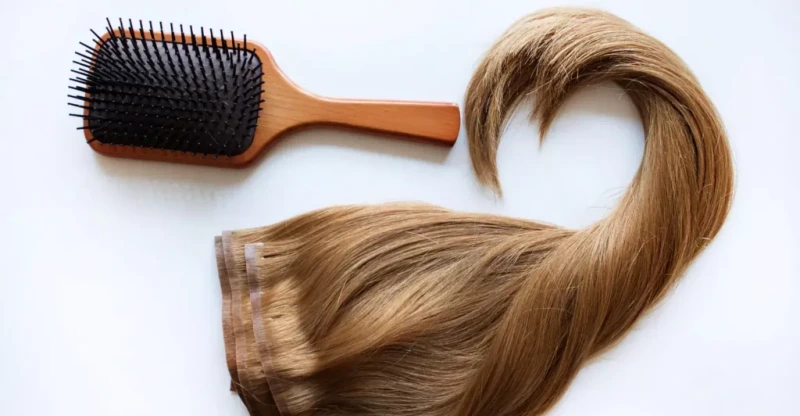
Storage is part of aftercare, not an afterthought. A clean set can still tangle or lose its shape if it is folded while damp or pushed into a crowded drawer.
- Remove the extensions gently and close the clips.
- Detangle from the ends upward.
- Make sure the hair and base are completely dry.
- Align the pieces so the lengths lie smoothly in one direction.
- Place them in a breathable storage bag, extension hanger, or clean box.
- Keep them away from direct sunlight, humidity, dust, and heat.
Store curly or wavy textures without stretching the pattern. If you use a satin bag, avoid compressing the hair so tightly that it creates bends or friction.
Why Hair Quality Changes Aftercare Requirements
Aftercare cannot turn low-quality fibre into premium hair, but it strongly affects how every extension performs.
In full cuticle Remy hair, the cuticles remain present and aligned in the same direction. That alignment helps the strands move past one another with less friction. Rough washing, repeated high heat, and harsh chemical processing can still damage the cuticle over time, so gentle handling remains important.
Heavily processed hair may feel smooth at first because of surface coatings. As those coatings wear away, dryness and tangling may become more noticeable. Synthetic fibre behaves differently again: it does not respond to moisture or heat like human hair, and some products can leave a stubborn film.
To understand these differences before building a care routine, compare full cuticle Remy, Remy, and non-Remy hair and review the practical signs of hair extension quality.
Common Reasons Hair Extensions Fail Early
Premature failure is usually connected to the hair, the attachment, the installation, the routine, or a combination of all four.
- Hidden matting: Small tangles at the nape or between rows tighten over time.
- Product contamination: Oil, conditioner, masks, or sunscreen reach tapes and bonds, encouraging slippage.
- Wet roots at night: Damp attachment areas face hours of friction and can be harder to keep clean.
- Excessive heat: Repeated high temperatures dry the fibre and may weaken the attachment material.
- Rough brushing: Pulling from the root transfers force to the attachment and natural hair.
- Overwashing or harsh cleansing: Frequent aggressive washing removes moisture and increases friction.
- Underwashing and buildup: Sweat, oil, and product accumulate around the scalp and attachment area.
- Missed maintenance: Natural hair growth moves attachments away from the scalp, increasing leverage, tangling, and visibility.
- DIY removal: Pulling, cutting, dissolving, or unclamping without the right technique can damage natural hair and the extensions.
- Poor installation or incompatible method: Even careful aftercare cannot correct excessive weight, poor sectioning, or an attachment that does not suit the wearer’s hair and lifestyle.
If a problem appears suddenly, do not hide it with more oil or tighter styling. Stop, inspect the area gently, and contact your stylist.
A Manufacturer’s View: What Aftercare Can and Cannot Fix
At Alpha Hair Extension, we have manufactured 100% full cuticle Remy hair extensions and wigs since 1990. From a manufacturing perspective, good aftercare protects three separate components: the hair fibre, the attachment construction, and the wearer’s natural hair.
Hair fibre needs low-friction handling, controlled heat, and enough moisture. Attachment construction needs method-specific protection from oil, buildup, pulling, and retained moisture. Natural hair needs a clean scalp, balanced weight, timely maintenance, and professional removal.
Aftercare can help well-made extensions perform consistently, but it cannot repair an unsuitable installation, restore a damaged adhesive tab, reverse severe chemical damage, or replace hair lost through heavy shedding. If you are evaluating products for a salon or brand, review both the fibre and the construction rather than relying on softness alone.
Hair Extension Aftercare FAQ
How often should you wash hair extensions?
Wash installed extensions as often as your scalp and method require without overwashing the lengths. Many wearers wash once or twice a week, but oil level, exercise, product use, texture, and attachment type all change the schedule. Removable extensions usually need washing only after several wears or when buildup becomes noticeable. Follow your stylist’s instructions for your specific system.
Can you use regular shampoo on hair extensions?
Use a gentle, extension-safe shampoo. A sulfate-free formula is often chosen to reduce dryness and protect color, but the full formula and your attachment method matter more than one label claim. Avoid harsh clarifying products as an everyday shampoo, and keep oily or conditioning cleansers away from adhesive or bonds unless approved.
Can you sleep with hair extensions?
You can sleep with professionally installed extensions after they are fully dry and loosely secured. Remove standard clip-ins, halos, ponytails, and other temporary pieces before bed. A silk or satin pillowcase, scarf, or bonnet can reduce friction.
What is the best brush for hair extensions?
Choose an extension-friendly brush that moves through the hair without catching the attachment. Loop brushes, flexible detangling brushes, soft-bristle brushes, and wide-tooth combs can all work depending on the method. Support installed extensions near the root and always begin at the ends.
How do you prevent hair extensions from tangling?
Detangle every day, keep the hair moisturized without creating buildup, dry it fully, protect it at night, and attend maintenance on time. Persistent matting close to the scalp or between rows needs professional attention.
Can you swim with hair extensions?
Ask your stylist because exposure rules vary by method. If you swim, secure the hair, reduce tangling, and rinse salt or chlorine out with fresh water as soon as possible. Dry installed attachment areas completely. Keep sunscreen, oils, and rich products away from tape tabs.
How long do hair extensions last with proper care?
There is no single lifespan for every extension. Fibre quality, method, installation, daily routine, chemical processing, heat use, and maintenance all affect wear. Installed attachments also have a service schedule that is different from the usable life of reusable hair.
Keep Your Aftercare Simple and Consistent
The best hair extension aftercare routine is one you can repeat. Detangle before washing, clean without scrubbing, condition the lengths, dry attachment areas completely, protect the hair at night, and book maintenance before small problems become large ones.
For salon owners, hair brands, retailers, and wholesalers, Alpha offers OEM and ODM support across a wide range of private label hair extensions. Talk with our team about fibre specifications, attachment construction, color matching, packaging, and aftercare guidance for your market.