
No—you should not sleep in halo extensions. A halo is a removable hairpiece designed for daytime wear, not for the hours of friction, pressure, and movement that happen while you sleep. Taking it off before bed helps prevent tangles, protects the adjustable wire, avoids pressure from optional clips, and keeps the hair smooth for your next wear.
The good news is that removing a halo takes less than a minute. You do not need adhesive remover, a salon appointment, or a complicated bedtime routine. You only need to lift the piece out gently, detangle it, and store it in a clean, dry place.
Key Takeaways
- Remove your halo extensions before every full night of sleep.
- Do not rely on a loose braid, satin pillowcase, or bonnet to make overnight wear safe for the wire and weft.
- If you accidentally sleep in your halo, remove it carefully and detangle it before styling.
- Store the piece flat or on an extension hanger after it is completely dry.
- A well-fitted halo is gentle during the day, but it is still a removable extension—not a sleep-in method.
Can You Sleep in Halo Extensions?
If you are asking, “can you sleep in halo extensions?” the safest answer is no. Halo extensions sit around your crown on a thin adjustable wire, with the hair weft resting beneath the top layer of your natural hair. Some designs also include removable clips for extra stability. This construction makes a halo quick to put on and easy to remove, which is exactly why there is no benefit to leaving it in overnight.
Unlike permanent extensions, a halo is not attached strand by strand to your natural hair. It does not need to stay in place between appointments. You can learn more about what halo extensions are and how halo extensions work, but the practical rule is simple: put the piece on for styling, then take it off before you lie down for the night.
You may be able to fall asleep while wearing one, but that does not mean the extension is designed for sleep. The problem is not one single movement. It is several hours of your head turning against a pillow while the wire, weft, optional clips, natural hair, and extension hair move in different directions.
Why Sleeping in Halo Extensions Causes Problems?
1. Pillow Friction Can Create Tangles and Matting
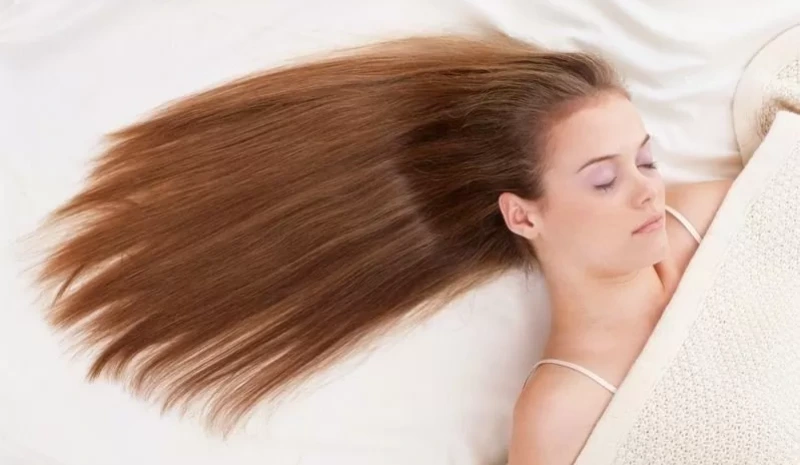
When you sleep, the hair at the back of your head rubs against the pillow. Your natural hair can usually move with your head, but a halo adds a dense weft that sits in a fixed position. Repeated friction can twist the extension hair together with the hair at your nape, creating knots that are harder to brush out the next morning.
This risk increases if the hair is long, textured, dry, heavily styled, or coated with hairspray. Even high-quality Remy human hair can tangle when it is exposed to enough friction. Cuticle alignment improves smoothness and manageability; it does not make the hair immune to rough handling.
2. The Adjustable Wire Can Stretch or Lose Its Shape
The invisible wire is meant to sit comfortably around your crown while you are upright. During sleep, pressure from your head and pillow can bend, stretch, or pull the wire at an awkward angle. A distorted wire may sit too low, too high, or unevenly the next time you wear the piece.
If you repeatedly tighten the wire to compensate, you may create unnecessary pressure during daytime wear. Protecting the wire is one of the strongest reasons to remove the halo at night, even when the extension hair itself still looks smooth.
3. Optional Clips Can Press Against Your Scalp
Some halo designs use small removable clips to improve security. Those clips may feel comfortable while you are standing or sitting, but they can press into your scalp when you lie on them. The pressure can become uncomfortable and may also pull on a small section of your natural hair as you turn.
A wire-only design is not an exception. Without clips, you still have a wire, a base, and a full weft between your head and the pillow. Removing the piece is safer and more comfortable.
4. Your Natural Hair Can Become Caught Around the Base
Loose strands can wrap around the wire, stitching, or clips during the night. If you pull the halo out quickly in the morning, you may tug those strands or cause breakage. This is avoidable: remove the extension while you are awake, in good light, and able to separate your natural hair from the piece.
Halo extensions are often chosen because they distribute weight more evenly than many attachment methods. That daytime benefit does not justify overnight wear. For a focused explanation of fit and hair safety, see whether halo extensions damage hair.
5. Oil, Sweat, and Skincare Can Transfer to the Hair
Your scalp produces oil while you sleep, and nighttime skincare can transfer from your face or neck to the extension hair. A warm room may also make you sweat. Because the halo cannot receive oil from a scalp in the same way your natural hair does, this buildup can make the piece feel coated without giving it any useful moisture.
More buildup usually means more washing, and unnecessary washing can shorten the useful life of extension hair. Taking the halo off keeps it away from overnight oil, sweat, and creams.
What Should You Do If You Accidentally Sleep in Your Halo?
One accidental night does not automatically ruin your halo. The important thing is to avoid rushing the removal or brushing through knots aggressively. Follow these steps:
1. Sit upright and locate the wire, weft, and any clips before you pull on the hair.
2. Open the clips first, if your halo uses them.
3. Lift the wire up and away from your crown. Do not drag the piece through your natural hair.
4. Lay the halo on a clean towel and check the wire for stretching, kinks, or loose attachment points.
5. Hold the weft firmly and detangle from the ends upward with an extension brush or wide-tooth comb.
6. If the hair is badly tangled, work in small sections and use a light detangling product made for extensions. Do not soak the piece just to remove a few knots.
If the wire no longer holds its adjustment, the stitching looks loose, or a clip has shifted, stop wearing the piece until it has been repaired or replaced. A damaged support system can make the halo sit unevenly and encourage you to overtighten it.
How to Remove Halo Extensions Before Bed
Your nighttime removal routine should be gentle and repeatable. You do not need to pull the extension down through your hair. You should lift it out in the reverse order of application.
1. Remove pins, tight elastics, or decorative accessories that could catch the extension.
2. Separate the top layer of your natural hair so you can see or feel where the wire sits.
3. Unfasten any removable clips without pulling on the hair.
4. Hold the weft near the base and lift the wire over your crown.
5. Check that no natural strands are wrapped around the wire or clips.
6. Brush the extension gently from the ends toward the base before storing it.
If your halo feels difficult to remove, the fit may be too tight or the top section may not have been separated cleanly during application. Review how to apply halo extensions and adjust the wire before your next wear rather than forcing the piece out at bedtime.
How to Store Halo Hair Extensions Overnight?
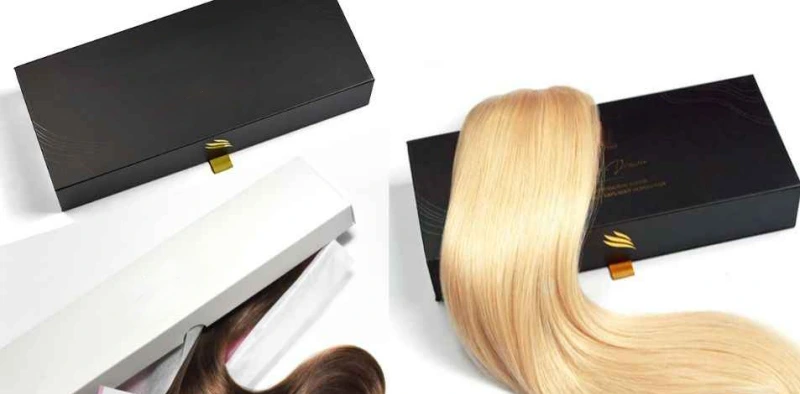
Once you remove the halo, storage matters. The goal is to keep the hair aligned, the wire relaxed, and the weft away from dust, humidity, and direct sunlight.
Use an Extension Hanger for Frequent Wear
If you plan to wear the halo again soon, secure the weft in a purpose-made extension hanger and let the hair fall straight. Make sure the wire is not supporting the full weight of the hair. The hanger should hold the base or weft, not stretch the wire.
Lay It Flat for Simple At-Home Storage
You can also place the brushed halo flat in its original box or a clean storage case. Arrange the hair in the same direction and use a loose curve rather than folding the lengths sharply. A silk or satin lining can reduce friction, but the container still needs to be clean and dry.
Store Only When the Hair Is Completely Dry
Never seal damp extension hair in a box or bag. Moisture can create odor, frizz, and tangling. If you washed the halo, let it dry fully before storage. The detailed steps belong in a separate care guide, so use how to wash halo hair extensions when the piece genuinely needs cleaning.
Avoid These Storage Mistakes
- Do not throw the halo loose into a drawer.
- Do not wrap the hair tightly around the wire.
- Do not store it beside hot tools that may still be warm.
- Do not leave it in direct sunlight, a steamy bathroom, or a damp gym bag.
- Do not apply heavy oil before storage; excess product attracts dust and can weigh the hair down.
For storage options that also apply to clip-ins and other removable pieces, see the complete guide on how to store hair extensions.
Can You Take a Short Nap in Halo Extensions?
A short upright nap is lower risk than a full night of side-to-side movement, but removing the halo is still the better choice. If you are at home, take the extra minute and store it. That prevents the habit of treating a removable piece like a permanent method.
If you unexpectedly doze while sitting up, check the wire and detangle the hair when you wake. Avoid lying flat, resting the back of the weft against a headrest for a long period, or placing your full weight on optional clips.
Halo Extensions vs Other Hair Extensions at Night
Advice about sleeping with hair extensions depends on the attachment method. Halo and clip-in pieces are removable, while professionally installed extensions are designed to remain attached between maintenance appointments. Mixing these routines can damage the product or create unnecessary stress.
| Extension type | Sleep in it? | Nighttime approach |
| Halo extensions | No | Remove, detangle, and store flat or on a hanger. |
| Clip-in extensions | No | Unclip each weft and store it before bed. |
| Tape-in extensions | Yes, when professionally installed | Follow your stylist’s routine; keep hair dry and reduce friction. |
| Keratin, I-tip, or micro-link extensions | Yes, when professionally installed | Secure the lengths gently and protect attachment points. |
| Sewn-in wefts | Yes, when professionally installed | Use the care routine recommended for the installation and hair texture. |
The uploaded keyword data shows strong interest in questions such as “can you sleep with clip-in hair extensions” and “can you leave clip-ins in overnight.” The answer for clip-ins and halos is the same: both are temporary pieces, so remove them before sleeping. For a broader comparison of benefits and limitations, read the pros and cons of halo hair extensions.
A Five-Minute Nighttime Routine for Your Halo
You do not need a long list of products. A consistent routine protects the hair better than occasional intensive treatments.
1. Take the halo out before you change clothes or remove makeup, so the hair stays away from skincare and fabric friction.
2. Hold the base and brush the ends first, then work upward.
3. Inspect the wire, clips, and stitching for changes.
4. Wipe the wire or clip surfaces with a clean, dry cloth if needed; keep water and heavy product away from the base.
5. Place the halo on a hanger or in a lined box in a cool, dry location.
This routine also makes your next application faster. You start with detangled hair, a properly shaped wire, and a clean base instead of spending your morning correcting knots.
How to Reduce Wear While You Have the Halo On?
Removing the piece at night is the most important step, but your daytime habits also affect how well it holds up.
- Adjust the wire so the halo feels secure without digging into your scalp.
- Blend your natural hair over the wire instead of overtightening the piece to hide it.
- Keep the nape area detangled, especially when you wear scarves, jackets, or textured collars.
- Use heat protectant before hot tools and avoid repeated high-temperature passes.
- Apply oils and serums sparingly, mainly through the mid-lengths and ends.
- Remove the halo before showering, swimming, vigorous exercise, or any activity that leaves the hair wet.
- Brush before and after each wear while supporting the weft with your hand.
If you are still deciding whether a halo suits your routine, the wholesale halo hair extension page shows the basic construction, materials, and customization options used in this product category.
A Manufacturer’s View: Better Hair Still Needs the Right Routine
Hair quality affects softness, shedding, tangling, color consistency, and how well an extension responds to repeated styling. Construction quality also matters: the wire attachment, weft stitching, clips, and weight distribution should remain consistent.
However, premium materials do not turn a removable halo into a permanent extension. Even a well-made piece using full-cuticle Remy human hair should be removed before sleep. The correct routine protects both the hair and the support structure, which is especially important if you wear the same halo frequently.
When you evaluate a halo, look beyond how it appears in the package. Check whether the wire adjusts smoothly, whether the base sits flat, whether the clips can be removed or replaced, and whether the hair remains aligned after brushing. Those details determine whether the piece is comfortable to use—and easy to care for—over time.
FAQ
Can you sleep with halo hair extensions?
No. You should remove halo hair extensions before sleep. Overnight friction can tangle the hair, distort the wire, press optional clips against your scalp, and catch your natural strands around the base.
Can you leave halo extensions in overnight if you braid the hair?
A loose braid may reduce tangling through the lengths, but it does not protect the wire, base, or clips from pressure. Remove the halo instead of trying to make overnight wear safer with a braid.
Does a satin pillowcase make sleeping in halo extensions safe?
A satin or silk pillowcase can reduce friction, but it cannot eliminate pressure on the wire and weft. It is useful for your natural hair and for professionally installed extensions, not as a reason to keep a removable halo on.
Can you sleep in a halo without clips?
You should still remove it. A wire-only halo can stretch, shift, and tangle during sleep even when there are no clips pressing against your scalp.
Can you shower or swim in halo extensions?
No. Remove the halo before showering or swimming. Water, shampoo, chlorine, salt, and uncontrolled movement can tangle the piece and affect the wire or base.
How often should you wash halo extensions?
Wash them only when they have noticeable product buildup, odor, or loss of movement. Halo extensions do not receive scalp oil in the same way your natural hair does, so they usually need less frequent washing. Follow the product’s care instructions and avoid washing simply because you wore the piece once or twice.
What should you do when halo extensions tangle?
Hold the base, divide the hair into small sections, and work from the ends upward. Do not pull a brush from the top through a knot. Use a light extension-safe detangler if needed, and inspect the base to make sure natural hair has not wrapped around the wire or clips.
Can you wear halo extensions every day?
You can wear a properly fitted halo regularly, provided you remove it for sleep, washing, swimming, and strenuous exercise. Give your scalp a break if you notice pressure, and readjust the wire rather than wearing it too tightly.
Do halo extensions damage your natural hair?
A correctly fitted halo is generally a low-tension option because it does not rely on glue, tape, or multiple bonded attachment points. Poor fit, overtightening, rough removal, or sleeping in the piece can still create avoidable pulling and friction.
Final Answer
Can you sleep in halo extensions? You may be physically able to, but you should not. Halo extensions are designed to give you removable length and volume during the day. Leaving them in overnight exposes the hair, wire, clips, and your natural strands to hours of friction and pressure for no practical benefit.
Take the halo off, detangle it gently, and store it flat or on a proper hanger. That small habit keeps the piece easier to apply, more comfortable to wear, and better protected from unnecessary damage.