
You might wonder, are bond extensions bad for your hair? Most experts say you can wear them safely if you follow the right steps. When applied by a professional, keratin-bonded extensions feel lightweight and blend in with your natural hair. These extensions do not use harsh chemicals and cause less strain on your hair.
Most damage happens when people use the wrong technique or pull too hard. At Alpha, we focus on high-quality Remy human hair extensions. We want you to enjoy fuller, longer hair without risking your hair’s health.
Key Takeaways
Bond extensions can be safe for your hair if applied by a professional and cared for properly.
Choose high-quality extensions, like Alpha’s Remy human hair, to minimize the risk of damage.
Regular maintenance appointments every 6-8 weeks help keep your hair healthy and prevent breakage.
Use gentle products and avoid pulling on your extensions to maintain their integrity and your hair’s health.
Consider alternatives like clip-in or tape-in extensions if you’re concerned about potential damage.
What Are Bond Extensions?
Types of Hair Extensions
When you start looking for hair extensions, you’ll notice there are many types. Some attach with clips, some with tape, and others with tiny beads. Bond extensions stand out because they use small bonds to connect each strand to your natural hair. You get a natural look and long-lasting results.
Here are some common types of bond extensions you might see:
I-Tip: These have a straight tip and attach with microbeads or clamps. You don’t need heat for these.
U-Tip: These look like a “U” and use heat to melt the bonds for a strong hold.
Flat-Tip: These have a flat shape, making them comfortable and easy to hide in your hair.
V-Tip: These have a “V” shape and blend well for extra volume.
Nano Ring: These use tiny rings for a super discreet finish.
Alpha’s bonding hair extensions use premium Remy human hair. You get soft, full strands that blend right in. The bonds stay secure and feel lightweight, so you can style your hair with confidence.
How Bond Extensions Work?
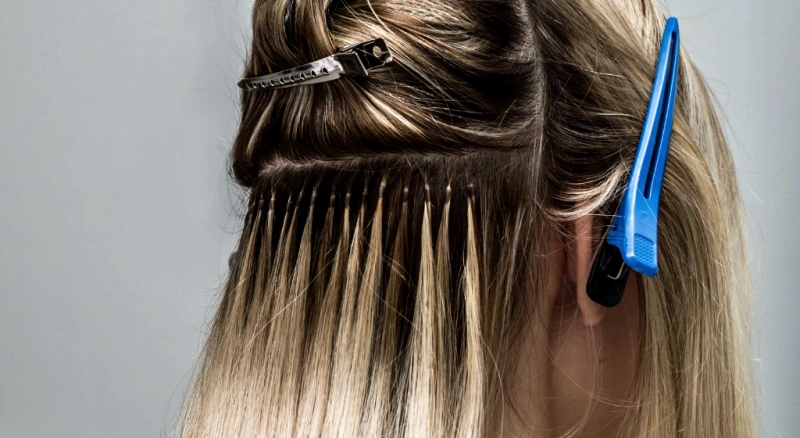
Bond extensions use small bonds made from keratin or other adhesives. A stylist attaches each strand to your natural hair, one by one. For keratin hair extensions, the stylist melts the bonds with a special tool. This creates a strong connection that lasts for weeks.
Here’s how the process compares to other hair extensions:
Bond extensions take longer to apply—usually three to four hours. You need a skilled stylist for the best results.
The bonds sit close to your scalp and move naturally with your hair.
Unlike clip-ins or sew-ins, you can’t remove these extensions at home. You need a professional for safe removal.
Alpha’s bonds are designed to be gentle on your hair. The extensions blend seamlessly, so no one can tell you’re wearing them. You can curl, straighten, or even color your hair extensions just like your own hair. With the right care, your extensions can last up to two years.
Tip: Always ask your stylist about the best way to care for your bonds. Good maintenance keeps your hair extensions looking fresh and healthy.
Are Bond Extensions Bad for Your Hair?
Expert Opinions on Hair Extensions
You probably ask yourself, are bond extensions bad for your hair? Experts agree that the answer depends on how you use them. Most hair professionals say that when you get bonded extensions applied by a trained stylist and follow the right care routine, you can enjoy longer, fuller hair without damaging your hair.
The key is to make sure the bonds are attached and removed properly. If you skip these steps or try to do it yourself, you risk damaging your hair.
Let’s look at what science says about bond extensions and hair health. Here’s a quick table that sums up the main findings:
Evidence Type | Description |
|---|---|
Keratin Compatibility | The keratin in bonds matches your natural hair, so it stays flexible and gentle on your scalp. |
Tension and Hair Loss | Too much tension from tight bonds can cause hair loss, especially if not applied correctly. |
Keratin Safety | Keratin is safe for your skin and does not irritate. |
Application Technique | Most damage comes from poor application, not the extensions themselves. |
Suitability for Fine Hair | Keratin bonds work well for delicate hair when a pro applies them. |
Overall Safety | With proper care, keratin bond extensions are among the safest ways to add length and volume. |
You see, the real risk of damaging your hair comes from mistakes during application or removal. If you pull too hard or use the wrong tools, you can break your hair or weaken the roots. That’s why you should always trust a professional.
Alpha’s bonding hair extensions use premium Remy human hair. This means the cuticles stay intact, so the hair feels soft and blends perfectly with your own. The bonds are lightweight and designed to move naturally with your hair. You get a natural look and less risk of damage, as long as you follow the right steps.
Some people worry about the materials in bond extensions. Keratin is the most common. It’s gentle and safe for most people. Still, if you have curly or wavy hair, you need to keep your hair moisturized. Bonds can sometimes cause dryness, especially if you already have dry hair.
If you want to avoid any risk of damaging your hair, you might consider other options like clip-in extensions, which are less likely to cause problems.
Experts also compare different types of hair extensions. Here’s how they rate the risk of hair damage:
Extension Type | Risk of Hair Damage |
|---|---|
Keratin Bond Extensions | Moderate to High |
Clip-in Extensions | Least Damaging |
Tape-in Extensions | Relatively Safe |
So, are bond extensions bad for your hair? Not if you use them the right way. You need to choose high-quality hair, like Alpha’s Remy human hair, and always get help from a skilled stylist. This way, you lower the chance of damaging your hair and enjoy beautiful results.
Common Misconceptions
You might hear a lot of myths about hair extensions and bonds. Let’s clear up some of the most common ones:
Many people believe that hair extensions always cause damage. In reality, if you care for your hair and get the bonds applied by a professional, you can wear extensions without damaging your hair.
Some think that extensions look fake or unnatural. High-quality extensions, like those from Alpha, blend so well with your hair that no one can tell the difference.
Tip: If you want to avoid damaging your hair, always follow your stylist’s advice and use gentle products. Never pull or tug at your bonds.
Are bond extensions bad for your hair? The answer depends on how you use them. If you choose quality hair, trust a professional, and care for your bonds, you can enjoy longer, fuller hair without worrying about damage.
Alpha’s commitment to premium Remy human hair and safe application helps you get the look you want while protecting your hair.
Bond Extensions and Hair Damage
Risks of Damaging Your Hair
When you think about getting bond extensions, you probably worry about hair extension damage. You want longer, fuller hair, but you don’t want to damage your hair in the process. It’s smart to know what can go wrong and how keratin bonds can damage your hair if you’re not careful.
Here are some of the main risks you should watch out for:
Breaking hair can happen if the keratin bonds are applied too tightly or if you pull on your extensions. This puts stress on your hair follicles and can lead to breakage.
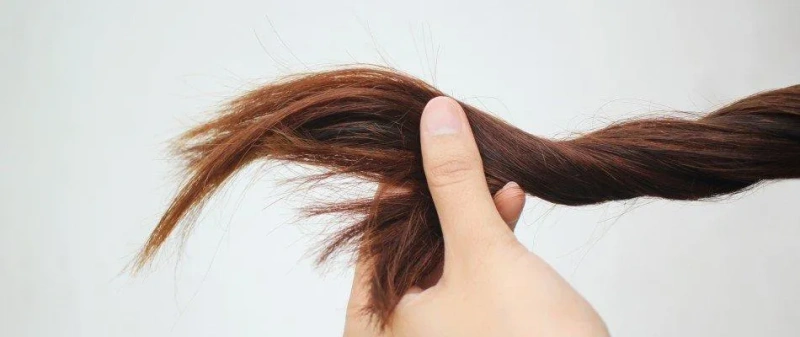
The bonds can sometimes damage the scales on your hair, which leads to frizz and loss of protein from the cuticle layer. This makes your hair look dull and feel rough.
If your stylist uses a hot iron that’s too hot, you might get painful burns. The heat can melt the keratin bonds and damage your hair cuticles.
The damaging effects of chemical treatments, like coloring or perming, can make your hair weaker. If you use chemical products on your extensions, you risk more breakage and hair extension damage.
If you have curly or wavy hair, you might notice water loss. This can cause dehydration and dryness, making your hair more likely to break.
You also need to think about how often you get your extensions adjusted. If you leave them in too long or skip regular maintenance, you risk traction alopecia and breakage. You should visit your stylist every 6-8 weeks to move the bonds and keep your hair healthy.
A trained professional knows how to install and remove extensions safely, which lowers the risk of hair extension damage.
Tip: Always ask your stylist about the safest way to care for your keratin bonds. Good aftercare helps you avoid damage and keeps your hair looking its best.
Factors Affecting Hair Health
Not everyone’s hair reacts the same way to bond extensions. Some people have strong, healthy hair that can handle the extra weight. Others have fine or fragile hair that needs more care. Several factors can affect how likely you are to experience hair extension damage.
Here’s a table that breaks down the main factors:
Factor | Description |
|---|---|
Hair Type | Different hair types react differently to extensions. Fine or high-porosity hair is more at risk of hair extension damage. |
Scalp Health | A dry or unhealthy scalp can make damage from extensions worse. |
Extension Quality | Cheap extensions can tangle and pull, which increases the risk of hair extension damage. |
Installation Techniques | Over-tight braids and poor sectioning can put extra stress on your hair and cause damage. |
Maintenance Practices | If you neglect aftercare or leave bonds in too long, you risk more hair extension damage. |
You should always choose high-quality keratin extensions. The quality of the keratin and the hair makes a big difference. Cheap products can cause tangling and pulling, which leads to more damage. If you have a dry scalp, you might notice more irritation or even more hair extension damage.
Over-tight bonds or poor sectioning can also stress your hair and cause breakage.
If you want to keep healthy hair, pay attention to your maintenance routine. Use gentle products, avoid harsh chemical treatments, and never pull on your extensions. Regular check-ins with your stylist help you spot early signs of damage and fix problems before they get worse.
Note: Healthy hair starts with good habits. Take care of your scalp, use quality keratin extensions, and follow your stylist’s advice to avoid hair extension damage.
Bonded Hair Extensions Pros and Cons
Benefits of Alpha Bonding Hair Extension
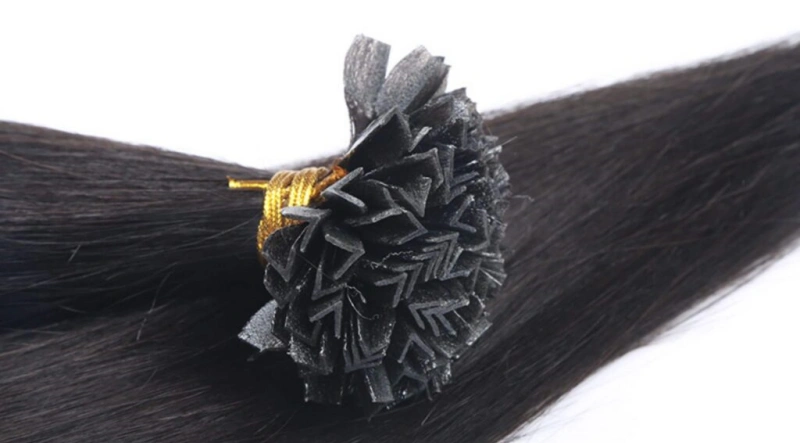
You want hair that looks full and natural. Alpha bonding hair extensions can help you get there. These extensions use high-quality Remy human hair, so you get a soft and realistic look. The bonds blend right into your own hair. You can style, curl, or even color your extensions just like your natural hair.
The extensions stay secure and comfortable, so you can wear them every day without worry.
Here are some reasons you might love Alpha bonding hair extensions:
The bonds sit flat and feel lightweight, so you don’t feel bulky hair on your scalp.
You can choose from many colors and lengths to match your style.
The extensions last up to two years with good care, making them a smart investment.
You get a seamless blend, so no one can tell you’re wearing extensions.
The hair resists tangling and stays soft, even after many washes.
Tip: If you want a long-lasting change, Alpha’s bonding hair extensions give you the freedom to try new looks without damaging your natural hair.
Drawbacks and Risks
You should know about the possible drawbacks before you decide on bond extensions. The process takes time. You might spend three to four hours at the salon for the first application. Only a professional should apply and remove the bonds. If you try to do it yourself, you risk damaging your hair.
Here are some common drawbacks and risks:
The application takes several hours and needs a skilled stylist.
You must return to the salon every few months for removal and reapplication.
If you expose the bonds to high heat, you can weaken them.
Some people feel itching or headaches while getting used to the extensions.
Without proper care, you might see breakage or dryness in your hair.
You need to follow a good maintenance routine. Avoid pulling or tugging on the bonds. Use gentle products and check in with your stylist if you notice any problems. When you take care of your hair extensions, you can enjoy beautiful, healthy hair for months.
Preventing Hair Damage
Safe Application Tips
You want your hair to look its best, so safe application matters. When you get keratin bond extensions, always choose a skilled stylist. They know how to use the right amount of keratin for each strand. Too much keratin can make your hair feel stiff, while too little can cause the bonds to slip.
Your stylist should keep the bonds about 1 cm away from your scalp. This helps prevent irritation and keeps your hair comfortable. Always ask for a patch test if you have sensitive skin. Before starting, your stylist should check the heat on their iron and never let it go above 350°F.
These steps protect your hair and make the extensions last longer.
Maintenance and Aftercare
Proper care techniques keep your hair healthy and your extensions looking great. Brush your hair gently with a soft-bristled brush, starting at the ends and working up. Wash your hair with a sulfate-free shampoo and conditioner. Avoid using heat tools on the keratin bonds.
Tie your hair back or braid it loosely before bed to stop tangling. Always dry your hair fully after washing, but never rub it with a towel. Book regular maintenance appointments so your stylist can adjust the bonds as your hair grows.
Good maintenance means your hair stays strong and your extensions last longer. If you want to know how to avoid keratin bond problems, follow these care tips every day.
Signs of Hair Damage
You need to watch for early signs of damage after getting keratin extensions. Here’s a quick table to help you spot problems:
Sign of Damage | Description |
|---|---|
Scalp Pain or Irritation | Pain, redness, itching, or burning near the extension bonds |
Broken Hair Around the Hairline | Short, broken, or frayed strands near your temples or forehead |
Thinning or Receding Hairline | Less dense hair or patchy areas at the front or sides |
Bald Spots or Thin Patches | Areas of reduced hair density near where the extensions attach |
If you notice any of these, talk to your stylist right away. What can you do if you already have keratin bonds and see damage? Remove the extensions and focus on gentle care until your hair recovers. Regular maintenance and proper care help you avoid these issues and support healthy hair growth.
Alternatives to Bond Extensions
Other Hair Extension Methods
You have many choices if you want to add length or volume to your hair without using keratin bonds. Some methods work better for certain hair types or lifestyles. Let’s look at a few popular options:
Tape-in hair extensions: These use thin strips of adhesive to sandwich your natural hair. They feel lightweight and blend well. If you have thin hair, you might want to ask your stylist if tape-ins are right for you.
Keratin fusions: This method uses microbonds that are smaller and lighter than traditional bonds. You get a natural look with less discomfort. Many people like this option because it feels gentle on the hair.
Sew-in hair extensions: Your stylist braids your natural hair and then sews the extensions onto the braids. This method can be less damaging if your stylist uses quality materials and proper technique.
Micro-link extensions: These use tiny metal beads to attach the extensions to your hair. No heat or glue is needed. Your hair moves naturally, and you avoid the risk of heat damage from keratin bonds.
Clip-in extensions: You can add these to your hair for a quick change. They are easy to remove and cause little stress on your hair.
Here’s a quick table to help you compare:
Extension Type | Pros | Cons |
|---|---|---|
Clip-In Extensions | Instant change, low risk, easy removal | Must remove nightly, can tug at roots |
Micro-Link Extensions | No damage, invisible, natural movement | Needs a skilled stylist |
Bonded Extensions | Seamless, long-lasting, low daily effort | Higher cost, needs careful maintenance |
Tip: Tape-in, clip-in, and micro-link extensions are usually less damaging than keratin bonds if you use them the right way.
Expert Recommendations
You want to protect your hair and still enjoy the benefits of extensions. Hair care professionals often suggest these safer options:
Clip-in extensions are the least damaging. You can use them for special occasions or whenever you want a new look.
Tape-in extensions work well for longer-term wear. Ask a professional to apply them for the best results.
Micro-link extensions let your hair move naturally and avoid heat from keratin bonds.
If you have concerns about keratin or want to avoid heat, talk to your stylist. They can help you pick the best method for your hair type and lifestyle. Remember, every head of hair is unique. You deserve a solution that keeps your hair healthy and beautiful.
Note: No matter which method you choose, always follow your stylist’s advice and keep up with regular maintenance. Healthy hair starts with smart choices.
Conclusion
You can enjoy bond extensions without risking your hair if you follow expert advice. Alpha stands out by using 100% Remy human hair and ethical sourcing. To keep your hair healthy, try these tips:
Brush your hair gently every day.
Wash with sulfate-free shampoo and avoid conditioner near the bonds.
Dry your hair fully after washing.
Schedule regular salon visits for maintenance.
Maintenance Aspect | Recommendation |
|---|---|
Sleeping | Tie hair in a loose braid and use a silk pillowcase |
Always talk to a stylist before choosing extensions. If you want alternatives, ask about tape-ins or clip-ins. Healthy hair starts with smart choices.
FAQ
How long do bond extensions last in your hair?
You can expect bond extensions to last about 6 to 8 weeks in your hair with good care. If you follow your stylist’s advice, you’ll keep your hair looking fresh and healthy for longer.
Can you style your hair with bond extensions?
Yes! You can curl, straighten, or blow-dry your hair with bond extensions. Just use heat tools carefully and avoid direct heat on the bonds. This keeps your hair and extensions in great shape.
Will bond extensions damage my natural hair?
If you get a professional to apply and remove your extensions, your hair stays safe. Most damage happens when you pull or use the wrong products. Always follow aftercare tips to protect your hair.
How do you wash your hair with bond extensions?
Wash your hair with a sulfate-free shampoo. Gently massage your scalp and avoid rubbing the bonds. Always dry your hair fully after washing to prevent tangling and keep your hair healthy.
Can you color your hair with bond extensions?
You can color your hair, but let a professional handle it. DIY coloring can weaken the bonds or damage your hair. Ask your stylist for the best way to update your hair color safely.