
You might wonder about the real difference between wigs and hairpieces like toupees. Wigs cover your entire scalp, while hairpieces add volume or coverage to specific areas. Many people turn to hair solutions because hair loss can bring sadness, anxiety, or even anger.
Others just want to boost confidence and improve appearance. Whether you’re comparing wigs vs hairpieces for coverage or style, Alpha offers premium, customizable options to fit your needs.
Key Takeaways
Wigs provide full scalp coverage, making them ideal for complete hair loss or dramatic style changes.
Hairpieces target specific areas, offering a natural look while blending with your existing hair.
Consider your lifestyle when choosing: wigs are convenient for quick changes, while hairpieces require more styling.
Human hair wigs offer a natural feel and can be styled, while synthetic wigs are easier to maintain but less durable.
Consult experts for personalized advice to find the best wig or hairpiece that fits your needs and preferences.
Wigs vs Hairpieces: Key Differences
Wig Definition and Coverage
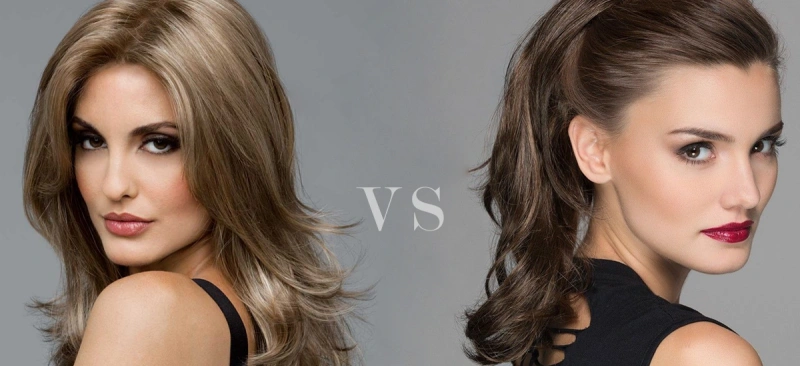
When you think about hairpieces and wigs, the first thing you notice is how much of your head they cover. Wigs give you full scalp coverage. You put one on, and it instantly covers your entire head, no matter how much hair you have underneath.
This makes wigs a great choice if you want a dramatic change or need a solution for complete hair loss. Wigs have been around for centuries, and people use them for fashion, medical reasons, or even theater.
Wigs come in many styles, lengths, and colors. You can switch up your look in seconds. If you’re dealing with total hair loss, a wig can help restore your confidence and give you a natural look.
Many people find that wearing a wig helps them feel more like themselves, especially during tough times like medical treatments.
Hairpiece and Toupee Coverage
Hairpieces and toupees work differently. Instead of covering your whole head, they target specific areas. Maybe you have thinning hair on the crown or a receding hairline.
A hairpiece or toupee can add volume right where you need it. These solutions blend with your existing hair, giving you a natural-looking appearance without the need to cover everything.
You’ll find that hairpieces and wigs come in all shapes and sizes. Toupees are usually small and designed for men, but anyone can use a hairpiece to fill in thin spots.
They attach with clips, adhesives, or combs, so you can wear them just where you want. If you want to keep most of your natural hair visible, a hairpiece is a flexible option.
Here’s a quick look at how coverage differs:
Type | Coverage Area |
|---|---|
Wig | Full scalp |
Hairpiece | Partial or targeted coverage |
Toupee | Partial, usually top/crown |
Main Distinctions
So, what’s the real difference between a wig and a hairpiece? It comes down to coverage, construction, and how you use them in daily life. Wigs vs hairpieces offer different benefits depending on your needs.
Wigs provide full head coverage, making them ideal for complete hair loss or when you want a totally new style.
Hairpieces and toupees focus on specific areas, perfect for adding volume or covering bald spots.
Wigs often have more complex construction, with options for lace fronts, monofilament tops, and adjustable straps.
Hairpieces and wigs both offer a natural look, but hairpieces blend with your own hair for a seamless finish.
Wigs vs hairpieces also differ in comfort. Hairpieces are lighter and less restrictive, while wigs can sometimes feel snug if not fitted properly.
Let’s break down the main differences between a wig and a hairpiece:
Feature | Wigs | Hairpieces/Toupees |
|---|---|---|
Coverage | Full head | Specific areas (crown, thinning) |
Design | Diverse styles and lengths | Simpler, blends with own hair |
Comfort | Can feel snug or warm | Lighter, more breathable |
Appearance | Complete style change | Natural appearance with your hair |
Lifestyle Fit | Great for bold changes | Flexible, easy for daily wear |
Tip: If you want a natural-looking appearance and flexibility, hairpieces and wigs both have options. Think about your lifestyle and how much coverage you need before choosing.
Wigs vs hairpieces is not just about coverage. It’s about how you want to look and feel every day. Some people love the freedom of changing their style with a wig. Others prefer the subtle boost from a hairpiece that keeps their natural look.
When you understand the difference between a wig and a hairpiece, you can pick the best solution for your needs.
Materials and Construction in Wigs and Hairpieces
Human Hair vs Synthetic
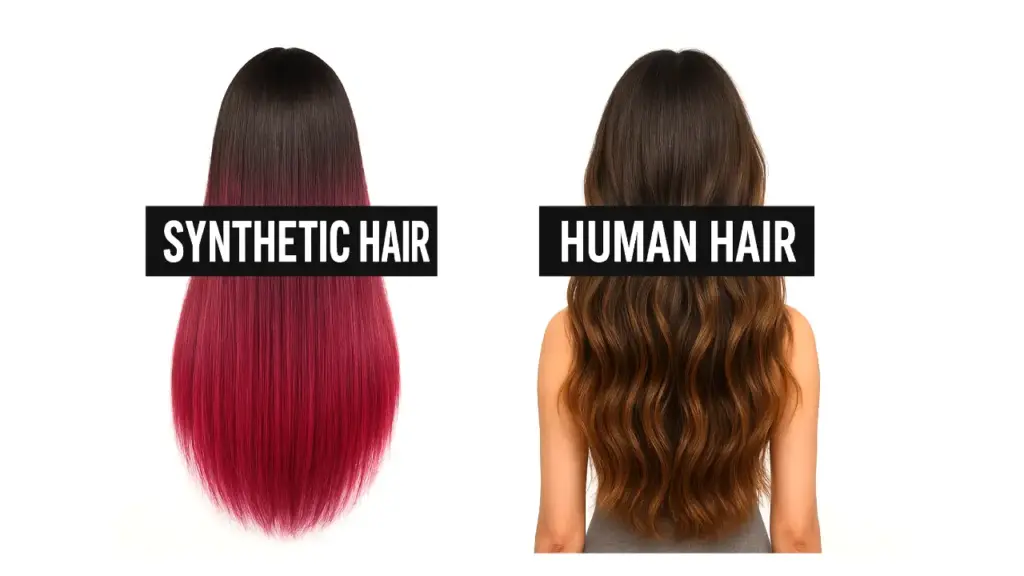
When you look at wigs and hairpieces, the choice of material makes a big difference. Human hair wigs give you a natural look and feel. You can style them with heat tools, wash them, and even dye them. They last up to a year or more if you take care of them.
Synthetic wigs, on the other hand, are made from artificial fibers. They keep their shape and style with little effort, but you can’t use heat tools or change their color. Synthetic wigs usually last between four and six months. You might find them easier to maintain, but they don’t offer the same flexibility or durability as human hair.
If you want a wig that looks and feels just like your own hair, human hair is the top choice. Synthetic wigs are great for quick changes and low maintenance, but they don’t last as long.
Attachment Methods
You have several ways to secure wigs and hairpieces. Wigs often come with adjustable straps, combs, or clips. Some designs let you wear them without extra attachments. Hairpieces and toupees use adhesives, tapes, or bonding agents. Liquid bonding adhesive gives a strong hold for toupees.
Clips and sticky tapes make it easy to put on and take off your hairpiece. These methods let you move freely and feel confident during daily activities.
Adjustable straps and combs work well for wigs.
Adhesives and tapes are common for hairpieces and toupees.
Clips offer quick and easy attachment.
Alpha’s Quality Standards
Alpha sets high standards for every wig and hairpiece. You get options for color customization, from pastel gradients to bold ombrés. Size and fit adjustments make sure your wig feels comfortable all day. You can pick from different styles and lengths, whether you want a short bob or long waves.
Alpha offers texture variations, including straight, wavy, curly, or kinky, so you can match your personal style.
Customization Aspect | Description |
|---|---|
Color Customization | Options range from pastel gradients to bold ombrés, allowing for unique personal expression. |
Size & Fit Adjustments | Tailoring wigs to specific head measurements ensures a comfortable fit for all users. |
Style & Length Options | Availability of various lengths and cuts caters to niche markets like cosplay and fashion. |
Texture Variations | Options include straight, wavy, curly, or kinky textures to meet diverse aesthetic preferences. |
Alpha uses 100% Remy human hair for its products. This ensures softness, durability, and seamless blending. You can customize your wig or hairpiece to fit your needs and lifestyle.
Uses and Indications for Wigs and Hairpieces
Medical and Cosmetic Uses
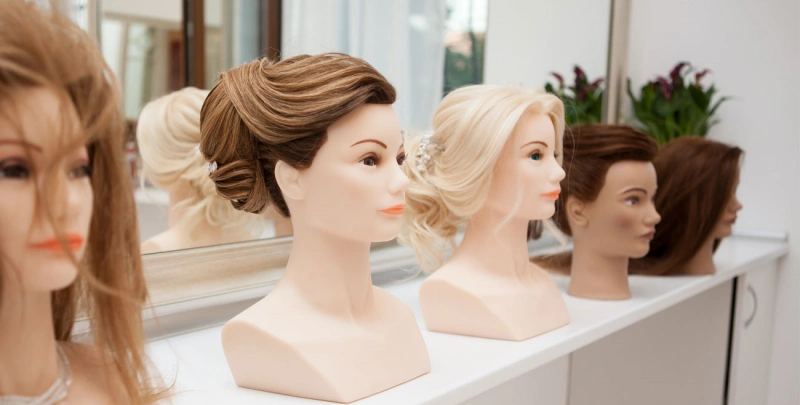
You might turn to wigs or hairpieces for many reasons. Medical conditions often cause hair loss, which can feel overwhelming. Here’s a quick look at some common causes:
Medical Condition | Type of Hair Loss | Notes |
|---|---|---|
Cancer treatments | Temporary | Chemotherapy often leads to hair loss. |
Alopecia areata | Temporary/Permanent | Alopecia can be short-term or last a lifetime. |
Hormonal shifts | Temporary | Changes in hormones may trigger thinning hair. |
Autoimmune diseases | Permanent | Lupus and similar illnesses can cause lasting hair loss. |
Androgenetic alopecia | Permanent | Known as male or female pattern baldness. |
Cicatricial alopecia | Permanent | Scarring conditions that damage hair follicles. |
You may notice that alopecia appears several times. This condition affects people of all ages and can lead to total hair loss or just thinning. Many people also experience hair loss from cancer treatments or autoimmune diseases. These changes can impact how you see yourself and how confident you feel.
Wigs and hairpieces also help with cosmetic needs. Maybe you want to try a new style without cutting your own hair. You might want to protect your natural hair from heat or chemicals.
Some people use wigs to save time on daily styling or to fill in thinning hair. Hairpieces and toupees can help with covering bald spots or adding volume where you need it most.
Wigs and hairpieces offer a simple way to boost your confidence and try new looks, whether you face medical hair loss or just want a change.
Who Benefits Most from Each Option?
You might wonder which solution fits your needs best. If you have extensive hair loss or total hair loss, a wig gives you full coverage and a fresh start. Wigs work well for people with alopecia, those going through chemotherapy, or anyone who wants a dramatic change.
Hairpieces and toupees suit you if you want to fill in thinning hair or target specific areas. They blend with your natural hair and work well for both men and women. If you have androgenetic alopecia or just a small patch of thinning, hairpieces make the hair replacement process easy and natural.
Here are some people who benefit most from different types of hair replacement options:
You want to cover thinning hair or bald spots.
You need a quick fix for thinning at the crown or hairline.
You want to experiment with styles without commitment.
You seek a boost in self-esteem after hair loss.
Hairpieces let you keep your natural hair visible while adding fullness. Wigs give you a complete transformation. Both options help you feel more like yourself and support you through the hair replacement process.
Pros and Cons: Wigs vs Hairpieces
Wig Advantages and Disadvantages
You probably want to know what makes wigs stand out. Wigs give you complete coverage, so you can change your look in seconds. You get versatility and convenience. You can try new styles without worrying about your natural hair. Wigs also protect your scalp and boost your confidence.
On the flip side, you might find some disadvantages. Wigs can feel snug or warm. Maintenance takes time. Sometimes, the cost is higher than that of other options. You may notice that not every wig looks as realistic as you hope.
Advantages | Disadvantages |
|---|---|
Complete Coverage | Comfort |
Versatility | Maintenance |
Convenience | Cost |
Protection | Realism |
Confidence Boost |
Tip: If you want to experiment with bold styles or need full coverage, a wig gives you plenty of options.
Hairpiece and Toupee Pros and Cons
Hairpieces and toupees work differently. You use a hairpiece to cover specific areas. This makes them lighter and more breathable. Hairpieces blend with your own hair, so you keep a natural look. Toupees are usually cheaper and easier to manage than wigs.
You can wear them daily without much fuss. Still, there are disadvantages. Matching your hairpiece to your natural hair can be tricky. Poor-quality toupees may look obvious. You need to replace them regularly.
Pros:
Ideal for covering thinning spots.
More breathable and natural for partial coverage.
Cheaper and easier to use than wigs.
Blends well with your own hair.
Cons:
Matching hair type and color can be tough.
Low-quality hairpieces may look unnatural.
Regular replacement and maintenance needed.
Note: If you want a subtle boost and easy daily wear, a hairpiece or toupee might fit your lifestyle.
Comparison Table
You might still wonder how wigs and hairpieces compare side by side. Here’s a quick table to help you decide:
Feature | Wig | Hair Piece |
|---|---|---|
Coverage | Full head | Partial, specific areas |
Style Versatility | Broad range, easy to change | Limited to natural hair |
Maintenance | Less frequent styling | Needs regular blending |
You can see that wigs offer more style choices and full coverage. Hairpieces focus on blending with your own hair and covering only the spots you need.
Comfort, Maintenance, and Durability
Wearing Experience
You want your hair solution to feel good all day. Wigs and hairpieces offer different experiences when it comes to comfort and daily use. Wigs are often easier to put on and take off. You can slip one on in seconds, which makes them perfect for busy mornings.
Many wigs come with adjustable fittings and breathable materials. These features help you stay comfortable while wearing, even if you need to keep your wig on for hours.
Hairpieces work a bit differently. You usually attach them with clips or adhesives. This process can take more time and sometimes feels less convenient. You need to style your hairpiece so it blends with your natural hair.
That means you might spend extra minutes each day making sure everything looks seamless. Some people like the lighter feel of a hairpiece, but others find the attachment methods affect their routine.
Here’s how the wearing experience compares:
Wigs require less daily maintenance, making them a great choice for busy lifestyles.
Wigs are easier to put on or take off, which adds comfort for daily use.
Hairpieces need ongoing styling to blend with your own hair.
Wigs often have adjustable fittings and breathable materials for long-lasting comfort.
Hairpieces may use clips or adhesives, which can influence your daily routine.
Care and Longevity
Taking care of your wig or hairpiece helps it last longer and look better. Synthetic wigs need less maintenance. You just wash them with gentle products and avoid heat styling. Most synthetic wigs last four to six months with regular wear. High-quality synthetic wigs can last up to a year if you treat them well.
Human hair wigs require more care, just like your own hair. You wash, style, and store them properly. With good maintenance, human hair wigs can last over a year. Some even last up to three years. You need to handle them gently and store them in a safe place to prevent tangling.
Hairpieces follow similar routines. You clean them regularly and store them carefully. If you use adhesives, you need to check for buildup and clean the base. Proper care keeps your hairpiece looking natural and helps it blend with your own hair.
Here are some tips for care and longevity:
Wash wigs with appropriate products to keep them clean.
Handle and store your wig or hairpiece gently to prevent tangling.
Avoid heat on synthetic wigs, but you can heat-style human hair wigs with care.
Human hair wigs can last up to three years with proper maintenance.
Synthetic wigs last up to six months with good care.
Tip: If you want your hair solution to last, follow a regular cleaning routine and store it safely.
Cost and Accessibility
Price Comparison
You probably want to know how much you’ll spend on a wig or hairpiece. Prices can vary a lot depending on the type, material, and quality. Here’s a quick look at the average price ranges:
Item Type | Price Range |
|---|---|
Full Men’s Wig | $300 – $3000+ |
Synthetic Wig | Generally less expensive |
Toupee | $150 – $700+ |
Synthetic Toupee | Around $150 |
Human Hair Toupee | $700 or more |
Synthetic options usually cost less, but human hair pieces give you a more natural look and last longer. If you want a full wig, expect to pay more than for a toupee or partial hairpiece. Your choice depends on your needs, style, and budget.
Insurance and Funding
If you need a wig or hairpiece for medical reasons, you might qualify for help with the cost. Several programs and organizations offer free or discounted wigs to those who need them most. Here’s a handy table to guide you:
Program Name | Description | Eligibility Criteria | Link |
|---|---|---|---|
The Verma Foundation | Free cap wigs with real human hair tailored to patient preference. | Application and doctor’s note for medical need. | Visit |
American Cancer Society Free Wig Bank | Free hairpieces to cancer patients regardless of income or insurance. | Eligible for 1 wig every 12 months during active treatment. | Visit |
National Wigs for Cancer Society | Free wigs to both insured and uninsured cancer patients, funded through various means. | Based on financial need. | Visit |
TRS Care Wig Program | Helps insured cancer patients qualify for free medical wigs through insurance advocacy. | Must be an insured cancer patient. | Visit |
Tip: Always check with your insurance provider. Some plans cover part or all of the cost for medical wigs if you have a prescription.
Where to Buy: Alpha’s Solutions
You want a hair solution that looks natural and feels comfortable. Alpha offers premium wigs and hairpieces made from 100% Remy human hair. You can choose from a wide range of styles, colors, and textures. Alpha’s products stand out for their softness, durability, and seamless blending.
The Alpha Blend wig, for example, features a lace front and heat-friendly fibers for a realistic look and easy styling. You can customize your order to fit your needs, whether you want a full wig or a targeted hairpiece.
Ready to explore your options? Visit Alpha’s official website to discover high-quality, customizable hair solutions designed just for you.
Psychological and Historical Impact
Confidence and Self-Esteem
You might not realize how much your hair affects how you feel about yourself. When you lose hair, it can shake your self-esteem and make you feel less like yourself. Many people find that wearing a wig or hairpiece helps them take back control over their appearance.
You can walk into a room and feel ready to face the world again.
Wearing a wig can help you reclaim your confidence and feel more like yourself.
Some people feel uncomfortable or restricted by wigs, but others say wigs give them a big boost, especially in social or professional settings.
Hair loss often leads to emotional distress, especially for young women. Wigs can restore a sense of control and help you keep a positive body image.
For many, wigs are not just about looks. They are important for emotional well-being and self-identity. Young women, in particular, find that wigs help them stay strong and confident in social situations.
You might notice that a good hair solution does more than cover your head. It helps you feel like yourself again and gives you the courage to take on new challenges.
Historical and Cultural Context
Wigs and hairpieces have played many roles throughout history. You can see them in ancient rituals, royal courts, and even on stage. They have always been more than just fashion—they tell stories about power, culture, and identity.
Time Period/Culture | Role/Significance | Examples/Details |
|---|---|---|
Ancient Egypt | Aesthetic and hygienic purposes | Wigs made from human hair, wool, or plant fibers are used under hot desert conditions. |
16th-17th Century Europe | Symbol of aristocracy and authority | Powdered wigs were worn by men, with ceremonial wigs still used in legal systems today. |
18th Century France | Extravagance and royal fashion | Queen Marie Antoinette’s ornate wigs were adorned with feathers and jewels. |
20th Century America | Practical solution for male pattern baldness | Icons like Elvis Presley and John Travolta popularized toupees in mainstream culture. |
Orthodox Jewish Communities | Sign of modesty and privacy for married women | Married women wear wigs (sheitels) to maintain elegance while preserving privacy. |
Chinese Opera | Denote character roles, age, and social status | Elaborate wigs are used by actors to signify different roles through specific styles and colors. |
Black Communities | Integral to hair culture and creative expression | Wigs and weaves offer protection for natural hair and enable vibrant styles. |
Drag and LGBTQ+ Culture | Tools for gender exploration and empowerment | Wigs used by drag performers to enhance theatrical impact and authenticity. |
Seasonal Celebrations | Enable dramatic role-playing and fantasy personas | Wigs are central to events like Halloween and cosplay, allowing for creative expression. |
You can see that wigs and hairpieces are not just about style. They have shaped history, culture, and even how people express themselves today.
Choosing the Right Wig or Hairpiece
Assessing Hair Loss and Needs
Choosing between wigs and hairpieces starts with understanding your own hair loss. You want a solution that matches your needs, not just what looks good on a shelf. Take a close look at the pattern and extent of your hair loss.
Are you dealing with thinning at the crown, a receding hairline, or more widespread loss? The right choice depends on these details.
Here’s a simple table to help you think through the main factors:
Factor | Description |
|---|---|
Extent and Pattern of Hair Loss | Look at where and how much hair you’ve lost. This helps you decide if you need full or partial coverage. |
Lifestyle and Maintenance Preferences | Think about how much time you want to spend caring for your hair solution and how it fits into your daily routine. |
Importance of Expert Assessment | Getting advice from a specialist can make sure your wig or hairpiece fits well and looks natural. |
If you have total or near-total hair loss, wigs usually offer the best coverage and flexibility. For smaller areas, a hairpiece might blend better with your natural hair. Don’t forget to consider how much effort you want to put into daily styling and care.
Some people love the ease of a ready-to-wear wig, while others prefer the subtlety of a hairpiece that works with their own hair.
Lifestyle and Budget Fit
Your daily life plays a big role in picking the right solution. Think about your routine. Do you spend a lot of time commuting? Are you outdoors often? Do you sweat easily? Will you wear your wig all day or just for special events? These questions help you figure out what will feel comfortable and last longer.
Check your daily commute and how active you are.
Think about how much time you spend outside.
Notice if you sweat a lot during the day.
Decide if you want to wear your wig every day or only sometimes.
If you pick a wig without thinking about your lifestyle, you might end up feeling uncomfortable. Some people find that they need to replace their wig sooner than expected because it doesn’t fit their routine.
Fixing these problems later can cost more than just investing in a quality wig from the start. A hairpiece can be a great choice if you want something lighter and less noticeable for daily wear.
Budget matters, too. Wigs made from human hair cost more, but they last longer and look more natural. Synthetic options save money upfront, but you may need to replace them more often. Think about what you can spend now and how much you want to invest in the long run.
Tip: Make a list of your daily activities and budget before you shop. This helps you avoid surprises and find a solution that fits your life.
When to Consult Alpha Experts?
Sometimes, you need a little extra help to make the right choice. Alpha’s team of experts can guide you through the process and help you find a wig or hairpiece that matches your needs. You should reach out if:
You feel unsure about which style or type will work best for your hair loss.
You want a custom fit or have special requests for color, length, or texture.
You need advice on caring for your new wig or hairpiece.
You want to make sure your choice fits your health needs or works with other treatments.
Alpha’s specialists listen to your concerns and help you explore all your options. They can recommend the best wigs for full coverage or suggest a hairpiece for targeted volume. You get support from start to finish, so you feel confident in your decision.
Note: Don’t hesitate to ask for help. A quick chat with an Alpha expert can save you time, money, and stress.
Ready to take the next step? Visit Alpha’s website to connect with a consultant and discover the perfect solution for your hair needs.
Conclusion
Choosing between wigs, hairpieces, and toupees depends on your needs, comfort, and budget. Here’s a quick comparison:
Decision Factor | Toupees | Hairpieces | Wigs |
|---|---|---|---|
Coverage | Larger bald spots | Mild to moderate loss | Full head |
Maintenance | More upkeep | Easier, especially synthetic | Varies |
Comfort | Can feel bulky | Lighter, comfortable | Can be heavy |
Appearance | Blends well | Looks natural if matched | Fashionable |
Budget | More expensive | More affordable | Varies |
You get the best results when you match your hair solution to your lifestyle and preferences. Custom options from Alpha help you look and feel your best. Not sure where to start? Alpha’s experts can guide you every step of the way.
FAQ
Can I style my wig or hairpiece with heat tools?
You can style human hair wigs and hairpieces with heat tools. Synthetic options usually cannot handle heat. Always check the product label before you use a curling iron or straightener.
How do I choose the right color for my hairpiece?
Pick a shade that matches your natural hair. You can ask Alpha experts for help. They offer color customization, so you get a seamless blend and a natural look.
Will my wig or hairpiece stay secure during daily activities?
Most wigs and hairpieces use adjustable straps, clips, or adhesives. You can move, exercise, or work without worry. Choose the attachment method that feels best for you.
How often should I clean my wig or hairpiece?
You should wash your wig or hairpiece every 7–10 wears. Use gentle products. Store it safely when not in use. Regular cleaning keeps it looking fresh and natural.