
When you look for a new wig, you might see the term capless wig pop up. People also call it an open-cap or wefted wig. This type of wig uses rows of hair sewn onto thin strips, leaving spaces in between. These open wefts let air flow right through the capless wig cap, so you feel cooler and more comfortable.
Many people love capless wigs because they are lightweight, easy to wear, and simple to maintain. You might notice that capless wigs make up a good piece of the global market, though lace front and monofilament wigs lead the way.
Here’s why you might reach for a capless wig instead of other types:
Feature | Description |
|---|---|
Comfort | Capless wigs are more comfortable to wear than cap wigs due to their design. |
Breathability | Vertical lace strips allow air to flow through, making them ideal for hot climates. |
Lightweight | The construction of capless wigs makes them significantly lighter than traditional cap wigs. |
Natural Look | The open-weft construction allows hair to move freely, mimicking natural hair’s appearance. |
Scalp Comfort | Open-weft construction provides excellent scalp comfort and prevents excessive heat and sweat. |
Ease of Maintenance | Capless wigs are generally easier to maintain compared to traditional wigs. |
Key Takeaways
Capless wigs are lightweight and breathable, making them ideal for warm climates and long wear.
The open-weft design allows for better air circulation, keeping your scalp cool and comfortable.
Capless wigs are easy to maintain, requiring less effort for washing and styling compared to traditional wigs.
Customization options are available, allowing you to choose length, color, and texture to match your personal style.
While capless wigs offer comfort and affordability, they may not provide the same realistic appearance as lace front wigs.
Capless Wig Basics
What is a Capless Wig?
You might hear capless wigs called open-cap wigs or even hoodless wigs. These names all point to the same thing—a wig that feels light and airy. Capless wigs stand out because they use an open-weft construction. This means rows of hair are sewn onto thin strips, leaving spaces between them.
You get a wig that lets air flow through, so your scalp stays cool. Many people in the wig industry love capless wigs for their comfort and breathability. If you want a wig that feels less bulky and more comfortable, capless wigs could be your best bet.
Tip: If you live in a warm climate or plan to wear your wig for long hours, capless wigs can help you avoid heat and sweat.
Capless Wig Construction
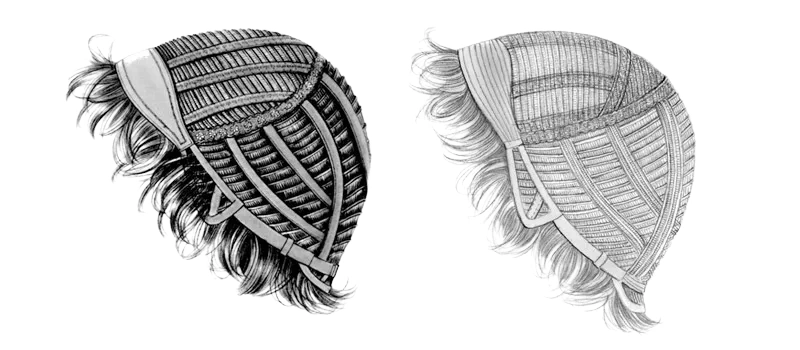
Capless wig construction uses open wefts, which are sections of hair sewn onto thin strips of elastic. This design creates open spaces that let air circulate. You will find that most capless wigs are machine-made.
The base uses thin elastic strips, and the hair—either synthetic or human—is attached in long wefts. This construction makes the wig lightweight and easy to wear.
Here’s a quick look at how capless wig construction works:
The base uses thin elastic strips.
Hair is sewn onto these strips in wefts.
Open spaces between the wefts allow for ventilation.
The wig feels lighter and more comfortable than traditional cap wigs.
Feature | Description |
|---|---|
Construction Type | Open-weft (capless) |
Materials Used | Thin strips of elastic for the base, and wefts of hair sewn onto the base |
Benefits | Lightweight, breathable, enhances airflow, comfortable to wear |
You will notice that capless wigs are easier to maintain. The open-weft construction lets you wash and dry your wig quickly. If you want a wig that saves you time and effort, capless wigs make a great choice.
What Does a Capless Wig Look Like?
Capless wigs have a unique look because of their construction. When you pick up a capless wig, you can see the open spaces between the wefts. The hair moves freely, which helps mimic the way natural hair falls. From a distance, capless wigs look quite natural.
The open-weft construction allows the hair to flow and bounce, giving you a lively appearance.
If you compare capless wigs to other types, you will notice some differences. Traditional cap wigs have a solid cap, which gives more styling security. Lace wigs and monofilament wigs offer a scalp-like appearance and more styling options.
Capless wigs focus on comfort and breathability, so they may not look as realistic up close.
Do Capless Wigs Look Natural?

You might wonder if capless wigs can fool anyone into thinking you have real hair. The answer depends on how you wear your wig and what you expect. Capless wigs can look natural from a distance, especially if you choose the right color and style. The open-weft construction lets the hair move, which helps with realism.
Let’s compare the realism of different wig types:
Wig Type | Realism and Natural Appearance |
|---|---|
Capless Wigs | May look natural from a distance but appear artificial up close due to a lack of scalp mimicry. |
Monofilament Wigs | Offer a realistic appearance with hand-tied fibers that mimic natural hair growth and allow versatile parting. |
Lace Wigs | Provide a natural-looking hairline and are suitable for various hairstyles, enhancing realism. |
Some users say capless wigs give a natural look, but others notice the difference when they get close. You might find that the hairline does not look as realistic as lace wigs. If realism matters most to you, lace wigs or monofilament wigs might be better. Still, capless wigs offer a good balance between comfort and appearance.
Note: You can boost the realism of your capless wig by choosing a style that matches your natural hair and using accessories like headbands or scarves.
If you want a wig that feels comfortable and looks good for everyday wear, capless wigs are a smart option. You get a lightweight construction, easy maintenance, and a natural look that works for most situations.
Structure and Materials of Capless Wigs
Open Weft Design
When you look at a capless wig, you will notice rows of hair sewn onto thin strips with open spaces in between. This open weft design is what makes capless wigs stand out from other wigs. The spaces between the wefts let air move freely, which gives you great ventilation and breathability.
You will feel cooler and more comfortable, especially if you wear your wig for long hours or live in a warm place. The open-weft structure also makes the wig lighter and helps it fit snugly to your head.
Here’s a quick comparison between open weft and closed cap designs:
Feature | Open Weft Design | Closed Cap Design |
|---|---|---|
Structure | Rows of wefts with open spaces | Solid structure, no open spaces |
Breathability | High, allows for ventilation | Low, prevents airflow |
Weight | Lightweight and comfortable | Heavier due to solid construction |
Coverage | Less coverage, best for those with hair | More coverage, good for thin/no hair |
Tip: If you want a wig that feels light and keeps your scalp cool, capless wigs are a great choice.
Materials: Synthetic vs. Human Hair
You can find capless wigs made from synthetic fibers or real human hair. Each type has its own benefits and drawbacks. Synthetic wigs use artificial fibers and are usually ready to wear right out of the box.
They need very little care, but you should avoid heat styling. Human hair capless wigs look and feel more natural. You can style them with heat tools, but they need more care and cost more.
Check out this table to see the main differences:
Aspect | Synthetic Wigs | Human Hair Capless Wigs |
|---|---|---|
Material | 100% artificial fibers | Natural human hair |
Maintenance | Very low maintenance | Needs proper care |
Styling | No heat styling recommended | Can use heat tools |
Durability | Lasts 3–6 months | Lasts 2.5 to 3.5 years |
Comfort | Lightweight, breathable | Lightweight, breathable |
Cost | Lower cost | Higher cost |
Best Use | Short-term, ready-to-wear | Long-term with good care |
Customization Options
You have lots of choices when it comes to customizing your capless wig. Many brands let you pick the length, color, and texture that fit your style. You can choose from short, medium, or long wigs, and there are many shades from natural to bold colors.
Some capless wigs come with adjustable straps or bands, so you can get a secure fit for your head size.
Choose your preferred length: short, medium, or long.
Pick from a wide range of colors, from natural to fashion shades.
Select the hair texture you like, such as straight, wavy, or curly.
Adjust the fit with straps or bands for comfort.
If you want a wig that matches your personality and needs, capless wigs give you plenty of options. You can find a style that feels just right for you.
Advantages and Disadvantages of Capless Wigs
Advantages of Capless Wigs

When you think about the benefits of capless wigs, you’ll notice they stand out for their comfort and practicality. Many people choose a capless wig because it feels comfortable to wear, even for long hours. The open weft structure gives you a breathable design, so your scalp stays cool and dry.
If you live in a warm place or plan to wear your wig all day, this feature makes a big difference.
Here’s a table that sums up the most popular benefits people mention in reviews and expert opinions:
Advantage | Description |
|---|---|
Comfort | Feels as comfortable as a hat, so you can wear it all day without discomfort. |
Breathability | The open weft design lets air flow, keeping your scalp cool and comfortable. |
Lightweight Design | Much lighter than traditional wigs, which helps if you wear your wig for hours. |
Flexible Styling Options | Lets you switch up your look easily, from casual to formal styles. |
Usually costs $150 or less, so you can buy more than one for different looks. | |
Easy to Wear | Comes pre-styled, so you can put it on quickly without glue or fuss. |
You’ll also find that capless wigs are easy to maintain. You can wash and dry them quickly, which saves you time. The lightweight feel means less pressure on your scalp, so you stay comfortable wearing your wig all day.
If you have a sensitive scalp, the breathable design and soft materials help prevent irritation and keep you feeling good.
Other benefits include:
Capless wigs are the most common and affordable type, so you have lots of choices.
The breathable design works well if you want a wig that feels light and cool.
You get a natural appearance from the way the hair moves and falls, even if the hairline isn’t as realistic as lace wigs.
Tip: If you want a wig that is easy to maintain, lightweight, and comfortable to wear, a capless wig is a smart pick.
Disadvantages of Capless Wigs
While capless wigs offer many benefits, you should also know about the drawbacks. Some users notice that the open design does not always give a secure fit. If you’re outside on a windy day, your wig might shift or feel less stable. The fixed weft structure also limits your styling options.
You can’t part the hair in many directions, and you might not get the natural hairline you want.
Here’s a table that highlights the most common drawbacks:
Disadvantage | Description |
|---|---|
Less secure fit | The open design may not hold as firmly, especially in windy conditions. |
Minimal styling options | The fixed weft structure limits how you can part and style the hair. |
You might also notice that capless wigs do not last as long as traditional cap wigs. The hair attaches to thin strips, so these connection points can wear out faster. If you want a wig that lasts for years, you may want to look at other types.
Check out how durability compares:
Wig Type | Durability Description | Longevity Range |
|---|---|---|
Cap Wigs | Stronger structure, less shedding, keeps density longer. | 12-24 months |
Capless Wigs | Shows wear faster, especially at the weft connections. | Shorter than cap wigs |
Other drawbacks include:
Capless wigs may not give you full coverage if you have little or no hair underneath.
The breathable design can sometimes show the wefts if the hair moves too much.
You might not get the same natural look up close as you would with lace front wigs.
Note: If you want a wig with a very natural hairline or lots of styling options, you may want to try lace front or monofilament wigs.
Who Should Choose Capless Wigs?
Capless wigs work best for people who want comfort, breathability, and affordability. If you have a sensitive scalp or want a wig that feels lightweight, you’ll love the benefits of this design. The breathable design keeps your scalp cool, which helps if you wear your wig for long periods or live in a hot climate.
Here are some tips to help you decide if a capless wig is right for you:
You want a wig that is lightweight and comfortable to wear all day.
You have a sensitive scalp and need a breathable design to prevent irritation.
You want a wig that is easy to maintain and quick to put on.
You don’t need a super realistic, natural hairline or lots of advanced styling options.
You want to save money and maybe buy more than one wig for different looks.
If you have specific scalp conditions, look for capless wigs made from soft, hypoallergenic materials. Human hair options can feel softer and allow better airflow than some synthetic wigs. Avoid rough fabrics that might cause discomfort.
Callout: Capless wigs are a great choice if you want a natural appearance, comfort, and a budget-friendly option for everyday wear.
You can enjoy the advantages of capless wigs if you value breathability, a lightweight feel, and easy styling. Just remember the drawbacks, like limited styling and durability, before you make your choice.
Capless Wigs vs Other Wigs
Capless Wigs vs Cap Wigs
You might wonder how capless wigs stack up against traditional cap wigs. The main difference lies in the structure. Cap wigs use a solid cap that covers your entire scalp, while capless wigs feature an open-weft design. This makes capless wigs lighter and more breathable.
You’ll notice that cap wigs offer full coverage, which works well if you have little or no hair underneath. Capless wigs may expose your scalp in some spots, but they feel much cooler.
Here’s a quick comparison:
Feature | Cap Wigs | Capless Wigs |
|---|---|---|
Structure | Solid cap structure with individual hair strands | Open structure for breathability |
Coverage | Full coverage, ideal for complete hair loss | Less coverage may expose the scalp |
Comfort | Secure fit, may feel heavier | Lightweight and breathable |
Styling Versatility | High, can be styled like natural hair | Limited, certain styles may be challenging |
Price | Generally more expensive | Usually more affordable |
Maintenance | More complex due to solid structure | Easier to clean and manage |
Cap wigs let you style your wig in many ways, including updos and braids. Capless wigs work best for casual, down styles.
Capless vs Lace Front Wigs
If you’re looking for a lace wig, you’ll see lace front wigs and capless wigs as popular choices. Lace front wigs create a natural hairline, so your wig blends in seamlessly. Capless wigs focus on comfort and vibrant colors. Lace wigs offer more styling flexibility, but they require adhesives and careful maintenance.
Let’s break it down:
Feature | Lace Front Wigs | Capless Wigs |
|---|---|---|
Appearance | Natural hairline, seamless transition | Lightweight, vibrant colors |
Styling Flexibility | High can be styled in various ways | Low, more casual styles |
Comfort | Moderate, requires adhesive for a secure fit | High, breathable, and easy to wear |
Ideal Use | Formal events, everyday glam | Casual wear, parties, Halloween |
Target Audience | Fashionistas, individuals seeking realism | Beginners, those valuing comfort and affordability |
You’ll find capless wigs are easier to maintain and more affordable. Lace wigs suit those who want a realistic look and advanced styling.
Tip: Capless wigs are perfect for hot climates and sensitive scalps. Lace wigs work best if you want a natural hairline and versatile styling.
Choosing the Right Wig Type
Picking the right wig depends on your needs. Ask yourself what matters most—comfort, realism, or styling options. If you want a lightweight wig for everyday wear, capless wigs make a great choice.
Lace wigs are ideal if you want a natural look and don’t mind extra maintenance. Caps suit those who need full coverage and styling freedom.
Here’s a checklist to help you decide:
Assess your personal style and needs.
Choose the wig type that fits your lifestyle.
Pick the right hair type and texture.
Make sure your wig fits comfortably and securely.
Look for breathability if you plan to wear your wig for long hours.
Select a style and length that flatter your face shape.
You can experiment with different wigs to find what feels best. If you value comfort and affordability, capless wigs are a smart option. Lace wigs offer realism and styling, while cap wigs provide coverage and versatility.
Choosing, Wearing, and Caring for Capless Wigs
How to Choose a Capless Wig?
Picking the right capless wig feels easy when you know what matters most. You want comfort, so look for lightweight and breathable construction. This design lets you wear your wig all day without feeling hot or weighed down. Affordability gives you the freedom to own several capless wigs for different styles.
When you shop, check the fit. Adjustable straps or hooks help you get a secure fit that matches your head size. If you plan to wear your wig daily, choose one with soft materials and a comfortable cap.
Tip: Try on different wigs to see which capless wig feels best. A snug fit keeps your wig in place and boosts confidence.
How to Wear a Capless Wig?
Getting your capless wig on and making it look natural takes just a few steps. Start by brushing your wig gently to remove tangles. Adjust the straps or hooks for a secure fit. Place a wig cap over your hair for hygiene and evenness.
Hold the wig with the front facing you, tilt your head forward, and slide it from your forehead to the back. Align the wig’s hairline with your own. Adjust the style to suit your face shape. For extra security, use wig tape, glue, or a wig grip. Always follow the manufacturer’s instructions for adhesives.
Use a thin, breathable cap for comfort.
Deep clean your scalp and wig regularly.
Avoid heavy creams near the hairline.
How to Care for a Capless Wig?
A good capless wig care routine keeps your wig looking fresh and extends its life. Brush gently with a wide-tooth comb from ends to roots. Use minimal styling products to avoid buildup. Wash your wig every 7–14 days if you wear it daily.
Detangle before washing, soak in cool water with mild shampoo, and rinse well. Apply conditioner, pat dry with a microfiber towel, and air-dry on a wig stand. Store your wig on a stand or mannequin head in a cool, dry place away from sunlight. For travel, use a padded case or storage box.
Storage Method | Benefits | Best For |
|---|---|---|
Wig Stand | Keeps shape, allows ventilation | Long-term, frequent use |
Mannequin Head | Maintains volume and style | Styled wigs, curls, waves |
Storage Box | Protects from dust, prevents crushing | Extended storage, travel |
Note: Proper care and storage help your capless wigs stay soft, tangle-free, and ready to wear.
Conclusion
You now know what makes a capless wig unique. This type of wig uses open wefts for comfort and breathability. Many people choose capless wigs because they feel light and easy to wear. You get a wig that is simple to care for and fits most budgets.
If you want a wig for daily use, capless wigs could be your best option. Always think about your needs before you buy. You can ask a wig specialist for help if you feel unsure.
FAQ
How do you keep a capless wig from slipping?
You can use adjustable straps, a wig grip band, or bobby pins. These tools help your wig stay secure all day. Try a wig cap for extra comfort and hold.
Can you style a capless wig with heat tools?
Most synthetic wigs do not handle heat well. If you have a human hair wig, you can use low heat. Always check the label before using any styling tools.
Are capless wigs good for sensitive scalps?
Yes, capless wigs feel light and let your scalp breathe. The open design helps reduce irritation. Many people with sensitive skin choose this type of wig for daily wear.
How long does a capless wig last?
A capless wig usually lasts three to six months with regular use. Human hair wigs last longer if you care for them well. Store your wig on a stand to keep its shape.
Can you sleep in a capless wig?
It’s best to remove your wig before sleeping. Sleeping in wigs can cause tangling and shorten their lifespan. Give your scalp a break at night for better comfort.