
The Global Human Hair Extension Market continues to grow rapidly. Recent data shows strong market expansion:
Year | Market Size (USD Million) | Projected Growth Rate (CAGR) |
|---|---|---|
2026 | 1595.37 | 7% |
2027 | 1707.05 | |
2035 | 2934.8 |
Several factors drive this growth:
Consumers seek natural-looking, high-quality, and easy-to-apply extensions.
Social media and celebrity trends shape preferences for premium and personalized products.
Brands innovate with diverse textures and colors.
Eco-conscious buyers push for ethical sourcing.
However, the market faces challenges:
High costs limit access for some buyers.
Counterfeit products and synthetic alternatives create competition.
Supply chain and ethical issues affect sourcing.
Segmentation and regional differences play a key role in market dynamics.
Key Takeaways
The global human hair extension market is projected to reach $5.90 billion by 2026, driven by rising consumer demand for high-quality, natural-looking products.
Social media and celebrity trends significantly influence consumer preferences, making premium and personalized hair extensions more popular.
E-commerce is transforming the market, with online sales expected to surpass 50% of the market share in the US and Europe by 2025, offering convenience and variety.
Ethical sourcing and sustainability are increasingly important to consumers, with 78% preferring brands that demonstrate transparent sourcing practices.
Despite growth opportunities, challenges like high costs and counterfeit products remain, highlighting the need for quality assurance and consumer education.
Human Hair Extension Market Overview

Market Size and Growth
The global human hair extension market has experienced remarkable expansion over the past decade. In 2025, the market size is projected to reach 5.36 billion USD. By 2026, this figure is expected to climb to 5.90 billion USD.
Looking further ahead, analysts forecast the market size will surge to 13.36 billion USD by 2034. This upward trend highlights the increasing demand for premium hair solutions worldwide.
Year | Market Size (USD Billion) |
|---|---|
2025 | 5.36 |
2026 | 5.90 |
2034 | 13.36 |
Several factors have contributed to this robust growth. The market has seen a 38% increase in online hair extension sales between 2021 and 2024, reaching 3.7 million transactions annually. Premium Remy hair now accounts for over half of all extension sales, reflecting a shift toward higher-quality products.
The salon industry has also recorded a 27% rise in demand for hair extension services in 2024. These figures demonstrate the growing influence of beauty consciousness and the desire for natural-looking enhancements.
Forecast and CAGR
Industry experts predict the global human hair extension market will continue its strong trajectory. From 2025 to 2034, the market is expected to grow at a compound annual growth rate (CAGR) of approximately 10.8%. This sustained growth rate signals ongoing opportunities for brands, salons, and new entrants.
The market’s expansion is driven by rising consumer interest in personal grooming, the popularity of professional salon services, and the increasing availability of premium products.
Note: The CAGR of 10.8% reflects both the resilience and adaptability of the human hair extension market, even as consumer preferences and technologies evolve.
Key Drivers and Restraints
The human hair extension market benefits from several powerful drivers. Rising global beauty awareness and the influence of celebrities have fueled demand for high-quality extensions.
The expansion of professional hair salons and the growing popularity of premium-grade Remy hair have further strengthened the market. E-commerce platforms have made it easier for consumers to access a wide range of products, while sustainable and ethical sourcing appeals to environmentally conscious buyers.
Growth Drivers | Restraints |
|---|---|
Rising global beauty awareness | High cost of production and maintenance |
Increased demand for premium salon services | Rising demand for substitute products/procedures |
Growing popularity of e-commerce platforms | Premium extensions cost 22-27% more |
73% of female consumers purchase beauty products | Maintenance costs increased by 19% |
27% rise in demand for hair extension services | 14% of customers delayed purchases due to costs |
38% of middle-income consumers view extensions as standard |
Despite these drivers, the human hair extension market faces notable restraints. High production and maintenance costs can limit accessibility for some consumers. Premium extensions often cost 22-27% more than standard options, and maintenance expenses have risen by 19%.
Some customers delay purchases due to these higher costs. Additionally, the market contends with competition from wigs and synthetic hair extensions, which offer alternative solutions at lower price points.
The global human hair extension market continues to evolve as brands respond to changing consumer needs and preferences. Companies that prioritize quality, ethical sourcing, and innovation remain well-positioned to capture future growth.
Key Trends in the Human Hair Extension Market
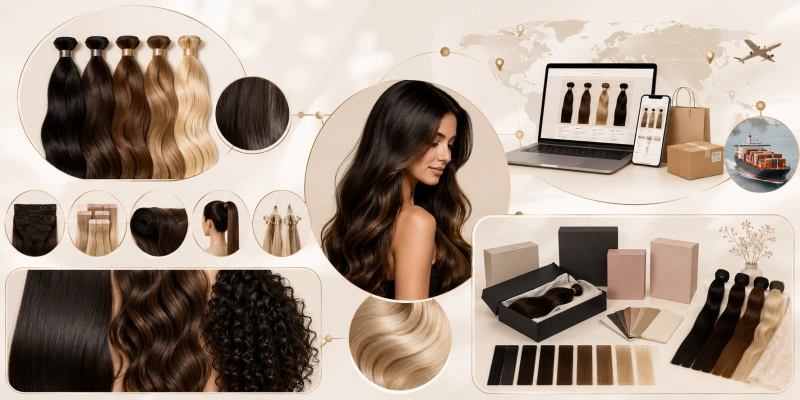
Beauty and Fashion Influence
Beauty consciousness continues to shape the human hair extension market. Consumers worldwide seek ways to enhance their appearance without permanent changes. Social media and celebrity culture play a significant role, as individuals look to emulate trending hairstyles seen online and in entertainment.
The fashion industry’s constant evolution introduces new styles, which increases the appeal of hair extensions. Many consumers now view hair extensions as essential for achieving versatile looks. The demand for ethically sourced, high-quality products has also grown, reflecting a shift toward sustainability.
Factor | Description |
|---|---|
Social Media Influence | Influencers and celebrities drive demand for new hairstyles and extensions. |
Protective Styling Trend | Extensions protect natural hair, especially in North America and Europe. |
Ethical Sourcing Demand | Consumers prefer products with transparent and sustainable sourcing. |
Alpha supports these trends by offering premium, fully customizable solutions. The brand’s commitment to quality and ethical sourcing aligns with the expectations of today’s beauty-conscious buyers.
E-Commerce and Social Media
E-commerce platforms have transformed the human hair extension market. Over 120 million consumers are expected to purchase hair extensions online by 2025. Online shopping provides convenience and a wide range of customization options, including different lengths, colors, and types.
Social media platforms such as TikTok, YouTube, and Instagram influence consumer preferences by showcasing styling tutorials and product reviews. These platforms help brands reach new audiences and educate buyers about the latest trends.
Alpha leverages digital channels to connect with clients globally, providing expert consultation and tailored solutions through its online presence.
Salon Services Expansion
The expansion of salon services has fueled the growth of the global human hair extension market. Salons now offer personalized experiences that include hair extensions as part of their core services. This shift attracts clients seeking both aesthetic and wellness benefits.
The Asia-Pacific region, in particular, has seen rapid market growth due to increased salon offerings. As competition intensifies, salons and vendors adopt new strategies to meet rising demand.
Alpha partners with salons and brands, delivering reliable supply and innovative products that support business growth and client satisfaction.
Human Hair Extension Market Segmentation
By Type: Clip-In, Fusion, Tape-In, Others
The human hair extension market offers a variety of product types to meet diverse consumer needs. Clip-in extensions lead the market, holding a 35% share in 2024. Many consumers prefer clip-ins because they are easy to apply and remove without professional help.
Fusion and tape-in extensions have a smaller market size. These types require more time and expert installation, which limits their popularity among everyday users. Other options, such as micro-link and sew-in extensions, serve niche markets and offer specialized solutions.
Alpha provides a comprehensive range of extensions, including clip-in, fusion, tape-in, and advanced weft options. The brand supports full customization, allowing clients to select lengths, colors, and textures that match their target audience.
By Application: Female vs. Male
The global human hair extension market remains dominated by female consumers. Women account for approximately 95.77% of the market by 2026. Beauty standards that emphasize long, voluminous hair drive this demand. Most female buyers seek extensions for volume enhancement and style versatility.
The male segment, while smaller, is growing. Men represent about 19% of the market, and their interest is increasing as brands introduce products tailored for male consumers. This shift signals new opportunities for growth and innovation.
Alpha addresses both segments by offering products that suit different hair types and styling preferences. The company’s OEM/ODM services help brands reach emerging male markets with custom solutions.
By Sales Channel: Offline and Online
The human hair extension market is experiencing a shift in sales channels. Online sales are projected to surpass 50% of the market share in the US and Europe by 2025. E-commerce platforms attract buyers with convenience, variety, and easy access to product information.
Offline channels, such as salons and specialty beauty stores, remain important for high-value and semi-permanent extensions that require professional installation. This dual-channel approach supports market growth and meets the needs of a wide range of consumers.
Alpha leverages both online and offline channels, ensuring reliable supply and expert support for brands, salons, and direct buyers worldwide.
Human Hair Extension Regional Insights
North America
North America leads the global human hair extension market, holding a 42% revenue share in 2023. Several factors drive this dominance:
High disposable incomes encourage consumers to invest in premium hair extensions.
Hair extensions enjoy cultural acceptance as both fashion accessories and solutions for hair thinning.
Modern media, including celebrities and social platforms, shape consumer preferences.
Growing awareness of sustainability creates opportunities for ethically sourced products.
Advances in customization and e-commerce expand market access and product variety.
Brands that focus on quality, ethical sourcing, and digital engagement continue to thrive in this region.
Asia-Pacific
The Asia-Pacific region stands as the largest supplier of human hair for wigs and extensions. China and India lead in production, supporting both local and global demand. The market benefits from changing lifestyles, technological progress, and a booming beauty industry.
Youth and millennials increasingly use hair extensions as fashion statements, fueling further growth.
Beauty standards in Asia-Pacific emphasize long, voluminous hair, making extensions highly desirable. Economic growth has raised disposable incomes, which boosts spending on beauty and personal care products.
Alpha’s roots in Heze, Shandong, position the brand at the heart of this supply chain. Alpha leverages advanced processing and ethical sourcing to deliver consistent quality to clients worldwide.
Europe
The European market for human hair extensions is expanding rapidly. The current market value stands at approximately $3 billion, with projections reaching $7 billion by 2033. A compound annual growth rate of 13.3% from 2026 to 2033 reflects strong momentum.
Key drivers include rising demand for ethically sourced hair, innovative technologies, and personalized products. Increased beauty consciousness and higher disposable incomes also contribute to market growth.
Middle East, Africa, South America
Region | CAGR (2026-2033) | Key Factors |
|---|---|---|
Central & South America | 9.6% | Investment in appearance, social media influence, and acceptance as fashion items. |
Middle East & Africa | 10.3% | Beauty consciousness, premium products as status symbols, social media, and influencer impact. |
These regions show strong growth potential. Social media and influencer marketing drive awareness, while premium hair extensions serve as status symbols. Brands that offer innovative, high-quality products can capture new opportunities in these emerging markets.
This regional insights overview demonstrates how market dynamics and consumer preferences vary across the globe. Alpha’s strategic presence and supply capabilities, especially in Asia-Pacific, position the brand to meet diverse market needs.
Challenges and Restraints
Costs and Raw Material Issues
High costs and raw material shortages present ongoing challenges in the global human hair extension market. Many suppliers face unstable pricing and supply disruptions. Fluctuations in raw material costs, combined with geopolitical factors, create operational constraints for brands and distributors.
These issues often lead to higher prices for consumers and limit the ability of some businesses to maintain consistent inventory. Alpha addresses these challenges by prioritizing ethical sourcing and maintaining strong relationships with trusted suppliers.
This approach helps stabilize supply and ensures clients receive premium products, even during market volatility.
Counterfeits and Quality Concerns
Counterfeit human hair extension products remain widespread, especially on unregulated online platforms. Many items are falsely labeled as “Remy” or “100% human hair” but contain synthetic fibers or undergo heavy processing.
This inconsistency in quality undermines consumer trust and pressures legitimate sellers. New buyers often hesitate, unsure how to identify authentic products. Nearly 28% of online complaints relate to counterfeit items, which increases caution among shoppers.
Alpha’s strict quality control and transparent sourcing practices set a high standard in the competitive landscape, giving clients confidence in every purchase.
Competition from Alternatives
The market faces strong competition from wigs and synthetic hair extensions. Premium human hair products can cost two to three times more than synthetic options, causing nearly half of consumers to hesitate before purchasing.
Retailers also report supply volatility, and import tariffs complicate procurement for 31% of distributors. Discomfort from low-quality adhesives affects about a third of users. Despite these challenges, Alpha’s focus on product innovation and customer support helps brands stand out among major players.
By offering reliable, ethically sourced solutions, Alpha empowers clients to compete effectively in a dynamic market.
Competitive Landscape
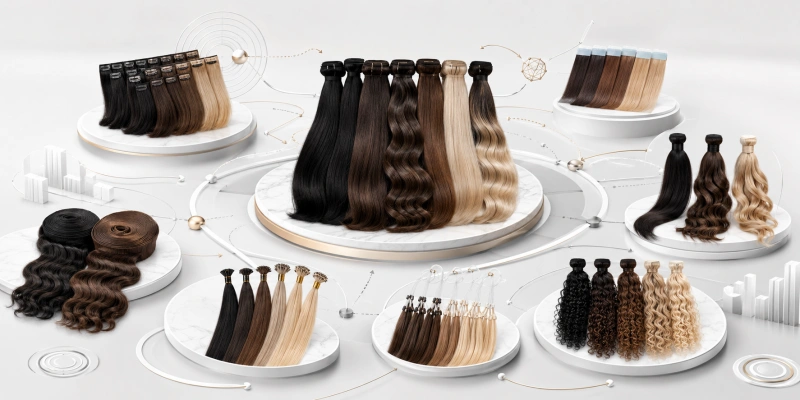
Major Players and Market Share
The competitive landscape of the global human hair extension market features several major players. These companies have built strong reputations through quality products, innovation, and global reach. Leading brands include:
Hairdreams
Balmain
Great Lengths
Dona Bella Hair
Hairlocs
Klix Hair Extensions
Locks & Bonds
Viva Femina
Godrej Consumer Products Limited
Shengtai Group
Rebecca
Evergreen Products Group
Hair Visions International
SO.CAP. Original USA
These companies hold significant market shares and set industry standards for quality and service. Many focus on expanding their product lines and entering new regions to maintain their leadership.
Recent Developments
The human hair extension industry continues to evolve with new product launches and strategic acquisitions. In December 2023, CASHMERE HAIR introduced Fill-In Hair Extensions, designed to add temporary volume for people with thinning hair.
In May 2022, Beauty Industry Group acquired Bellami Hair, which strengthened its position in the market. These developments show how brands invest in innovation and growth to meet changing consumer needs.
Alpha’s Industry Role
Alpha stands out as a trusted manufacturer and partner in the global market. The company has processed millions of extensions for salons, brands, and new entrants worldwide. Alpha’s commitment to quality, ethical sourcing, and advanced processing sets it apart from competitors.
The brand offers a wide range of customizable products, including Butterfly Weft Extensions, Clip-in Hair Extensions, and various wigs. Alpha supports clients with expert consultation, reliable delivery, and flexible OEM/ODM solutions.
Its global partnerships and strong supply chain help brands succeed in both established and emerging markets.
Alpha’s dedication to innovation and customer satisfaction continues to drive its growth and reputation as a leader in the human hair extension industry.
Technology and Sustainability
AI and Customization
Artificial intelligence is transforming the human hair extension industry. Manufacturers now use machine learning to analyze customer data, such as hair type, texture, color, and style preferences. This technology helps companies predict trends and create products that match individual needs.
Machine learning algorithms identify popular colors and textures.
AI tools help brands develop higher-quality, personalized extensions.
Smart wigs, powered by AI and IoT, offer new levels of comfort and customization.
Alpha uses advanced digital tools to support clients with tailored solutions. The brand’s focus on customization ensures that every extension meets the highest standards for fit and appearance.
Ethical Sourcing and Eco-Friendly Practices
Sustainability has become a top priority in the hair extension market. Many companies now invest in ethical sourcing and eco-friendly production.
Suppliers use traceable systems to guarantee ethical hair collection.
Brands recycle and upcycle materials to reduce waste.
Transparent supply chains attract environmentally conscious buyers.
Alpha leads by example. The company sources hair ethically and uses low-chemical treatments that extend product lifespan by up to 40%. These practices support both the environment and the livelihoods of over 50,000 individuals in rural communities worldwide.
Note: A recent survey found that 78% of hair extension customers prefer brands with transparent sourcing.
Product Innovation
Technological advances drive ongoing product innovation. Companies use AI in supply chain management, reducing material waste by up to 20%. New processing methods, such as cold bleaching, protect hair quality and minimize environmental impact.
Low-chemical treatments preserve hair softness and durability.
Innovations in recycling human hair open new paths for sustainable growth.
Alpha’s commitment to innovation ensures clients receive premium, eco-friendly products. The brand’s rigorous quality control and continuous improvement set a benchmark for the industry.
Conclusion
The global human hair extension market shows strong growth potential, driven by several key factors:
Market value is projected to reach USD 5,000.2 million, with a CAGR of 6.3% through 2035.
Consumer focus on personal grooming, evolving fashion trends, and social media influence fuel demand.
Technological advancements and rising disposable incomes expand market accessibility.
Factor | Impact |
|---|---|
Innovation | 66% of companies prioritize innovation to meet changing preferences. |
Ethical Sourcing | Traceable, sustainable products attract conscious buyers and add value. |
Emerging markets and digital platforms offer new opportunities. Alpha’s commitment to quality, customization, and ethical sourcing positions the brand for continued leadership.
FAQ
What makes Remy human hair extensions different from other types?
Remy human hair extensions keep the cuticles intact and aligned. This process ensures a natural look, smooth texture, and longer lifespan. Many professionals and consumers prefer Remy hair for its superior quality and durability.
How can buyers identify authentic human hair extensions?
Buyers should check for softness, natural shine, and consistent cuticle direction. Trusted brands like Alpha provide transparent sourcing and quality certifications. Authentic extensions do not tangle easily and withstand heat styling.
Are human hair extensions safe for daily use?
Yes, high-quality human hair extensions remain safe for daily wear. Proper care, gentle handling, and regular cleaning help maintain their condition. Professional installation and removal also reduce the risk of damage to natural hair.
What is the average lifespan of premium hair extensions?
Premium human hair extensions, such as those from Alpha, last 9 to 12 months with proper care. Regular maintenance, gentle washing, and minimal heat exposure extend their lifespan and keep them looking natural.
Can hair extensions be customized for different hair types and colors?
Yes, many manufacturers, including Alpha, offer full customization. Clients can select length, color, texture, and installation method. Custom solutions ensure seamless blending and a natural appearance for all hair types.