
You want thicker, fuller hair, but worry about damaging your delicate strands. Keratin bond hair extensions for fine hair give you a safe, natural boost. Experts say these extensions keep the weight light and spread out, which helps prevent breakage.
You can style, wash, and even curl them without stressing your roots. Alpha uses high-quality, cuticle-intact human hair and strict quality checks to make sure you get lasting, gentle results.
Key Takeaways
Keratin bond extensions are safe for fine hair, providing a natural look without heavy weight that can cause breakage.
Choose high-quality extensions, like Alpha’s, which use 100% Remy human hair and maintain the hair’s cuticle for softness and shine.
Regular maintenance is crucial; schedule appointments every 6-8 weeks to keep your extensions looking fresh and to protect your natural hair.
Always consult with a skilled stylist to ensure the right application technique and extension type for your hair’s health and density.
Follow proper care guidelines, including gentle brushing and using sulfate-free products, to extend the life of your keratin extensions.
Keratin Bond Hair Extensions for Fine Hair
What Are Keratin Bonds?
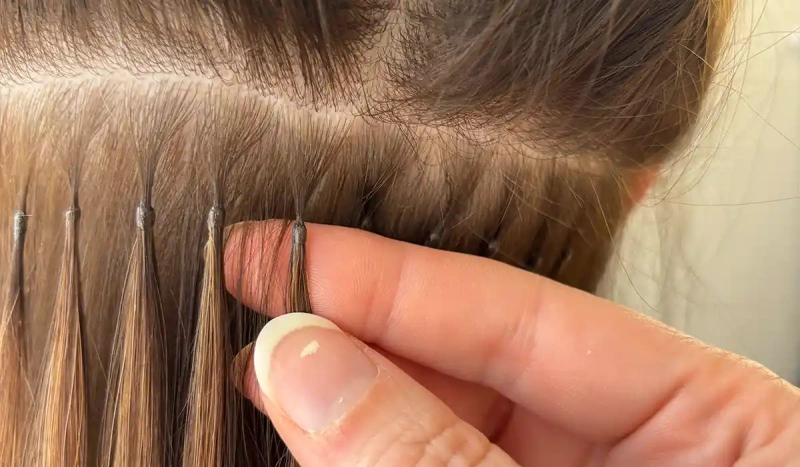
You might wonder what makes keratin bond hair extensions for fine hair so special. These extensions use tiny bundles of real human hair. Each bundle has a tip made from keratin, which is a protein your own hair contains. Your stylist attaches these bundles to your natural hair using gentle heat.
The keratin melts and wraps around your hair, creating a secure bond that feels light and comfortable.
The structure of keratin bonds helps reduce frizz and gives you a seamless look. You won’t see bulky attachments or feel heavy spots on your scalp. This matters a lot if you have fine hair. The bonds stay small and flat, so they blend in and move naturally with your own strands.
When applied the right way, they help protect your hair from damage and keep everything looking smooth.
Tip: Always ask your stylist to use lightweight extensions and space them out evenly. This keeps your fine hair safe and prevents breakage.
Why Choose Alpha’s Keratin Hair Extension?
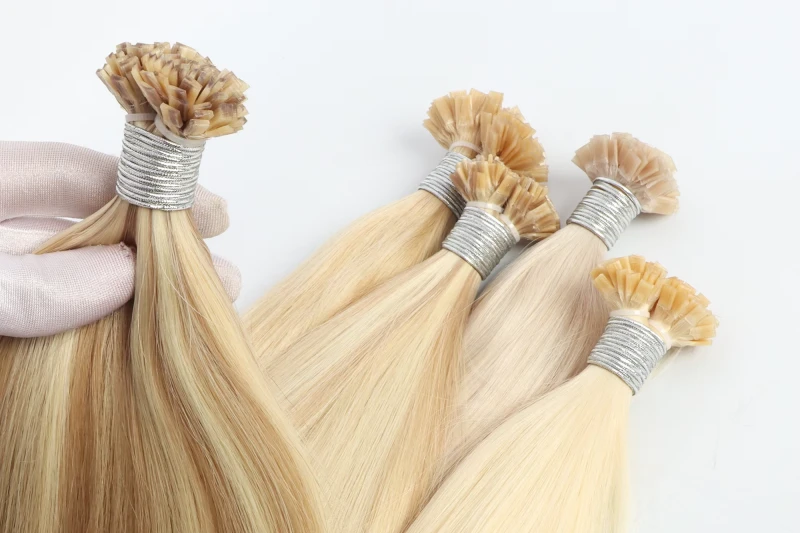
Alpha’s keratin hair extensions for fine hair stand out for their quality and design. You get 100% Remy human hair with the cuticle intact. This means your extensions stay soft, shiny, and tangle-free. Alpha uses strict quality checks and ethical sourcing, so you know you’re getting a product that lasts.
Here’s what you can expect from Alpha’s extensions:
Natural look and feel that blends with your own hair
Multiple lengths and weights to match your style
Custom color options for a perfect match
Double drawn and super thick strands for extra fullness
Long-lasting wear—up to 2 years with proper care
You can curl, straighten, or dye these extensions just like your natural hair. Alpha’s keratin bond hair extensions for fine hair give you the freedom to style without worry. The bonds stay secure for weeks, so you don’t have to fuss with daily adjustments.
How do they work for Thin Hair?
If you have fine hair, you know how tricky it can be to add volume without causing damage. Keratin bond hair extensions for fine hair solve this problem by using small, customizable bonds. Your stylist can adjust the size and placement to fit your hair’s density.
This keeps the weight light and spreads it out, so your roots don’t feel stressed.
The keratin bonds move with your hair, so you get a natural look and feel. You can wear your hair up or down, and the bonds stay hidden. Many people with fine hair love how these extensions add fullness around the crown and temples, where hair often looks thin.
Some salons use advanced tools that apply the bonds with cold ultrasonic technology. This protects your fine hair from heat damage and keeps the bonds strong for months. You get comfort, flexibility, and a boost in confidence every day.
If you want thicker, longer hair without risking your delicate strands, keratin bond hair extensions for fine hair offer a safe and beautiful solution.
Safety of Keratin Bond Extensions
Scientific Evidence on Safety
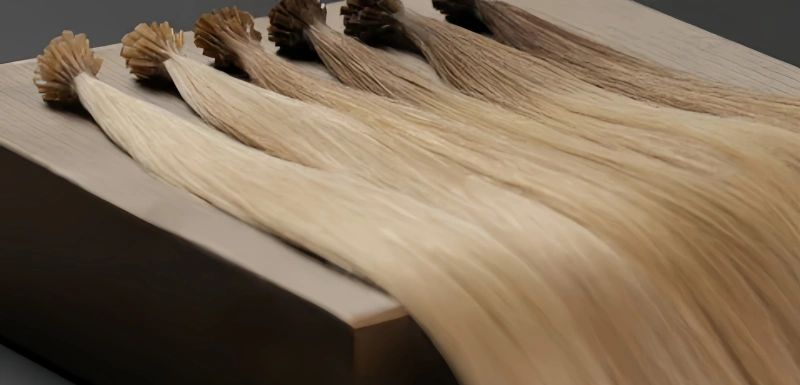
You want to know if keratin bond hair extensions are safe for fine hair. Let’s look at what science and experts say about the safety profile of these extensions. Keratin bonds use a thermoplastic polymer mixed with purified keratin protein. This protein is almost identical to what makes up your own hair.
Because of this similarity, the bond flexes and reacts to moisture just like your natural strands. You get a bond that expands when wet and contracts when dry, so it avoids stress points that can cause breakage.
Many studies and stylists agree that keratin bond extensions offer one of the best safety profiles for fine hair. The bonds attach individual strands weighing only 0.5 to 1 gram each. This means the weight spreads out evenly, so you don’t overload any single follicle. You avoid the heavy, bulky attachments that can pull on delicate hair.
Keratin bonds are designed for fine or thinning hair, countering old advice that said extensions were risky for fragile strands.
Here’s what makes the safety of keratin bond extensions stand out:
The keratin bond mimics natural hair behavior, reducing stress and breakage.
Weight distribution is even, so your roots stay safe.
The bond flexes with your hair, keeping the safety profile high.
Experts recommend keratin bonds for fine hair because they avoid concentrated weight and tension.
Note: You should always ask your stylist about the safety profile of the extension method. Keratin bonds have a proven track record for safety, especially when applied and maintained correctly.
Alpha’s Quality and Application Standards
Alpha takes safety seriously. You get extensions made from 100% cuticle-intact Remy human hair. The company uses strict quality checks at every step. Alpha sources hair ethically and uses a cold bleaching process to protect the hair’s structure.
This means you get extensions that stay soft, strong, and safe for your own hair.
Alpha’s application standards focus on safety for fine hair. Your stylist will use lightweight strands and space them out to prevent tension. The bonds stay small and flat, so you don’t feel heavy spots or stress on your scalp.
Alpha trains stylists to follow best practices for safety, making sure your extensions blend smoothly and stay secure.
Here’s how Alpha ensures safety:
Quality control checks every batch for softness and durability.
Application protocols keep the weight light and evenly distributed.
Custom strand weights let you choose what’s safest for your hair.
Alpha’s cold bleaching process protects the hair’s cuticle, boosting safety.
Tip: If you want the best safety profile, choose a brand like Alpha that puts quality and safety first. You’ll notice the difference in how your hair feels and looks.
Common Safety Concerns for Fine Hair
You might worry about safety when adding extensions to fine hair. The most common concerns include tension, breakage, and traction alopecia. These problems usually happen when extensions are applied incorrectly or not maintained well. You need gentle handling to keep both your natural hair and extensions safe.
Let’s break down the main safety concerns:
Tension and breakage can occur if the bonds are too heavy or placed too close together.
You need to handle your hair gently to avoid damage.
Traditional heavy extensions can cause traction alopecia, which is hair loss from pulling.
Alpha’s keratin bond extensions address these safety concerns by using lightweight, customizable bonds. Your stylist spaces them out and checks for any signs of stress. You get a safety profile that protects your roots and keeps your hair healthy.
Callout: Always check with your stylist about safety before getting extensions. Ask how they plan to protect your fine hair and what steps they take to ensure safety.
If you follow the right steps and choose a trusted brand like Alpha, you can enjoy thicker, fuller hair without sacrificing safety. You get peace of mind knowing your hair stays strong and beautiful.
Comparing Extension Methods for Fine Hair
Keratin Bonds vs. Clip-Ins
You might wonder if keratin bonds or clip-in extensions work better for fine hair. Each method has its own strengths. Here’s how they compare:
Keratin bond extensions attach individual strands to your hair using a keratin adhesive and heat. This creates a natural look and lasts for months. You need a skilled stylist for safe application and removal.
Clip-in extensions use small clips to attach hair wefts. You can put them in and take them out whenever you want. No heat or glue touches your hair.
Clip-ins are usually safer for fine hair because they don’t pull on your roots all the time. You can remove them at night, which gives your hair a break.
Keratin bonds stay in longer but can cause damage if not handled by a pro.
Tip: If you want a quick change and less commitment, clip-ins are a gentle choice for fine hair.
Keratin Bonds vs Tape-Ins
Tape-in extensions are another popular option for thin hair. They use a lightweight adhesive strip to attach hair wefts. Let’s see how they stack up against keratin bonds:
Feature | Keratin Bond Extensions | Tape-In Extensions |
|---|---|---|
Natural Look | Seamless, blends well | Seamless, blends well |
Longevity | 3-5 months with care | Needs more frequent maintenance |
Weight Distribution | Even, gentle on hair | Lightweight, comfortable |
Application Time | 2-4 hours | Quicker to apply |
Cost | Higher upfront, lasts longer | Lower cost, more salon visits |
Best for Thin Hair | Yes, with a skilled stylist | Yes, adds volume and length |
Tape-ins feel light and comfortable. They blend easily with your hair. You need to visit your stylist more often because the adhesive can wear out. Keratin bonds last longer and give you more styling freedom.
Keratin Bonds vs Sew-Ins and Micro Rings
Sew-in and micro ring extensions offer different experiences for fine hair.
Sew-in extensions work best for thick hair. They can feel heavy and may show through fine hair.
Micro ring extensions use tiny beads to attach hair. They don’t need heat or glue, making them gentle for fine hair.
Keratin bonds give a secure hold and a natural look. If not applied correctly, they can add tension to fine hair.
Micro rings are a safer pick if you want to avoid heat and glue.
Note: Always talk to your stylist about your hair type before choosing an extension method. The right choice keeps your hair healthy and looking great.
Risks and Damage Prevention
Causes of Damage with Extensions
You want your hair to look fuller, but you also want to avoid hair extension damage. Knowing what causes damage helps you keep your hair healthy. Here are the main reasons damage can happen with keratin bond extensions:
Breaking hair can occur if the bonds pull too much on your natural strands.
Damaging scales may show up as frizz or flyaways when protein leaves the cuticle layer.
Painful burns from styling irons can weaken your hair and melt the bonds.
Chemical treatments sometimes block moisture, causing breakage.
Water loss is a risk for curly or wavy hair, leading to dryness.
Other common mistakes include choosing extensions that are too long or heavy, skipping professional consultation, or using the wrong products. If you ignore scalp health or over-install extensions, you add extra weight and tension, which increases the risk of damage.
Tip: Always talk to your stylist about your hair type and the best extension weight for you.
Importance of Professional Application
Expert application makes all the difference for thin hair. Certified stylists know how to assess your hair and pick the right extension weight. They use special tools and techniques to attach the bonds securely, which helps prevent slippage or shedding.
Proper placement and even weight distribution keep your hair looking natural and healthy.
What Pros Do | Why It Matters |
|---|---|
Assess your hair type | Prevents unnecessary damage |
Use the right tools | Reduces risk of breakage |
Place bonds carefully | Keeps weight balanced |
Skipping these steps can lead to problems like traction alopecia or uneven results. Trusting a pro means you get the safest, most beautiful outcome.
Safe Removal and Shedding Myths
You might worry about removal, but here’s what really happens. When you take out your extensions, you’ll see some hair shedding. That’s normal! You lose 50–100 hairs every day, but with extensions, those hairs get trapped in the bonds. During removal, all that hair comes out at once.
Light shedding, tangles, or a bit of keratin residue are normal signs. If you notice bald patches, pain, or lots of breakage, the removal wasn’t done right.
Some people think extensions cause hair loss. That’s a myth. When installed and maintained properly, keratin bonds don’t cause hair loss. Any shedding you see during removal is just your natural hair cycle.
To avoid damage, always schedule regular maintenance every 10–12 weeks. Professional removal uses a gentle chemical softener, so you feel minimal discomfort and keep your hair safe. Never try DIY removal, as that can lead to real damage.
Note: Safe removal and expert application are your best defenses against damage. Stick with trusted brands like Alpha and certified stylists for the healthiest results.
Maintenance Tips for Keratin Bond Extensions
Daily Care for Fine Hair
You want your keratin bond extensions to look great every day. Start your maintenance routine with gentle brushing. Use a soft-bristle brush and always detangle your hair before bed. Hold your hair near the bands to avoid pulling. This keeps your application secure and prevents breakage.
Apply leave-in products from mid-lengths to ends. These products help with detangling and keep your hair soft. Oil-free hair masks add hydration without affecting the bonds. Avoid heavy oils or silicones near the bonds. They can weaken the application and shorten the lifespan of your extensions.
Tip: Make brushing part of your daily maintenance. It keeps your hair smooth and protects your bonds.
Washing and Styling Guidelines
Washing your hair the right way is key to maintenance. Professional stylists recommend these steps:
Detangle and brush your hair before washing.
Use warm water. Hot water can weaken the bonds, while cold water won’t clean well.
Let water flow from roots to ends. Avoid tilting your head forward.
Apply shampoo only to the roots. Use conditioner on the lengths and ends, never on the bonds.
Handle your hair gently. Don’t massage in circles. Use soft hand pressure.
Choose sulfate-free shampoos and lightweight conditioners. These products support your maintenance routine and keep your application strong. After washing, pat your hair dry with a towel.
Don’t rub. Dry your hair promptly. Use heat protectants before styling. Curl or straighten your extensions just like your natural hair, but always protect the bonds.
Recommended Products | Products to Avoid |
|---|---|
Sulfate-free shampoo | Oils near bonds |
Lightweight conditioner | Heavy silicones |
Oil-free hair mask | Clarifying shampoo |
Heat protectant | |
Leave-in detangler |
Scheduling Maintenance and Removal
You need a maintenance schedule to keep your extensions healthy. Plan maintenance appointments every 6-8 weeks. Move-up appointments every 4-6 weeks prevent added weight and tension. Your stylist checks the application, adjusts bonds, and removes any that need replacement.
Regular maintenance keeps your hair safe and your extensions looking fresh. Never skip professional removal. Your stylist uses gentle products and techniques to protect your hair during the application.
Callout: Stick to your maintenance schedule. It’s the best way to enjoy beautiful, long-lasting keratin bond extensions.
Expert Recommendations and Red Flags
What to Ask Your Stylist?
You want your hair to look amazing, but you also want to stay safe. Before you get keratin bond extensions, ask your stylist a few key questions. An expert will always welcome your curiosity and help you feel confident.
Does the stylist have experience with fine hair and keratin bonds?
Will the stylist assess your hair and scalp before recommending extensions?
What extension methods does the stylist suggest for your hair type?
How will the stylist minimize risks and keep your hair healthy?
Can the stylist explain the process and maintenance routine for a client with fine hair?
You should also ask about Invisible Bead Extensions® or Vlight extensions if you want a natural, undetectable look. An expert will guide you through the options and help you choose what fits your needs.
Tip: A knowledgeable stylist will always put the client’s hair health first and answer every question with patience.
Signs of a Skilled Extensionist
You want to trust your stylist. Look for signs that show you’re working with an expert. A skilled extensionist will:
Listen to your concerns and explain every step.
Assess your hair density and scalp health before starting.
Recommend the best extension method for each client, not just one-size-fits-all.
Use lightweight bonds and space them out to avoid tension.
Show you how to care for your extensions and schedule regular maintenance.
If your stylist checks your hair carefully and has safety talks, you know you’re in good hands. An expert always tailors the process to each client.
When to Avoid Extensions?
Sometimes, extensions aren’t the right choice. Experts say you should avoid keratin bonds if:
Your hair is damaged or very sparse.
You have active scalp conditions or ongoing hair loss.
The stylist isn’t skilled or tries to use large, heavy bonds.
You feel excessive tension during installation.
Keratin bonds work best for clients with moderately dense fine hair. If your hair isn’t ready, wait until it’s healthier. An expert will tell you honestly if extensions aren’t safe for you.
Note: Always listen to your stylist’s advice. The right expert will protect your hair and help you make the best decision.
Conclusion
You want the best for your hair health, and keratin bond extensions can help you get there. When you choose Alpha’s keratin extensions, you support your hair health with gentle, high-quality strands.
Always trust a pro for application and stick to a routine that protects your health. For thin hair, keratin bonds offer a safe way to boost volume and keep your hair healthy and strong.
Here’s how you can keep your keratin extensions and hair health in top shape:
Start with clean, dry hair for the best keratin bond.
Ask your stylist to section and attach each keratin strand with care.
Wait at least 48 hours before washing to protect your hair’s health.
Brush gently and use a silk pillowcase to support your health and keratin bonds.
Avoid oils near the bonds and schedule regular check-ins for your hair health.
Use sulfate-free products to keep your keratin extensions and hair health at their best.
Remove keratin extensions after a few months to maintain your hair’s health.
Put your hair health first. Talk with a skilled stylist, follow these keratin care steps, and enjoy fuller, healthier hair every day.
FAQ
How do keratin extensions add volume to thinning hair?
You get instant volume with keratin extensions. The application technique lets your stylist attach small bundles to your natural strands. This method works well for thinning hair. You see fuller results without heavy weight. Extensions blend in for seamless integration and a natural look.
Can I get extensions if I have fine or thinning hair?
Yes, you can! Extensions work for fine and thinning hair when you choose the right technique. A professional consultation helps you pick the best type. Your stylist uses a gentle application technique to protect your hair and boost volume. You enjoy a natural, fuller style.
What should I ask during my consultation for extensions?
Ask about the best extensions for fine or thinning hair. Discuss the application technique, integration, and how to achieve seamless integration. Check your stylist’s expertise with extensions. Talk about maintenance, volume goals, and the removal process. A good consultation ensures you get safe, beautiful results.
How does proper removal protect my hair during the keratin bond removal process?
Proper removal is key to healthy hair. Your stylist uses a safe keratin bond removal technique. This process prevents breakage and keeps your natural hair strong. Never try to remove extensions yourself. Always schedule professional removal to avoid damage and keep your hair looking great.
Will extensions damage my fine hair or cause more thinning?
When you follow expert advice and use the right application technique, extensions do not damage fine or thinning hair. A skilled stylist spaces out the extensions and checks for tension. Regular consultation and proper removal keep your hair safe and help maintain volume.