
Key Differences Between Extensions
Explore the pros and cons of each extension type.
Features | ||
|---|---|---|
Application Method | Uses heat to bond with hair. | Attaches with small metal beads. |
Durability | Lasts 3 to 5 months. | Lasts 2 to 3 months. |
Maintenance Frequency | Every 6-8 weeks. | Regular follow-ups needed. |
Comfort Level | Feels lightweight and natural. | May cause slight discomfort initially. |
Hair Health Impact | Mimics natural hair protein. | No heat, but can add tension. |
Cost | Higher initial cost, longer lifespan. | Lower initial cost, frequent maintenance. |
Hair Type Suitability | Good for all hair types. | Best for medium to thick hair. |
Styling Flexibility | Can style like natural hair. | Style freely without bond issues. |
Deciding between keratin hair extensions vs microbead is all about your personal hair goals and daily routine. Keratin hair extensions use flexible keratin bonds that blend naturally with your own hair, creating a seamless look.
In contrast, microbead extensions are applied using small metal beads, requiring no heat or glue. Here’s a quick comparison of how each method works:
Type of Extension | Application Method |
|---|---|
Keratin Hair Extensions | Uses heat to bond small sections of hair with keratin tips to your natural hair. |
Microbead Extensions | Attaches weft hair using microbeads—no heat, glue, or tape involved. |
When considering keratin hair extensions vs microbead, factors like durability, maintenance, comfort, hair health, cost, hair type, and lifestyle all play a role. Explore these options to discover which method is the best fit for you!
Key Takeaways
Keratin hair extensions offer a natural look and last longer, making them ideal for those seeking durability and seamless blending.
Microbead extensions are a gentle, no-heat option that allows for easy adjustments, perfect for active lifestyles.
Consider your hair type when choosing extensions; keratin suits fine and curly hair, while microbeads work best on medium to thick hair.
Maintenance frequency varies; keratin extensions require less upkeep, while microbeads need regular salon visits to stay secure.
Budget plays a key role; keratin extensions may cost more upfront but last longer, while microbeads can be more affordable with frequent maintenance.
Keratin Hair Extensions
Application
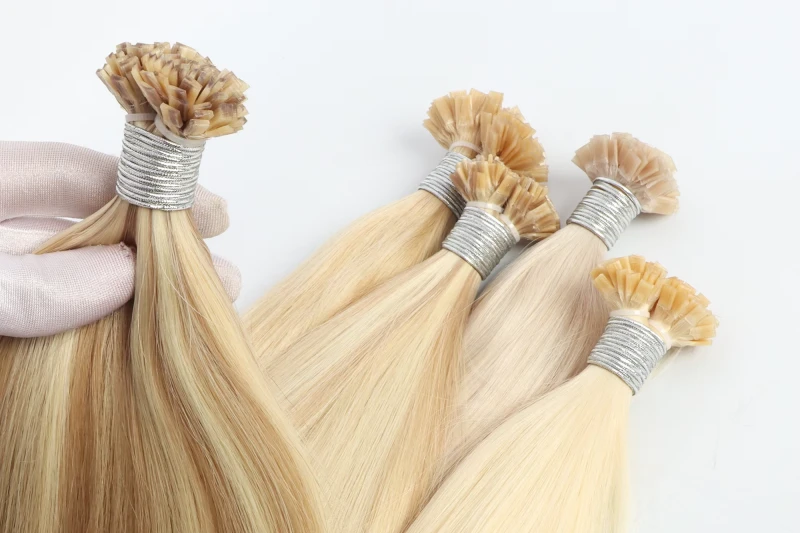
If you want a seamless, natural look, keratin hair extensions might catch your eye. These extensions use keratin bonds, also called K-tips, which are small, flexible tips made from the same protein as your hair. You get a blend that moves and feels like your own hair. Here’s how the application works:
Your stylist takes a small, precise strand of your natural hair that matches the width of the keratin tip.
The keratin extension tip bond goes underneath your hair strand, about half an inch from your scalp.
Pre-heated fusion pliers press the keratin tip for a few seconds until it melts.
The stylist rolls the melted keratin around your hair to form a smooth, cylindrical shape.
This process repeats in a staggered pattern for a natural finish.
The whole process usually takes 2 to 3 hours, so you’ll want to set aside some time for your appointment.
Pros
You’ll find plenty of reasons to love keratin hair extensions. Here’s a quick look at the top pros:
Benefit | Description |
|---|---|
Long-Lasting Results | Can last up to four months when installed correctly. |
Natural Movement | Mimics natural hair movement, allowing for versatile styling options. |
Versatile Customization | Available in various colors, lengths, and textures for personalized looks. |
Longevity | Can last up to six months with proper maintenance. |
Versatile Styling | Allows curling, straightening, or coloring without exposing bonds. |
Invisible Appearance | Keratin tips lie flat, making extensions undetectable even in updos. |
Natural Look | Provides a seamless blend for a natural appearance. |
Lightweight | Offers soft and lightweight results for comfortable wear. |
Long-Term Option | A premium choice for clients seeking lasting length and fullness. |
You can style, curl, or color your keratin-bonded hair extensions just like your own hair. The bonds stay hidden, even in ponytails or updos.
Cons
Like any method, keratin hair extensions have a few cons to consider:
Application takes time—usually 2 to 3 hours.
You need a professional for both installation and removal.
Maintenance can be tricky, since you should avoid heat on the bonds.
Not reusable after removal.
If you’re comparing keratin hair extensions vs microbead, think about your patience for salon visits and your comfort with at-home care. Keratin bond extensions give you a natural look, but you’ll need to follow your stylist’s advice for the best results. Keratin tip extensions work best for those who want a long-term, invisible solution.
Micro Bead Extensions
Application
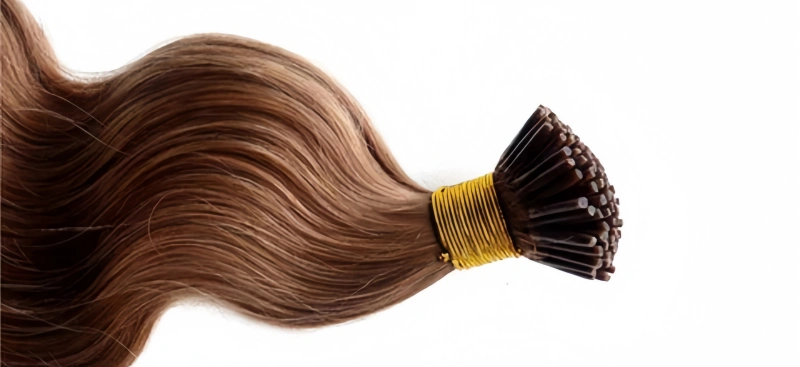
Micro bead extensions, also known as micro link extensions or I-tips, use tiny metal beads to attach strands of hair to your natural hair. Instead of heat or glue, your stylist slides a small section of your hair through a bead, then clamps it shut to hold the extension in place.
This method avoids any chemical or heat damage, making it a gentle option for your hair.
The process involves carefully threading your hair through each bead, then securing the extension strand inside. Since the beads are small and discreet, they blend well with your hair, giving a natural look.
The whole application can take a few hours because your stylist handles each strand individually, but the no-heat method means less risk of damage.
Pros
You’ll find several great pros when choosing micro bead extensions:
Safe and gentle: No heat or glue means less damage to your natural hair.
Low maintenance: Quick touch-ups keep your extensions looking fresh without much hassle.
Adjustable beads: If a bead feels loose, your stylist can easily tighten it without removing the extension.
Natural blend: The beads sit close to your scalp and blend seamlessly, making extensions almost invisible.
Styling freedom: You can style your hair in many ways without worrying about bonds melting or breaking.
These pros make micro bead extensions a popular choice for those who want a flexible, damage-free way to add length or volume.
Cons
While micro bead extensions have many benefits, you should also consider some cons before deciding:
Con | Description |
|---|---|
Time-consuming installation | Each strand and bead is handled individually, so the process can take several hours. |
Discomfort from beads | Tiny beads may feel uncomfortable, especially when you lie down or during the first few days. |
Risk of slippage | If beads aren’t secured well, extensions can slip out, especially on thin or oily hair. |
Regular maintenance needed | You’ll need frequent salon visits to prevent tangling and keep beads tight. |
Potential hair damage | The weight and tension from beads can pull on your hair, causing breakage if you’re not careful. |
Note: Choosing an experienced stylist and using quality micro link extensions can reduce many of these issues. Proper care and gentle brushing also help keep your extensions secure and healthy.
If you want a method that avoids heat and glue but don’t mind spending time on installation and upkeep, micro bead extensions might be your best match.
Keratin Hair Extensions vs Microbead Comparison
Durability
When it comes to durability, keratin hair extensions tend to last longer than microbead extensions. On average, keratin bond extensions stay in place for about 3 to 5 months, while microbead extensions usually last around 2 to 3 months before needing replacement or adjustment.
Hair Extension Type | Average Lifespan |
|---|---|
Keratin Bond Extensions | 3 to 5 months |
Microbead Extensions | 2 to 3 months |
Keratin bonds create a strong, flexible hold that resists slipping, even with regular washing and styling. Microbeads rely on clamping, which can loosen over time, especially if you have fine or oily hair. So, if you want longer-lasting results without frequent reapplication, keratin extensions might suit you better.
Maintenance
Maintenance plays a big role in how well your extensions perform and how long they last. Keratin hair extensions require maintenance appointments every 6 to 8 weeks to keep the bonds secure and your hair healthy.
Microbead extensions need more frequent follow-ups because the beads can loosen or slip, especially if you lead an active lifestyle.
Extension Type | Maintenance Frequency |
|---|---|
Keratin Hair Extensions | Every 6-8 weeks |
Microbead Extensions | Regular follow-up recommended |
For microbead extensions, regular salon visits help tighten beads and prevent tangling. You’ll also want to brush gently around the beads and avoid heavy conditioners near them. Keratin extensions need careful washing with bond-safe shampoos and avoiding heat directly on the bonds during styling.
Comfort
Comfort varies between these two extension types. Keratin hair extensions use small, flexible bonds that lie flat against your scalp. This design usually feels lightweight and natural once you get used to them. You can wear ponytails or updos without worrying about visible bonds.
Microbead extensions use tiny metal beads that clamp onto your hair. Some people feel slight discomfort or pressure from the beads, especially during the first few days or when lying down. If beads are placed too close to the scalp or tightened too much, they might cause irritation or tension.
If comfort is a top priority, keratin extensions often feel softer and less noticeable. However, microbeads offer a no-heat option that some find gentler on their scalp.
Hair Health
Both keratin hair extensions and microbead extensions can protect your natural hair if applied and cared for properly. Keratin bonds mimic the natural protein in your hair, creating a secure attachment that moves with your strands. This reduces stress and breakage when you style or brush your hair.
Microbead extensions avoid heat and glue, which lowers the risk of chemical damage. However, the beads add weight and tension to your hair, which can cause breakage if the beads are too heavy or tightened too much. Microbeads work best on medium to thick hair that can handle the extra weight.
Hair Type | Recommended Extensions |
|---|---|
Fine Hair | Hand-tied wefts, tape-ins, K-tip |
Thick Hair | I-tip, fusion extensions |
Curly Hair | Fusion, K-tip extensions |
Keep in mind, microbead extensions may not suit fine or slippery hair well, as beads can slip or cause damage. Keratin extensions offer a more natural bond for various hair types, including curly and fine hair, when installed by a skilled stylist.
Cost
Cost is always a factor when choosing between keratin hair extensions vs microbead. On average, keratin extensions tend to be a bit more expensive annually, but they last longer, which can balance out the price.
Type of Extension | Average Annual Cost |
|---|---|
Keratin Extensions | $2825 |
Microbead Extensions | $2400 |
Microbead extensions can range from $300 to $2500 depending on quality and salon.
Keratin fusion extensions typically range from $200 to $3000.
Remember, maintenance costs add up too. Keratin extensions require fewer touch-ups, while microbeads need more frequent salon visits to keep them looking fresh. Your budget and how often you want to visit the salon will influence which option fits best.
Hair Type Suitability
Your hair type plays a big role in which extension method works best. Keratin hair extensions suit a wide range of hair types, especially fine, curly, or thick hair. The keratin bond blends well and supports different textures without causing much stress.
Microbead extensions work best on medium to thick hair strands. Fine or very silky hair might struggle to hold the beads securely, leading to slippage or damage. However, newer nano-beads designed for fine hair can help if applied by an experienced stylist.
Here’s a quick guide:
Hair Type | Best Extension Type |
|---|---|
Fine Hair | Keratin (K-tip), hand-tied wefts |
Medium Hair | Microbead (I-tip), fusion |
Thick Hair | Microbead, fusion |
Curly Hair | Keratin (K-tip), fusion |
Lifestyle
Your lifestyle affects how well your extensions fit into your routine. If you exercise often, travel, or spend time outdoors, you’ll want extensions that can keep up.
Both keratin and microbead extensions can handle active lifestyles with proper care.
Tie your hair in loose braids or ponytails during workouts to reduce tangling and stress on roots.
Swimming is possible but protect your hair with a swim cap or rinse immediately after to avoid damage from chlorine or salt water.
Keratin bonds resist oils and sweat well, making them great for humid or hot conditions.
Microbeads allow styling freedom but need more frequent tightening if you sweat a lot or expose your hair to water often.
Proper maintenance and gentle care are key to keeping either extension type looking great, no matter your lifestyle.
Choosing between keratin hair extensions vs microbead depends on your priorities. If you want longer durability, less frequent maintenance, and a natural feel, keratin extensions might be your best match.
If you prefer a no-heat method with adjustable beads and don’t mind regular salon visits, microbead extensions could work well.
Choosing Your Best Match
Hair Type & Goals
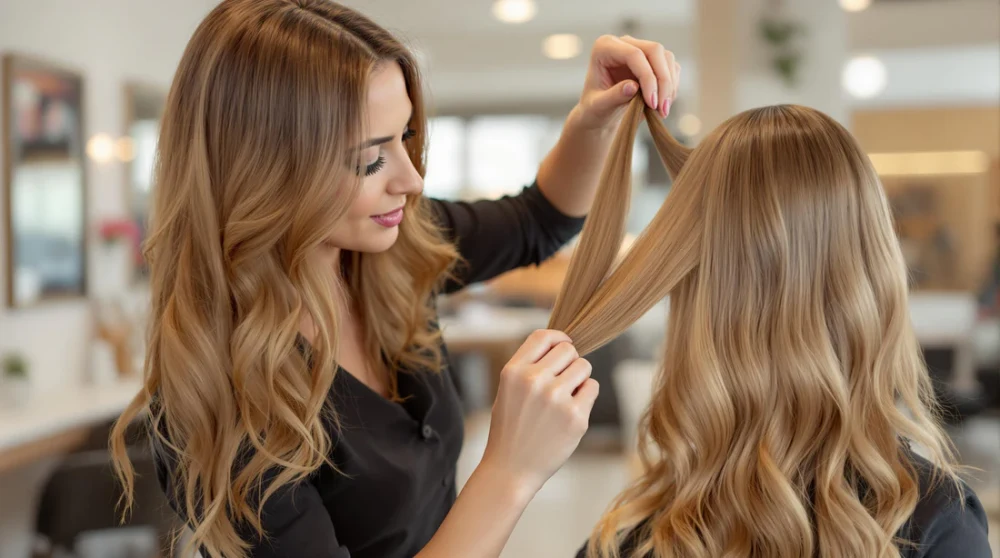
You want your extensions to look and feel like your own hair. Start by thinking about your hair type. If you have fine, straight, or curly hair, keratin hair extensions can blend in easily. Their small bonds and strand-by-strand installation time allow for a seamless look.
These extensions adapt to many textures, so you get a natural finish. Microbead extensions also work well for medium to thick hair. They hold up with proper sectioning and careful installation time. If you want a discreet, lightweight feel, keratin hair extensions might be your best match.
If you prefer something you can adjust or remove more often, microbeads could suit your goals.
Your goals matter, too. Do you want long-lasting volume or just a temporary boost? Keratin hair extensions last longer between appointments, while microbeads offer flexibility if you like to switch things up.
Lifestyle & Budget
Your daily routine plays a big role in this decision. If you swim often or use heat tools, keratin hair extensions handle moisture and heat well. Microbead extensions are great for active lifestyles. You can wash, sweat, and style them like your own hair. Both types need regular maintenance, but the frequency can differ.
Keratin hair extensions require less frequent maintenance, while microbeads need more touch-ups to keep beads tight.
Let’s talk about cost. Keratin hair extensions usually cost more because of the professional installation time and maintenance. Microbead extensions can be a more budget-friendly choice, but you still need to plan for salon visits.
Permanent extensions can range from $700 to over $2800 a year, so think about what fits your budget. Remember, maintenance adds to the total cost, so factor in both the initial price and ongoing care.
Tip: Avoid common mistakes like using the wrong tools or skipping maintenance. Proper installation time and the right products keep your extensions looking their best.
Quick Reference Table
Need a fast way to compare keratin hair extensions vs microbead? A quick reference table can help you see the differences in cost, maintenance, installation time, and hair type suitability at a glance. Use this as a cheat sheet when you talk to your stylist or plan your next salon visit.
Conclusion
Choosing between keratin and microbead extensions depends on what you need. If you have thick hair, love heat styling, or want fewer salon visits, keratin extensions might suit you best. Microbeads work well for fine hair and those who want a heat-free option.
Think about your hair health, daily routine, and budget. Here’s a quick guide:
Key Factor | What to Consider |
|---|---|
Hair Type | Thick or fine? |
Lifestyle | Active or low-maintenance? |
Budget | Upfront and ongoing costs |
Talk with your stylist for advice. You deserve hair that fits your life and makes you feel amazing!
FAQ
What lasts longer, keratin hair extensions or microbead extensions?
Keratin hair extensions usually last longer. You can expect them to stay in place for three to five months. Microbead extensions often need adjustments or replacement after two to three months.
Which method is better for fine hair?
You may find keratin hair extensions work better for fine hair. The small, flexible bonds blend easily and cause less stress. Microbeads can slip or pull on fine strands.
Can I style my hair as usual with both types?
Yes, you can style your hair with both methods. You can curl, straighten, or braid your extensions. Just avoid direct heat on keratin bonds and be gentle around microbeads.
How do I choose between keratin hair extensions vs microbead?
Think about your hair type, how much maintenance you want, and your budget. Keratin extensions last longer and feel lighter. Microbeads offer a no-heat option and easy adjustments.
Are both options safe for swimming and workouts?
You can swim and exercise with both types. Wear your hair in a loose braid or ponytail to prevent tangling. Rinse your hair after swimming to protect the bonds or beads.