
Choosing the Best Hair Extension Type
Compare invisible clip-ins and tape-ins to find the perfect fit.
Features | Invisible Clip-Ins | Invisible Tape-Ins |
|---|---|---|
Installation Process | Quick, DIY at home. | Requires professional salon installation. |
Wear Duration | Temporary, removed daily. | Semi-permanent, lasts 6–8 weeks. |
Maintenance Needs | Low maintenance, occasional washing. | Regular salon visits required. |
Comfort Level | Lightweight, removable anytime. | Lightweight, worn continuously. |
Styling Flexibility | Frequent hairstyle changes possible. | Behaves like natural hair. |
Cost | Lower upfront cost. | Higher initial investment. |
Suitability for Thin Hair | Blends well, removable. | Lays flat, ideal for fine hair. |
Durability | Lasts longer with proper care. | 3–6 months with maintenance. |
Lifestyle Fit | Great for occasional use. | Perfect for active lifestyles. |
Aftercare Requirements | Brush and store properly. | Avoid conditioner near tapes. |
If you want your brand to stand out, you need to pick the right extension type for your customers. Some shoppers crave instant style changes and easy, non-surgical solutions. Others want longer-lasting volume or length.
The invisible clip-in vs invisible tape-in extensions debate comes down to what your audience values most. Many brands now focus on quality, ethical sourcing, and trend-driven options. You can build loyalty and boost sales by matching your product to your customers’ lifestyles and your business model.
Key Takeaways
Invisible clip-ins offer quick, temporary style changes. They are perfect for customers who want flexibility and low maintenance.
Invisible tape-ins provide a semi-permanent solution. They are ideal for clients seeking a long-lasting, natural look without daily hassle.
Consider your target audience’s lifestyle when choosing extensions. Match products to their needs for better customer satisfaction and loyalty.
Both extension types require different maintenance routines. Educate customers on proper care to enhance their experience and extend product lifespan.
Upsell opportunities exist for both types. Offer application kits for clip-ins and maintenance services for tape-ins to boost sales.
Understanding Hair Extension Types
What Are Invisible Clip-Ins?
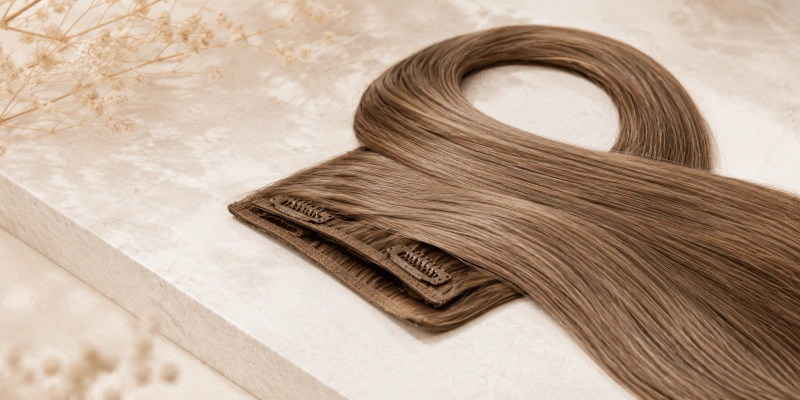
You might see invisible clip-ins as the go-to choice for temporary hair extensions. These extensions use ultra-thin, seamless wefts that blend right into your hair. Most brands use 100% human hair, so you get a natural look and feel. You can find invisible clip-ins in a wide range of lengths and shades.
They snap in and out in minutes, making them perfect for anyone who wants flexibility. You don’t need a salon visit or professional help. You just section your hair, clip it in, and you’re ready to go. Many people love invisible clip-ins because they are comfortable and lightweight.
You can wear them for a special event or every day. When you want a break, you just remove them and store them for next time.
Here’s a quick look at what top brands offer:
Brand | Key Features | Pros |
|---|---|---|
Luvme | 100% human hair, seamless weft, 14-24″ lengths | Seamless blending, undetectable look |
Luxy Hair | Remy human hair, silicone wefts, 12-32″ lengths | Natural appearance, long length range |
Bellami | Remy human hair, Invisi-weft, 16-26″ lengths | Adds volume, comfortable wear |
What Are Invisible Tape-Ins?
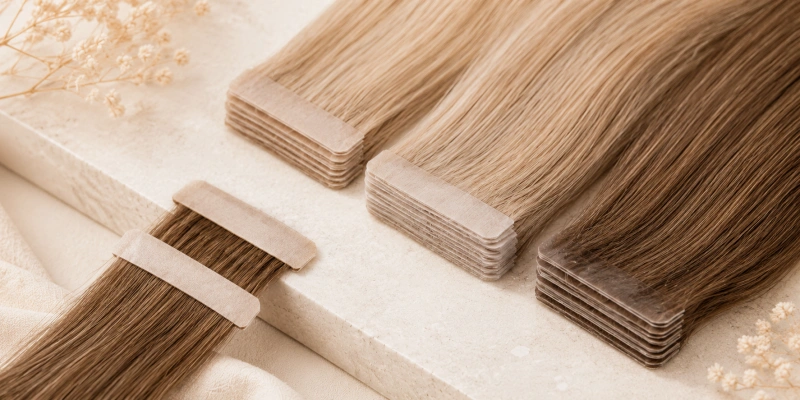
Invisible tape-ins fall into the semi-permanent category. You get a salon-quality finish that lasts for weeks. These extensions use thin, clear adhesive strips that lie flat against your scalp. Most tape-ins use human hair, so you can style them just like your own.
You need a stylist to install and remove them, but you don’t have to take them out every day. Invisible tape-ins work well for people with fine or thin hair. They stay secure, even if you have an active lifestyle. You can wash, style, and treat them as you would your natural hair.
Key Features of Each
Let’s compare the main features side by side:
Commitment Level: Invisible clip-ins are temporary hair extensions. You can put them in and take them out whenever you want. Invisible tape-ins are semi-permanent. You wear them for 6-8 weeks before removal.
Maintenance: Clip-ins are low-maintenance. Tape-ins need more upkeep and professional removal.
Lifestyle Fit: Tape-ins are more secure for busy or active people. Clip-ins are great if you want to switch up your look often.
Budget: Clip-ins cost less upfront. Tape-ins may give you better value if you want long-term extensions.
Appearance: Both types use human hair extensions for a natural look and feel. Invisible clip-ins and tape-ins both offer seamless blending and an invisible finish. You get salon-quality results with either option.
Tip: If you want comfortable, lightweight hair extensions for everyday wear, invisible clip-ins might be your best bet. If you want a semi-permanent solution, invisible tape-ins could be the right fit.
Invisible Clip-In vs Invisible Tape-In Extensions
Installation & Removal
When you compare invisible clip-in vs invisible tape-in extensions, the first thing you notice is how different the installation process feels.
Clip-in extensions offer quick and easy installation. You can snap them in at home without help. You section your hair, attach the clips, and you’re done. Removal is just as simple. You can take them out in seconds, which makes them perfect for anyone who wants flexibility.
Tape-in extensions use invisible tape-in wefts. You need a stylist for proper installation. The process takes longer because the adhesive tapes must be placed close to your scalp.
Removal also requires a special solution to break down the adhesive. You can’t do this at home. This method works well if you want a semi-permanent style.
If you want a product that lets your customers change their look often, clip-in hair extensions are the way to go. If your audience prefers a longer-lasting style, tape-in hair extensions might fit better.
Wear Time & Longevity
Let’s break down how long each type lasts and how often you need to replace them:
Feature | Invisible Clip-Ins | Invisible Tape-In Wefts |
|---|---|---|
Wear Type | Temporary (removed daily) | Semi-permanent (worn for weeks) |
Replacement Frequency | Not applicable (removed daily) | Every 6–8 weeks (move-up required) |
Durability | Longer overall (not worn continuously) | 3–6 months with proper care |
Clip-in hair extensions last longer because you don’t wear them all the time. You can use them for special occasions or daily, and they keep their shape if you store them right. Tape-in extensions stay in your hair for weeks. You need to move them up every 6–8 weeks as your hair grows.
With proper care, invisible tape-in wefts can last several months.
Comfort & Natural Appearance
Comfort and a natural look matter to every customer. Here’s how invisible clip-in vs invisible tape-in extensions compare:
Clip-in extensions use lightweight, seamless wefts. They lie flat against your scalp and blend with your natural hair. You can wear them all day without discomfort. You can also remove them before bed, which helps your scalp rest.
Tape-in extensions use invisible tape-in wefts that sit close to your scalp. They feel light and comfortable, even for fine hair. The adhesive strips are thin, so they blend well and give a natural look. You can sleep, shower, and work out with them in place.
Both options use human hair for a natural finish. You get a seamless blend and an invisible look with either method.
Styling & Versatility
You want your customers to style their hair any way they like. Here’s how each extension type stacks up:
Feature | Invisible Clip-Ins | Tape-In Extensions |
|---|---|---|
Flexibility | Can be removed anytime for special occasions | Stays in place for several weeks |
Hairstyle Changes | Change hairstyles frequently | Behaves more like natural hair |
Workout/Sleep | Can avoid wearing during workouts or sleep | Requires care to avoid heat on the adhesive |
Styling Options | Limited to temporary styles | Can curl, straighten, and style normally |
Clip-in hair extensions let you switch up your look as often as you want. You can take them out for workouts or sleep. Tape-in extensions stay in your hair, so you get a natural look every day. You can curl, straighten, or braid them just like your own hair. Both types are lightweight and blend seamlessly with your natural hair.
Maintenance Needs
Maintenance can make or break the customer experience. Here’s what you need to know:
Type of Extension | Maintenance Routine |
|---|---|
Clip-In | – Remove before sleeping |
– Brush after each use | |
– Wash occasionally | |
– Store properly to prevent tangling | |
Tape-In | – Wash hair 2–3 times per week |
– Avoid conditioner near the tape | |
– Brush gently near the roots | |
– Schedule move-ups every few weeks |
For clip-in hair extensions, you just brush them after each use, wash them occasionally, and store them in a safe place. You don’t need to worry about sleeping or showering with them.
Tape-in extensions need more care. You should wash your hair two or three times a week and avoid heavy conditioners near the invisible tape-in wefts. You also need to schedule salon visits every 6–8 weeks for maintenance.
Proper installation and aftercare help both types last longer. Using sulfate-free shampoo and gentle brushing keeps the hair looking its best. High-quality human hair extensions hold up better and give a more natural look.
If you want a low-maintenance option for your customers, clip-in extensions are a great choice. If your brand serves clients who want a long-term, seamless look, tape-in extensions deliver that salon-quality finish.
Pros and Cons of Each Extension
Invisible Clip-Ins: Pros & Cons
You want to know if invisible clip-ins are right for your brand. Let’s break down the main benefits and drawbacks so you can decide with confidence.
Pros:
You get instant length and volume. Just clip them in, and your hair transforms in minutes.
You can experiment with different hairstyles or colors without any long-term commitment.
Invisible clip-ins blend seamlessly with your natural hair, so you get a natural, undetectable finish.
You can remove them anytime, which means you can give your scalp a break or switch up your look for special occasions.
These extensions come in many lengths, shades, and textures. You can match your style or try something new.
They require less daily maintenance compared to other types.
You can use them to hide split ends or uneven layers, making your hair look healthier.
Cons:
High-quality invisible clip-ins can cost more upfront.
If you don’t apply or remove them carefully, you might damage your natural hair.
You need to brush and store them properly to avoid tangling.
Some people find them a bit heavy or uncomfortable after long wear.
Because they’re temporary, you need to put them in and take them out each day.
Tip: If you want flexibility and a quick style change, invisible clip-ins are a smart choice.
Invisible Tape-Ins: Pros & Cons
Now, let’s look at invisible tape-ins. These extensions offer a different experience.
Pros | Cons |
|---|---|
Long-lasting, semi-permanent | Requires salon installation |
Feels lightweight and flat | Needs regular maintenance appointments |
Blends with fine hair | Avoid heavy conditioners near tapes |
Stays secure for weeks | Removal needs a special solution |
Allows daily styling | Move-ups needed every 6–8 weeks |
You get invisible tape-ins that stay in place for weeks. They feel comfortable and look natural, even if you have fine hair. You can style your hair as usual and enjoy a seamless, invisible finish. You do need a stylist for installation and removal, and you’ll need to schedule maintenance every few weeks.
Note: Invisible tape-ins work well if you want a long-term, natural look without daily hassle.
Choosing Extensions for Your Brand
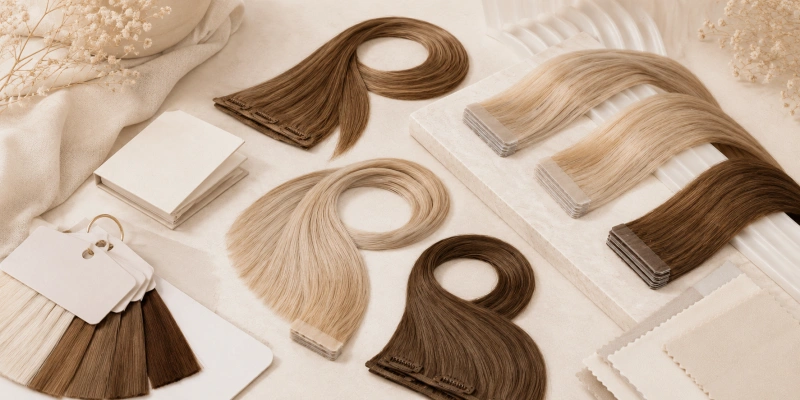
Target Audience & Lifestyle
You want to match the right invisible extensions to your customers’ routines. Think about how your audience lives day to day:
Clip-in extensions work best for people who want a quick style change for special occasions. They love the freedom to add length or volume in minutes and remove it just as fast.
Tape-in extensions suit those who want a semi-permanent look. These clients prefer a longer-lasting solution and don’t mind a bit more commitment.
Lifestyle matters. If your customers value convenience and low maintenance, clip-ins will make them happy. If they want a seamless, invisible finish that lasts through workouts and busy weeks, tape-ins deliver.
Business Model Fit
Your business model shapes which invisible hair product will sell best. If you run an e-commerce store, you’ll notice that clip-in extensions attract DIY users. These shoppers want easy application and a natural look. Retail stores also benefit from stocking clip-ins because customers can see and feel the quality before buying.
Salons, on the other hand, often focus on tape-in extensions. Stylists can offer professional installation and regular touch-ups, building long-term relationships with clients. E-commerce channels give you access to factory-direct pricing and exclusive collections, which can boost your variety and profit margins.
Pricing & Upsell Potential
Let’s compare the average price points and upsell opportunities for each invisible extension type:
Type | Price Range |
|---|---|
Remy Clip-Ins | $100 – $300+ |
Tape-In Extensions | $200 – $800 |
You can create more value for your brand by offering upsells. For example, offer effortless application kits for clip-ins or touch-up services for tape-ins. Bridal hair trial packages and instant ponytail or bun extensions also appeal to time-strapped clients.
These options help you increase sales while meeting your customers’ invisible hair needs.
Maintenance and Customer Satisfaction
Aftercare Expectations
You want your customers to feel confident caring for their new look. Aftercare for invisible clip-in and tape-in extensions differs, but both types need attention to keep hair looking fresh. With tape-ins, you should schedule regular maintenance appointments with your stylist for adjustments and repositioning.
You also need to secure your hair during exercise and use a swim cap when swimming. Limiting heat styling and using protectants helps prevent damage. If you notice discomfort, tangling, or visible tapes, consult your stylist. Always have a professional remove or replace tape-in extensions.
For clip-ins, aftercare is simpler. You remove them before sleeping, brush after each use, and wash occasionally. Store them properly to prevent tangling. Both types benefit from using sulfate-free shampoo, focusing on the scalp, and avoiding over-washing.
Regular conditioning keeps hair soft, but avoid conditioning the scalp with tape-ins. Detangle before washing and use a wide-tooth comb. Tie your hair in a loose braid or ponytail while sleeping and use a silk pillowcase for extra protection.
Product Lifespan & Repeat Sales
The lifespan of your extensions affects how often customers return. Tape-in hair extensions last about 6 to 8 weeks before needing a move-up. You can reuse them up to three times, so their total lifespan stretches to four to six months.
Clip-in extensions don’t have a set lifespan, but quality and maintenance play a big role in repeat sales. If you offer high-quality clip-ins and teach proper care, customers will come back for more.
Extension Type | Average Lifespan | Repeat Sales Potential |
|---|---|---|
Tape-In | 4-6 months (with reuse) | High |
Clip-In | Varies (quality matters) | High |
Impact on Brand Reputation
Great aftercare leads to happy customers. When you help clients maintain their extensions, you build trust and credibility. Repeat business and loyalty grow. Satisfied customers share positive word of mouth and recommend your brand. You see increased client retention and revenue growth.
Your professional reputation improves, and your business expands. Continuous improvement and quality assurance keep your brand strong.
Tip: Focus on aftercare education and support. You’ll boost customer confidence and comfort, making your brand the go-to for hair extensions.
Conclusion
Choosing between invisible clip-in and tape-in hair extensions depends on your brand’s goals and your customers’ lifestyles. If your audience wants quick changes and low-maintenance hair, clip-in extensions fit best. Tape-in extensions work well for clients with fine hair who need a seamless, natural look. You should:
Research the market and analyze competitors.
Define your niche and source high-quality hair.
Build a strong brand identity and marketing strategy.
Take time to understand what your customers value most before adding new extensions to your product line.
FAQ
Can you reuse invisible clip-in and tape-in extensions?
You can reuse both types. Clip-ins last longer because you remove them daily. Tape-ins need move-ups every few weeks. With good care, both options give you multiple uses.
Which extensions are better for thin hair?
Invisible tape-in extensions work well for thin hair. They lie flat and blend easily. Clip-ins also blend, but tape-ins feel lighter for everyday wear.
Do hair extensions damage your natural hair?
If you follow instructions, both types are safe. Clip-ins let your hair rest at night. Tape-ins need professional removal to avoid pulling or breakage.
How do you choose between clip-ins and tape-ins?
Think about your routine. If you want quick changes, pick clip-ins. If you want a longer-lasting look, try tape-ins. Both extensions offer a seamless finish.
Can you style and color both types?
You can style both with heat tools. You should avoid coloring at home. Ask a stylist for color changes to protect your hair and extensions.