
You want the best for your clients, but choosing between Vietnamese hair vs Chinese hair can feel overwhelming. Vietnamese hair shines when you need premium quality and lasting beauty. Chinese hair works if you want more variety and budget-friendly options.
You deserve extensions that deliver superior quality every time. Alpha sets the standard for superior quality hair and ethical sourcing in human hair products. Think about what your clients expect and what your business needs—superior quality and premium quality matter when you invest in quality hair extensions.
Key Takeaways
Vietnamese hair offers superior quality with ethical sourcing from single donors, ensuring long-lasting beauty and minimal processing.
Chinese hair provides budget-friendly options and a variety of styles, but often lacks consistency in quality due to mixed sources and heavy processing.
Choose Vietnamese hair for premium salons focused on client satisfaction, as it blends well and lasts longer with proper care.
Consider the long-term value of hair extensions; investing in Vietnamese hair can save money on replacements and maintenance over time.
Select a reliable hair extension supplier like Alpha to ensure high-quality hair and transparent sourcing, which builds trust with your clients.
Vietnamese Hair vs Chinese Hair: Origins
Vietnamese Hair: Ethical Sourcing
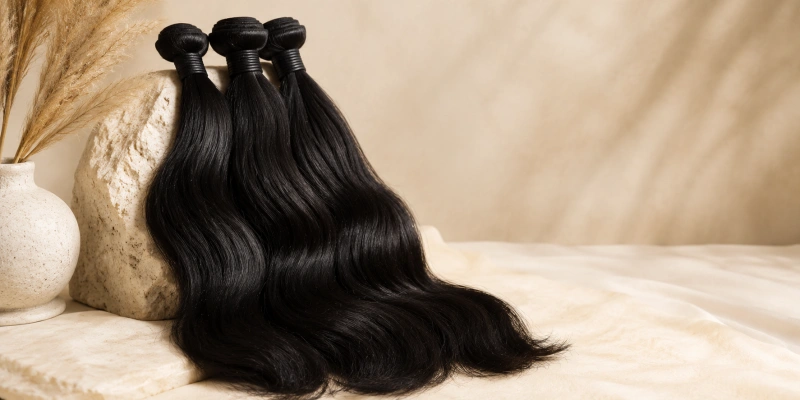
When you look for authentic Vietnamese hair extensions, you want to know exactly where the hair comes from. Vietnamese hair stands out because of its ethical and transparent origin and source. Most Vietnamese hair comes from single donors in rural areas of Vietnam.
These donors often have healthy lifestyles and take great care of their hair. You get hair that is remy or virgin, which means the cuticles stay intact and aligned. This keeps the hair soft, strong, and easy to manage.
Vietnamese suppliers focus on ethical sourcing. They make sure you know the origin of every bundle. Many suppliers hold international certifications like ISO or Alibaba Verified.
They also provide clear details about their sourcing and quality control. You can trust that Vietnamese hair extensions offer a transparent supply chain. Here are some key points about the origin and source of Vietnamese hair:
Hair is ethically sourced from single donors.
Suppliers provide clear information about hair origin and quality.
Many suppliers meet international standards for ethical sourcing.
If you want hair extensions that deliver consistent hair quality and last a long time, Vietnamese hair is a smart choice.
Chinese Hair: Mixed Sources
Chinese hair comes from many different places. The origin and source of Chinese hair often include hair collected from several regions, such as Xuchang, Qingdao, Taihe, Guangzhou, Shenzhen, Shaoyang, and Yiwu.
You will also find that Chinese hair is often mixed with hair from other countries, like India and Cambodia. This means Chinese hair is not usually from single donors.
Because of this, the origins of Chinese hair can be hard to trace. Mass production is common, and the hair may go through several hands before reaching you. This mix can affect Chinese hair quality and make it less consistent than Vietnamese hair.
If you want to know exactly where your hair comes from, you may find Vietnamese hair more reliable.
Alpha sets a high standard for ethical sourcing and transparency. When you choose a supplier, look for one that values clear origin and quality, just like Alpha does.
Hair Comparison: Texture & Appearance
Vietnamese Hair: Silky & Natural
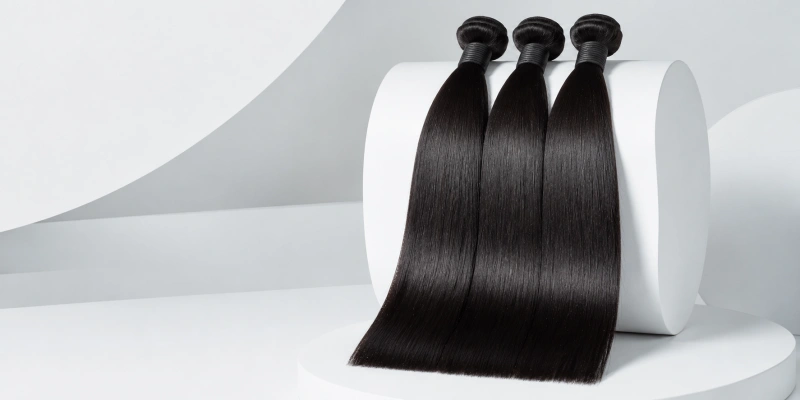
When you touch Vietnamese hair, you notice how silky and natural it feels. The texture and appearance stand out because the cuticles stay aligned and intact. Vietnamese hair is thick and strong, giving you a smooth look that blends easily with your own hair.
Most Vietnamese hair comes in natural straight black, but you can also find bone straight, body wave, loose wave, and bouncy curly patterns. These styles let you offer clients everything from sleek to voluminous looks. You rarely see tangling, and the hair keeps its shine for a long time.
Vietnamese hair quality comes from careful sourcing and minimal processing. You get extensions that last and look beautiful. Clients love the natural feel and the way Vietnamese hair holds its shape. If you want hair extensions that deliver premium results, Vietnamese hair is a top choice.
Tip: Vietnamese hair with full cuticle Remy structure blends seamlessly and stays soft, making it perfect for salons aiming for high-end results.
Chinese Hair: Coarse & Processed
Chinese hair offers a different texture and appearance. You often find it feels coarser and less natural. Chinese hair usually comes from mixed sources and goes through heavy processing. The strands are thinner, and the cuticles are often stripped away.
To make the hair look thicker, manufacturers use chemical treatments and silicone coatings. This gives Chinese hair a shiny look, but it can feel less soft and may not blend as well with natural hair.
Clients who want budget-friendly options or more variety might choose Chinese hair. You get many styles and colors, but the hair comparison shows that Chinese hair does not always match the softness or longevity of Vietnamese hair. If you want consistent hair quality, you need to pay attention to the source and processing.
Here’s a quick table showing the main differences in texture and appearance:
Aspect | Vietnamese Hair | Chinese Hair |
|---|---|---|
Thickness and Volume | Naturally thick with dense cuticle layers | Artificially thick due to chemical processing |
Hair Texture | Thick, strong, cuticle-aligned, and naturally smooth | Thinner strands, often stripped of cuticles and silicone-coated |
When you choose Alpha’s full cuticle Remy hair, you get superior softness and blending. This makes your extensions look and feel natural, giving your clients the quality they expect.
Processing Methods: Vietnamese vs Chinese Hair
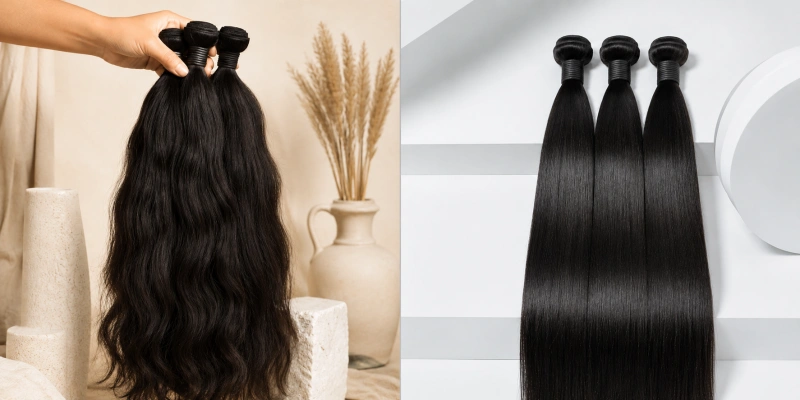
Vietnamese Hair: Minimal Treatment
You want hair that looks natural and lasts. Vietnamese hair gives you just that because it goes through minimal processing. Most suppliers collect this hair from single donors in rural areas. They cut the hair, bundle it, and keep the cuticles intact.
You won’t find harsh chemicals or heavy dyes here. This gentle approach helps the hair keep its natural strength and shine. Raw and virgin types stay soft and smooth, making them perfect for premium extensions.
Raw Vietnamese hair is cut and bundled without dyeing or perming.
The cuticles stay aligned, so the hair resists tangling and breakage.
Minimal processing means the hair keeps its integrity and lasts longer.
When you choose Vietnamese hair, you get extensions that hold up for years with proper care. The natural texture and healthy look make your clients happy every time.
Note: Alpha uses a cold bleaching process and strict quality control. This keeps the hair soft and strong, even when you want lighter shades.
Chinese Hair: Heavy Processing
Chinese hair takes a different path. Factories collect hair from many sources, then use heavy processing to create a uniform look. You’ll see chemicals like formaldehyde for smoothing and industrial dyes for coloring. These treatments strip away the cuticles and coat the hair with silicone for instant shine.
The hair may look glossy at first, but it can feel coarse and lose its softness over time.
Formaldehyde weakens the hair, causing dryness and split ends.
Textile dyes add color but can irritate the skin.
Heavy processing makes the hair degrade faster, so it doesn’t last as long.
If you want a quick style change or a budget option, Chinese hair offers variety. Just remember, the heavy processing can affect how long the hair stays beautiful.
Here’s a quick comparison to help you see the difference:
Aspect | Vietnamese Hair | Chinese Hair |
|---|---|---|
Origin and Supply | Single donors, ethically sourced | Multiple sources, factory processed |
Texture and Feel | Silky, smooth, naturally soft | Thicker, coarser, silicone-coated |
Durability and Lifespan | 1-2+ years with proper care | 6-18 months, faster degradation |
Styling Versatility | Holds curls, accepts color, resists heat | Limited after processing |
You want the best for your salon. Minimal processing keeps Vietnamese hair strong and beautiful. Heavy processing gives Chinese hair variety but can shorten its lifespan.
Durability & Maintenance
Lifespan & Resistance
When you invest in hair for your salon, you want it to last. Vietnamese hair stands out for its impressive durability. You get stronger strands and fuller ends, which means less tangling and shedding. Clients love how these extensions keep their smooth look, even after months of wear.
Vietnamese hair often lasts up to two years or more with proper care. That means you can offer longer wear and better value to your clients.
Chinese hair can feel soft when you first install it. However, after a few washes, you might notice it becomes dry or starts to tangle. Heavily processed Chinese hair may shed more and lose its shine faster.
High-quality Chinese hair can perform well, but cheaper options often struggle to keep their texture and strength. If you want longer wear and fewer problems, Vietnamese hair gives you peace of mind.
Here’s a quick look at how these two types compare:
Vietnamese hair resists tangling and shedding, even with daily styling.
Chinese hair may tangle or shed after washing, especially if it’s been heavily processed.
You get longer wear from Vietnamese hair, which means happier clients and fewer replacements.
Aftercare for Salon Use
Taking care of your extensions should not feel like a chore. Vietnamese hair makes aftercare simple. You can wash, style, and brush it just like natural hair. It holds up to heat tools and regular salon treatments. You spend less time fixing tangles or dealing with shedding. This saves you time and keeps your clients coming back.
Chinese hair needs a bit more attention. You may need to use extra conditioner or special products to keep it soft. If you skip these steps, the hair can become dry or lose its shape. For busy salons, Vietnamese hair offers easy maintenance and reliable results.
Tip: Alpha’s extensions are designed for salon professionals who want durability, easy care, and longer wear for every client.
Styling Versatility: Hair Performance
Coloring & Bleaching
You want hair that can handle color and bleach without losing its shine. Vietnamese hair gives you amazing styling versatility. The strong cuticle structure lets you bleach and color the strands evenly. You can create custom shades for your clients. Vietnamese hair keeps its smooth texture after repeated treatments.
You get extensions that stay soft and vibrant, even after salon coloring.
Vietnamese hair supports even bleaching and color results.
The strand structure stays consistent, so you avoid patchy color.
You can use Vietnamese hair for custom coloring and highlights.
The durability means you can bleach and color multiple times.
Chinese hair offers a different level of styling versatility. The heavy processing makes it harder to bleach or color. You might see uneven results or fading after a few washes. The cuticle is often stripped, so the hair can become dry or brittle. If you want bold colors, Chinese hair may not hold up as well as Vietnamese hair.
Tip: Alpha’s extensions blend seamlessly for light skin tones. You can achieve natural-looking color transitions and vibrant shades with Vietnamese hair.
Heat Styling & Hold
You need hair that can handle heat tools and keep its style. Vietnamese hair gives you reliable styling versatility. The thick strands and strong cuticles let you curl, straighten, or wave the hair without damage. You can use flat irons, curling wands, or blow dryers. Vietnamese hair holds its shape and stays smooth after styling.
Chinese hair has less styling versatility. The processed strands may not hold curls or waves for long. You might notice the hair loses its shape after heat styling. The silicone coating can melt or break down, making the hair look dull.
Here’s a quick table to compare styling versatility:
Feature | Vietnamese Hair | Chinese Hair |
|---|---|---|
Coloring & Bleaching | Even, vibrant, durable | Uneven, fades quickly |
Heat Styling & Hold | Holds shape, resists damage | Loses shape, prone to damage |
You want extensions that give you freedom to style. Vietnamese hair delivers styling versatility for every salon look. Chinese hair works for quick changes but may not last as long.
Pricing & Value: Vietnamese vs Chinese Hair
Upfront Cost Comparison
You want to know how much you’ll pay for hair. Vietnamese hair usually comes with a higher price tag than Chinese hair. The reason is simple. Vietnamese hair comes from single donors and goes through less processing. You get strong, healthy strands that last.
Chinese hair extensions often cost less upfront. Factories collect Chinese hair from many sources and process it in bulk. This lowers the hair price, so you can buy more for less.
Here’s a quick table to help you compare:
Hair Type | Upfront Price | Main Reason for Cost |
|---|---|---|
Vietnamese Hair | Higher | Single donor, less processing |
Chinese Hair | Lower | Mass collection, heavy processing |
If you run a salon that needs to keep costs low, Chinese hair extensions might look like the best deal. You can offer more styles and colors without spending a lot. Vietnamese hair works well if you want to focus on premium quality and long-term results.
Long-Term Value
You should think about more than just the initial price. Vietnamese hair gives you better value over time. These extensions last longer and need fewer replacements. You spend less on maintenance and get happier clients. Chinese hair extensions may need replacing sooner.
The heavy processing can lead to tangling and shedding. You might find yourself buying new hair more often.
Alpha helps you get the most out of your investment. The brand offers cost-effective solutions and stable supply guarantees. You can trust that your salon will always have high-quality hair on hand. When you choose the right supplier, you save money and build a loyal client base.
Tip: Always balance upfront price with long-term value. Quality hair means fewer headaches and more satisfied clients.
Market Positioning & Suitability
Premium vs Budget Salons
You want your salon to stand out. The type of hair you choose can help you reach the right clients. If you run a high-end salon, you know your clients expect the best. They want hair that looks natural, feels soft, and lasts a long time. Vietnamese hair fits this need.
It offers a silky texture and strong strands. Your clients will notice the difference in quality. They will love how the extensions blend with their own hair and stay beautiful for months.
If your salon focuses on quick styles or budget-friendly services, Chinese hair might work better. You get more variety in colors and styles. The upfront cost is lower, so you can offer more options to clients who want to change their look often.
This makes Chinese hair a good choice for salons that serve students, trendsetters, or anyone who likes to switch up their style.
Tip: Think about your main clients. Do they want premium, long-lasting results, or do they prefer affordable, trendy options?
Choosing the Right Supplier
Picking the right supplier matters as much as picking the right hair. You want a partner who cares about quality and consistency. Look for suppliers who use strict quality control and select only the best raw materials.
This helps you meet international standards and keeps your clients happy. Premium quality hair leads to better customer satisfaction and more repeat business.
Alpha offers tailored solutions for every type of salon. If you own a brand, manage a chain, or just opened your first shop, Alpha supports you. You get access to a wide range of hair products, expert advice, and reliable delivery. You can trust Alpha to help your salon grow with high-quality hair extensions that fit your market.
Note: The right supplier gives you more than just hair. You get peace of mind, happy clients, and a stronger business.
Decision Guide: Vietnamese Hair vs Chinese Hair
Quick Comparison Table
You want a clear answer when it comes to Vietnamese hair vs Chinese hair. This quick table helps you see the main differences at a glance. Use it to match your salon’s needs with the right hair type.
Feature | Vietnamese Hair | Chinese Hair |
|---|---|---|
Origin | 100% human hair from Vietnamese women (mountainous areas) | Mixed origins (India, Cambodia, fallen hair) |
Hair Texture | Thick, strong, cuticle-aligned, naturally smooth | Thinner strands, often stripped of cuticles, silicone-coated |
Grading System | Single, Double, Super Double Drawn, Super Luxury | Numbered grades (5A–15A), less standardized |
Chemical Process | Minimal to none (raw/virgin hair) | Acid baths, heavy silicone coating |
Lifespan | 2 to 5 years (with proper care) | 3 to 18 months |
Price | Mid-to-high tier (high ROI) | Low tier (budget-friendly) |
💡 Tip: The supply and demand for Vietnamese hair vs. Chinese hair can affect prices. Vietnamese hair often costs more because of its quality and limited supply. Longer lengths and rare colors may also increase the price.
Salon Checklist
Choosing between Vietnamese hair vs. Chinese hair for your salon can feel tricky. Use this checklist to make the process simple and smart:
Minimum Order Quantities (MOQ):
Check if the supplier’s MOQ fits your needs. Vietnamese vendors usually ask for 5–10 kg of raw hair or 10–20 finished wigs.Private Labeling Options:
Ask if you can get custom packaging and branded tags. Most Vietnamese suppliers offer this for wholesale clients.Vendor Verification:
Request a video call to see the factory and test hair quality live. This helps you avoid scams and low-quality hair.Quality Indicators:
Look for cuticle alignment and clear sourcing. High-quality hair should feel smooth and have all cuticles facing the same direction.Price Comparison:
Be careful with prices that are much lower than the market average. If the price is more than 15% below normal, the hair may not last.Sourcing Proof:
Ask for video proof of where the hair comes from. Good suppliers will show you the sourcing process.Test Before You Buy:
Request samples in the colors and lengths you want.
Check for softness, thickness, and shedding.
Inspect the cuticles for smoothness and intactness.
Wash and style the sample to see if it tangles or sheds.
Compare the shade under different lights.
Supplier Quality Control:
If you find problems during testing, ask about the supplier’s quality control process. Reliable suppliers like Alpha will explain their steps and offer solutions.
📝 Note: Always test hair quality before making a big order. Good suppliers will send samples that match their bulk products. Choosing a trusted supplier like Alpha means you get consistent quality and support for your salon.
You can use this decision guide to match your salon’s goals with the right hair. Whether you want premium extensions or budget-friendly options, you now have the tools to choose with confidence.
Conclusion
You want premium, lasting quality for your salon. Vietnamese hair gives you that, while Chinese hair offers budget and variety. Think about your business goals and client satisfaction. Check out this table to see how prioritizing quality impacts your salon:
Strategy | Description |
|---|---|
Transparent Communication | Build trust by explaining pricing and quality to clients. |
Emphasis on Hair Health | Focus on long-term hair health for loyal customers. |
You should test hair extensions and work with reputable suppliers. Build strong relationships by starting with sample orders, requesting live video inspections, and keeping clear communication. Choose the hair type that fits your salon’s priorities and client expectations.
FAQ
What makes Vietnamese hair a good choice for premium salons?
You get silky, strong hair with intact cuticles. Vietnamese hair blends well and lasts longer. Clients notice the difference in softness and shine. You can offer high-end services with confidence.
Can you color or bleach both Vietnamese and Chinese hair?
You can color or bleach both types. Vietnamese hair handles these processes better. The strands stay smooth and vibrant. Chinese hair may fade or dry out faster after chemical treatments.
How do you spot high-quality hair extensions?
Look for these signs:
Smooth, aligned cuticles
Consistent thickness
No strong chemical smell
Minimal shedding when brushed
Is Vietnamese hair worth the higher price?
Yes, you get more value over time. Vietnamese hair lasts longer and needs less maintenance. You save money on replacements and keep clients happy.
How do you avoid scams when buying hair extensions?
Ask for video proof of sourcing. Request samples before a big order. Choose trusted suppliers like Alpha. Reliable vendors show clear quality control and answer your questions.