
If you are asking, “How long do weft extensions last?” the useful answer has two parts. A professionally installed beaded, hand-tied, machine, or invisible weft usually needs a move-up after about 6–8 weeks. The hair itself can often be cleaned, reinstalled, and worn for roughly 6–12 months when it is high-quality human hair and you care for it consistently.
Those timelines are not guarantees. Your natural hair growth, installation method, weft construction, color processing, daily routine, and the quality of the hair all change the result. A light blonde weft that is heat-styled every day may show wear sooner than a darker, minimally processed weft handled gently. In the same way, a healthy weft may still need to be moved up even though the extension hair is nowhere near ready for replacement.
This guide separates wear time from product lifespan, so you can plan maintenance, recognize early damage, and get more value from every set.
How Long Do Weft Extensions Last? The Quick Answer?
For most semi-permanent weft methods, use these ranges as a practical starting point:
| Weft or installation type | Typical time before maintenance | Typical reusable hair lifespan |
|---|---|---|
| Beaded or invisible-bead weft | 6–8 weeks before a move-up | About 6–12 months |
| Hand-tied weft | 6–8 weeks before a move-up | About 6–12 months |
| Machine weft | 6–8 weeks before a move-up | About 6–12 months |
| Genius, invisible, or flat weft | 6–8 weeks before a move-up | About 6–12 months |
| Sew-in weft on braids | 6–8 weeks before removal or reinstallation | About 6–12 months if the hair remains healthy |
| Tape or skin weft | 4–8 weeks before reapplication | About 3–9 months, depending on the hair and adhesive system |
| Clip-in weft | Removed after each wear | About 6–12 months or longer with occasional use |
Your stylist may recommend an earlier appointment if your hair grows quickly, the row starts to drop, or your natural hair is fine and needs closer monitoring. Waiting longer is not a shortcut to lower maintenance costs. Once the attachment sits too far from your scalp, it can twist, pull, show through, or allow shed hairs to mat around the row.
If you are still comparing constructions, review the types of weft hair extensions before you choose a method.
One Question, Three Different Lifespans
The phrase “how long weft extensions last” can describe three different things. Keeping them separate makes the answer much easier to understand.
1. The maintenance cycle
This is the time between installation and your next move-up or reinstallation. For many salon weft methods, it is around 6–8 weeks. Your natural hair keeps growing, so the attachment gradually moves away from your scalp even when the weft and stitching are still in excellent condition.
2. The reusable life of the hair
This is how many months the extension hair remains soft, full, manageable, and suitable for another installation. Quality Remy or full-cuticle human hair commonly delivers 6–12 months of use. Some carefully maintained, minimally processed hair may last longer, while heavily lightened shades or lower-grade hair may need replacement sooner.
3. The life of the weft seam
The top seam must continue to hold the strands securely. A weft can lose density through shedding even when the remaining hair still feels soft. Construction quality, cutting and sealing instructions, stitching, brushing tension, and repeated removal all affect seam life. That is why softness alone is not enough when you inspect an older set.
How Lifespan Changes by Weft Type?
The installation method controls the maintenance schedule, while hair quality and construction do more to determine how many times you can reuse the set.
Hand-tied wefts
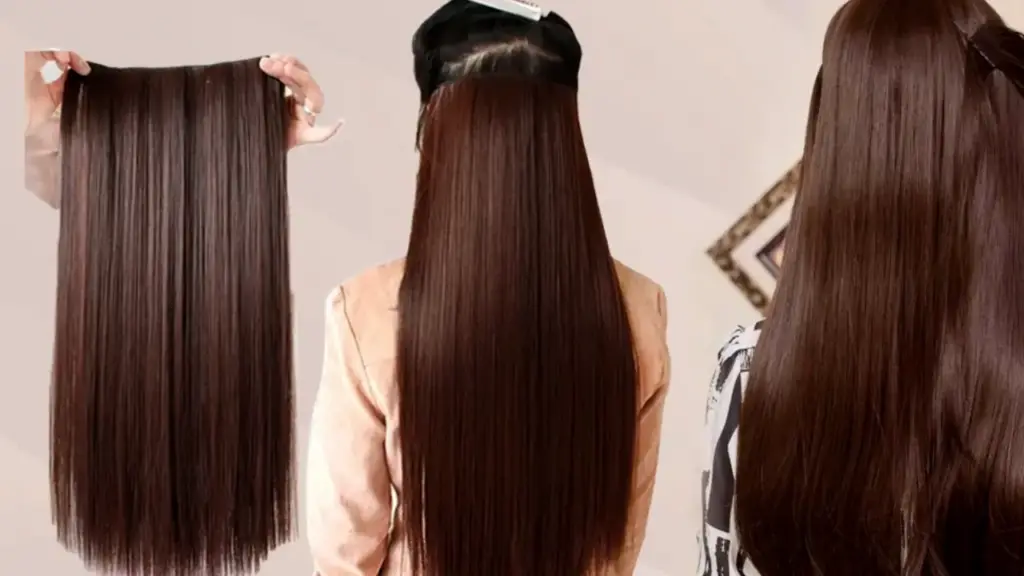
Hand-tied wefts are thin, flexible, and comfortable when the row is designed for your hair density. You will usually return for a move-up every 6–8 weeks. The hair can often be reused for 6–12 months, but the delicate seam must be handled carefully. Do not cut a hand-tied weft unless the supplier specifically allows it, because an unsealed cut can unravel.
For a closer look at this method, see how long hand-tied hair extensions last.
Machine wefts
Machine wefts have a stronger, thicker track and can suit medium to dense natural hair. Their move-up schedule is still commonly 6–8 weeks because your growth—not the seam thickness—sets the maintenance clock. Well-made human-hair machine wefts can often be reused for 6–12 months. Poor cutting, weak sealing, or aggressive thinning near the seam can shorten that period.
Genius, invisible, flat, and butterfly wefts
These newer flat-profile wefts are designed to sit close to the scalp and give a discreet finish. Many can be customized by cutting, although you should always follow the specific product instructions. Expect a similar 6–8-week maintenance rhythm and roughly 6–12 months of reusable life for quality human hair.
The finer the seam, the more important precise stitching, gentle removal, and controlled cutting become.
If butterfly construction is part of your range, the detailed guide to how long butterfly weft extensions last covers that product separately.
Beaded and micro wefts
A beaded row holds the weft without glue at the attachment. The beads and stitching still move down as your hair grows, so most clients need a move-up in about 6–8 weeks. The weft hair may last 6–12 months and can be reused across several appointments if the seam, density, and ends remain healthy.
For smaller attachment systems, read the guide to micro weft extension lifespan.
Sew-in wefts
With a traditional sew-in, the weft is stitched to a braided foundation. Six to eight weeks is a common wear period before takedown, cleansing, and reinstallation. Your scalp, new growth, braid condition, and any matting determine the right timing. Leaving the style in too long can make detangling harder and increase tension, even if the extension hair still looks good.
Tape, skin, and clip-in wefts
Tape and skin wefts often need reapplication after 4–8 weeks because oils, product buildup, washing, and natural growth affect the adhesive.
Clip-in wefts are different: you remove them after each wear, so they may last a year or longer when used occasionally and stored properly. These timelines should not be mixed with the continuous-wear schedule for sewn or beaded rows.
What Determines How Long Your Weft Hair Extensions Last?
Two clients can buy the same product and get very different results. These factors usually explain the difference.
Hair quality and cuticle alignment
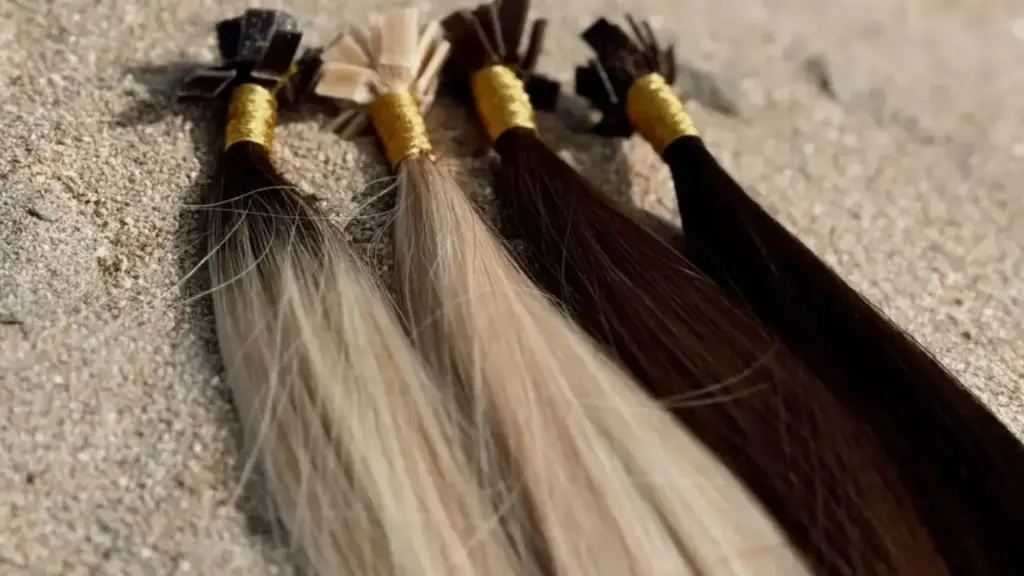
Human hair generally lasts longer and behaves more naturally than synthetic fiber. Within human hair, intact, aligned cuticles help reduce friction and tangling. Remy labeling alone does not tell you everything; sourcing consistency, cuticle condition, silicone coating, and the amount of processing also matter. If you are comparing grades, this full-cuticle Remy, Remy, and non-Remy guide explains the practical differences.
Bleaching, coloring, and texture processing
Every strong chemical service changes the fiber. Pale blondes, fashion colors, perms, and heavily processed curls usually need more moisture and gentler heat than darker, minimally processed shades. You should expect a realistic lifespan range by color family rather than promise every shade will perform identically.
Weft construction
A secure seam limits shedding while staying flexible enough for installation. Look at stitch consistency, return hair, edge finish, cuttability, density from top to ends, and how the seam behaves after washing. If strands release from the track during gentle combing, the set may lose usable volume long before the lengths wear out.
Professional installation
Correct row placement, weight distribution, bead spacing, thread tension, and section size protect both the weft and your natural hair. Too much weight or tension can cause discomfort and breakage. Too little security can cause slipping and extra friction. A skilled stylist also chooses a weft weight that your density can support instead of treating every head the same.
Your home-care routine
Extensions do not receive oil from your scalp all the way down the lengths as efficiently as your own attached hair. Rough cleansing, missed detangling, high heat, and sleeping with damp hair therefore show up quickly as dryness, matting, split ends, or shedding. Consistent, gentle care matters more than an occasional rescue mask.
Your lifestyle
Frequent swimming, hard workouts, humid weather, sun exposure, and daily hot-tool use can all shorten the polished life of a set. You do not have to avoid an active life, but you do need to rinse, dry, detangle, and protect the hair more deliberately.
How to Make Weft Extensions Last Longer?
Your routine does not need to be complicated. It needs to prevent friction, buildup, moisture loss, and unnecessary tension.
Brush without pulling on the row
Support the weft with one hand and detangle the ends first. Work upward in small sections with an extension-friendly brush or wide-tooth comb. Brush the lengths at least morning and evening, and check carefully between rows where hidden tangles begin. Do not rake a brush through the attachment or force it through a knot.
Wash for your scalp and lifestyle
Many wearers do well washing about two or three times a week, but your correct frequency depends on scalp oil, exercise, texture, and product use. Clean the scalp with gentle pressure and let the lather travel down the lengths. Do not pile, twist, or scrub the hair together. Keep rich conditioner and oily masks mainly on the mid-lengths and ends, away from beads, tape, and the top seam.
Choose an extension-compatible cleanser rather than relying on a vague “natural” label. This guide to shampoo for hair extensions explains what to look for.
Dry the attachment area completely
Blot with a microfiber towel instead of rubbing. Separate the rows, apply heat protectant to the lengths, and dry the roots and seams thoroughly with controlled airflow. You can air-dry part of the lengths if your texture and stylist allow it, but leaving the attachment area damp for hours encourages tangling and can affect beads, thread, or adhesive.
Use heat strategically
Apply a heat protectant, work at the lowest effective temperature, and avoid repeated passes. Keep direct heat away from tape, thread, beads, and delicate seams. If you restyle every day, expect the ends to age faster. Heatless waves and lower-tension styles give the fiber recovery time.
Protect the hair while you sleep
Go to bed only when the hair and attachment area are fully dry. Detangle, then secure the lengths in a loose braid or low ponytail. A silk or satin pillowcase can reduce friction, but it does not replace brushing or drying. For method-specific tips, see sleeping with hand-tied extensions.
Plan for swimming and workouts
Before swimming, wet the hair with clean water, apply a light protective leave-in to the lengths if your stylist recommends it, and secure the hair in a braid. Rinse promptly after chlorine or salt water, then dry the rows completely. After a workout, do not leave a damp, tight ponytail sitting against the attachment for the rest of the day. The guide to swimming with hand-tied extensions gives a fuller routine.
Keep every move-up appointment
Most weft problems are easier to correct early. During maintenance, your stylist can remove shed hair, check the scalp, clean the section, inspect the seam, replace loose beads or thread, and reinstall the row with balanced tension. Use the weft extension maintenance guide and your stylist’s advice to set your schedule.
Do You Need a Move-Up or New Hair?
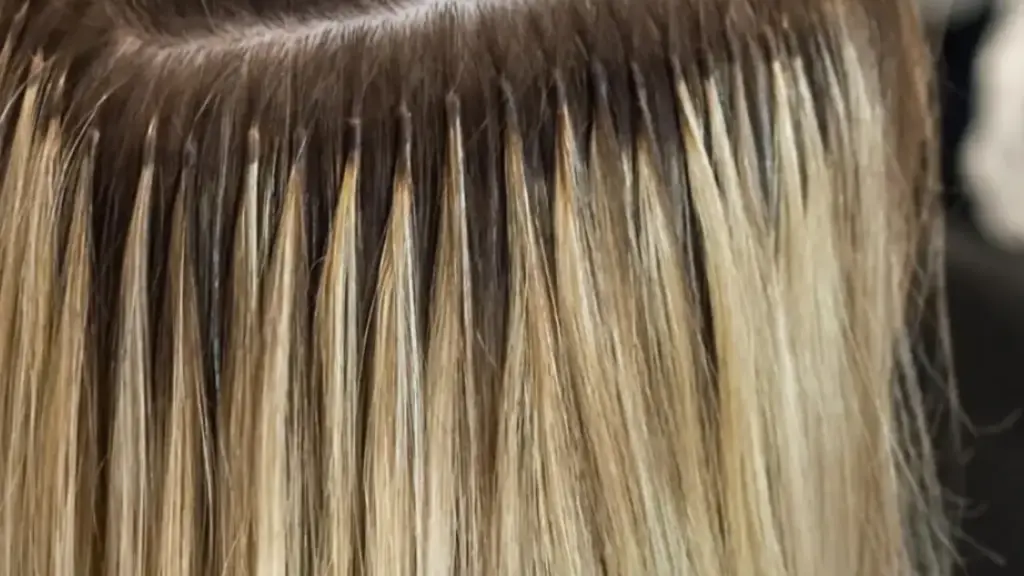
A dropped row does not automatically mean the hair is worn out. First decide whether you have an installation issue or a product-lifespan issue.
Signs you probably need maintenance
- The row has grown noticeably away from your scalp.
- Beads or stitching feel loose, uneven, or visible.
- The weft flips, twists, or no longer lies flat.
- Shed natural hair is beginning to collect around the attachment.
- The blend has changed even though the extension lengths still feel healthy.
Signs the extension hair may need replacement
- The ends remain thin, split, or rough after conditioning and trimming.
- Tangling returns quickly after careful detangling.
- Shedding has reduced the density enough to affect the finished look.
- The seam is frayed, damaged, or releasing hair.
- The color, curl pattern, or texture no longer matches consistently.
- The hair requires so much product and heat to look acceptable that reuse is no longer practical.
Your stylist can often combine healthy wefts from an older set with a small amount of new hair. You do not always need to replace every row at once.
Common Mistakes That Shorten Weft Lifespan
- Delaying move-ups because the row still feels secure.
- Sleeping with wet or tangled extensions.
- Applying conditioner, oils, or silicone-heavy products directly to attachments.
- Scrubbing the scalp and lengths together during washing.
- Brushing from the root downward without supporting the weft.
- Using high heat daily or placing hot tools against the seam.
- Bleaching or recoloring extension hair without a strand test.
- Cutting a weft that is not designed to be cut.
- Wearing tight, high styles that pull against the row.
- Ignoring persistent pain, itching, slippage, or signs of natural-hair stress.
Good care is not about keeping a set installed for the longest possible time. It is about preserving the extension hair while protecting your scalp and natural hair.
If You Source Wefts for a Salon or Hair Brand?
When you buy in bulk, “6–12 months” should be a performance range to verify, not a line to print without evidence. Ask your manufacturer how the hair was sourced and processed, whether the cuticles remain aligned, which colors have undergone heavy bleaching, and whether each construction can be cut.
Request samples from the actual color and texture families you plan to sell. Wash, dry, comb, heat-style, and reinstall them several times. Record shedding, tangling, color change, seam fraying, end density, and weight loss. A dark straight sample cannot predict how a light blonde or processed curl will perform.
You should also confirm batch consistency, labeling, care instructions, replacement criteria, and the claims your salon team can make confidently. A clear quality-control standard reduces complaints and helps your customers choose the right product for their maintenance habits. Alpha Hair’s weft extension quality-control guide provides a useful starting checklist.
If you are developing a private-label collection, explore Alpha Hair’s wholesale weft hair extensions and request samples for your own wear and wash testing before you set a lifespan claim.
FAQ
How often should you move up weft extensions?
Most beaded, hand-tied, machine, genius, and invisible weft installs need a move-up about every 6–8 weeks. Your stylist may shorten or extend that interval slightly based on hair growth, density, method, and row condition.
Can you reuse weft hair extensions?
Yes. If the hair, ends, and seam remain in good condition, a professional can clean and reinstall the same wefts several times. Reusability is one reason the hair lifespan is much longer than a single installation cycle.
How long do beaded weft extensions last?
The beaded installation commonly needs a move-up after 6–8 weeks. Quality human-hair wefts can often be reused for about 6–12 months with consistent care.
How long do hand-tied weft extensions last?
Expect maintenance around every 6–8 weeks and a reusable hair lifespan of roughly 6–12 months. Handle the hand-tied seam gently and follow the supplier’s cutting rules.
How long do machine weft extensions last?
Machine wefts usually follow a 6–8-week move-up cycle. The hair commonly lasts 6–12 months when the construction and human hair are high quality and the set is maintained well.
How often should you wash weft extensions?
Many people wash two or three times per week, but you should adjust for scalp oil, workouts, texture, and your stylist’s directions. Gentle technique and thorough drying matter more than following a fixed number.
Can you sleep with weft extensions?
Yes, if the installation is designed for continuous wear. Dry and detangle the hair first, then use a loose braid or low ponytail to limit friction and matting.
Can you swim with weft extensions?
Yes, but chlorine and salt water can dry the hair and increase tangling. Secure the hair, rinse soon afterward, and dry the rows completely. Frequent swimmers may need more conditioning and closer maintenance.
Do weft extensions damage your natural hair?
They should not cause avoidable damage when the weight, placement, tension, home care, and maintenance schedule are appropriate for your hair. Pain, persistent pulling, scalp irritation, thinning, or breakage are reasons to contact your stylist promptly.
Conclusion
So, how long do weft extensions last? Plan on roughly 6–8 weeks between professional move-ups for most semi-permanent methods and about 6–12 months of reusable life from quality human-hair wefts. Then adjust that expectation for the construction, shade, processing, installation, and way you care for the hair.
The longest calendar lifespan is not always the best result. A successful set stays comfortable, looks full, remains manageable, and protects your natural hair through every maintenance cycle. Choose quality you can verify, follow a simple aftercare routine, and replace the hair when performance—not just time—tells you it is ready.