
Hair extensions can add length, volume and color in a single appointment, but “how long they last” is not one simple number. A clip-in set is removed after each wear. Tape-ins and wefts stay in place for several weeks before maintenance. Keratin bonds and micro-link methods can remain installed for months, although the extension hair may have a different total usable life.
This guide separates those timelines so you can compare methods without confusing a move-up appointment with full replacement. If you are still choosing a method, start with Alpha’s professional hair extension range.
Quick answer: Hair extension lifespan has two different timelines: how long one installation stays in the hair before maintenance or removal, and how long the extension hair itself remains reusable before replacement.
Tape-ins usually need a move-up after about 6–8 weeks; clip-ins are removed daily but may remain usable for many months; professionally installed bonded and bead-based methods can stay in place longer before removal or adjustment.
How Long Do Hair Extensions Last? Quick Comparison
These are practical planning ranges, not guarantees. Natural hair growth, installation quality, hair quality, washing, heat, friction and home care can shorten or extend the result.
| Extension Method | One Wear / Install Cycle | Maintenance / Move-Up | Reusable? | Total Hair Lifespan & Detailed Guide |
| Clip-in | Removed after each wear | At-home care; no salon move-up | Yes | Several months to around one year, depending on frequency, quality and care.clip-in extension lifespan |
| Tape-in | About 6–8 weeks | Professional move-up and retaping | Yes | Often reused across multiple installations; total life varies by hair and care.how long tape-in extensions last |
| Weft / Sew-in | About 6–8 weeks per installation | Professional move-up or reinstallation | Usually | May support multiple installations if the hair and track remain in good condition.how long weft extensions last |
| Keratin / Fusion | About 2–3 months | Professional removal; rebonding depends on system | Depends | Do not assume reuse; confirm whether the system allows professional rebonding.keratin hair extension lifespan |
| Micro-link / I-tip | About 2–3 months before adjustment | Bead repositioning / professional reinstall | Often | May be reinstalled when the hair remains in good condition and suitable beads are used.micro-link extension lifespan |
Wear Cycle vs Total Hair Lifespan
Wear cycle means the time between installation and the next removal, move-up or repositioning appointment. For example, a tape-in application may stay in place for roughly 6–8 weeks before natural hair growth moves the tabs away from the scalp.
Total hair lifespan means how long the extension hair remains soft, manageable and suitable for continued use. A reusable method may go through several installation cycles, but only while the hair and attachment area remain in good condition.
This distinction matters because maintenance does not always mean replacement. In some systems the hair can be removed, cleaned or retaped, checked and installed again. In other systems the bond is removed and the hair can only be reused if the product is designed for professional rebonding.
Hair Extension Lifespan by Type
Clip-In Hair Extensions
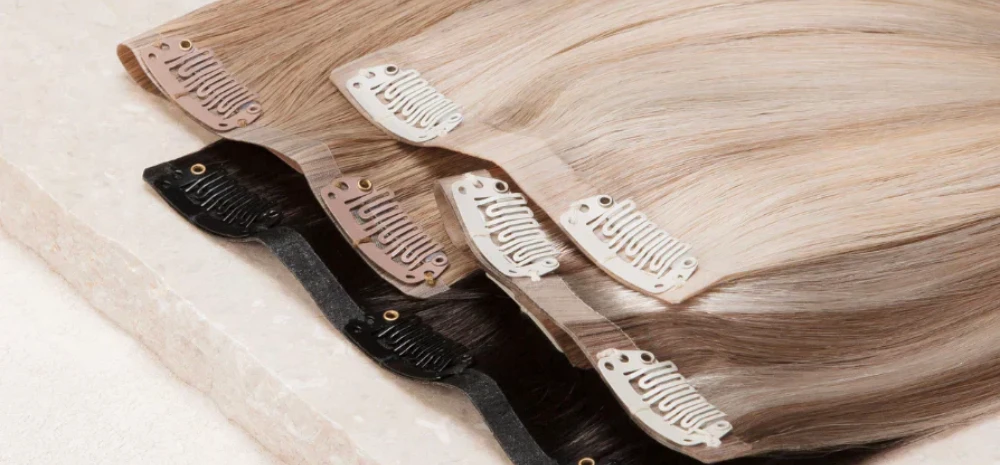
Clip-ins are temporary: apply them for the day and remove them before sleeping. Because they are not exposed to constant washing, scalp oils and friction, a well-made human-hair set may remain usable for several months and, with occasional wear and careful storage, around a year. Daily wear and frequent heat styling will shorten that window. See the full guide to clip-in extension lifespan.
Tape-In Hair Extensions
Tape-ins normally stay installed for about 6–8 weeks before a professional move-up. That appointment is driven mainly by natural hair growth, not necessarily by worn-out extension hair. If the hair remains in good condition, the tabs can be cleaned, retaped and repositioned for another installation.
Oils and heavy conditioner near the tape can cause early slipping. Read how long tape-in extensions last for the complete reuse and maintenance timeline.
Weft and Sew-In Hair Extensions
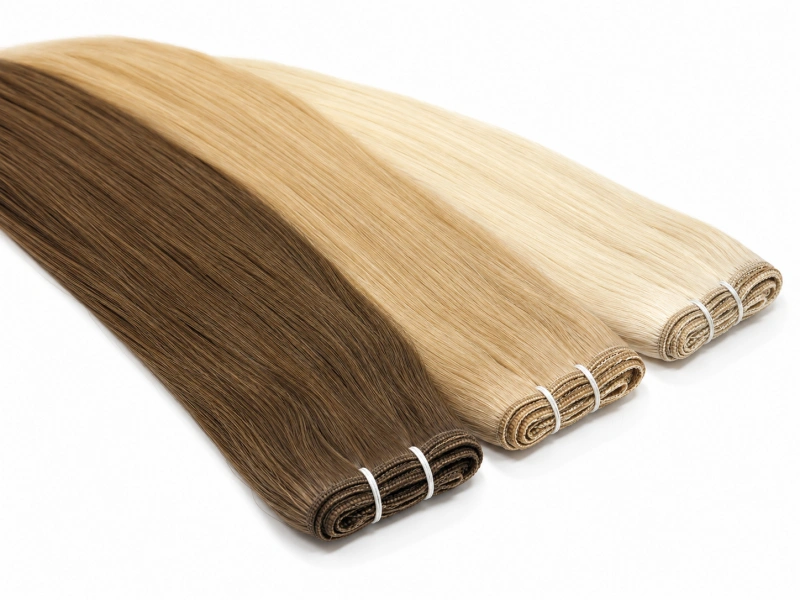
A sew-in or beaded-weft installation is commonly maintained or reinstalled after about 6–8 weeks, although timing depends on growth, tension and the chosen technique. The weft hair may be used again if the track, stitching and hair remain sound.
Because “weft” describes the hair construction while “sew-in” describes an installation method, the detailed guides stay separate: compare how long weft extensions last with the sew-in installation lifespan.
Fusion and Keratin-Bond Hair Extensions
Fusion or keratin-bond extensions are generally worn for about 2–3 months before professional removal, depending on growth and bond condition. They do not need the same 6–8 week retaping schedule as tape-ins.
Reuse is not automatic: some systems allow suitable hair to be professionally rebonded, while others are intended for one installation. Review the keratin hair extension lifespan or the fusion extension lifespan guide for method-level detail.
Micro-Link and I-Tip Hair Extensions
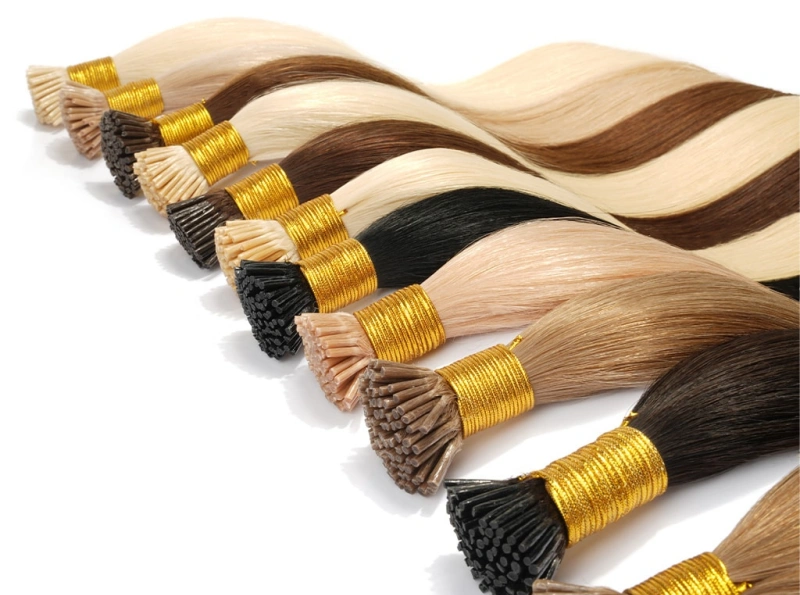
Micro-link and I-tip systems usually need professional adjustment after roughly 2–3 months as the natural hair grows. The stylist opens or replaces the beads, checks the strands and repositions suitable hair.
Reuse depends on the condition of the extension hair and attachment components, not just the calendar. For narrower method guidance, see how long micro-link extensions last and how long I-tip hair extensions last.
How Often Do Extensions Need Maintenance or Move-Ups?
Maintenance timing depends on how the extension is attached and how quickly the natural hair grows. A scheduled appointment is usually a chance to check the attachment, remove tangles near the root and restore comfortable placement; it is not automatically the end of the hair’s usable life.
- Clip-ins: Remove after every wear. Wash only when needed, detangle gently and store flat or on a hanger.
- Tape-ins: Plan a professional move-up and retaping after about 6–8 weeks, or sooner if tabs slip or become visible.
- Wefts and sew-ins: Book maintenance or reinstallation around the 6–8 week point, based on growth, tension and stylist advice.
- Keratin or fusion bonds: Arrange professional removal near the end of the installation cycle; do not pull or dissolve bonds at home.
- Micro-links and I-tips: Have the beads checked and repositioned as the natural hair grows, often around 2–3 months.
Can Hair Extensions Be Reused?
Many hair extensions can be reused, but reuse depends on both the method and the condition of the hair. Clip-ins are designed for repeated wear. Tape-ins can be retaped. Wefts can often be removed and installed again.
Micro-link and I-tip strands may be repositioned with suitable beads. Keratin or fusion hair should only be reused when the specific system supports professional rebonding.
Before reinstalling any product, check for dryness, matting, shedding, damaged attachment points and a color or texture change that no longer blends with the client’s hair. Reusing compromised hair may save one appointment but create a poor result and more difficult maintenance later.
What Makes Hair Extensions Last Longer?
The attachment method sets the maintenance schedule, but daily handling determines how well the hair reaches the next appointment—and whether it is suitable for another installation.
- Hair quality and cuticle alignment: Human hair with aligned cuticles is generally easier to keep smooth because the strands move in the same direction. Excessive processing can make any extension dry or fragile sooner.
- Professional installation: Correct section size, placement and tension reduce slipping, matting and avoidable stress on natural hair.
- Gentle washing: Detangle before washing, avoid aggressive rubbing and keep conditioner or heavy oils away from tapes, beads and bonds. Follow the full guide on how to wash hair extensions.
- Controlled heat: Use heat protectant and the lowest effective tool temperature. Keep direct heat away from adhesive tabs and bonded attachment points.
- Less friction: Brush in sections, hold the attachment area for support and avoid rough towels or tight styles that pull at the roots.
- Night care: Remove clip-ins. For professionally installed methods, detangle and secure the hair in a loose braid or low ponytail before bed. See how to sleep with hair extensions.
- Correct storage: Keep removable hair clean, dry and protected from tangling. The hair extension storage guide covers the full routine.
When Should You Replace Hair Extensions?
A move-up is appropriate when the hair is still in good condition and the attachment simply needs to be repositioned. Replace the hair when its condition no longer supports a clean, comfortable result.
- Persistent dryness or roughness that does not improve after appropriate conditioning.
- Matting or tangling that returns quickly after careful detangling.
- Noticeable shedding, thinning ends or loss of density.
- Torn weft tracks, damaged clips, worn tape tabs or compromised bonds.
- A color or texture change that no longer blends with the natural hair.
- Slipping, discomfort or visible attachments that continue after professional maintenance.
Which Hair Extensions Last the Longest?
There is no single winner for every client because “longest” can mean the longest continuous installation, the greatest reuse potential or the longest total life of the hair. For a direct durability comparison using those criteria, read which hair extensions last the longest.
FAQ
How long should hair extensions last?
Temporary clip-ins are removed each day but may remain usable for many months. Tape-ins and weft installations commonly need maintenance after about 6–8 weeks. Keratin/fusion and micro-link methods may stay installed for about 2–3 months before removal or adjustment. Total hair life depends on quality, care and whether the method supports reuse.
How long can human hair extensions last?
High-quality human hair generally has greater reuse potential than synthetic hair, but there is no reliable sitewide number for every product and routine. Frequency of wear, chemical processing, heat, washing and friction all affect the result. Use the product-specific guide and confirmed supplier specification for a more precise expectation.
Do hair extensions need to be replaced at every move-up?
Not always. Tape-ins, wefts, clip-ins and many bead-based strands can be reused if the hair and attachment remain in good condition. A stylist should inspect the hair before reinstallation. Bonded methods depend on whether the system is designed for professional rebonding.
How long do hair extensions last in your hair?
Installed methods generally stay in the hair for several weeks to a few months. Tape-ins and wefts are commonly maintained around 6–8 weeks, while keratin/fusion and micro-link methods may reach roughly 2–3 months before removal or adjustment. The correct appointment timing depends on growth, placement and condition.
Can you sleep with hair extensions?
Remove clip-ins before bed. Professionally installed extensions can usually be worn overnight, but detangle them first and secure the lengths in a loose braid or low ponytail. Follow the method-specific advice in the sleeping with hair extensions guide.
Does washing make hair extensions wear out faster?
Over-washing, rough handling and hot water can dry the hair and weaken some attachment systems. Wash only as needed, use products suitable for extensions and keep oils away from adhesive or bead areas. Clean hair is important; the goal is gentler technique, not avoiding washing altogether.
Conclusion
How long hair extensions last depends on which timeline you are measuring. One installation may last 6–8 weeks or 2–3 months, while reusable hair can continue through more than one application if it remains soft, manageable and structurally sound. Keeping those timelines separate makes maintenance and replacement easier to plan.
Choose the method around the client’s routine, book maintenance before attachments become uncomfortable or visible, and replace the hair when its condition no longer supports a clean result. For salon, wholesale or brand sourcing, compare Alpha’s human hair extension methods and request the relevant product specifications before setting customer lifespan expectations.