
Silicone is a common ingredient in many hair care products, designed to smooth, protect, and add shine to strands. It coats the hair shaft, reducing frizz and preventing moisture loss. Understanding how silicone interacts with hair is essential for achieving healthy, manageable hair while avoiding potential buildup or long-term damage.
While silicone can offer immediate cosmetic benefits, its effects vary depending on hair type and product formulation. Some silicones are water-soluble and easy to wash out, while others can accumulate over time. Knowing how to choose the right products and maintain proper hair care routines ensures your hair remains smooth, soft, and vibrant without unwanted residue.
What Are Silicones in Hair Products?
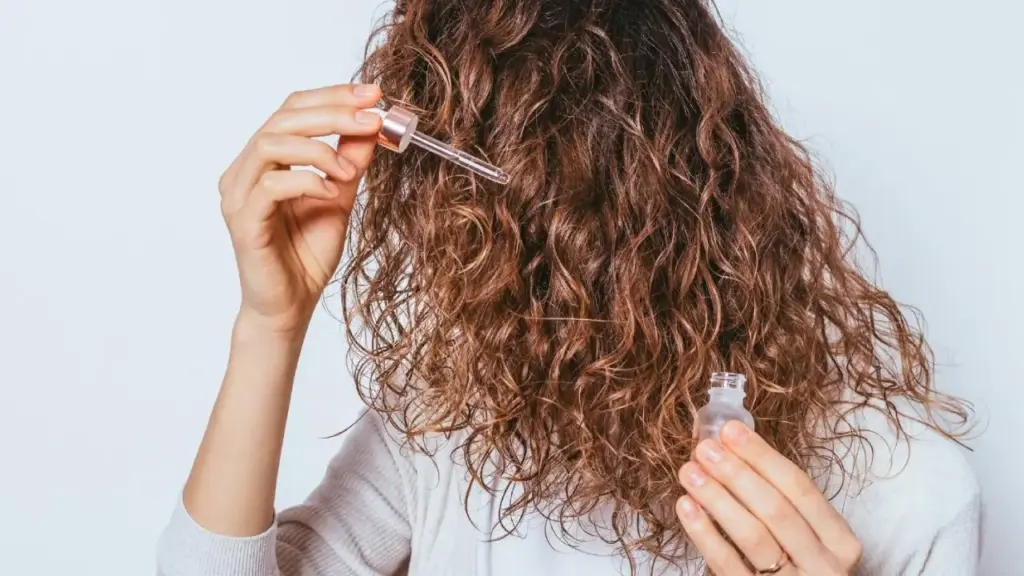
Silicones are synthetic compounds commonly used in hair care products to coat the hair shaft, providing smoothness, shine, and frizz control. They form a thin, protective layer that helps reduce moisture loss, prevent tangling, and protect hair from heat damage caused by styling tools. Silicones are widely used in shampoos, conditioners, serums, and styling products.
There are different types of silicones, including water-soluble and non-water-soluble varieties. Water-soluble silicones are easier to wash out and less likely to build up, while non-water-soluble silicones can accumulate over time, potentially weighing hair down. Choosing the right type and using them appropriately ensures hair benefits from their protective and cosmetic properties without unwanted residue.
What Do Silicones Do to Your Hair?
Silicones are widely used in hair care for their ability to smooth, protect, and enhance shine. They coat the hair shaft, providing a polished appearance and temporary frizz control. Understanding their effects can help you use silicone-based products effectively while avoiding buildup or long-term damage to maintain healthy, manageable, and beautiful hair.
- Adds Shine and Smoothness – Silicones create a thin, protective layer over hair strands that reflects light, making hair appear shiny and silky. We ensure this coating improves manageability, reduces frizz, and gives a smooth, polished finish that enhances the overall look without chemical damage.
- Protects Against Heat – Silicones form a barrier on hair that helps reduce damage from styling tools such as straighteners, curling irons, and blow dryers. We highlight their ability to shield strands from excessive heat, preventing dryness, breakage, and split ends during styling routines.
- Reduces Frizz and Tangles – By coating the hair, silicones smooth the cuticle, which minimizes friction between strands. We find this helps reduce tangling, improves detangling, and maintains a neat, manageable hairstyle even in humid or challenging weather conditions.
- Temporary Moisture Lock – Silicones help prevent immediate moisture loss by creating a seal on the hair shaft. We explain that while this improves softness and smoothness, overuse without proper washing can lead to buildup that may weigh hair down or make it appear greasy.
- Enhances Styling Versatility – Silicones allow hair to hold styles longer by creating a flexible, protective layer. We ensure this property makes hair easier to shape, curl, or straighten while maintaining a polished, professional look without compromising natural movement or texture.
What is Silicone Hair Treatment?
Silicone hair treatment is a type of hair care application that uses silicone-based compounds to coat the hair shaft. This coating provides smoothness, reduces frizz, adds shine, and protects hair from heat and environmental damage. It is commonly found in serums, leave-in conditioners, and specialized hair masks.
These treatments temporarily seal moisture within the hair, making strands appear healthier and more manageable. While silicone treatments improve texture and styling ease, overuse can lead to buildup if not properly washed out. Choosing the right products and using them in moderation helps maintain soft, shiny, and natural-looking hair.
How to Identify Silicone in Hair Products?
Identifying silicone in hair products helps you understand how they affect your hair and choose the right products for your hair type. Silicones can provide smoothness, shine, and frizz control but may build up over time. Learning to read labels and recognize common silicone ingredients ensures you maintain healthy, manageable hair without unwanted residue.
- Check the Ingredient List – We carefully review the product label to spot silicone-related compounds. Common names include dimethicone, cyclomethicone, amodimethicone, and trimethylsiloxy. By identifying these ingredients, we can understand how the product will coat and protect the hair shaft and its potential for buildup.
- Look for Water-Soluble Silicones – Some silicones, like dimethicone copolyol or PEG-modified silicones, are water-soluble. We know these are easier to wash out, reducing the risk of buildup. Recognizing these helps select products that provide smoothness while maintaining hair’s natural health with regular cleansing.
- Understand Non-Water-Soluble Silicones – Silicones like regular dimethicone are not water-soluble and can accumulate over time. We note these may require clarifying shampoos for removal, and understanding this helps prevent heavy, weighed-down hair or dull appearance from repeated use.
- Observe Product Texture and Finish – Silicone-containing products often feel silky, slippery, or coating on the fingers. We can identify their presence by how they make hair feel immediately after application, giving smoothness and shine while forming a protective layer over strands.
- Check for Product Claims – Products labeled “smooth,” “anti-frizz,” or “shine-enhancing” often contain silicones. We use this information as a clue to anticipate silicone content and decide whether it aligns with your hair goals and maintenance routine.
How Does Silicone Affect Hair?
Silicone affects hair by coating the strands, providing temporary smoothness, shine, and frizz control. While it can improve manageability and styling, repeated use or non-water-soluble silicones may cause buildup over time. Understanding both the benefits and potential drawbacks helps you use silicone-based products effectively for healthy, beautiful, and manageable hair.
- Adds Immediate Shine – Silicone creates a reflective coating on the hair shaft, making strands appear glossy and polished. We observe that this effect enhances overall hair aesthetics, giving a healthy and sleek appearance instantly, especially beneficial for dull, dry, or chemically treated hair.
- Smooths Hair and Reduces Frizz – By filling gaps in the hair cuticle, silicones reduce friction and tame frizz. We note that this allows hair to feel softer, smoother, and more manageable, making styling easier and giving a polished look even in humid or challenging conditions.
- Protects Against Heat Damage – Silicone forms a barrier that shields hair from heat styling tools. We recognize that this protective layer helps prevent moisture loss, breakage, and split ends, allowing safer use of straighteners, curling irons, and blow dryers while maintaining hair integrity.
- Can Cause Buildup – Non-water-soluble silicones can accumulate over time, weighing hair down and making it look greasy or dull. We suggest regular clarifying treatments to remove residue and maintain natural volume, softness, and shine without compromising hair health or appearance.
- Temporary Moisture Retention – Silicones lock in moisture by creating a seal over the hair shaft. We highlight that while this enhances softness and manageability in the short term, overuse without proper washing may reduce hair’s ability to absorb natural nutrients and hydration effectively.
How Long Does Silicone Stay in Hair?
The duration silicone stays in hair depends on the type used and how frequently the hair is washed. Water-soluble silicones, like dimethicone copolyol, can be removed with regular shampooing and typically do not accumulate. Non-water-soluble silicones, such as standard dimethicone, can build up over time, requiring clarifying shampoos for complete removal.
Silicone buildup may make hair feel heavy, greasy, or less absorbent to moisture and treatments. How long it remains also depends on hair texture, product amount, and styling habits. With proper washing routines, using silicone-free or water-soluble alternatives, you can maintain smooth, healthy hair while minimizing unwanted residue.
How to Remove Silicone Beads From Hair?
Silicone beads in hair extensions provide secure attachment but may need removal for repositioning or maintenance. Removing them carefully ensures minimal damage to both your natural hair and the extensions. With the right tools, techniques, and patience, you can safely detach silicone beads while keeping hair healthy and ready for reuse or styling.
Tools Needed:
- Silicone bead pliers or loop tool
- Fine-tooth comb
- Clips to section hair
- Protective gloves (optional)
- Mirror
Step 1: Section Your Hair
We begin by dividing the hair into manageable sections, securing each with clips. This allows better visibility of silicone beads and ensures careful removal without tangling or pulling on surrounding strands. Proper sectioning helps maintain organization and reduces the risk of hair breakage during the removal process.
Step 2: Loosen the Silicone Beads
We gently use a silicone bead plier or loop tool to squeeze and loosen the beads. Applying controlled pressure helps release the extension without damaging the natural hair shaft. Patience and steady hands are key to safely detaching beads while preserving the integrity of both extensions and your hair.
Step 3: Remove the Extensions
We carefully slide the extension strand out of the loosened silicone bead. Using a fine-tooth comb, we detangle hair close to the bead to prevent pulling. This step ensures that extensions can be reused if desired, while natural hair remains undamaged and smooth for future styling.
Step 4: Clean and Reuse
We recommend cleaning both the extensions and beads with warm water or a gentle cleanser. Proper cleaning removes residue or oils, maintaining the effectiveness of silicone beads for future applications. Storing them properly ensures longevity, allowing you to safely reuse extensions without compromising hair quality or appearance.
Why is Silicone Bad for Your Hair?
While silicones can provide temporary smoothness and shine, overuse or improper product selection can negatively affect hair health. Non-water-soluble silicones may build up, weigh hair down, and block moisture absorption. Understanding these risks helps you make informed choices, maintain healthy hair, and enjoy the benefits of styling products without long-term damage.
- Causes Product Buildup – Non-water-soluble silicones accumulate on the hair shaft over time. We note that this buildup can make hair feel heavy, greasy, and dull, reducing natural movement and shine. Regular clarifying treatments are necessary to remove residue and restore hair’s natural vitality.
- Prevents Moisture Absorption – Silicones coat the hair, which can block water and nutrient absorption. We find that over time, this reduces hair hydration and elasticity, leaving strands dry and brittle if proper washing or silicone-free periods are not incorporated into the hair care routine.
- Leads to Breakage – By masking hair’s natural texture, silicones may give a false sense of smoothness, encouraging excessive heat styling. We observe that this can increase stress on hair fibers, leading to split ends, breakage, and weakened strands over time without proper protection.
- Makes Hair Harder to Manage Long-Term – Silicone buildup can make hair stiff and less responsive to styling. We suggest that extended use without clarifying can result in tangling, dullness, and uneven texture, making hair more difficult to detangle and maintain healthy appearance over time.
- Hides Underlying Hair Damage – While silicones provide temporary smoothness, they mask real hair problems like dryness, split ends, or breakage. We emphasize that this can prevent users from addressing underlying damage, leading to worsening hair health if corrective treatments are delayed or neglected.
Conclusion
Silicone can provide your hair with shine, smoothness, and temporary protection, but overuse or improper product choices may lead to buildup. Understanding the type of silicone in your products and how it interacts with your hair ensures healthy, manageable strands without compromising natural beauty. Proper care is key to long-lasting results.
For those seeking hair transformation solutions, combining healthy care practices with high-quality hair extensions can enhance volume and length. At Alphahair, we offer premium wholesale hair extensions that blend seamlessly, giving you luxurious, natural-looking hair while complementing your existing hair care routine for optimal results every day.
Choosing Alphahair for your wholesale hair extensions ensures you receive 100% human hair with customizable lengths, textures, and colors. Our extensions are durable, tangle-free, and professionally crafted, helping salons and businesses provide clients with premium quality hair solutions. Invest in Alphahair for reliability, excellence, and unmatched hair extension performance.