
Wondering which method suits you best when it comes to tape-in vs glue-in hair extensions? If you want a quick, gentle, and reusable option, tape-ins might be your go-to. Glue-ins give you a strong hold, but they may need more skill and care. You deserve hair that feels natural, blends seamlessly, and lasts.
Alpha has delivered high-quality hair extensions since 1990, always focusing on real human hair and expert craftsmanship. Get ready for advice that helps you feel confident in your choice!
Key Takeaways
Tape-in extensions are quick and easy to apply, making them a great choice for those who want a fast transformation.
Glue-in extensions provide a strong hold but require more skill for application and can be damaging during removal.
Tape in extensions can be reused for up to 1–2 years with proper care, offering better long-term value compared to glue in extensions.
Tape-in extensions are generally more comfortable and less damaging to natural hair, making them suitable for sensitive scalps.
Regular maintenance is essential for both types, but tape-in extensions typically require less frequent upkeep.
Tape-in vs Glue-in Hair Extensions Overview
When you start comparing tape-in vs glue-in hair extensions, you’ll notice some big differences in how they work, how they feel, and how they affect your natural hair. Let’s break down what each method involves and why so many people choose one over the other.
What Are Tape-in Hair Extensions?
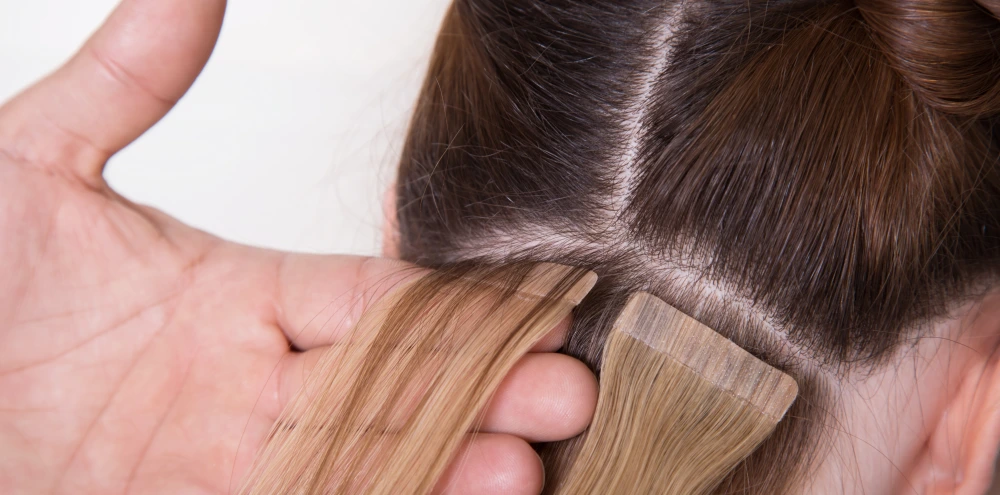
Tape-in extensions give you a fast, gentle way to add length and volume to your hair. You get thin wefts of real human hair with a special adhesive strip at the top. Your stylist sandwiches a small section of your natural hair between two of these wefts.
The adhesive is medical-grade, so it holds strong but feels light and comfortable.
Alpha’s tape-in extensions stand out because they use 100% cuticle-intact Remy human hair. You get a natural look and feel, plus the extensions blend seamlessly with your own hair.
The adhesive lies flat against your scalp, so you don’t have to worry about bumps or visible lines. You can style your hair in ponytails, updos, or wear it down—these extensions stay hidden and secure.
Tape-in extensions allow for various hairstyles, including updos and ponytails, without the extensions being visible, making them a versatile choice for different looks.
You can reuse Alpha tape in extensions for up to 1–2 years with proper care. They’re easy to apply and remove, which makes them a favorite for both salons and at-home users. If you want a solution that’s gentle on your hair and scalp, tape-in extensions are a great choice.
What is Glue in Hair Extensions?
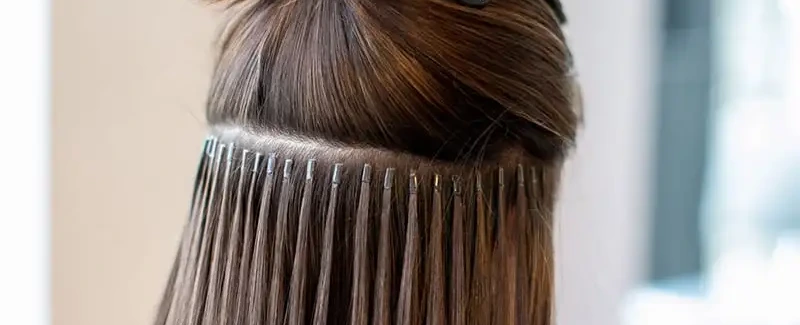
Glue-in extensions use a different approach. Your stylist applies a special bonding glue to the tip of each extension, then attaches it close to your scalp. The glue melts and fuses the extension to your natural hair. This method gives you a strong hold, but it takes more time and skill to apply.
Glue-in extensions can look natural, but they often require more maintenance. The removal process can be tough on your hair. You usually need acetone or a special remover to break down the glue, and sometimes pliers to crush the bond. This can lead to tangling, matting, or even breakage if not done carefully.
The way these are removed is that you put acetone on the bond to soften it, then crush it with pliers, then try to comb out the dreads that have matted above the bond. At the end of seven hours of doing this her hair was just a stringy mess.
Let’s look at the main technical differences between tape and glue methods:
Method | Application Process | Damage on Removal |
|---|---|---|
Glue-in | Hair is bonded using melted glue tips near the root. | Removal can be damaging, often requiring extensive effort to untangle hair. |
Tape-in | Extensions are applied using adhesive strips that lay flat against the scalp. | Generally less damaging, as they do not require heat or chemicals for removal. |
You’ll find that tape-in extensions are more comfortable and less damaging to your natural hair compared to glue-in extensions. Glue-in extensions can lead to significant damage during removal, often resulting in matting and breakage.
If you want a method that’s easy to maintain and gentle on your hair, tape-in extensions are the way to go. Alpha’s tape-in hair extensions offer a secure fit, natural look, and long-lasting results. You get the freedom to style your hair any way you like, with less worry about damage or discomfort.
Application: Tape vs Glue
Tape-in Extensions Application Steps
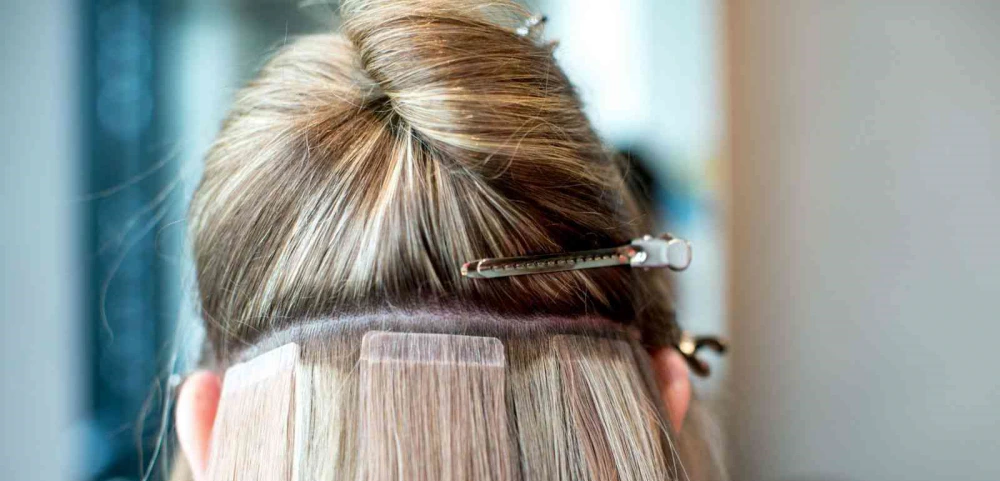
When you choose tape-in extensions, you get a smooth and easy installation. The application process starts with clean, dry hair. Your stylist will figure out how many wefts you need. Most people use three to five, depending on the thickness and length you want. Here’s how the installation works:
Section your hair so the tape extensions can be placed evenly.
Take a small strand of hair and place one tape in extension underneath, a few millimeters from your scalp.
Put another tape in extension on top, making a sandwich with your natural hair in the middle.
Press the tapes together to secure the bond.
Repeat the installation in rows, leaving space between each sandwich for a natural look.
Tip: Don’t touch the adhesive with your fingers. Oils from your skin can make the tape slip out. Keep the tape extensions away from your roots to avoid tension.
After the installation, your stylist will blend and style your hair. You’ll see how tape-in extensions lay flat and look seamless. Alpha’s medical-grade adhesive keeps the extensions secure and comfortable.
Glue in Extensions Application Steps
Glue-in extensions use a different installation method. You start with clean hair. Your stylist melts the keratin bond at the tip of each extension using a fusion tool. Here’s how the application goes:
Section your hair for even placement.
Melt the keratin bond with the fusion tool.
Attach the extension close to your scalp.
Press the bond with your fingers to seal it.
Repeat the installation until you reach your desired volume.
Glue-in extensions need more skill and care during installation. The process takes longer and uses heat to bond the extensions to your hair.
Time & Skill Comparison
When you look at tape vs glue installation methods, you’ll notice big differences in speed and skill. Tape-in extensions are much quicker to apply. Most stylists finish the installation in 45 to 90 minutes. The application process is simple and methodical. You spend less time in the chair and get a natural look fast.
Glue-in extensions take longer. Each extension is bonded one by one, which means more time and effort. You need a skilled stylist for this installation. Tape-in extensions also require less maintenance time compared to glue-in extensions.
If you want a fast, easy, and gentle installation, tape in extensions are the clear winner. You get secure, comfortable hair with Alpha’s tape and glue technology, and you can enjoy your new look without a long wait.
Longevity: Tape vs Glue
Tape-in Hair Extensions Lifespan
When you choose tape-in extensions, you get a method that lasts. Most people find that tape extensions stay secure for about 6 to 8 weeks before they need to move them up or reapply. If you take good care of your hair, you can reuse these extensions many times.
Some high-quality tape in extensions, like Alpha’s, can last up to 1 to 2 years with proper care. Here’s what you can expect:
Tape-in extensions usually last 6–8 weeks per application.
You can reuse the same extensions for up to 1–2 years if you follow a good care routine.
Some sources say tape-in extensions can last up to 3 years with excellent maintenance.
The average lifespan for tape in hair extensions is about 3–5 months for most users.
You get a lot of value from tape-in extensions because you can reuse them and keep your hair looking fresh.
Glue in Hair Extensions Lifespan
Glue-in extensions work a bit differently. You will notice that these extensions do not last as long as tape-in extensions. For finer or normal hair, glue in extensions usually last up to two weeks before you need maintenance.
If you have thicker or more coarse hair, you might get up to four weeks before you need to redo them. You cannot reuse glue in extensions as easily as tape, so you may need to buy new hair more often.
Finer or normal hair: glue-in extensions last up to 2 weeks.
Thicker hair: glue-in extensions last up to 4 weeks.
Glue-in extensions are not designed for multiple reuses.
Factors Affecting Durability
How long your extensions last depends on a few key things. Take a look at this table to see what matters most:
Factor | Description |
|---|---|
Quality of Hair | High-quality, full cuticle Remy hair makes extensions last longer. |
Application Technique | A professional install keeps extensions secure and reduces tension. |
Maintenance Practices | Using sulfate-free products and gentle styling helps your extensions last. |
Type of Adhesive | Medical-grade adhesive, like Alpha’s, boosts the durability of tape in extensions. |
If you want your tape-in extensions or glue-in extensions to last, always follow the care tips your stylist gives you. Choose high-quality hair and trust a pro for installation. With the right habits, you can enjoy beautiful, long-lasting hair extensions.
Comfort & Hair Health
Comfort of Tape-in Extensions
You want extensions that feel good all day. Tape-in extensions give you a lightweight, flat fit against your scalp. Many people say tape-in extensions work well for sensitive skin. You can wear them without itching or tightness. Here’s what users often mention:
Tape-in extensions feel comfortable, even for those with sensitive scalps.
You can style your hair in ponytails or updos without discomfort.
The adhesive strips stay flat, so you don’t notice bumps.
Tape-in extensions suit many hair types. If you have thin or fine hair, you get volume without stress. You can also adjust tape-in extensions for thick or coarse hair. The key is proper installation. When your stylist follows the right tips, you enjoy comfort and a natural look.
Comfort of Glue in Extensions
Glue-in extensions use a bonding method that can feel different. Some people notice irritation or reactions from the glue. You might feel tightness or discomfort, especially if you have sensitive skin. Removal can be tough and may cause pulling. If you want a gentle experience, tape-in extensions often win for comfort.
Hair Health Impact
You care about your hair’s health. Tape-in extensions and glue-in extensions both add tension to your hairline. If you ask, “Are tape-in extensions bad for hair?” you should know that improper application or removal can cause problems. Dermatologists warn:
Tape-in extensions can cause hair loss due to the strong adhesive used, and their removal can lead to discomfort and breakage. Improper application may result in bald spots and traction alopecia, especially for those with fine or thinning hair.
Hair extensions can add tension to the hairline, leading to hair loss, particularly in individuals with fragile hair.
Tape in hair extensions work best when installed and removed by a pro. You get less risk of damage and more comfort. Hand-tied extensions also offer a gentle option, but tape-in extensions stand out for easy care and versatility.
If you want to boost length and volume, tape-in hair extensions suit many hair types. Always follow tips from your stylist to keep your hair healthy and strong.
Maintenance & Removal
Caring for Tape-in Hair Extensions
Taking care of your extensions keeps them looking fresh and helps them last longer. If you want the best results, follow these simple tape-in hair extension maintenance tips:
Wait at least 48 hours before washing your hair after getting new extensions. This helps the adhesive set.
Avoid oil-based products near your roots. Oils can weaken the tape and cause slipping.
Wash your hair two to three times a week. Too much washing can loosen the tape.
Brush your extensions gently every day with a soft-bristle brush.
Never sleep with wet hair. Dry your hair fully to keep the adhesive strong.
Secure your hair in a loose braid or ponytail before bed.
Use a silk pillowcase to reduce friction and prevent tangling.
Condition only the ends of your hair. Keep conditioner away from the tape tabs.
Use heat tools carefully. Avoid direct heat on the tape area.
Take extra care before swimming. Wear a swim cap or braid your hair.
Schedule regular maintenance appointments with your stylist.
These steps help your extensions stay secure and natural-looking.
Caring for Glue in Hair Extensions
Glue-in extensions need a bit more attention. You should:
Brush your extensions gently at least twice a day.
Wash your hair two to three times a week, just like with tape-ins.
Always secure your hair in a loose braid or ponytail before sleeping.
Avoid oil-based products and heavy conditioners near the bonds.
Be gentle when styling to prevent pulling on the glued areas.
Good care helps prevent tangling and keeps your extensions looking their best.
Removal Process Comparison
When it’s time to remove your extensions, you want a process that’s quick and safe for your hair. Here’s how tape-in and glue-in extensions compare:
Factor | Tape-In Extensions | Glue-In Extensions |
|---|---|---|
Time Investment | 45–60 minutes (professional) | 2–3+ hours |
Safety Risk | Minimal risk with expertise | Higher risk of damage |
Alpha’s tape in extensions uses a medical-grade adhesive that dissolves easily with alcohol-based remover.
You can take them out quickly, and your hair stays healthy. Glue-in extensions take much longer to remove and can cause more stress on your natural hair. If you want a gentle, easy removal, tape-in extensions are the better choice.
Cost: Tape-in vs Glue-in Hair Extensions
Upfront Costs
When you look at the price tag, you want to know what you’re getting into before you commit. Tape-in extensions usually cost less upfront than glue-in extensions. Here’s a quick look at the average price range:
Type of Extension | Average Cost Range |
|---|---|
Tape-in | $200 – $500 |
Glue-in | $300 – $800 |
Tape-in extensions give you a budget-friendly way to get a full, natural look. You can choose the length and thickness that fits your style and wallet. Alpha tape in extensions offers premium quality at a price that makes sense for most people.
Maintenance Costs
Keeping your extensions looking fresh does come with some extra costs. You’ll need to visit your stylist for regular maintenance. Here’s what you can expect over six months:
Tape-in extensions usually cost between $200 and $600, with an average of $350.
Installation runs about $200.
Maintenance happens every 4–6 weeks and costs around $150 each time.
Over six months, you might spend about $900 on maintenance (if you go every six weeks).
Glue-in extensions have similar maintenance needs, but the removal and reapplication process can take longer and sometimes cost more, depending on your stylist.
Tip: Regular care helps your extensions last longer and look better, so don’t skip those appointments!
Value for Money
You want your investment to pay off. Tape-in extensions have a lower starting cost, but you’ll need to re-tape them every 6 to 8 weeks. Glue-in extensions may cost more at first, but they don’t last as long and can’t be reused as easily.
Over time, the total expenses for both methods can be similar, depending on how often you need maintenance.
Alpha tape in extensions stand out because you can reuse them for up to 1–2 years with proper care. This means you get more value from each set. You save money in the long run, and you enjoy beautiful hair that feels natural and looks amazing.
Pros & Cons: Tape in vs Glue in
When you look at tape-in extensions and glue-in extensions, you want to know the real pros and cons before you decide. Each method has its own strengths and challenges. Let’s break down what you can expect.
Tape-in Extensions Pros & Cons
Tape-in extensions give you a lot of pros. You get easy installation, no damage to your natural hair, and simple care. Many people love the reusability. These extensions work well for thin hair and blend smoothly. You can style them in many ways.
The cons include visibility issues if not installed correctly, the need for proper tools during removal, and the importance of using the right styling products. Some users mention potential irritation, but this is rare with Alpha’s gentle adhesive.
Here’s a quick look at tape-in extensions’ pros and cons:
Pros | Cons |
|---|---|
Ease of installation | Visibility issues |
No damage to natural hair | Need for proper tools for removal |
Ease of care | Importance of correct installation |
Reusability | Necessity of specific styling products |
Suitable for thin hair | Potential irritation |
Tip: Alpha tape in extensions stands out because they use medical-grade adhesive and 100% Remy human hair. You get a secure fit, natural look, and long-lasting results.
If you want a gentle, reusable option, tape-in extensions are a smart choice. You can enjoy the benefits for up to two years with proper care.
Glue-in Extensions Pros & Cons
Glue-in extensions offer a strong hold and a natural look. The pros include durability and the ability to handle active lifestyles. You can wear these extensions for weeks. The cons are more noticeable. You need more skill for installation, and removal can be tough on your hair.
Some users report discomfort or irritation. Glue-in extensions are not reusable, so you may spend more over time.
Here’s a table to help you compare the pros and cons of both methods:
Method | Pros | Cons |
|---|---|---|
Tape-in | Easy install, gentle, reusable, blends | Visibility, tool needs, product requirements |
Glue-in | Strong hold, long wear | Tough removal, not reusable, possible damage |
You might also wonder about hand-tied extensions pros and cons. Hand-tied extensions offer a natural look and comfort, but they need more time for installation and regular maintenance.
When you weigh tape-in extensions’ pros and cons against glue-in extensions, you see why so many people choose tape-ins. Alpha tape in extensions gives you the best mix of comfort, value, and style.
Choosing the Right Hair Extensions
Best for Different Hair Types
You want extensions that match your hair type and give you the look you want. Not every method works for every hair texture. If you have fine hair, you need something gentle that won’t pull or break your strands. Professional stylists recommend lightweight options that blend well and stay comfortable.
Professional stylists suggest using lightweight and gentle hair extension methods for fine hair to prevent damage. Recommended methods include:
Nano bead extensions: Discreet and lightweight, using tiny beads for attachment, minimizing breakage risk.
Tape-in extensions: Lightweight and flat against the scalp, reducing tension on fine hair, and reusable every 6-8 weeks.
Hand-tied wefts: No heat or glue required, providing a natural blend without bulk.
Tape-in extensions work especially well for fine hair. They sit flat, feel light, and you can reuse them every few weeks. If you have thick or coarse hair, you might want something stronger. According to professional stylists, sew-in extensions are highly recommended for individuals with thick or coarse hair.
This method involves sewing wefts of hair into braided tracks on the scalp, providing a secure and long-lasting solution that blends naturally with thick hair textures.
You might wonder, are hand-tied extensions better for your hair type? Hand-tied extensions offer a gentle option for fine hair and a natural blend for many textures. Still, tape-in extensions give you flexibility and comfort, especially if you want something easy to manage.
Lifestyle & Preferences
Your daily routine matters when you pick extensions. Do you work out, swim, or live in a humid climate? Some methods fit active lifestyles better than others. Let’s look at how tape-in and glue-in extensions compare for different activities:
Feature | Tape-In Extensions | Glue-In Extensions (I-Tips) |
|---|---|---|
Installation Time | Quick install time | Longer install process—but longer lasting |
Suitability for Active Lifestyles | Can loosen with sweat, swimming, or heat | Stay secure during workouts and water activities |
Weight on Natural Hair | Heavier on your natural hair | Lightweight and gentle on your natural hair |
Resistance to Water & Sweat | Adhesives can break down with moisture | Bonded with tiny beads, hold strong |
Ideal for Humid Climates | Not ideal for humid climates | Suitable for humid climates |
If you love swimming or spend lots of time outdoors, glue-in extensions might stay put better. Tape-in extensions work great for everyday wear and quick styling, but moisture can weaken the adhesive. Think about your hobbies and how often you want to change your look.
If you want something easy to remove and reapply, tape-in extensions are a smart choice.
You may ask, are hand-tied extensions better for an active lifestyle? Hand-tied extensions don’t use glue or heat, so they feel comfortable and blend well. Still, tape-in extensions offer quick changes and suit many routines.
Why Choose Alpha Tape in Hair Extensions?
You want extensions that look natural, last long, and don’t damage your hair. Alpha tape-in extensions give you all that and more. Here’s why so many people pick Alpha over other brands:
Non-Damaging: Tape-in extensions do not harm natural hair when applied and maintained correctly.
Easy Application: Stylists can quickly apply and remove tape-in extensions using medical-grade, double-sided tape.
Reusable Option: High-quality tape-in extensions can be reapplied multiple times, unlike low-quality options.
More Affordable: Tape-in extensions are generally less expensive compared to other semi-permanent methods, considering both the cost of extensions and application time.
Alpha uses 100% Remy human hair with intact cuticles. You get extensions that blend perfectly and feel soft. The medical-grade adhesive keeps your extensions secure without irritating. You can style, curl, or dye your hair and still enjoy a natural look.
If you want extensions that fit your lifestyle, Alpha tape-in extensions offer versatility and value. You can reuse them for up to two years with proper care. You save money and keep your hair healthy. Whether you have fine, thick, or somewhere-in-between hair, Alpha has options for you.
Tip: Always talk to your stylist about your hair type and routine. The right extensions will boost your confidence and keep your hair looking its best.
Conclusion
When you look at tape-in vs glue-in hair extensions, you see clear differences. Tape-ins are lightweight, hypoallergenic, and easy to reuse. Glue-ins give a strong hold but need more skill and care. Here’s what experts highlight:
Tapes are gentle on skin and work well in warm weather.
Tape-in vs glue-in hair extensions show that tapes can prevent slippage better in heat.
Tape-in vs glue-in hair extensions also reveal that tapes need less harsh removal.
If you have an active lifestyle, check this out:
Hair Extension Method | Benefits for Active Lifestyles | Activity Fit |
|---|---|---|
Tape-In Hair Extensions | Lightweight, discreet, semi-permanent, easy to maintain | Good for light to moderate activity |
Choosing between tape-in vs glue-in hair extensions depends on your needs. Alpha tape-ins offer quality, comfort, and value. You can feel confident picking what fits your style best!
FAQ
Can I wash my hair with tape-in or glue-in extensions?
Yes, you can wash your hair with both types. Use sulfate-free shampoo and avoid scrubbing the bonds. Let your hair air dry when possible. Always brush gently to prevent tangling.
How often should I move up or reapply my extensions?
You should move up or reapply tape in extensions every 6–8 weeks. Glue-in extensions usually need attention every 2–4 weeks. Regular maintenance keeps your hair looking fresh and prevents damage.
Will tape-in or glue-in extensions damage my natural hair?
If you follow care instructions and see a professional for application and removal, you can avoid most damage. Tape-in extensions tend to be gentler on your hair and scalp.
Can I style, curl, or dye my extensions?
You can style and curl both types just like your natural hair. For dyeing, always ask a professional. Alpha tape in extensions uses 100% Remy human hair, so they handle heat and styling well.