
Starting a hair extension business gives you the chance to tap into a booming industry. You see strong growth, with the global market reaching $2.66 billion in 2024 and expected to hit $5.48 billion by 2034.
The industry grows at a rate of 7.5% each year.
You need to understand market trends, choose your niche, create a strong business plan, and build your brand. Finding trustworthy suppliers matters—Alpha stands out for quality and support, especially if you’re new to the hair extensions business.
Key Takeaways
The hair extension market is rapidly growing, projected to reach $5.48 billion by 2034. This presents a great opportunity for new businesses.
Building strong relationships with clients leads to repeat business. Focus on trust and personalized service to enhance customer loyalty.
Choose reliable suppliers like Alpha for quality products and support. This ensures you provide the best to your clients.
A solid business plan is essential. It helps you set clear goals, understand your market, and attract potential investors.
Stay updated with industry trends and continue your education. This keeps your skills sharp and helps you meet customer demands.
Is the Hair Extension Business Right for You?
Industry Growth and Trends
You might wonder if now is the right time to jump into the hair extension business. The hair extension industry keeps growing fast. Market trends show the global market could reach $12.63 billion by 2035. People want more personalized beauty solutions, and you see new extension types popping up all the time.
Sustainability matters more than ever. Ethical sourcing and innovative installation methods are shaping industry trends. Social media also plays a huge role in how customers discover and buy products.
If you love keeping up with market trends and enjoy the buzz of a fast-moving industry, you’ll find plenty of opportunities here.
Benefits and Challenges
Starting a hair extensions business brings great earning potential and flexibility. You get to control your workload and build strong relationships with clients. Many business owners enjoy high customer retention.
Tip: Building trust with your clients leads to repeat business and referrals.
But you should know about the challenges too. Profit margins can be low, sometimes around 25%. You may face high employee turnover if you hire staff. Building trust can take time, especially if you don’t meet clients face-to-face. If you’re ready to tackle these challenges, you’ll set yourself up for success.
Quick Table: Pros and Cons
Benefits | Challenges |
|---|---|
Great earning potential | Low profit margins |
High customer retention | High employee turnover |
Flexible workload | Trust-building takes time |
Skills and Goals
Success in the hair extension business depends on your skills and personal goals. You need to master different hair extension types and application techniques. Client care matters, so follow up and offer personalized recommendations. Marketing skills help you grow your business and build your portfolio.
Stay curious and keep learning about market trends and industry trends. If you set clear goals and invest in ongoing education, you’ll boost your chances of success.
Hair Extension Market Research and Opportunities

Market Size and Trends
You see the global hair extension market growing at a rapid pace. The market reached $2.66 billion in 2024 and shows no signs of slowing down. Projections suggest the global hair extension market could hit $5.48 billion by 2034.
This growth comes from rising demand for beauty solutions, social media influence, and new product innovations. You notice more people searching for easy-to-use extensions and personalized styles.
Let’s break down the fastest-growing segments in the hair extension market:
Segment Type | Growth Characteristics |
|---|---|
Clip-in Extensions | Lead in adoption due to convenience and ease of use. |
Tape-in Extensions | Gaining popularity for similar reasons. |
Synthetic Extensions | Increasing demand due to innovations in fiber quality. |
Individual Consumer | Rapid growth driven by online shopping and social media influence. |
You see clip-in and tape-in extensions leading the way because people want quick solutions. Synthetic extensions also attract attention as fiber quality improves. The individual consumer segment grows fast, thanks to online shopping and social media buzz.
Regional analysis shows strong demand in urban areas, especially in North America, Europe, and Australia. You find the global hair extension market expanding in Asia and Africa as well, with new brands and salons entering the scene.
Market analysis reveals that younger buyers and professionals drive much of the demand, but mature women and niche groups also play a role.
Target Customers and Competition
You need to know who buys hair extensions and why. The hair extension market serves a wide range of customers. Here’s a quick look at key demographics:
Demographic Factor | Description |
|---|---|
Age Group | Younger (18-24), working professionals (25-40), mature women (40+) |
Lifestyle | Beauty enthusiasts, busy moms, influencers, professionals |
Budget | Luxury, long-lasting options vs. affordable, trendy options |
Buying Habits | Online shoppers, beauty supply store customers, salon visitors |
Location | Urban areas, suburban regions, international markets |
You see beauty enthusiasts and influencers driving trends. Busy moms and professionals want quick, reliable solutions. Some customers look for luxury and durability, while others want affordable, trendy options. Online shoppers make up a big part of the market, but salons and beauty stores still attract loyal clients.
When you analyze competitors in your local hair extension market, you notice two main segments: premium and mass. Each segment targets different audiences and uses unique selling points.
Segment | Main Differentiators | Target Audience |
|---|---|---|
Premium | Craftsmanship, ethical sourcing, bespoke services, Remy quality, hand-tied construction, color calibration | Professional installations, discerning consumers |
Mass | Accessibility, trend speed, bundle economics, broad color grids, simplified attachments | Self-install consumers |
Premium brands focus on quality and customization. They attract clients who want professional installations and ethical sourcing. Mass-market brands offer quick solutions and broad choices, appealing to self-install consumers who value convenience.
Tip: You can stand out by offering personalized consultations, ethical sourcing, or unique product bundles.
Market Opportunities
You find plenty of market opportunities in the hair extension market. The demand for customized and personalized hair extension solutions keeps rising. People want products that match their style, color, and texture. You see more brands investing in sustainable and ethical sourcing, which appeals to eco-conscious buyers.
Here are some emerging market opportunities you should consider:
Growing demand for customized and personalized hair extension solutions.
Integration of sustainable and ethical sourcing practices for environmentally conscious consumers.
Rising interest from male consumers, especially those seeking solutions for hair loss.
Innovative techniques like hand-tied wigs and lace front extensions offer more comfort and versatility.
Untapped niche markets for communities experiencing hair loss or seeking culturally appropriate alternatives.
Investment in technology, such as AI and virtual reality, for personalized fittings and style simulations.
Promotion of organic or recycled hair extensions to attract eco-friendly buyers.
You can use market analysis to spot gaps in the market and create products that meet these needs. If you focus on new techniques, sustainability, and personalization, you’ll find ways to grow your hair extension business.
The global hair extension market rewards brands that adapt quickly and listen to customer feedback.
Note: Staying updated with market trends and analysis helps you spot new opportunities before your competitors do.
Planning Your Hair Extensions Business

Business Models
You have plenty of options when you start your hair extensions business. Picking the right model shapes your daily routine and your profits. Let’s look at the most common business models and how they compare:
Business Model | Average Profit Margin |
|---|---|
Retail Hair Extensions | 50–100% |
Wholesale Distribution | 25–60% |
Salon Installation Services | 70–90% |
Hybrid (sell + install) | 100–250% combined |
You can run a retail shop or online store selling bundles, wigs, and clip-ins. Wholesale lets you supply salons or other businesses with branded extensions. Salon installation services focus on applying and maintaining extensions for clients.
Hybrid models combine selling products and offering installation, which can boost your overall profit.
Here are some ways you can earn money in the hair extension business:
Salon services like installations, color blending, and maintenance.
Retail or e-commerce sales of bundles, wigs, and clip-ins.
Wholesale or private label supply for salons.
Education—teach certification courses to stylists.
Affiliate marketing—partner with brands and earn commissions.
You also get ongoing revenue from regular maintenance appointments every 6–10 weeks, hair replacement after 3–6 months, and selling after-care products like brushes and serums. If you want flexibility, you can mix and match these models to fit your goals.
Tip: Choose a business model that matches your skills, budget, and local demand. You can always expand or pivot as your business grows.
Business Plan for Hair Extension Business
A solid business plan sets you up for success. It helps you organize your ideas, set clear goals, and attract investors. Here’s what you need to include in your plan:
Component | Description |
|---|---|
Executive Summary | Quick overview of your business and goals. |
Business Overview | Details about your company, location, and plans. |
Market Analysis | Research on the industry, target market, competitors, and growth opportunities. |
Products and Services | List of hair extension products and services you’ll offer. |
Sales and Marketing Strategies | Your strategy for attracting and keeping customers, including pricing and promotions. |
Operations Plan | How you’ll run your business day-to-day, including staffing and equipment. |
Management Team | Who’s running the show and their qualifications. |
Financial Plan | Your financial projections, profit and loss statements, and cash flow estimates. |
Appendix | Extra info, like market research and legal documents. |
You want your business plan to be clear and easy to follow. Start with a summary, then dive into details about your company and market. Describe your products and services, and lay out your strategy for sales and marketing.
Explain how you’ll operate and who’s on your team. Wrap up with financial projections and any supporting documents.
Note: A strong business plan helps you stay focused and shows investors you have a clear strategy.
Financial Planning
Financial planning keeps your hair extension business on track. You need to know your startup costs, plan for ongoing expenses, and forecast your cash flow. Here are some typical costs you’ll face:
Expense Type | Description |
|---|---|
Rent and utilities | What you pay for your shop or salon space. |
Website development and hosting | Costs for building and running your online store. |
Inventory costs | Money spent on stocking hair products, extensions, and wigs. |
Ongoing rent or mortgage payments | Regular payments for your location. |
Inventory replenishment costs | What do you spend to restock products and keep up with demand? |
You want to manage your budget wisely. A good financial projection helps you allocate resources and plan for slow months. Track your cash flow so you don’t run into surprises. If you show detailed projections, you build trust with investors and lenders.
Use your forecasts to measure performance and adjust your strategy when needed. Planning also helps you reduce risks and prepare for unexpected changes.
Tip: Review your financial plan often. Update your strategy as your business grows and the market shifts.
Legal and Financial Setup
Registration and Structure
You need to register your business before you start selling hair extensions. The process looks different depending on where you live. Here’s a quick table to help you compare the United States and the United Kingdom:
Country | Legal Requirements |
|---|---|
United States | – Get a cosmetology or hairstylist license if you offer cutting or chemical services. |
– Some states let you install non-chemical extensions without a license. | |
– Check with your state cosmetology board for rules. | |
United Kingdom | – Register as a sole trader on GOV.UK. |
– Get a UTR number from HMRC for taxes. | |
– Open a business bank account. | |
– Consider public liability insurance. | |
– Keep records of income, expenses, and appointments. | |
– No license needed for extension technicians, but training is important. |
You also need to follow safety and labeling rules. In the US, the FDA regulates hair extensions. In the UK, Trading Standards checks for safe products and proper labeling.
Licenses and Insurance
Insurance protects you and your clients. You want to look at these common types:
Type of Insurance | Description |
|---|---|
Public Liability Insurance | Covers claims for injuries or property damage during service. |
Professional Indemnity Insurance | Protects against claims of negligence or poor service. |
Product Liability Insurance | Covers claims about product defects if you sell extensions. |
Certification Requirement | Insurers often ask for proof of training or certification. |
Tip: Get certified before you buy insurance. This helps you qualify for better coverage.
Taxes and Banking
You need to keep your business money separate from your personal money. Here’s how you can do it:
Open a business bank account and credit card.
Use mobile banking apps to track and categorize your transactions.
Review your records every month.
Keep personal and business expenses separate. This makes tax time easier and helps you spot deductions.
Startup Costs and Funding
Starting a hair extension business takes money. You need to budget for rent, inventory, website, and insurance. Many new businesses raise funds through savings, loans, or investors. Here’s a look at typical amounts:
Funding Requirement | Amount |
|---|---|
Total Start-up Expenses | $435,500 |
Total Assets | $882,125 |
Total Requirements | $1,317,625 |
Total Planned Investment | $1,317,625 |
Note: You can start small and grow as you build your client base. Careful planning helps you avoid surprises.
Training and Professional Development
Accredited Training
You want to stand out in the hair extension business. Accredited training gives you the skills and confidence to do just that. When you choose a program recognized by industry associations, you show clients you care about quality and safety.
These courses cover everything from health and sanitation to business skills and advanced techniques. You get hands-on practice, watch demonstrations, and learn the theory behind each method.
Here’s what you should look for in a training program:
Criteria | Description |
|---|---|
Accreditation | Recognized by industry groups or governing bodies |
Curriculum | Covers techniques, theory, and client care |
Training Methods | Hands-on demos and classroom instruction |
Industry Recognition | Accepted by salons and clients |
Alumni Success | Graduates find jobs or start their own businesses |
You can train in tape-in, keratin bonds, micro links, hand-tied wefts, nano rings, clip-ins, and hybrid techniques. Most courses last one to four days, so you can learn quickly and start working with clients.
Tip: Health and safety training is a must. It keeps you and your clients safe.
Ongoing Education
You never stop learning in this industry. Ongoing education helps you stay ahead of trends and keeps your skills sharp. You can join workshops, earn brand-specific certifications, or take online courses at your own pace. Attending conferences lets you network and discover new products.
Education Type | Benefits | Frequency |
|---|---|---|
Advanced Technique Workshops | Learn new methods | Quarterly |
Brand Certifications | Boost credibility | Annually |
Online Courses | Flexible learning | Monthly |
Industry Conferences | Network and spot trends | Bi-annually |
When you keep learning, you offer personalized styling, communicate better, and provide trendy services. Clients notice your dedication and come back for more.
Staff Training
If you hire staff, you want everyone on the same page. Regular training helps your team master new techniques and deliver top-notch service. You can run in-house workshops or send staff to accredited programs. Encourage feedback and share tips so everyone improves together.
Train staff in health and safety.
Teach the latest extension methods.
Hold regular skill-building sessions.
Ask for client feedback and adjust training as needed.
Note: Investing in your team’s growth builds loyalty and keeps your business strong.
Supplier Selection and Inventory Management
Choosing Reliable Suppliers Like Alpha
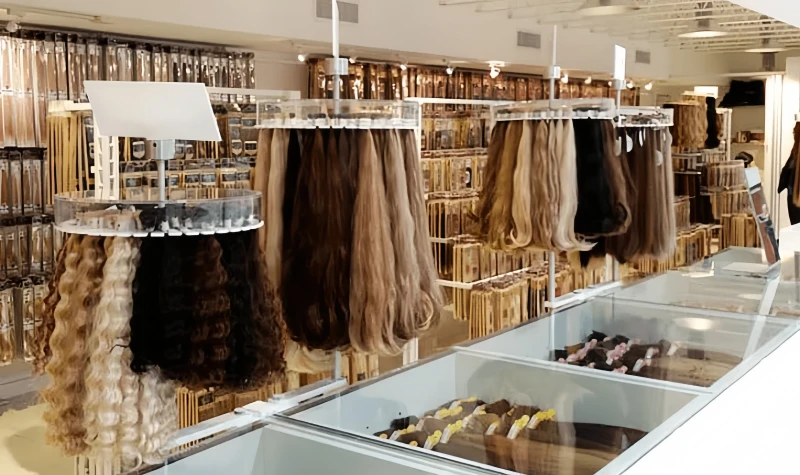
Picking the right suppliers sets your business up for success. You want to work with companies that deliver on time, offer great customer service, and provide high-quality products. Here’s a quick table to help you compare what matters most when choosing suppliers:
Criteria | Description |
|---|---|
Product Quality | Keeps your customers happy and coming back. |
Pricing | Helps you get the best value for your money. |
Business Practices | Builds trust and long-term relationships. |
Customer Service | Makes it easy to solve problems and get answers fast. |
Alpha stands out among suppliers. You get 100% cuticle Remy hair extensions that look and feel natural. Alpha offers a wide range of customizable options, so you can tailor products to your clients’ needs.
Many business owners say Alpha is reliable and pays attention to detail, especially with custom orders. If you want to source quality hair extensions, Alpha makes it simple with transparent policies and consistent delivery.
Tip: Always ask suppliers about their return policies and delivery times before you place your first order.
Product Quality and Types
You need to know what types of hair extensions are popular and how they differ. Here’s a quick look:
Clip-Ins & Halos: Easy to use, affordable, and great for temporary styles.
Tape-Ins: Semi-permanent, blends well, needs a pro for installation.
Beaded Wefts: Sewn into natural hair, durable, and require maintenance.
Fusions: Permanent, individual strands, most expensive but very natural.
Quality matters. Human hair extensions cost more but look and feel better than synthetic ones. Longer and thicker extensions also raise the price. The installation method changes the cost and how long the extensions last.
Inventory Tools and Quality Control
Managing your inventory helps you meet customer demand and avoid running out of stock. You can use inventory management software to track products, forecast sales, and control costs. Good inventory practices keep your business running smoothly and make customers happy.
Use digital tools to track stock levels.
Set reminders for reordering popular items.
Check product quality before shipping to clients.
Keep records of sales and returns.
Note: Regular quality checks help you catch problems early and keep your reputation strong.
Branding and Online Presence
Brand Identity
You want your hair extension business to stand out. Start by shaping a strong brand identity. Think about what matters most to you. Do you value quality, innovation, or customer satisfaction? Maybe you care about sustainability. These core values help you connect with your audience.
Next, create a unique story that shows what makes your business special. Your brand identity should shine through your logo, color palette, and even the fonts you use. When you build your brand, focus on what sets you apart. A clear brand identity helps customers remember you and trust your products.
Here are the key steps to create a strong brand identity:
Define your core values.
Develop a unique selling point and story.
Design a memorable logo and choose your colors and fonts.
Build your online presence.
Connect with influencers and stylists.
Make customer experience a top priority.
Website and Social Media
A great website and active social media pages help you reach more customers. Your website should be easy to use. Make sure visitors can find what they need fast. Use search engine optimization so people can discover your business online. High-quality photos and clear product descriptions make a big difference.
Social media platforms like Instagram, Facebook, Pinterest, and YouTube let you show off your work and connect with your audience. Post before-and-after photos, share tips, and answer questions.
This builds trust and keeps people coming back. You can also link your booking site to make it easy for clients to schedule appointments.
Tip: Share inspiring and educational content. People love to save and share posts that help them look and feel their best.
Packaging and Experience
Packaging is part of your branding, too. When customers open your products, you want them to feel excited. Use packaging that matches your brand identity. Choose colors and designs that reflect your style. Add a thank-you note or a care guide to make the experience special.
Small touches show you care and help build loyalty. Great packaging and a smooth buying experience turn first-time buyers into repeat customers. Marketing and branding go hand in hand, so always look for ways to surprise and delight your clients.
Sales Channels for Your Hair Extension Business
Online Storefronts
You can reach customers everywhere with an online store. Many hair extension businesses see strong growth online. People love shopping from home and browsing products at any time. You can show off your extensions with professional photos and clear descriptions.
Good customer service helps you stand out. Online sales often spike during holidays like Halloween, when people want new looks. Medical buyers shop year-round, so you get steady sales. If you want to grow fast, focus on your website and social media.
Sales Channel | Performance Insights | Conversion Rate Insights |
|---|---|---|
Online Sales | Strong performance indicated by significant online share and market growth. | Specific rates not detailed |
Omnichannel Strategies | Hybrid models like Honey Hair Co. achieved 245% growth by combining online and local presence. | In-store pickup represents 25% of online sales. |
Customer Engagement | Successful stores utilize quality products, professional photography, and excellent customer service. | N/A |
In-Person and Hybrid Sales
You can sell extensions in a salon, at pop-up events, or through local stores. Meeting clients face-to-face builds trust and loyalty. You get instant feedback and can offer personalized advice.
Hybrid sales mix online and in-person channels. Many brands, like Honey Hair Co., saw huge growth by combining both. In-store pickup makes up about 25% of online sales. You can use this strategy to boost your business and reach more people.
The hair extension market grows quickly every year.
Holiday seasons bring big sales spikes.
Medical buyers keep sales steady all year.
Booking Platforms
You need easy ways for clients to book appointments. Online booking tools help you manage your schedule and avoid double bookings. Apps like Square Appointments, Fresha, and Vagaro let clients pick times, pay deposits, and get reminders.
You can track appointments, send follow-ups, and keep notes on client preferences. These platforms save you time and help you deliver great service. If you want to grow, use booking tools to stay organized and keep clients happy.
Tip: Choose a booking platform that fits your business size and budget. Test a few before you decide.
Pricing and Product Selection
Setting Prices
You want your prices to make sense for your business and your customers. Start by looking at your costs. Add a profit margin so you cover expenses and make money. This is called cost-plus pricing. You can also set prices based on what your customers think your products are worth.
That’s value-based pricing. If you’re just starting, you might use penetration pricing. Offer lower prices at first to attract new clients, then raise them as your brand grows.
Here are some smart pricing strategies you can try:
Package Pricing: Combine hair, installation, and aftercare into one price.
Tiered Options: Offer good, better, and best quality hair at different prices.
Pay Per Row/Bundle: Give clear prices for each weft or bundle.
Maintenance Plans: Set up pre-booked move-ups for steady income.
Financing Options: Let clients pay in installments for bigger services.
Tip: Clear and simple pricing builds trust and helps customers choose what’s right for them.
Product Range and Bundles
You want to offer a variety of products so customers can find what they need. Stock popular types like clip-ins, tape-ins, and wefts. Think about different lengths, colors, and textures. Bundling products can boost your sales and make shopping easier for your clients.
For example, you can create a starter kit with extensions, a brush, and aftercare products.
Bundles save customers time and money.
Starter kits help new clients get everything they need.
Custom packaging makes your brand stand out and keeps products safe.
Deals and Discounts
Special offers make your business more attractive. You can give discounts on large orders or offer free shipping to encourage bigger purchases. Custom packaging also adds value and makes customers feel special.
Offer Type | Description |
|---|---|
Custom Hair Extension Packaging | Special deals on packaging that improve the customer experience. |
Free Shipping | No shipping fees on hair extension orders or packaging. |
Bulk Discounts | Lower prices for customers who buy in larger quantities. |
Note: Deals and discounts help you attract new clients and keep loyal ones coming back.
Hair Extension Marketing
Social Media and Influencers
You want your hair extension business to stand out online. Social media marketing gives you a powerful way to reach new clients. Start by sharing before and after photos. These transformations grab attention and show your skills.
Use platforms like Instagram, Facebook, and TikTok to post your work. Influencers can help you reach a bigger audience. Partner with influencers who match your brand style. They can wear your extensions, share honest reviews, and tag your business.
This builds trust and brings in new followers. You can also ask happy clients to post their results and tag you. Social proof helps people feel confident about booking with you.
Offline Marketing
You should not forget about offline marketing strategies. Meeting people face-to-face builds strong relationships. Attend local beauty events or set up a booth at community fairs. Offer a special consultation incentive to get your first clients in the door.
Hand out business cards and flyers at salons, gyms, or coffee shops. Educate your clients about the benefits of hair extensions during these meetings. When people see your passion and knowledge, they remember you.
Collect testimonials from satisfied clients and display them in your salon or on printed materials. This kind of social proof works just as well offline as it does online.
Launch and Promotions
A strong launch sets the tone for your business. Plan a launch event, either in-person or online, to introduce your brand. Offer limited-time promotions, like discounts on first installations or free aftercare kits. These marketing strategies help you attract attention and build excitement.
Promote your maintenance services to create recurring revenue. You can also run giveaways on social media or partner with influencers for special campaigns. These tactics boost your marketing and help you build a loyal customer base from the start.
Tip: Consistency is key. Keep sharing updates, tips, and client stories to stay top of mind.
Customer Service and Loyalty
Consultations and Aftercare
You want every client to feel special from the moment they walk in. Start with a friendly consultation. Ask questions about their hair goals and listen closely. This helps you match the right extensions to their needs. After the installation, give clear aftercare instructions.
Show clients how to brush, wash, and style their new hair. Offer tips for keeping extensions soft and shiny. If you follow up with clients after their appointment, you build trust and encourage them to return. Great aftercare leads to strong client retention and sets you apart from other salons.
Tip: Send a quick message or email a week after the appointment. Ask if clients have questions or need advice.
Loyalty Programs
A loyalty program rewards clients for coming back. You can offer points for every visit or purchase. Clients love getting discounts, free products, or special perks. Use a simple punch card or a digital app to track rewards.
If you celebrate birthdays or anniversaries with small gifts, clients feel valued. Loyalty programs boost client retention and help you grow a successful beauty salon.
Loyalty Reward | How It Works | Client Benefit |
|---|---|---|
Points System | Earn points for each visit | Redeem for discounts |
Referral Bonus | Bring a friend | Get free products |
VIP Perks | Exclusive offers | Early access to sales |
Feedback and Improvement
Feedback helps you improve your service. Ask clients for honest opinions after each appointment. Use surveys, comment cards, or online reviews. Listen to what clients say about your products and services.
If you notice a pattern, make changes right away. Respond to feedback with a positive attitude. Thank clients for sharing their thoughts. When you act on feedback, you show clients that you care. This builds loyalty and increases client retention.
Note: Happy clients become your best promoters. They tell friends and family about your salon.
Growth and Adaptation in the Hair Extensions Business
Expanding Services
You want your hair extension business to keep growing. One smart way is to expand your services. You can add new types of extensions, offer wig customization, or introduce hair care products. Many salons start with basic installations, then add coloring, styling, or repair services.
You might even teach workshops or offer online tutorials. Clients love having more choices. When you expand your menu, you attract new customers and keep regulars coming back.
Ideas for expanding your services:
Add new extension methods like tape-ins, butterfly wefts, or hand-tied wefts.
Offer wig fitting and customization.
Sell aftercare kits with brushes and serums.
Provide hair loss solutions for men and women.
Host styling classes or online webinars.
Tip: Ask your clients what services they want. Their feedback helps you decide where to grow next.
Adapting to Trends
The hair extension industry changes fast. You need to stay ahead of trends to stay competitive. Watch social media for new styles and techniques. Follow top stylists and brands for inspiration. You can also attend trade shows or subscribe to beauty magazines.
When you spot a trend, test it with a few clients before adding it to your main menu.
Trend Type | How to Adapt |
|---|---|
Sustainable Hair | Offer ethically sourced options |
Bold Colors | Stock trending shades |
Invisible Wefts | Learn new installation methods |
Tech Integration | Use virtual try-on tools |
Note: Clients notice when you keep up with trends. They trust you to help them look their best.
Networking and Community
Building connections helps your business thrive. You can join local business groups, attend beauty expos, or connect with other stylists online. Networking gives you fresh ideas and support.
You might find new suppliers, learn about upcoming trends, or even partner with other salons. Community involvement also boosts your reputation. When you support local events or charities, people remember your brand.
Ways to network and build community:
Join professional associations.
Attend industry workshops and expos.
Collaborate with influencers or local businesses.
Support community events or causes.
Tip: Share your knowledge and help others. When you give back, your business grows stronger.
Conclusion
You’ve learned the key steps to launch your hair extension business. Stay prepared, keep learning, and adapt to new trends. Here’s a quick checklist to help you get started:
Research your market and set clear goals.
Build your brand and online presence.
Focus on great customer service.
Ready to take action? Start your hair extensions business today and let Alpha support your journey to success!
FAQ
How much money do you need to start a hair extension business?
You can start small with a few thousand dollars. If you want a full salon setup, you might need over $10,000. Your costs depend on location, inventory, and branding.
What types of hair extensions sell best?
Clip-ins and tape-ins are popular because they are easy to use. Many clients also love Remy human hair for its natural look and feel. You should offer a mix to meet different needs.
How do you find reliable hair extension suppliers?
Look for suppliers with strong reviews and clear quality standards. Alpha is a trusted choice. You get consistent quality, customization options, and great support for new businesses.
Do you need a license to install hair extensions?
In most places, you need a cosmetology license for chemical services. Some states let you install extensions without one. Always check your local rules before you start.
How do you attract your first clients?
Share before-and-after photos on social media. Offer a launch discount or free consultation. Ask friends and family to spread the word. Great service brings repeat business and referrals.