
You might wonder if clip-in hair extensions could harm your hair. The good news is, when you use high-quality clip-in hair extensions like Alpha, you can enjoy fuller hair without worry.
Some people face issues like traction alopecia, scalp discomfort, or hair loss, especially if they use heavy extensions or keep them in too long. With the right installation and gentle handling, you can avoid these risks and keep your natural hair healthy.
Key Takeaways
Choose high-quality clip-in extensions like Alpha to enjoy fuller hair without damaging your natural locks.
Follow safe installation techniques to prevent hair damage, such as using lightweight extensions and removing them before bed.
Regularly clean and store your extensions properly to maintain their quality and prevent tangling.
Monitor your scalp for signs of discomfort or hair loss, and seek professional advice if you notice any issues.
Use gentle styling methods and heat protectants to keep both your extensions and natural hair healthy.
Are Clip in Extensions Safe?
You want to know if clip-in hair extensions are safe for your hair. The answer depends on how you use them and the type you choose. Many people love the instant volume and length that extensions offer. You can enjoy these benefits without harming your natural hair if you follow a few simple rules.
Comparing Clip-In Hair Extensions to Other Types
Let’s look at how clip-in hair extensions stack up against other options. Some extensions use glue, tape, or even sewing to attach hair. These methods can stress your scalp and cause breakage over time. Clip-in hair extensions, on the other hand, do not use glue or heat.
You can put them in and take them out whenever you want. This means less tension on your roots and scalp.
Hair health experts agree that clip-in extensions are the least damaging choice, especially for fine hair. You only wear them when you need them, so your scalp gets a break. No adhesives or permanent bonds mean your natural hair stays healthy. Here’s a quick look at what experts say:
Aspect | Details |
|---|---|
Safety Rating | Fair rating for very thin hair due to weight and visibility issues. |
Best Use | Quality human hair clip-ins are recommended for special occasions rather than daily wear. |
Recommendations | Use silicone-lined clips and consider additional clips for better weight distribution. |
Tip: Always remove your clip-in extensions before sleeping. This helps prevent tangling and keeps your hair healthy.
Why Alpha Clip in Hair Extension Is a Safer Choice?
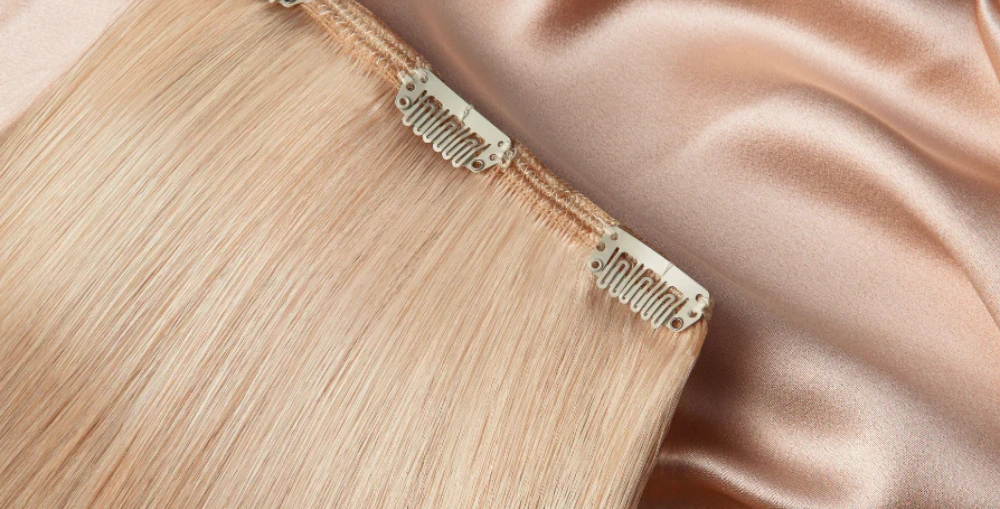
You want a product that protects your hair and feels comfortable. Alpha’s natural clip-in extensions use 100% Remy human hair, so they blend in perfectly and feel soft. The silicone-lined clips hold the extensions in place without pulling or slipping. This design spreads the weight evenly, which helps prevent pain and breakage.
Alpha’s extensions let you style your hair as you like. You can curl, straighten, or dye them just like your own hair. You get a secure fit and a natural look, all while keeping your scalp safe. If you have sensitive or fine hair, Alpha’s gentle clips make a big difference.
Here are some quick safety tips for using clip-in hair extensions:
Make sure you install them gently and evenly.
Avoid wearing them for too many hours at a time.
Take them out before bed.
Store them flat or in a case to keep them tangle-free.
When you choose Alpha, you get peace of mind and beautiful hair—no stress, no damage.
Main Risks: Damage, Pain, Hair Loss
Causes of Hair Damage from Clip-Ins
You might worry about hair damage when you use clip-in hair extensions. Most problems happen because of inappropriate installation, wearing extensions for too long, or not caring for your hair. If you put clip-in hair extensions in too tightly or use heavy pieces, you can cause breakage.
Over time, this can lead to hair loss and breakage, especially if you wear them every day or sleep with them in.
Let’s look at how often people face these issues:
Issue | Percentage of Users Affected | Contributing Factors |
|---|---|---|
Hair Thinning | 25% | Prolonged wear and tension from heavy extensions. |
Breakage Rate | 5% | Minimal damage when used occasionally. |
You can avoid most damage by choosing high-quality extensions and following safe installation steps. Always remove your extensions before bed and give your hair breaks. If you notice breakage or thinning, try alternatives to avoid damage, like using lighter pieces or wearing extensions only for special occasions.
Pain and Discomfort Factors
Pain and discomfort can happen if you use inappropriate installation techniques or pick extensions that are too heavy. Sometimes, you might feel soreness or itching if the clips pull on your scalp or if you have a reaction to the materials. Here’s a quick look at what causes pain:
Cause of Discomfort | Description |
|---|---|
Improper Application Techniques | Extensions fitted too tightly can pull on hair follicles, causing pain. |
Excessive Weight | Heavy extensions can lead to a sensitive scalp and traction alopecia. |
Allergic Reactions | Sensitivity to adhesives or materials can cause itchiness and pain. |
You can prevent pain by following these tips:
Choose the right type and weight of hair extensions.
Use proper application techniques to avoid excessive tension.
Take care of your hair to prevent damage.
If you feel pain or discomfort, take out your extensions right away. Your scalp needs time to rest. You should never ignore pain, as it can lead to more serious problems like breakage or hair loss and breakage.
Hair Loss and Traction Alopecia
Hair loss and traction alopecia are risks if you use clip-in hair extensions the wrong way. Traction alopecia happens when you pull on your hair too much, often from tight or heavy extensions. This problem affects many people, especially women and children of African descent.
The risk goes up as you get older because your hair follicles get weaker.
Watch for these warning signs:
You see thinning or bald spots near where you clip in your extensions.
Your scalp feels sore or tender after wearing extensions.
You notice more hair shedding than usual.
If you spot these signs, stop using your extensions and let your hair recover. Inappropriate installation and wearing extensions for long periods can make hair loss worse. Always use gentle techniques and give your hair breaks to stay healthy.
Tip: If you’re worried about hair damage or pain, talk to a hair care professional. They can help you find alternatives to avoid damage and keep your hair strong.
Proper Installation Techniques for Clip-In Hair Extensions
Preparing Your Hair for Installation
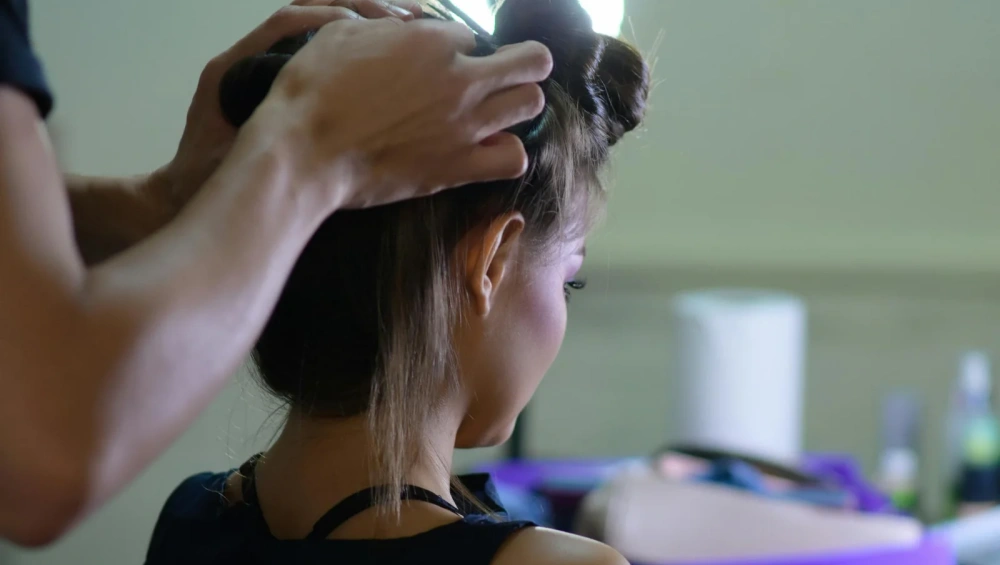
You want your clip-in hair extensions to look natural and feel comfortable. Start with clean, dry hair. Brush out any tangles using a wide-tooth comb. This step helps prevent breakage during installation. Exfoliate your scalp with a gentle scrub or clarifying shampoo to remove buildup and dead skin cells.
Hydrate your scalp with lightweight oils like argan or jojoba oil. These steps reduce irritation and make the application process smoother. If you want to balance your scalp’s pH, try a diluted apple cider vinegar rinse. Clean hair and scalp help your extensions stay secure and prevent slipping.
Step-by-Step Installation Guide
Follow these steps for easy application and a secure fit:
Section your hair horizontally, starting at the nape of your neck.
Gently back-comb the roots where you plan to attach the clips. This creates a cushion and minimizes tension.
Snap open the silicone-lined clips on your Alpha extensions. Place the first weft along the sectioned line and close the clips.
Add more wefts, moving upward and spacing each about an inch apart. This layering gives you natural volume and length.
Blend your hair with the extensions using a wide-tooth comb or extension brush. This step ensures a seamless look.
Store your extensions properly after use. Clean them every 15-20 wears with sulfate-free shampoo and cool water.
Tip: Always remove your clip-in hair extensions before sleeping. This prevents tangling and keeps your natural hair healthy.
Tips for Pain-Free Wear
You want pain-free wear all day. Choose lightweight extensions and use the correct clip-in selection for your hair type. Distribute the clips evenly to avoid constant pressure on one spot.
Start with fewer wefts and add more as your scalp adjusts. Use gentle back-combing and texture spray to create a cushion for the clips. Avoid tight installation and aggressive brushing.
These steps help prevent discomfort and pain. With proper application and selection, you can enjoy your hair extensions without headaches or irritation.
Maintenance and Care for Alpha Clip in Hair Extension
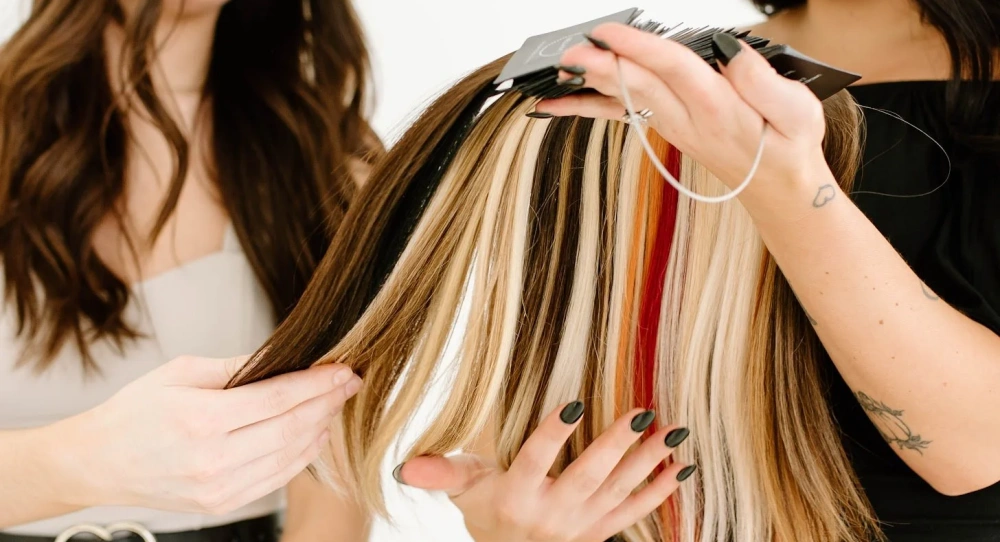
Taking care of your Alpha clip-in hair extensions keeps your hair looking fresh and helps you enjoy maximum volume and length. You want your extensions to last, so following a few simple hair extension care tips makes a big difference.
Cleaning and Storing Extensions
You should clean your clip-in hair extensions every 15 to 20 wears or whenever you notice product buildup. Remove the clips before washing. Use lukewarm water and a gentle, sulfate-free shampoo. Start brushing from the ends and work your way up to avoid pulling or breakage.
Apply a lightweight leave-in conditioner or hair serum to the ends to prevent dryness. Limit high-heat styling and always use a heat protectant spray. Store your extensions in a cool, dry place, preferably in a breathable bag or on a hanger. This prevents tangling and keeps your extensions soft and shiny.
Regular maintenance helps preserve the natural look, volume, and length of your Alpha extensions.
Tip: Braid or loosely tie your extensions before sleeping to prevent friction and tangling.
Scalp Care and Giving Your Hair Breaks
Your scalp needs care, too. Give your natural hair regular breaks from clip-in hair extensions. This prevents tension and dryness. Use downtime to apply hydrating treatments like deep conditioners or nourishing oils.
These steps help replenish moisture and improve elasticity. Healthy scalp care means your hair stays strong and ready for your next boost of volume and length. You’ll notice less irritation and better overall hair health when you build breaks into your routine.
When to Seek Professional Advice?
Sometimes you need expert help. If you notice scalp crusts, tenting, broken hairs around your forehead, or a receding hairline, it’s time to talk to a professional. Pain, stinging, or tenderness on your scalp are warning signs.
Allergic reactions or poor hygiene can also cause inflammation and stunt hair growth. Here’s a quick table to help you spot when to seek advice:
Sign of Issue | Description |
|---|---|
Scalp Crusts | Buildup or crusts may mean inflammation or skin damage. |
Tenting of the Scalp | Sections of scalp pulled upwards show severe traction. |
Broken Hairs Around the Forehead | Short, broken hairs can signal damage from tight styles. |
Receding Hairline | A thinning hairline, especially at temples, may be due to stress from extensions. |
Patches of Hair Loss | Bald spots or thin areas indicate excessive pulling. |
Pain and Discomfort | Pain from tight styles can lead to headaches and scalp stress. |
Stinging or Tenderness on the Scalp | Soreness or stinging means excessive stretching or product reaction. |
Allergic Reactions | Inflammation from materials or adhesives affects scalp health. |
Poor Hygiene | Lack of cleaning can cause inflammation and infections that slow hair growth. |
Taking care of your Alpha clip-in hair extensions means you get lasting volume and length with every wear. Regular maintenance, proper cleaning, and scalp care keep your hair healthy and your extensions looking their best.
Customizing and Styling for Comfort
Trimming and Layering Extensions
You want your clip-in hair extensions to look and feel natural. Trimming and layering help you achieve a seamless blend with your own hair. Start by trimming the extensions to match your hair length. This step prevents an obvious difference between your natural hair and the extensions.
Layering creates a softer transition and avoids a choppy effect. You can also dye your extensions for color matching or highlights. If you want targeted volume, place smaller wefts where you need extra fullness. Texturizing the extensions helps them match your hair’s texture.
Trim extensions to match your natural hair length
Layer for a seamless blend
Dye for color matching or highlights
Place smaller wefts for targeted volume
Texturize to match your hair’s texture
Tip: Place shorter wefts near the top of your head and longer ones underneath. This gives you a gradual length transition and a more natural look.
Blending and Styling Tips
Blending is key to a flawless finish. Use a wide-tooth comb or extension brush to gently mix your hair with the extensions. Try curling or straightening both your hair and the extensions together for a unified style. If you want extra volume, tease the roots before clipping in the extensions.
Use a light texture spray to help the clips grip and stay secure. Strategic placement of wefts lets you control where you want more fullness or length. You can experiment with different styles, from waves to sleek ponytails, to find what feels best for you.
Note: Always use a heat protectant when styling with hot tools. This keeps your extensions looking fresh and healthy.
Adjusting for Fine or Sensitive Hair
If you have fine or sensitive hair, adjusting for comfort is important. Choose lightweight extensions to avoid straining your hair. Alpha’s silicone-lined clips offer a gentle hold without pinching. Tease or texturize your hair for better grip, so the clips stay in place.
Make sure the clips do not feel too tight. Remove your clip-in hair extensions before bed to prevent snagging and pressure on your roots. Be gentle when taking out the clips to avoid pulling. Give your hair regular breaks to keep your scalp healthy. Select extensions that are close to your natural length for less weight.
Recommendation | Description |
|---|---|
Choose Lightweight Extensions | Pick extensions that do not strain fine hair. |
Use Gentle Clips | Make sure clips hold securely but do not pinch. |
Tease or Texturize for Grip | Add texture for better hold without discomfort. |
Check the Tension | Clips should feel comfortable, not tight. |
Avoid Sleeping in Clip-Ins | Remove extensions before bed to protect roots. |
Be Gentle in Removal | Release clips carefully to avoid pulling. |
Give Your Hair Regular Breaks | Let your hair rest to maintain scalp health. |
Choose Appropriate Length | Select extensions similar to your natural hair length. |
Clip-in hair extensions give you the freedom to style and customize your look. With the right techniques, you can enjoy comfort, volume, and a natural finish every time.
Myths and Facts About Clip-In Hair Extensions
You might hear a lot of stories about clip-in hair extensions. Some sound scary, while others seem too good to be true. Let’s clear up the confusion and get to the real facts.
Do Clip-Ins Stop Hair Growth?
Many people worry that using clip-in hair extensions will stop their hair from growing. You can relax—this is just a myth. When you install and care for your extensions the right way, they do not block your natural hair growth. There is no scientific proof that clip-in hair extensions slow down or stop hair growth.
Problems only happen if you use them incorrectly or skip proper care. If you pull too hard or leave them in for too long, you might see some damage. Just follow the right steps, and your hair will keep growing as usual.
Hair extensions, including clip-in types, do not stop hair growth when you use them properly.
Improper use or poor care can cause damage, but not direct hair growth problems.
No scientific studies link clip-in hair extensions to hair growth issues.
Are All Extensions Equally Risky?
Not all extensions are the same. Some use glue, tape, or sewing, which can put a lot of stress on your scalp. Clip-in hair extensions are different. They do not use harsh chemicals or heavy adhesives. You can put them in and take them out whenever you want. This makes them a safer choice for most people.
The process can cause what is called traction alopecia—hair loss and balding from the pulling and excess weight. The hair loss is believed to be caused by loosening of the hair shaft from the follicle, as well as by chronic inflammation.
Extensions can cause hair tangling, matting, and loss of shine, itchiness, and yes, pain, like my patient experienced. They can also cause contact dermatitis and, in rare cases, life-threatening allergic reactions from sensitization to glues, rubbers, or other chemicals used for extension application and removal.
Remy hair extensions, like those from Alpha, offer better quality and a more natural look. Gentle brushing from ends to roots also helps prevent damage and tangling.
Is Pain Normal with Clip-Ins?
You should not feel pain when wearing clip-in extensions. If you do, something is wrong. Pain usually means the extensions are too heavy or not installed correctly. Hair care professionals agree that pain is not normal.
The design of the clips, especially with a rubber or silicone lining, helps prevent pulling and snagging. If you ever feel discomfort, take the extensions out and adjust them. Your scalp should always feel comfortable.
Pain is not normal with clip-in extensions.
Proper installation and lightweight extensions help you avoid discomfort.
If you feel pain, remove the extensions and check your technique.
You deserve a style that feels as good as it looks!
Conclusion
You can wear clip-in hair extensions with confidence when you choose quality products like Alpha Clip in Hair Extension and follow safe routines. These extensions give you instant volume and length without harming your natural hair. Remember these tips for healthy hair extensions:
Brush gently every day and avoid harsh chemicals.
Wash with mild shampoo and deep condition weekly.
Secure extensions at night in a loose braid or ponytail.
Always use heat protectant before styling.
Clip-in hair extensions are easy to use and keep your hair looking great when you care for them the right way.
FAQ
How long can you wear clip-in hair extensions each day?
You can wear clip-in extensions for 8 to 12 hours. Take them out before bed to avoid tangling and scalp stress. Your hair and scalp need time to rest.
Can you wash clip-in hair extensions?
Yes, you can wash them. Use a gentle, sulfate-free shampoo and cool water. Wash every 15 to 20 wears or when you notice buildup. Let them air dry for the best results.
Will clip-in extensions damage thin or fine hair?
If you use lightweight extensions and install them gently, you can protect fine hair. Alpha’s silicone-lined clips help prevent pulling. Always remove extensions before sleeping and give your hair regular breaks.
Can you style clip-in extensions with heat tools?
Absolutely! You can curl or straighten Alpha clip-in extensions just like your own hair. Always use a heat protectant spray and keep the temperature low to protect the hair.