
Yes, you can dye hair extensions at home if they’re made of 100% human hair, especially Remy hair. Most hair extensions sold worldwide—about 70%—are made from human hair, while 30% are synthetic. Before coloring hair extensions, always check the type you have.
Synthetic options can melt or tangle when using regular dye, and non-Remy hair won’t take color evenly. Stick with human hair for safe results. If you want a flawless look, follow a step-by-step process or reach out to a pro for tricky color changes.
Key Takeaways
Always check your hair extensions before dyeing. Only 100% human hair, especially Remy hair, can be safely dyed at home.
Prepare your extensions by washing and drying them first. Clean hair absorbs dye better and gives you more even results.
Do a strand test with your chosen dye. This helps you see how the color develops and prevents surprises.
Use professional-grade hair dye for the best results. Cheap products can damage your extensions and lead to uneven color.
If unsure about dyeing or making a big color change, consult a professional stylist for guidance.
Can I Dye Remy Hair Extensions?
Why Remy Hair Is Ideal?
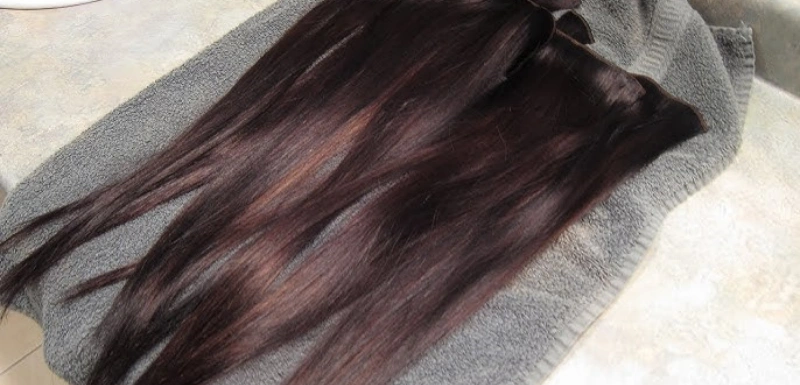
If you want to color your hair extensions at home, Remy hair is the best choice. Remy extensions have intact and aligned cuticles, which means the hair stays soft and shiny after coloring. You get even dye absorption, so your new shade looks smooth and natural.
Non-Remy hair often has misaligned cuticles. This can lead to uneven color and dry, brittle strands after you use hair dye.
Take a look at this quick comparison:
Feature | Remy Hair Extensions | Non-Remy Hair Extensions |
|---|---|---|
Cuticle Alignment | Intact and aligned cuticles | Misaligned cuticles |
Dye Absorption | More even dye absorption | Uneven dye absorption |
Post-Dye Quality | Maintains softness and shine | May become dry or brittle |
Chemical Treatment | Not chemically treated | Often chemically treated |
Remy hair extensions from Alpha use only ethically sourced, natural human hair. You get unmatched softness and durability. If you want a flawless result when coloring hair extensions, Remy hair gives you the best chance.
Best Practices for Remy Extensions
You want your extensions to look vibrant and healthy after coloring. Here are some tips to help you get the best results:
Wash and dry your extensions before you start. This removes any product buildup.
Always do a strand test with your chosen hair dye. You can check how the color develops and avoid surprises.
Use professional-grade products. Cheap dyes can damage the hair or cause uneven results.
Apply dye evenly. Work in small sections and use a brush for precision.
Monitor processing time. Don’t leave dye on too long. You want to protect the softness and shine.
Rinse with cool water and condition thoroughly. This helps lock in color and keeps the hair smooth.
Tip: If you feel unsure about any step, reach out to a professional or consult Alpha’s experts for guidance.
With these steps, you can color your hair extensions at home and enjoy a fresh, beautiful look.
Coloring Hair Extensions: Can You Do It at Home?
Human Hair vs Synthetic Extensions
When you think about coloring hair extensions at home, you need to know what type you have. Human hair extensions give you the freedom to experiment with color. You can use regular hair dye, just like you would on your own hair. The results look natural and last longer.
If you want to try a new shade or refresh your look, human hair is the way to go.
Synthetic hair extensions are different. They are made from plastic fibers. These fibers do not react well to hair dye. If you try to color synthetic hair extensions, you might end up with a mess.
The color will not stick, and the fibers can melt or tangle. You should never use regular dye on synthetic hair. Some people use fabric dye or special sprays, but the results are not reliable.
Tip: Always check the label or ask your supplier before you start dyeing hair extensions. This step saves you time and money.
Why Extension Type Matters?
The type of extensions you have makes a big difference. Human hair lets you color your hair extensions safely at home. You get even color and a soft feel. Synthetic hair does not work with most dyes. You risk damaging the hair and wasting your efforts.
Here is a quick table to help you decide:
Extension Type | Can You Dye at Home? | Best Results With |
|---|---|---|
Human Hair | Yes | Regular hair dye |
Synthetic Hair | No | Special sprays/fabric dye (not recommended) |
If you want to learn how to dye hair extensions at home, always start by checking your extension type. This simple step helps you avoid mistakes and get the best results. Remember, coloring hair extensions works best with 100% human hair. Follow these tips, and you will love your new look!
Hair Extensions You Can Dye
Virgin Remy Hair Extensions
If you want the best results when you color your hair extensions, start with virgin Remy hair. This type of hair has never been treated with chemicals or dyes. The cuticle layer stays intact, so the hair absorbs color well and looks natural after dyeing.
You can expect vibrant, even shades that blend with your own hair. Here’s why virgin Remy hair stands out:
The cuticle layer is complete, which helps the hair soak up color evenly.
The hair has not gone through chemical treatments, so it reacts to hair dye just like your natural hair.
You get a soft, shiny finish that feels real and lasts longer.
If you want to try bold colors or subtle highlights, virgin Remy hair gives you the freedom to experiment. You can bleach or tone it, and the results will look smooth and professional.
Non-Remy and Synthetic Extensions
Non-Remy and synthetic extensions do not work well for coloring hair extensions at home. Non-Remy hair often has cuticles facing different directions. This makes the color patchy, and the hair can turn dry or tangled.
Synthetic extensions are made from plastic fibers. Regular hair dye will not stick to them, and the fibers might melt or get ruined. If you want to change the color, it’s best to avoid these types.
Note: Always check the label before you start. If you see “synthetic” or “non-Remy,” skip the dye and look for human hair extensions instead.
Hand-Tied and Weft Extensions
Alpha offers hand-tied and weft extensions made from 100% Remy human hair. These extensions are perfect if you want to try new shades at home. The hair stays soft and strong, even after you color it. You can use professional hair dye for a seamless blend with your natural hair.
Alpha’s strict quality control means you get extensions that hold color beautifully and last a long time.
If you want a fresh look, Alpha’s extensions make it easy to try new colors and styles without worry.
Dye Hair Extensions: Preparation
Getting ready is the secret to coloring hair extensions safely and getting salon-worthy results at home. You want every strand to look vibrant and healthy, so don’t skip these steps. Let’s walk through the preparation process together.
Identify Your Extension Type
First, you need to know what kind of extensions you have. Are they human hair extensions or synthetic? This step matters because only human hair, especially Remy hair, can handle regular hair dye. If you use dye on synthetic hair, you risk ruining the fibers.
Alpha’s 100% Remy human hair extensions are perfect for coloring. You get soft, natural-looking results every time.
Here’s a quick table to help you check your extension type:
Extension Type | Can You Dye? | Best Methods |
|---|---|---|
Human Remy Hair | Yes | Professional hair dye |
Non-Remy Human Hair | Sometimes | May need extra care |
Synthetic Hair | No | Not recommended |
Tip: Always read the packaging or ask your supplier before you start. If you’re unsure, Alpha’s experts can help you test your hair extensions and confirm the type.
Gather Tools and Materials
You want to set up your workspace before you begin. Having everything ready makes the process smoother and helps you avoid mistakes. Here’s what you’ll need:
Hair dye (choose a shade that matches your vision)
Mixing bowl and brush
Gloves to protect your hands
Wide-tooth comb for detangling
An old towel or cape to cover surfaces
Clips to section the hair
Mild shampoo and conditioner
Timer or clock
Note: Using professional-grade products gives you better results. Alpha recommends high-quality dyes for their Remy extensions.
Wash and Dry Extensions
Clean hair absorbs color more evenly. You should wash your extensions with a gentle shampoo to remove any oils or product buildup. Rinse thoroughly and let them air dry.
Don’t use conditioner before coloring, because it can block the dye from penetrating the hair shaft. Dry extensions are easier to handle and help you apply color to your hair extensions with precision.
Detangle gently with a wide-tooth comb.
Lay the extensions flat on a clean towel.
Make sure they are completely dry before you move to the next step.
Strand and Patch Testing
Never skip this step! You want to test on a small strand before you color the whole set. This lets you see how the hair reacts to the dye and helps you avoid surprises. Mix a little hair dye and apply it to a hidden section.
Wait for the recommended processing time, then rinse and check the color. If you like the result, you’re ready to move forward.
You should also do a patch test on your skin to check for allergies. Dab a small amount of dye behind your ear or on your inner arm. Wait 24 hours to see if you react.
Callout: Testing is the best way to protect your investment and your health. If you notice any irritation or the color looks off, try different products or methods.
By following this step-by-step guide, you set yourself up for success. Careful preparation means you can safely color your hair extensions and enjoy beautiful, even results. Alpha’s Remy human hair extensions make the process easier, so you can focus on creativity and confidence.
How to Dye Hair Extensions: Step-by-Step Guide
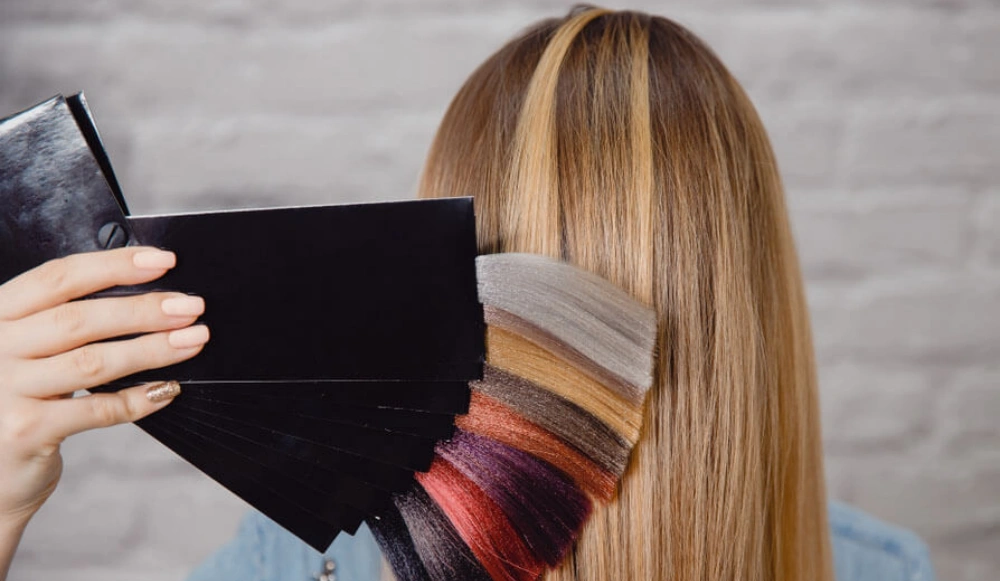
Ready to transform your look? This step-by-step guide will show you how to dye hair extensions at home with confidence. You’ll get vibrant, even color and keep your extensions looking healthy. Let’s walk through each stage together.
Choose the Right Color and Products
Start by picking a shade that matches your style and blends with your natural hair. If you want a dramatic change, go for a bold color. For a subtle update, choose a shade close to your current tone. Always use professional-grade products for the best results.
These products protect the hair and help you achieve salon-quality color at home.
Alpha’s human hair extensions work perfectly with most professional dyes. You can trust the color to come out rich and true. Before you begin, double-check that your extensions are 100% human hair. This ensures the dye will take evenly and safely.
Tip: If you’re unsure about the shade, test it on a small strand first. This helps you see how the color develops before you commit to the whole set.
Mix and Apply Dye Evenly
Once you have your hair dye ready, follow these steps for smooth application:
Wash your extensions with a sulfate-free shampoo. Let them air dry completely. Make sure they are free from tangles.
Mix the dye according to the instructions on the box or bottle.
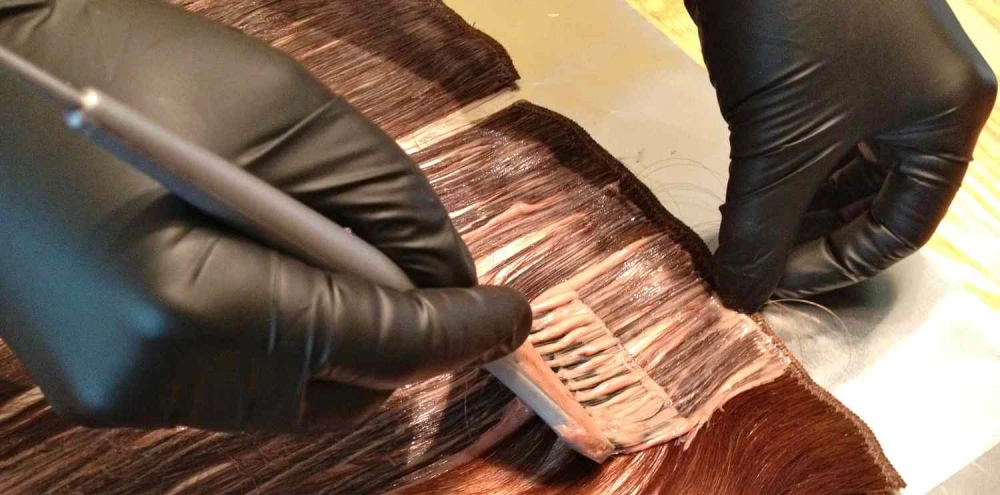
Lay the extensions flat on a protected surface. Use a tinting brush to apply the dye, starting from the ends and working toward the roots.
Comb through each section to distribute the color evenly. This step prevents patchy spots and ensures every strand gets covered.
Clip each section aside as you finish to keep things organized.
Take your time during the application. Rushing can lead to uneven color or missed spots. If you want to color your hair extensions like a pro, patience pays off.
Processing and Monitoring
After you apply the dye, let it process for the time recommended by the product instructions—usually between 20 and 40 minutes. Keep an eye on the color as it develops. You can gently check a strand to see if the shade is right. Don’t leave the dye on too long. Over-processing can dry out the hair and affect the final results.
Note: Set a timer so you don’t lose track of time. Monitoring the process helps you achieve the perfect shade.
Rinse and Condition
When the processing time is up, rinse the extensions with lukewarm water until the water runs clear. Avoid using hot water, as it can strip away color and moisture. Apply a nourishing conditioner to restore softness and shine. Let the conditioner sit for a few minutes, then rinse thoroughly.
You want to treat your extensions gently during this step. Squeeze out excess water with a towel—don’t rub or twist the hair.
Dry and Detangle
Lay the extensions flat on a clean towel and let them air dry. Avoid using high heat, which can damage the hair and fade the color. Once dry, use a wide-tooth comb to detangle each section. Start at the ends and work your way up to prevent breakage.
If you follow these methods, you’ll keep your extensions looking smooth and vibrant. Dyeing hair extensions at home can feel intimidating, but with the right products and careful steps, you’ll get beautiful, long-lasting results.
Callout: Alpha’s Remy human hair extensions are designed for easy at-home coloring. You get salon-level quality and a seamless blend every time.
Now you know how to dye hair extensions at home safely. Enjoy your new look and show off your creativity!
Best Way to Dye Hair Extensions
Watercolor Method for Fashion Shades
Want to try bold colors like pink, blue, or purple? The watercolor method makes it easy. You mix hair dye with warm water in a bowl. Drop your extensions into the mix and swirl them around. This method gives you a soft, even color without harsh lines.
You can control the shade by adjusting the amount of dye and how long you leave the hair in the water. Many people love this method because it works fast and keeps the hair soft.
Tip: Always use professional hair dye for the watercolor method. Test a small section first to see how the color turns out.
Traditional Application for Natural Colors
If you want a classic look, use the traditional method. Lay your extensions flat on a towel. Mix your chosen color in a bowl. Use a tint brush to apply the dye from root to tip. Work in small sections for even coverage. This method helps you match your extensions to your natural hair.
You get rich, natural shades like brown, blonde, or black. Take your time and check each section as you go.
Here’s a quick table to compare both methods:
Method | Best For | Application Style |
|---|---|---|
Watercolor | Fashion shades | Dip and swirl |
Traditional | Natural colors | Brush and section |
Tips for Even Results
You want your color to look smooth and vibrant. Here are some tips:
Wash and dry your extensions before you start.
Detangle with a wide-tooth comb.
Always do a strand test before you color your hair extensions.
Use clips to separate sections.
Rinse with cool water to lock in color.
Callout: If you follow these steps, you’ll get even results every time. Alpha’s extensions are perfect for both methods, so you can experiment with any style you like.
Essential Dos and Don’ts
Dos for Safe Coloring
You want to color your hair extensions and keep them looking fresh. Here are some important dos to help you get great results:
Always check the type of extensions before you start. Human hair works best with hair dye.
Wash and dry your extensions before coloring. Clean hair absorbs color better.
Use gloves to protect your hands from stains and chemicals.
Do a strand test first. This helps you see how the color turns out and prevents surprises.
Follow the instructions on your hair dye package. Timing matters for even color.
Rinse with cool water to help lock in the shade and keep the hair soft.
Condition your extensions after coloring. This restores moisture and shine.
Work in small sections for even coverage. Take your time and use a tint brush.
Tip: If you want to color your hair extensions safely, patience and preparation make all the difference.
Common Mistakes to Avoid
Many people rush the process or skip steps. Here are some mistakes you should avoid:
Don’t use regular dye on synthetic extensions. The fibers can melt or tangle.
Never skip the strand test. You might end up with a color you don’t like.
Don’t leave dye on too long. Over-processing can dry out the hair.
Avoid using hot water to rinse. This can fade the color quickly.
Don’t brush wet extensions roughly. You risk breakage and frizz.
Never use harsh shampoos right after coloring. Gentle products help maintain color.
Mistake | Why to Avoid |
|---|---|
Skipping the strand test | Unpredictable results |
Using hot water | Fades color |
Dyeing synthetic hair | Damages fibers |
Remember, careful steps help you color your hair extensions safely and keep them looking beautiful.
Expert Advice and Precautions
When to Consult a Professional
Sometimes, you just need a pro. If you want to go much lighter or try a big color change, a professional colorist can help you avoid mistakes. They know how to pick the right products and protect your hair. If you feel unsure about any step, it’s smart to ask for help.
You should also see a stylist if your extensions are expensive or custom-made. They can match the color perfectly and keep your hair looking healthy.
Tip: If you notice dryness, breakage, or uneven color after dyeing, reach out to a salon. A professional can fix these problems and give you advice for next time.
Bleaching and Lightning Risks
Bleaching can give you a bold new look, but it comes with risks. You should only try bleaching on human hair extensions, and virgin hair works best. Experts say you should never bleach synthetic hair. Always remove your extensions before lightning. This protects your natural hair and makes the process easier.
Here are some important precautions for bleaching:
Use bleach on dirty hair to help reduce damage.
Check the hair every 10 minutes to see how it’s doing.
Never leave bleach on for more than 45 minutes. This helps prevent hair loss and breakage.
If you see dryness or damage, rinse right away and use a deep conditioner.
If you feel nervous or the color looks wrong, stop and call a professional.
Most experts warn that bleaching can make hair brittle and fragile. The chemicals in bleach, like ammonia and hydrogen peroxide, can damage even real hair. If you want to keep your extensions soft and shiny, talk to a stylist before you try bleaching at home.
Special Care for Remy Extensions
Remy extensions need gentle care, especially after coloring or bleaching. Always use sulfate-free shampoo and a rich conditioner. Let your hair air dry when you can. Avoid hot tools or use a heat protectant spray. Brush gently with a wide-tooth comb to prevent breakage.
Note: Good aftercare helps your extensions last longer and keeps them looking beautiful. If you follow these tips, you can enjoy your new color with confidence.
Aftercare for Human Hair Extensions
Taking care of your colored extensions is the secret to keeping them soft, shiny, and beautiful for as long as possible. If you follow a few simple routines, you can enjoy vibrant results and get the most out of your investment. Alpha recommends gentle care and regular maintenance to help your extensions look their best.
Washing and Conditioning
You don’t need to wash your human hair extensions every day. Try to limit washing to twice a week or once every three days. This helps your hair hold onto moisture and keeps the color from fading too quickly. Always use a sulfate-free shampoo and a rich, moisturizing conditioner.
Gently detangle with a wide-tooth comb before washing. When you rinse, use cool or lukewarm water to lock in color. Skip harsh chemicals and avoid rubbing or twisting the hair.
Tip: After washing, use a blow dryer on a low setting instead of towel drying. This reduces strain and helps prevent tangling.
Minimizing Heat Damage
Heat styling tools can make your extensions look sleek, but too much heat can cause dryness and breakage. Always apply a professional-grade heat protectant spray before you use a flat iron, curling wand, or blow dryer. Choose ceramic or tourmaline tools because they distribute heat more evenly.
Keep the temperature lower than you would for your natural hair. Try to let your extensions air dry whenever possible. Deep-conditioning treatments once a week will help maintain hydration and softness.
Use ceramic or tourmaline styling tools
Apply heat protectant spray every time
Keep temperatures low
Deep condition weekly
Maintaining Color and Longevity
If you want your color to last, treat your extensions with care. Avoid rough handling—use a soft-bristled brush and never pull or tug near the bonds. At night, braid your hair or put it in a low bun and sleep on a silk pillowcase to reduce friction.
Schedule regular maintenance appointments every 6-8 weeks to keep everything secure and tangle-free. Stay away from hair dye or other chemicals unless you check with an extension specialist first.
Here’s a quick table to help you remember the best aftercare routines:
Aftercare Routine | Description |
|---|---|
Avoid Rough Handling | Use soft brushes and gentle movements to prevent damage. |
Protect from Heat | Always use heat protectant and moderate heat settings. |
Wash Sparingly | Limit washing to keep moisture and color vibrant. |
Regular Maintenance | Visit your stylist every 6-8 weeks for upkeep. |
Sleep Protection | Secure hair at night and use a silk pillowcase to reduce friction. |
If you follow these tips, your human hair extensions will stay soft, shiny, and full of life. Alpha’s aftercare recommendations help you enjoy gorgeous hair day after day.
Dyeing Extensions While Installed
Risks and Challenges
Dyeing hair while it’s already installed can sound convenient, but you face a few tricky problems. You might struggle to reach every section evenly. Dye can touch your scalp, causing irritation or staining. Sometimes, the bonds or tapes that hold your extensions in place react badly to chemicals.
This can weaken the attachment or even cause shedding. Water and dye may seep into the roots, making it tough to rinse everything out. You also risk uneven color if you miss hidden strands.
Here’s a quick look at the main challenges:
Challenge | Why It Matters |
|---|---|
Uneven coverage | Hard to reach all sections |
Scalp irritation | Dye can touch skin |
Bond/tape damage | Chemicals weaken attachment |
Difficult rinsing | Water and dye near roots |
Color inconsistency | Missed strands look patchy |
Note: If you feel unsure or want a dramatic color change, you should talk to a professional stylist first.
Best Practices
You can still get great results if you follow the right steps. Here’s a simple process to help you dye installed extensions safely:
Check your hair type. Only 100% human hair extensions can handle dye.
Wash your hair with a clarifying shampoo. This removes product buildup and helps color stick.
Let your hair air dry completely. Wet hair won’t absorb dye evenly.
Mix your dye according to the instructions. Use a tint brush for precise application.
Apply the dye in small sections. Work carefully to avoid missing spots and keep dye off your scalp.
Leave the color in for the recommended time, usually 20–30 minutes. Watch the clock so you don’t over-process.
Rinse gently with cool water until it runs clear. Avoid scrubbing or twisting the hair.
Use a deep conditioner to restore softness. Let your hair air dry again for best results.
Tip: Always protect your skin and clothing with towels or a cape. Take your time and check each section as you go.
If you follow these steps, you can refresh your look without risking damage. You’ll keep your extensions looking vibrant and healthy.
Conclusion
You can dye hair extensions at home if they’re made of 100% human hair. Always check your extension type before you start. Careful preparation and aftercare keep your hair looking fresh.
Remember to do a strand test and use professional products for the best results. If you want a big color change or feel unsure, ask a stylist for help.
You’ve got this! With the right steps, you can create beautiful, vibrant hair safely at home.
FAQ
Can I dye synthetic hair extensions?
No, you can’t use regular hair dye on synthetic extensions. The fibers won’t absorb color and may melt or tangle. If you want a new shade, choose 100% human hair extensions for safe, beautiful results.
How many times can I dye my hair extensions?
You can dye high-quality human hair extensions a few times. Each coloring session may reduce softness and shine. Always use gentle products and deep conditioning to keep your extensions looking their best.
Should I dye extensions before or after installing them?
You should always dye your extensions before installing them. This gives you even color and protects your scalp and bonds from harsh chemicals. It also makes rinsing and conditioning much easier.
What if my extensions turn out too dark?
Don’t panic! Wash your extensions with a clarifying shampoo to lighten the color slightly. If you still don’t like the shade, reach out to a professional for advice before trying to lighten it further.