
Cold fusion and hot fusion hair extensions are two popular methods for adding length and volume. Both techniques use keratin bonds to attach hair strands, but they differ in application, durability, and care requirements. Understanding these differences can help you choose the best option for your hair type and lifestyle.
Cold Fusion extensions use ultrasonic technology to bond the keratin without heat, making them gentler on natural hair. Hot Fusion, on the other hand, uses a heated tool to melt the keratin, creating a strong bond. Each method has unique benefits and maintenance needs, which we’ll explore to help you make an informed choice.
What are Cold Fusion Hair Extensions?
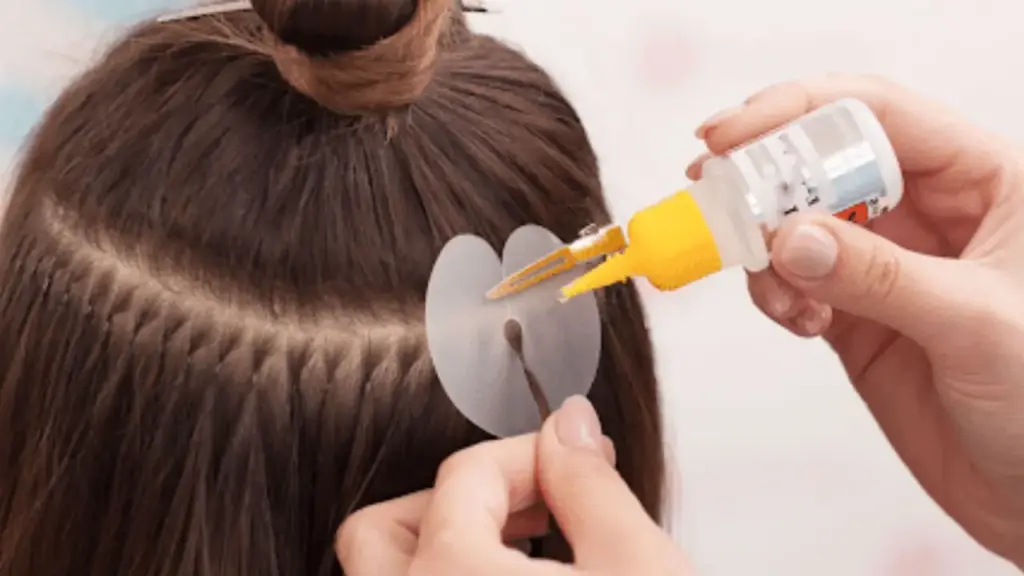
Cold fusion hair extensions are a modern method of adding length and volume without using heat. They rely on ultrasonic technology to bond keratin tips to your natural hair, making them gentle, flexible, and ideal for delicate hair types. This method ensures a natural look and long-lasting results.
Benefits of Cold Fusion Hair Extensions
- Gentle on Hair: Cold Fusion doesn’t use heat, reducing damage to your natural strands. This makes it perfect for fragile or chemically-treated hair, keeping it strong and healthy while still achieving added length and volume.
- Natural Appearance: The bonds are nearly invisible, blending seamlessly with your natural hair. This allows for a smooth, flawless finish that looks natural and moves like your own hair.
- Reusable Extensions: Cold Fusion strands can often be removed and reinstalled multiple times. With proper care, you can reuse them, making this method cost-effective over time for both personal use and salon clients.
- Long-Lasting: When applied correctly, Cold Fusion extensions can last up to 3–4 months. Their secure bonds ensure minimal slippage and consistent volume, reducing the need for frequent salon visits.
- Comfortable to Wear: The bonds are small and lightweight, causing minimal tension on the scalp. This ensures comfortable daily wear, making them ideal for extended use without pain or irritation.
What are Hot Fusion Hair Extensions?
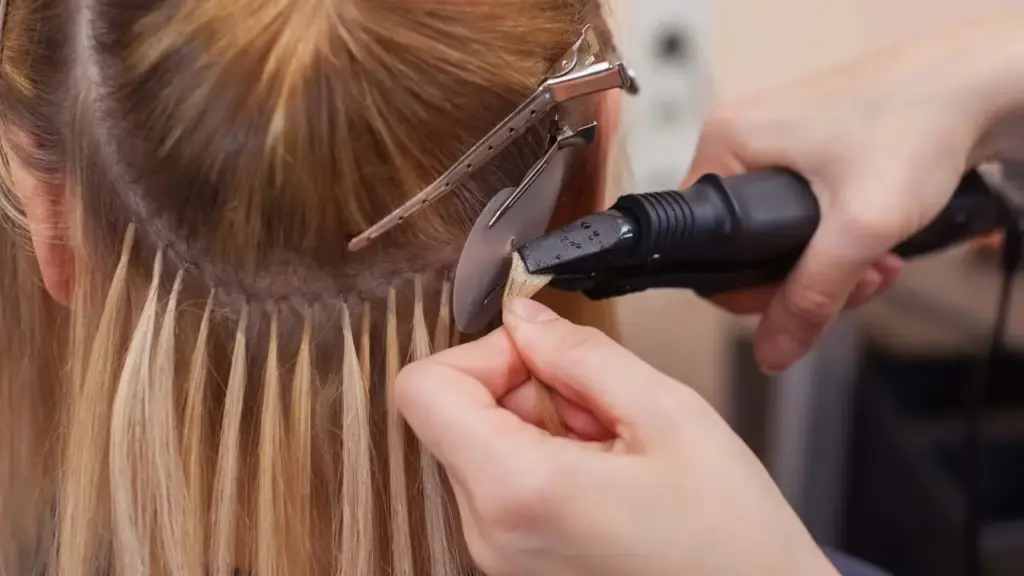
Hot Fusion hair extensions use keratin bonds that are melted with a heated tool to attach individual strands to your natural hair. This method provides a secure, long-lasting hold and allows for seamless blending, giving a natural, voluminous look that can last for several months.
Benefits of Hot Fusion Hair Extensions:
- Long-lasting results: Hot Fusion extensions remain securely in place for months. This durability makes them ideal for those wanting extended wear without frequent salon visits, saving time and maintaining a consistently polished look.
- Natural appearance: Each strand blends individually with your natural hair. This careful application ensures no visible bonds, giving a soft, flowing finish that looks entirely natural.
- Versatile styling: These extensions can handle heat styling like your own hair. You can curl, straighten, or create updos while maintaining the integrity of the extensions.
- Durable bonds: The keratin bonds are resistant to slipping, even during daily activities. This ensures your extensions stay in place, providing reliable volume and length.
- Customizable volume and length: Hot Fusion allows precise placement of strands. Whether you want subtle volume or dramatic length, the method can be tailored to achieve your desired look without damaging your natural hair.
Cold Fusion vs Hot Fusion Hair Extensions

Cold Fusion and Hot Fusion hair extensions are two popular methods for adding length, volume, and style. Both use keratin bonds to attach extensions, but they differ in application, heat usage, durability, and care requirements. Understanding these differences helps you choose the best option for your hair type and lifestyle.
Application Method
Cold Fusion extensions use ultrasonic waves or adhesive that bonds the keratin to natural hair without heat. This method is gentle on the hair and reduces the risk of heat damage. The strands are carefully applied strand by strand, allowing precise placement for a natural look.
Hot Fusion extensions use a heated tool to melt keratin bonds, which are then attached to individual strands of hair. The heat creates a strong bond, ensuring long-lasting wear. While effective, this method requires caution to avoid heat damage, especially on fine or fragile hair.
Durability
Cold Fusion extensions typically last 2–3 months with proper care. The bond is strong but may loosen slightly over time, particularly with frequent washing or styling. Regular maintenance ensures that extensions remain secure and blend naturally with your hair.
Hot Fusion extensions are highly durable and can last 3–6 months, depending on hair type and maintenance. The heat-melted keratin forms a stronger bond than Cold Fusion, making them ideal for clients seeking long-lasting results with minimal touch-ups.
Hair Health
Cold Fusion is gentler on natural hair because it avoids direct heat during application. This reduces breakage and stress on strands, making it a suitable choice for fragile or fine hair types. Proper removal also minimizes hair damage.
Hot Fusion may put more stress on the hair due to heat exposure. Improper application or removal can cause breakage or split ends. However, when done by professionals and with proper care, Hot Fusion can still be safe and effective.
Styling Versatility
Both methods allow for versatile styling, including curling, straightening, and updos. Cold Fusion extensions should avoid excessive heat to maintain the bond’s integrity, but they still offer flexibility for everyday styling.
Hot Fusion extensions handle heat styling better due to the keratin bonds’ durability. They can be curled, straightened, or styled repeatedly, making them ideal for those who frequently change their hairstyles.
Maintenance
Cold Fusion requires careful maintenance, including gentle brushing, sulfate-free products, and regular check-ins with your stylist to prevent slipping. Extensions may need repositioning as hair grows.
Hot Fusion requires similar maintenance but benefits from the stronger bonds, reducing the need for frequent adjustments. Proper care ensures both the natural hair and extensions remain healthy and long-lasting.
Here are some differences between cold fusion and hot fusion hair extensions:
| Aspect | Cold Fusion | Hot Fusion |
|---|---|---|
| Application | No heat, ultrasonic/adhesive | Heat tool, melts keratin bonds |
| Durability | 2–3 months | 3–6 months |
| Hair Health | Gentler, low heat damage | Stronger bond, possible heat stress |
| Styling | Can style but limit heat | Highly versatile with heat styling |
| Maintenance | Frequent check-ups, gentle care | Less frequent adjustments, strong bonds |
How to Choose Cold Fusion and Hot Fusion Hair Extensions?
Choosing between Cold Fusion and Hot Fusion hair extensions depends on your hair type, lifestyle, and desired results. Each method offers unique benefits, from minimal heat damage to long-lasting durability. Understanding your hair’s needs ensures you select the most suitable option for natural-looking, beautiful extensions.
Key Considerations:
- Hair type: Cold Fusion avoids heat, making it ideal for fragile strands, reducing breakage and split ends. Hot Fusion’s heat application works better for thicker, resilient hair that can withstand the keratin bonding process.
- Lifestyle: If you lead a busy life, Hot Fusion’s longer wear saves frequent salon visits. Cold Fusion suits those willing to invest time in gentle maintenance and regular check-ups.
- Styling habits: Hot Fusion bonds tolerate heat styling, curls, and straightening without loosening. Cold Fusion requires careful styling to prevent bond weakening, making it better for low-heat hair routines.
- Budget: While Cold Fusion may have lower initial costs, its shorter lifespan may require more frequent reapplication. Hot Fusion’s durability can be more cost-effective over time despite higher upfront investment.
- Maintenance commitment: Cold Fusion needs gentle brushing, sulfate-free products, and periodic repositioning. Hot Fusion requires less frequent adjustments due to its stronger bond, though proper care is still essential to maintain hair health and extension longevity.
Conclusion
Choosing between Cold Fusion and Hot Fusion hair extensions depends on your hair type, lifestyle, and personal preference. Cold Fusion is ideal for those seeking minimal heat damage, while Hot Fusion offers a durable and long-lasting hold. Both provide beautiful results when applied and cared for properly.
Proper care is essential to maintain the longevity of your extensions. Regular brushing, avoiding excessive heat, and using sulfate-free products will help protect your natural hair and the extensions. Knowing the differences between the methods ensures you pick the one that suits your hair goals.
For wholesale fusion hair extensions, get them from Alphahair. We offer a wide range of Cold and Hot Fusion options, ensuring premium quality, natural look, and reliable durability for salons and personal use alike.