
You may wonder if microlink hair extensions cause damage to your hair. Damage does not happen by default; it depends on how you install, maintain, and care for your extensions.
When you choose professional installation, stylists use specialized training and step-by-step methods that protect your natural hair and create a seamless look.
Regular maintenance and proper aftercare help you keep your hair healthy. Alpha offers premium extensions made from ethically sourced human hair, giving you confidence in both safety and quality.
Key Takeaways
Professional installation of microlink extensions prevents hair damage.
Regular maintenance keeps extensions secure and hair healthy.
Microlinks suit medium to thick hair best; consult a stylist for thin hair.
Avoid DIY installation to prevent uneven tension and damage.
Follow aftercare instructions to minimize risks and extend lifespan.
What Are Microlink Hair Extensions?
Attachment Method and Structure
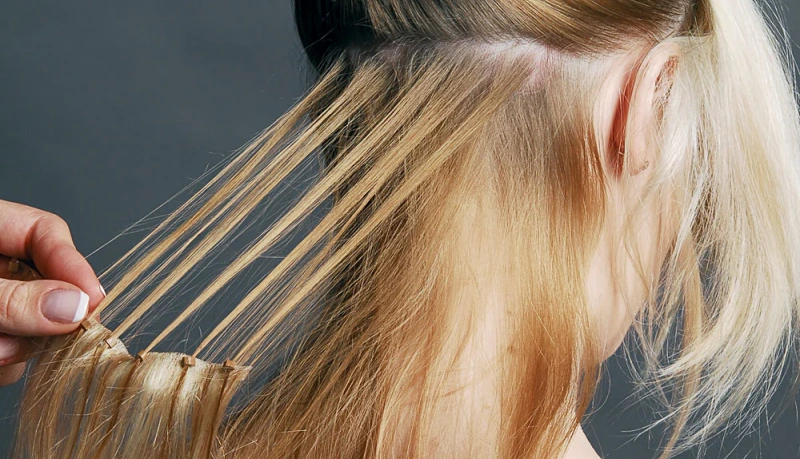
Microlink hair extensions use a unique attachment method that sets them apart from other types of hair extensions. You will see small silicone or metal beads, often called microbeads, used to secure the extensions to your natural hair.
Stylists thread a small section of your hair through the bead, then insert the extension strand and clamp the bead shut. This process does not use heat, glue, or tape, which helps protect your hair from chemical damage.
The structure of micro link extensions allows your natural hair to remain exposed, making it easier to care for your scalp and hair.
Here is a comparison of microlink extensions and other common methods:
Component/Method | Microlink Extensions | Other Methods (e.g., Weaves) |
|---|---|---|
Attachment Method | Uses silicone beads (microbeads) | Sewn into braids (hand-sewn wefts) |
Hair Integration | Individual strands left out | Hair is typically braided underneath |
Maintenance | Requires matching hair texture and color | Varies, often more coverage |
Installation Techniques | iTip method and braid-less weft method | Traditional sewing methods |
Types and Terminology
You may hear several terms for microlink hair extensions in salons and online. Common names include micro bead extensions, micro ring extensions, micro loop extensions, I-tip or stick-tip extensions, and cold fusion or cold application strand extensions.
All these terms refer to the same basic technique, where small metal or aluminum rings clamp the extension to your natural hair. This method avoids adhesives and heat, making it a safer choice for many people.
Benefits and Limitations
Microlinks offer several benefits. You can style your hair in many ways, including buns and ponytails, without revealing the extensions. The absence of glue or adhesives reduces the risk of irritation, especially for sensitive scalps.
These extensions blend seamlessly with your natural hair and can last two to three months with proper care. You also get easy access to your scalp, which helps you maintain healthy hair.
However, micro link extensions come with some limitations. The cost is higher than that of many other methods, and professional installation is necessary for the best results. You need to schedule regular maintenance, such as washing and re-tightening every eight weeks.
This method may not suit thin or weak hair, as the beads can add weight and cause stress. Microlink hair extensions are semi-permanent, so you cannot remove them as easily as clip-ins or wigs.
Note: Alpha uses only ethically sourced, 100% Remy human hair for its microlink hair extensions. You receive premium quality and durability, thanks to strict quality control and careful sourcing.
Causes of Damage in Micro Links Extensions
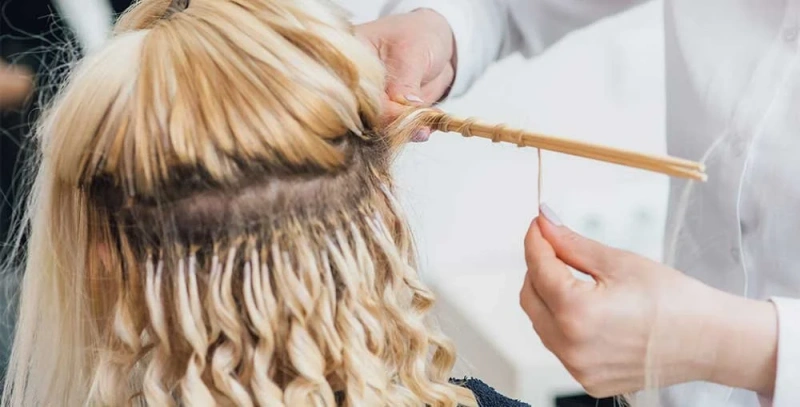
Improper Installation Risks
When you choose micro link extensions, the installation process plays a critical role in protecting your hair. If a stylist does not assess your hair’s volume or the weight of the extensions, you may experience breakage or discomfort. Leaving extensions in longer than recommended can also cause hair damage.
Careless application, such as attaching beads too close to your scalp or using too many strands in one spot, increases the risk of problems. You should always work with professional stylists who understand the best practices for micro link extensions.
Improper installation can lead to hair damage if the stylist fails to assess the hair’s volume and the weight of the extensions correctly.
Extensions left in for longer than the recommended duration can cause hair damage and breakage.
Careless application of extensions, such as bonding too close to the roots or using too many strands in one place, can result in disastrous outcomes.
Professional installation, especially from a licensed professional at a reputable salon, helps you avoid these risks. Alpha recommends consulting with a professional stylist who has experience with microlinks to ensure your natural hair stays healthy.
Mechanical Stress and Weight
Mechanical stress is a leading cause of hair damage with micro links extensions. When you add too much weight or tension to your hair, you risk traction alopecia. This condition happens when repeated pulling damages the hair follicles, leading to inflammation and possible hair loss.
Tight installations or heavy extensions can cause thinning, especially around the hairline. Up to 8% of users report scalp or hair damage from improper applications, with traction alopecia being a common issue.
You should pay attention to any discomfort or tightness after installation and ask your stylist to adjust the extensions if needed.
Dermatological studies show that excessive pulling forces from micro link extensions can harm your hair follicles. Prevention guidelines suggest limiting the duration of these styles, distributing weight evenly, and learning the signs of excessive tension. Early action can prevent permanent hair loss.
Maintenance Mistakes
Proper care is essential for keeping your micro link extensions and natural hair in good condition. Ignoring aftercare instructions can lead to tangling, slipping, or even breakage. You need to follow guidelines for washing, drying, and choosing the right products.
Without these steps, both your extensions and your natural hair may suffer.
Common maintenance mistakes include:
Washing your hair too frequently, which can loosen the bonds.
Using heat styling tools too often, which can damage both your natural hair and extensions.
Tugging or pulling on your extensions causing discomfort and damage.
Using oily or greasy products, which can cause buildup and dullness.
Trying to remove the extensions yourself instead of seeking professional removal.
You should always follow your stylist’s aftercare advice and schedule regular maintenance appointments to keep your micro link extensions looking their best.
Suitability for Hair Types
Not every hair type is ideal for microlink hair extensions. Microlinks work best for medium to thick hair. If you have fine or fragile hair, you may face issues like slipping or breakage. Short or unhealthy hair is not recommended for micro link extensions, as the beads and added weight can cause further damage.
Microlinks are best suited for medium to thick hair.
Fine or fragile hair types may face issues like slipping or damage.
Short or unhealthy hair is generally not recommended for microlinks.
Individuals with hair loss or excessive shedding should consider other techniques instead of microlinks.
Naturalists with thin and permed hair should be cautious, as the weight of microlinks can cause breakage.
You should always consult with a professional stylist before choosing micro link extensions. A stylist can assess your hair type and recommend the best solution for your needs. By matching the right extensions to your hair, you reduce the risk of hair damage and enjoy a beautiful, long-lasting result.
Maintenance and Aftercare for Hair Extensions

Professional Maintenance Schedule
You need to follow a strict maintenance schedule to keep your microlink hair extensions in top condition. Most stylists recommend salon visits every six to eight weeks for regular salon maintenance.
These appointments allow your stylist to retighten and reposition the extensions, preventing gaps and tension caused by hair growth. Some salons suggest coming in every two to three weeks for upkeep, especially if you want long-lasting results.
Regular professional maintenance keeps the micro-links secure and reduces the risk of damage. Trusting a trained stylist ensures your extensions stay in place and your natural hair remains healthy.
At-Home Care Tips
A consistent care routine at home helps you maintain the quality and appearance of your hair extensions. You should wash your hair regularly with a moisturizing sulfate-free shampoo, scrubbing horizontally to protect the beads. Condition your microlinks one or two times a month, but avoid the roots to prevent breakage.
Dry your hair gently with a microfiber towel, squeezing out excess water and steering clear of the roots. Limit heat styling tools to prevent damage. At night, use a satin bonnet and consider twisting or braiding your hair to avoid tangles.
Apply hair oil weekly to nourish your scalp. Schedule retightening every four to five weeks to prevent matting.
Tip: Proper care routines, including sulfate-free products and regular brushing, help prevent dryness and tangling. High-quality Remy hair extensions, like those from Alpha, require less maintenance and blend seamlessly with your natural hair.
Safe Removal and Reuse
You should remove microlink hair extensions after three to four months to avoid stress on your natural hair. Extensions need tightening and repositioning every six to eight weeks. Straight and wavy microlinks can last up to a year with proper care. Always seek professional help for removal to prevent breakage.
Remy hair extensions retain their cuticle layer, making them easier to manage and more receptive to styling. This quality ensures longevity and allows for safe reuse, giving you beautiful, long-lasting results.
Myths and Truths About Microlink Hair Extensions
Damage-Free Myth
You may hear that microlink hair extensions are completely damage-free. This belief comes from the fact that stylists do not use glue or heat during installation. However, you should know that the metal beads can place stress on your natural hair.
If you ignore maintenance or choose improper installation, you risk breakage or thinning. Microlinks reduce chemical exposure, but they are not risk-free. Regular salon visits and careful aftercare help you protect your hair and minimize damage.
Many people believe microlinks are a permanent solution, but you need to schedule maintenance every 6–8 weeks. Extensions usually last three to four months before removal becomes necessary.
Suitability for All Hair Types
You might think microlink hair extensions work for all hair types. In reality, microlinks suit medium to thick hair best. If your hair is fine or fragile, you may experience slipping or strain. Stylists recommend limiting the number of extensions based on your natural hair thickness.
This approach prevents discomfort and protects your hair health. Always consult a professional before choosing microlinks for your hair type.
DIY Installation Risks
DIY videos often make microlink installation look simple. You may feel tempted to try it at home, but professional stylists warn against this. Incorrect placement can cause uneven tension and painful pulling. Overloading your hair with too many extensions leads to discomfort and possible permanent damage.
Strategic placement and even weight distribution require expertise. You should trust a trained stylist for safe installation.
DIY installation oversimplifies the process.
Incorrect application causes uneven tension and pain.
Overloading hair increases the risk of damage.
Extensions must match your natural hair thickness.
Visibility and Cost Myths
Microlink hair extensions are often described as invisible. You may notice the small beads or rings, especially as your hair grows out or under certain lighting. Compared to other methods, microlinks blend well, but visibility depends on your hairstyle and hair type.
Extension Type | Average Cost Range | Installation Cost Range |
|---|---|---|
Microlink Extensions | $150 – $200 per 100 grams | $400 – $1,000 |
I-tip Extensions | N/A | $800 – $2,000 |
Tape-in Extensions | N/A | Generally lower |
You may assume microlinks are cheaper in the long run, but frequent maintenance appointments can increase costs. Regular upkeep is essential for both appearance and hair health.
Professional advice and high-quality products, such as those from Alpha, ensure you get the best results. You protect your natural hair and enjoy beautiful extensions when you follow expert recommendations.
Conclusion
Microlink hair extensions offer a safe and beautiful solution when you follow expert installation and maintenance guidelines. You protect your natural hair by scheduling regular salon visits, using gentle brushing, and following aftercare instructions.
Common issues like discomfort, breakage, or irritation often result from improper application or neglect. Choose a trusted provider like Alpha for premium, ethically sourced extensions. Explore Alpha’s collection to achieve seamless, reliable results that enhance your confidence and style.
Regular professional care keeps your extensions in excellent condition and your hair healthy.
Proper maintenance minimizes the risk of hair loss or breakage.
FAQ
How long do microlink hair extensions last?
Microlink hair extensions usually last three to four months with proper care. You can extend their lifespan by following a regular maintenance schedule and using gentle products.
Can you wash your hair with microlink extensions?
Yes, you can wash your hair as usual. Use a sulfate-free shampoo and avoid scrubbing near the beads. Always dry your hair thoroughly to prevent tangling.
Are microlink extensions reusable?
You can reuse high-quality microlink extensions, such as those from Alpha. After professional removal, your stylist can reinstall them if the hair remains in good condition.
Will microlink extensions damage thin hair?
Microlink extensions may not suit thin or fragile hair. The beads can add stress and cause breakage. You should consult a professional stylist to determine the best option for your hair type.
How do you sleep with microlink extensions?
Tip: Braid your hair or use a satin bonnet before bed. This practice helps prevent tangling and keeps your extensions looking smooth and healthy.