
Hi, I’m Henry Xiang, founder of Alpha Hair. After years of working with salons, hair brands, and extension professionals, I’ve learned that the product is only one part of a safe sew-in. The condition of your natural hair, the stylist’s technique, the weight of the wefts, and your aftercare all matter.
So, do sew in extensions damage your hair? They can. Braids that are too tight, heavy wefts, poor scalp care, long wear, or rough removal may cause breakage and, in more serious cases, traction alopecia. But a sew-in does not automatically ruin your hair. When the method suits your hair, the tension is controlled, and the installation is maintained properly, it can be a practical protective style.
If you’re considering sew-in hair extensions, this guide will help you understand the real risks, the early warning signs, and the steps that can keep your natural hair and scalp in better condition.
The Short Answer: Sew-Ins Can Cause Damage, but They Do Not Have To
A sew-in works by attaching hair wefts to a foundation. In a traditional installation, your natural hair is braided into cornrows and the stylist sews the wefts onto those braids with a needle and thread. Some modern sew-in or hand-tied methods use beads or another track instead of a fully braided base.
The method creates a secure, long-wearing result, but it also places weight and tension on your own hair. Whether that becomes damaging depends on five practical questions:
- Is your natural hair healthy and dense enough to support the installation?
- Are the braids or anchor points firm without being painful?
- Is the weft weight appropriate for each section of natural hair?
- Can you clean and completely dry your scalp and braided foundation?
- Will the sew-in be maintained and removed on time?
If any answer is no, your risk rises. High-quality hair helps the finished style look and behave better, but no extension can make an overly tight or overly heavy installation safe.
Quick answer: A sew-in should feel secure, not sore. Pain, throbbing, bumps, or a headache are not signs that the style simply needs to “settle.” They are reasons to ask your stylist to loosen or remove the affected area.
How Sew-In Extensions Can Damage Natural Hair?
When people ask, “Are sew in extensions bad for your hair?” they are often asking about several different problems at once. A sew-in can affect the hair shaft, the hairline, the scalp, or the follicle. Here are the most common ways trouble starts.
1. The braids or anchor points are too tight
Tight braids create constant pulling at the roots. Adding a weft increases that load. The pressure is often strongest around the temples, hairline, nape, and part lines, where the natural hair may be finer.
The American Academy of Dermatology advises that pain or a headache during an extension service means the style is too tight. Repeated pulling can cause traction alopecia, a form of hair loss that may become permanent if the tension continues long enough.
2. The installed hair is too heavy
More bundles do not always produce a better result. If the stylist stacks dense wefts onto small braids or fragile sections, your roots carry more weight than they should. Long lengths also add leverage, especially when the hair is wet.
Good weight distribution matters as much as neat stitching. A skilled stylist chooses the braid pattern, track placement, number of rows, and grams of hair as one system rather than treating them as separate decisions.
3. The natural hair is already fine, weak, or damaged
Bleached, relaxed, thinning, recently postpartum, or actively shedding hair may not be a good base for a traditional sew-in. Existing breakage can become worse under tension, even if the same installation works well for someone with denser, stronger hair.
This is why a consultation should include more than color matching. Your stylist should assess density, elasticity, scalp condition, hairline strength, chemical history, and any current shedding before choosing the method.
4. The scalp stays dirty, irritated, or damp
A sew-in does not stop you from washing your scalp, but the braided base makes cleansing and drying more time-consuming. Sweat, oil, and product buildup may contribute to itching and irritation. Sleeping while the braids underneath are still damp can create an unhealthy scalp environment and unpleasant odor.
Clean gently between the tracks, rinse thoroughly, and dry the foundation completely. If you have persistent itching, burning, sores, or discharge, do not cover the problem with more oil. Have the scalp assessed.
5. The sew-in is worn too long
As your hair grows, the braided base loosens and the attachment sits farther from the scalp. Shed hairs remain trapped in the braids, roots may begin to mat, and the wefts can pull unevenly.
Six to eight weeks is a common professional wear window for a traditional sew-in. Your exact schedule may be shorter depending on hair growth, scalp condition, activity level, and the installation. Do not wait for severe tangling or visible lifting before booking removal.
For a fuller explanation, see how long sew-in hair extensions last.
6. Removal is rushed
During removal, the thread can be difficult to distinguish from your own hair. Cutting without a clear view may cut natural strands. Pulling through mats or unraveling dry braids aggressively can also turn normal shedding into unnecessary breakage.
Professional removal is the safer choice, especially for a first sew-in, a dense installation, or a style that has begun to mat. If you remove it at home, work in bright light, expose one thread at a time, and stop if you cannot tell what you are cutting.
7. Repeated installs do not allow recovery
One careful sew-in may cause no obvious problem, while back-to-back installations with the same tight pattern can gradually weaken the same areas. Repositioning the tracks and giving your hair a break helps prevent repeated stress on the hairline and part lines.
A break does not need to follow a universal calendar. It should be long enough to cleanse, detangle, condition, inspect the scalp, trim damaged ends if needed, and confirm that tenderness or shedding has settled before another installation.
Breakage vs Traction Alopecia: Know the Difference
Not all hair loss after a sew-in has the same cause.
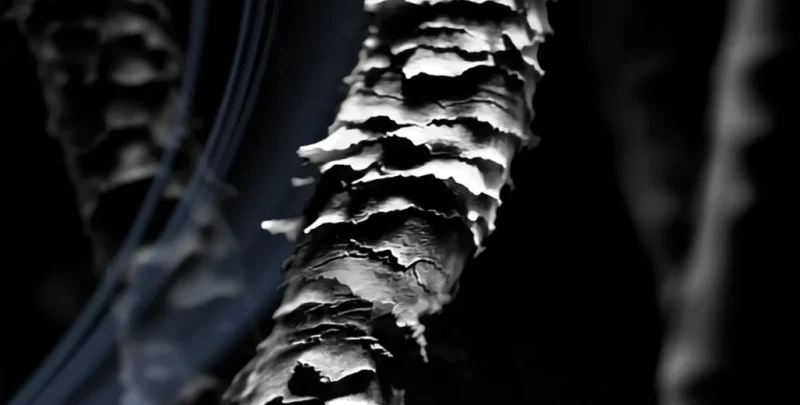
Hair-shaft breakage happens when strands snap. You may see short pieces without a white bulb, uneven length, frayed ends, or breakage around the braided base. Dryness, friction, heat on leave-out, tight braids, and rough removal can all contribute.
Traction alopecia begins at the follicle after repeated or prolonged pulling. Early signs may include tenderness, redness, bumps around the follicles, broken hairs, thinning edges, or widening part lines. If the pulling stops early, some hair may recover. Long-term tension can scar the follicle, and hair may not grow back from a scarred follicle.
DermNet’s traction alopecia guidance lists tight weaves, braids, and hair extensions among common causes. That is why early action matters more than trying to hide a thinning area with another row of hair.
It is also normal to see accumulated shed hair when the braids come down. You naturally shed hair every day, but much of it remains trapped during the weeks you wear a sew-in. A pile of shed hair at removal does not prove that the extension caused all of it. Look at the pattern: bald patches, thinning attachment lines, persistent soreness, and broken edges are more concerning than the amount of loose hair alone.
Warning Signs Your Sew-In Is Too Tight or Damaging Your Hair
Pay attention during the appointment and throughout the wear period. Contact your stylist promptly if you notice:
- Pain, throbbing, or a headache during or after installation
- A tight, shiny, or raised appearance around the hairline
- Redness, small bumps, scabs, or sores near braids or stitches
- Burning, persistent itching, or tenderness that does not improve
- Broken hairs around the edges, nape, or part lines
- A widening part, thinning hairline, or a visible track-shaped gap
- Wefts that pull to one side or feel heavier in one area
- Matting, strong odor, or a foundation that will not dry fully
- Sudden or patchy hair loss after removal
Do sew in extensions hurt at first? Mild awareness of a new style is possible, but pain should never be the price of a secure result. If loosening does not resolve the discomfort, remove the affected track or the full installation. Protecting the follicle matters more than saving the appointment.
How to Prevent Sew-In Damage?
Safe wear begins before the first stitch and continues until the last braid is taken down.
Before installation
Start with a clean scalp and detangled hair. Condition enough to improve flexibility, then make sure the hair is fully dry before braiding. Avoid installing over open sores, active inflammation, unexplained shedding, or severely compromised strands.
Bring reference photos, but let your stylist adjust the length, density, and braid pattern to your real hair. Ask how many grams or bundles will be used, how the edges will be protected, and what maintenance schedule the stylist recommends.
During installation
Speak up as soon as a braid, bead, or stitch feels painful. Do not assume it will loosen later. The base should lie flat and feel stable without pulling your skin.
Your stylist should avoid attaching heavy wefts to baby hairs or weak perimeter sections. The rows should share the load evenly, and the thread should secure the weft without cinching the braid tighter with every stitch.
While wearing the sew-in
Clean your scalp according to your hair type and activity level. Many wearers wash every one to two weeks, but someone who sweats often or develops buildup may need a different schedule. Use a gentle shampoo, focus on the scalp and spaces between tracks, and rinse patiently.
For a step-by-step routine, read how to wash sew-in hair extensions. The most important final step is complete drying, including the braids underneath.
Keep heavy oils and thick products away from the base if they cause buildup. Detangle the extension hair from the ends upward while supporting the weft with your other hand. At night, loosely wrap or braid the hair and use a satin or silk bonnet or pillowcase to reduce friction. More weft extension maintenance tips can help you keep the hair manageable without tugging at the tracks.
Limit high heat on both the extensions and your leave-out. If you must repeatedly straighten natural leave-out to match a different texture, the sew-in may protect the braided hair while the exposed section becomes overprocessed. A closer texture match or a closure may reduce that daily manipulation.
During removal and between installs
Schedule removal before the base becomes heavily matted. After the wefts come out, separate shed hair with your fingers before washing; adding water to a compact tangle can make it tighter. Detangle slowly in sections, then shampoo and condition.
Inspect the scalp in good light. Check the hairline, nape, and each attachment row for broken hairs, thinning, tenderness, or bumps. If the scalp looks calm and the hair feels strong, your stylist can help plan the next service. If not, pause extensions and address the problem first.
Are Sew-In Extensions Safe for Thin or Damaged Hair?
Traditional braided sew-ins are usually better suited to hair that is dense and strong enough to support braids plus added weight. If your hair is fine, low-density, actively thinning, or chemically weakened, the question is not simply whether sew-ins are “good” or “bad.” It is whether your own hair can safely support the planned load.
A stylist may be able to reduce the density, use fewer and lighter wefts, change the foundation, or recommend another method. But if you have unexplained thinning, bald patches, scalp disease, or ongoing shedding, seek professional medical advice before adding extensions.
Never use a sew-in to conceal a weak area by attaching more hair to it. Covering thinning may make the immediate style look fuller while placing more stress on the exact follicles that need protection.
Can Sew-Ins Help Your Natural Hair Grow?
Sew-ins do not change the biological speed of hair growth. What they can do is reduce daily combing, heat styling, and weather exposure on the hair that is braided away. For some wearers, that means less breakage and better length retention.
That protective benefit depends on healthy technique. A tight, heavy, or neglected sew-in can work against your goal. Think of a sew-in as a low-manipulation style, not a growth treatment.
Your natural hair continues its normal growth cycle under the installation. Keep the scalp clean, protect the edges, remove the style on schedule, and use the break between installs to check whether you are retaining length without thinning.
Sew-In Weft Hair Extensions: Pros and Cons
| Pros | Cons |
| Adds length, volume, texture, or color without permanently changing your natural hair | Tight braids or excessive weight can cause breakage and traction alopecia |
| Can reduce daily styling and heat on the braided hair | Installation and removal require time and skill |
| Secure enough for weeks of wear | The scalp and braided base take more effort to clean and dry |
| Human-hair wefts can be cut, styled, and reused when their condition allows | Not the best choice for every fine, fragile, or actively thinning hair type |
| Offers full sew-in, leave-out, closure, braided, and beaded options | Maintenance appointments and quality hair increase the total cost |
The best choice depends on your natural hair, lifestyle, desired look, and access to a trained stylist. A method that is protective for one person may be too heavy or demanding for another.
Does Hair Quality Change the Damage Risk?
Hair quality matters, but in a specific way. Smooth, well-aligned human hair is generally easier to detangle and may require less aggressive brushing than hair that mats quickly. A consistent weft seam is easier for a stylist to place neatly. Reliable density also helps the stylist calculate how much hair is being added to each row.
By contrast, a rough or heavily shedding weft can create more tangling and manipulation. An inconsistent, bulky seam may be harder to stack or conceal without adding weight. These product issues do not directly cause traction alopecia on their own, but they can make an already poor installation or care routine harder on natural hair.
When comparing the best sew-in hair extensions, look beyond softness on day one. Consider total grams, weft width, seam construction, shedding control, texture consistency, and how the hair performs after washing. Alpha’s weft extension quality control process is designed around those practical details.
For salons and hair brands, this is also why sew-in weft hair extensions should be matched to the client’s hair and the installation plan rather than sold by bundle count alone.
Sew-Ins vs Other Extension Methods
| Method | Main advantage | Main damage consideration |
| Traditional sew-in | Secure, long-wearing, no adhesive on natural hair | Braid tension and weft weight |
| Beaded or hand-tied weft | Flexible placement and no braided cornrow base | Bead placement, row tension, and weight distribution |
| Tape-in | Flat, lightweight attachment when correctly sized | Adhesive, slippage, and careful removal |
| Clip-in | Temporary and removable | Repeated daily clipping or heavy pieces in the same spots |
| Fusion or keratin bond | Individual movement and discreet bonds | Heat or adhesive process, bond weight, and removal technique |
| Halo | No direct attachment to most natural hair | Fit, comfort, and less security for active wear |
No semi-permanent method is automatically damage-free. The safest option is the one that suits your hair density, scalp condition, maintenance habits, and styling goals. If you are deciding between two popular methods, our guide to tape-ins vs. sew-ins explains the tradeoffs in more detail.
When to See a Dermatologist
Stop wearing the style and speak with a dermatologist if you notice a bald patch, a receding or thinning hairline, persistent pain, pus-filled bumps, open sores, severe scaling, or hair loss that continues after removal.
A stylist can adjust an installation, but a stylist cannot diagnose the cause of hair loss. Traction alopecia, central centrifugal cicatricial alopecia, alopecia areata, infection, and other conditions can look similar to a non-specialist. Early diagnosis gives you the best chance to stop further loss.
Conclusion
Do sew in extensions damage your hair? The honest answer is that they can, especially when the base is too tight, the wefts are too heavy, the natural hair is already fragile, or the style is neglected or worn too long. The most serious risk is traction alopecia from ongoing pulling.
At the same time, a well-planned sew-in can reduce daily manipulation and give you secure length, volume, and styling flexibility. Choose a trained stylist, match the installation to your natural hair, use a manageable amount of quality hair, keep the scalp clean and dry, and remove the style at the first sign of trouble.
Listen to your scalp. A beautiful sew-in should not require pain, thinning edges, or a recovery plan afterward.
FAQ
Are sew-in extensions bad for your hair?
Not automatically. They become risky when braids or anchor points are too tight, the wefts are too heavy, the style stays in too long, or maintenance and removal are rough. A suitable method, controlled tension, and consistent care reduce the risk.
Can sew-in extensions cause hair loss?
Yes. Repeated or prolonged pulling can cause traction alopecia. Early cases may improve when the tension stops, but long-term traction can scar follicles and lead to permanent hair loss. Thinning around the hairline, part lines, or attachment rows should be taken seriously.
Do sew-in extensions ruin your hair after one installation?
A single installation does not necessarily ruin your hair. Damage can happen during one service if it is extremely tight, heavy, or removed carelessly, but problems often develop over repeated cycles. Inspect your hair and scalp at every removal rather than waiting for obvious thinning.
Do sew-in extensions hurt?
They should not be painful. Mild awareness of a new installation can occur, but throbbing, sharp pain, bumps, or a headache suggest excessive tension. Ask your stylist to loosen the area immediately; if discomfort continues, remove the track or style.
How long do sew-in extensions last?
Six to eight weeks is a common wear period for traditional sew-ins, though your schedule may be shorter. Hair growth, scalp health, sweat, buildup, matting, and loosening all affect removal timing. Do not extend wear just because the visible hair still looks good.
How often should you wash sew-in hair extensions?
Many wearers cleanse every one to two weeks, but your hair type, scalp, workouts, and product use may require a different schedule. Gently clean between the tracks, rinse well, and dry the braided base completely before sleeping or styling.
Are sew-in extensions suitable for thin hair?
They may not be the best choice for very fine, low-density, damaged, or actively thinning hair. A qualified stylist can assess whether a lighter installation or different method is safer. Unexplained shedding or bald patches should be evaluated by a medical professional before extensions are added.
Does an itchy scalp mean the sew-in is damaging your hair?
Not always. Mild itch can come from dryness, sweat, or buildup, but persistent itching with burning, redness, bumps, sores, odor, or hair loss needs attention. Clean and dry the scalp properly, avoid piling on heavy oil, and contact your stylist or dermatologist if symptoms continue.