
Your clients may still arrive with photos of waist-length hair, but the real shift in 2026 is subtler. They want hair that looks fuller, moves naturally, and fits into everyday life. The best result is no longer the most dramatic one. It is the result nobody can identify as an extension install.
That change is shaping everything from color selection to attachment size. Across today’s hair extension trends, you see lighter wefts, more precise placement, dimensional shades, authentic textures, and services built around scalp comfort.
You also see extensions used for more than length. A few carefully placed pieces can strengthen a fine perimeter, soften a bob, add brightness without bleach, or give curls a better-balanced shape.
For your salon or hair brand, the opportunity is clear: offer believable transformations and explain why each choice suits the client wearing it.
Key Takeaways
- Natural-looking density is replacing one-size-fits-all length.
- Lightweight, low-visibility attachments are becoming the new standard.
- Rooted, multi-tonal color blends make extensions easier to match and maintain.
- Texture matching matters as much as color matching.
- Clients expect an install to respect their scalp, natural hair, and routine.
- Temporary pieces remain relevant because they offer fast, low-commitment change.
- Premium hair, responsible sourcing, and reusability increasingly influence buying decisions.
What Is Driving Hair Extension Trends in 2026?
The strongest 2026 hair extension trends share one idea: personalization. Your client does not simply want “20-inch blonde tape-ins.” She wants the right density at the sides, a root that grows out softly, a texture that behaves like her own, and an attachment method she can maintain.
This is why consultation-led services are winning. Instead of choosing a method first, you start with the client’s hair density, strand strength, scalp sensitivity, styling habits, maintenance budget, and desired finish. The trend is not a single product. It is a better match between the product and the person.
1. Natural-Looking Fullness Comes Before Extreme Length
The biggest change is the move from obvious length to “your hair, only fuller.” You use extensions to fill transparent ends, add weight through the perimeter, or balance the sides of a haircut. The finished hair can stay at the client’s current length and still look completely transformed.
This approach works especially well for fine or medium-density hair. Rather than loading the head with unnecessary weight, you can use fewer, strategically placed pieces. The result photographs beautifully because the hair looks healthy from root to end, not heavy at the top and thin at the bottom.
For your service menu, describe these appointments as density, perimeter, or volume services. That language helps clients understand that extensions are not only for mermaid-length hair.
2. Invisible, Lightweight Attachments Set the Standard
Clients now look closely at the root area. They want to wear a ponytail, move their part, and stand under bright light without exposing a bulky seam or wide bond. That is pushing ultra-flat tape tabs, slim keratin bonds, nano rings, and fine weft constructions to the front of the conversation.
Genius Weft extensions suit clients who want a thin, flexible seam that can be customized to the head shape. Butterfly Weft extensions give you another low-profile option when you want comfortable, reusable volume. Seamless tape-ins remain useful when speed, flat placement, and broad color distribution matter.
“Invisible” does not mean one method is safe for everyone. You still need enough natural hair to support the chosen weight, clean sectioning, correct tension, and a placement plan that respects the hairline.
3. Hybrid Installs Replace the One-Method Mindset
One head can have several different needs. The back may support a weft, the sides may need small bonds, and the hairline may need no extensions at all. A hybrid install lets you use each method where it performs best.
You might use a weft for efficient volume through the back, then add nano or keratin tips around the sides for movement and discreet coverage. You can also mix two weft densities when the client wants a fuller lower section without making the upper rows feel bulky.
Hybrid work requires stronger consultation and mapping skills, but it gives you a more natural result. It also helps you stop forcing a popular method onto a client whose hair cannot comfortably support it.
4. Rooted and Dimensional Color Looks More Believable
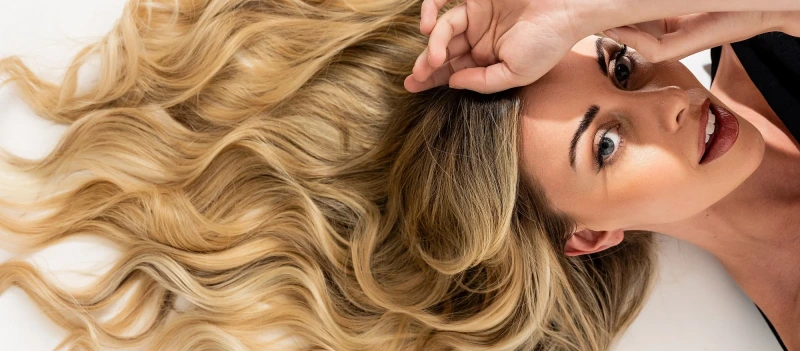
Flat, single-tone extension sets are giving way to color that has depth. Root shadows, lowlights, fine highlights, and blended mid-lengths mimic the variation you see in natural hair. They also make regrowth less obvious.
You can use colored hair extensions to create a lived-in blonde, expensive brunette, or soft bronde without repeatedly lightening the client’s natural hair. Multi-tonal placement is particularly effective around the face, where a few lighter pieces can brighten the look without a full color service.
When matching, compare the ends and mid-lengths as well as the root. Then check the blend in daylight. A technically correct shade can still look flat if it does not reflect the client’s natural mix of warm, cool, light, and dark strands.
5. Warm, Glossy Shades Lead the 2026 Palette
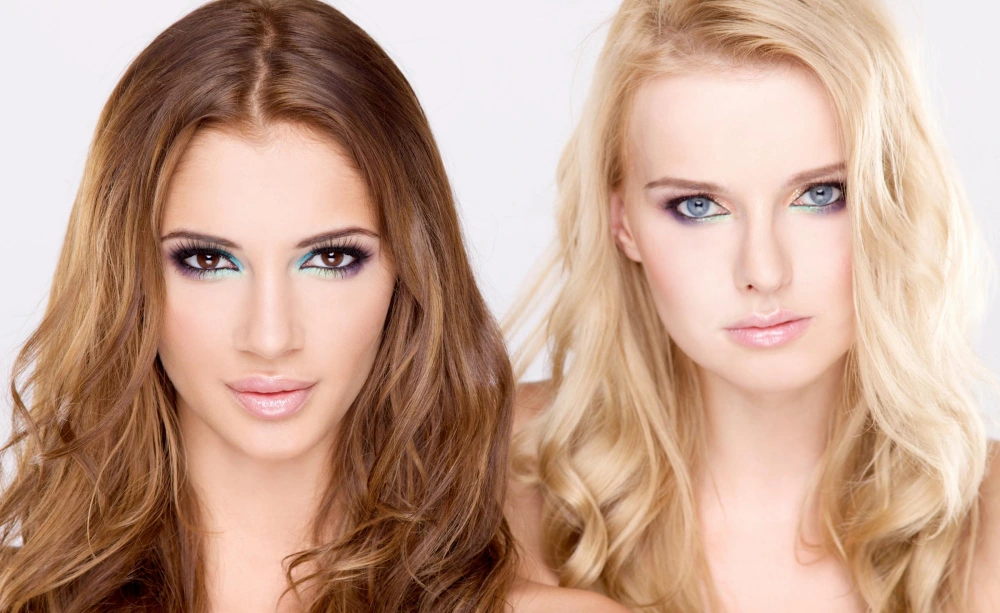
Cool blonde is not disappearing, but warmer shades are getting more attention. Honey blonde, buttercream, golden bronde, chestnut, espresso, copper caramel, and muted amber all support the polished, healthy finish clients want.
These colors work well in extensions because you can add warmth and dimension without processing every strand on the head. For a client who likes change, removable pieces can introduce copper, pastel, or contrasting ribbons for an event and disappear again on Monday.
Use Alpha’s hair color matching guide as part of your consultation process. If you are buying for a salon or retail range, prioritize rooted blends and multi-tonal neutrals alongside your bestselling solid shades.
6. Texture Matching Becomes Non-Negotiable
A close color match will not save an install if the textures fight each other. Straight extensions under naturally wavy hair usually demand extra heat and daily work. A better texture match reduces styling time and helps the finished hair move as one.
Current hair extension trends include soft natural waves, polished straight textures, defined curls, and coils that preserve their pattern after washing. This broader choice lets you serve clients whose hair was often treated as an afterthought by standard extension ranges.
Start by assessing the client’s hair when it is clean, dry, and styled in the way she normally wears it. Discuss whether she air-dries, diffuses, blow-dries, or straightens. Then select textured hair extensions that support that routine instead of creating a second one.
7. Airy Layers and Soft Movement Replace Heavy, Blunt Length
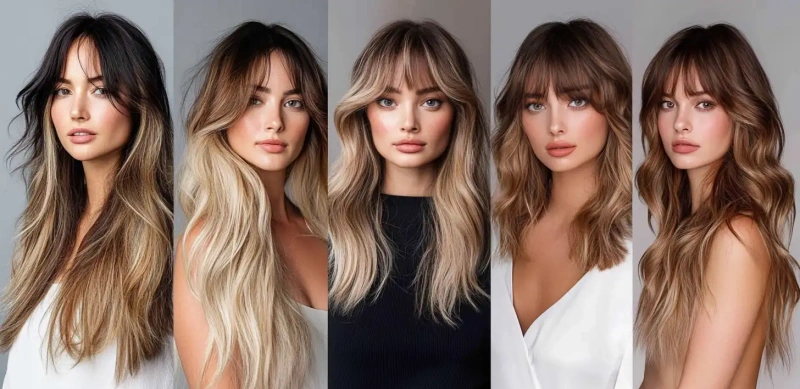
Long hair is still in demand, but the silhouette has changed. Clients want movement, face framing, and ends that feel full without looking like a solid curtain. Mid-back lengths, long layers, soft waves, and polished blowouts are easier to wear than one heavy line of extra-long hair.
Extensions are also being used inside shorter cuts. A small number of tapes or bonds can fill the corners of a lob, strengthen a bob’s perimeter, or add a longer face-framing section. This is a useful service for clients who do not identify with traditional “long hair” extension marketing.
Cut the extensions as part of the finished design. If you leave every strand at its supplied length, even a good color and attachment match can look separate from the natural hair.
8. Temporary Transformations Stay Relevant
Not every client wants a move-up appointment. Clip-in human hair extensions, halos, ponytails, fringes, colored pieces, and sparkle accents give clients control over when they wear extra hair.
These products suit weddings, holidays, content shoots, festival looks, and anyone who wants volume on selected days. They also give first-time extension buyers a lower-commitment way to learn how added hair feels.
You can make temporary pieces feel more premium by offering a fitting, color match, custom cut, and styling lesson. The product may be removable, but the service around it can still build a long-term client relationship.
9. Hair-Health-First, Low-Tension Services Win Trust
Healthy extension work begins with what the natural hair can support. Your client may want maximum volume, but her strand strength, density, or scalp condition may call for a lighter plan.
Use a clear consultation to check for active shedding, breakage, irritation, or areas that should not carry weight. Choose attachment size and total grams accordingly. Keep bonds out of fragile edges, avoid excessive tension, and schedule maintenance before matting or overgrowth becomes a problem.
You should also be honest when a service is not suitable. That conversation may cost you one appointment, but it protects the client and strengthens your reputation. A trend is never more important than the health of the hair underneath it.
10. Traceable, Reusable Hair Becomes Part of the Luxury Story
Clients and professional buyers are asking harder questions about quality: Where did the hair come from? Are the cuticles intact and aligned? How heavily was it processed? Can the hair be reused? Will the shade and texture stay consistent when you reorder?
These questions connect ethical sourcing with performance. Better-quality human hair usually gives you a more natural luster, smoother movement, and a longer useful life when it is cared for correctly. Reusable hair can also reduce waste and improve value across several maintenance cycles.
When you compare suppliers, request clear specifications, sample more than one batch, and document how the hair performs after washing and heat styling. Alpha’s approach to ethical hair extensions can help you explain why sourcing, processing, and quality control matter to the finished service.
Which Hair Extension Methods Are Trending?
No method wins every consultation. Use the trend as a starting point, then match the construction to the client.
| Method | Why clients choose it | Best suited to | What you need to watch |
|---|---|---|---|
| Seamless tape-in | Flat placement and efficient installation | Fine to medium hair needing distributed volume | Adhesive care, product buildup, and timely move-ups |
| Genius or lightweight weft | Reusable volume with a low-profile seam | Clients who can support a row-based install | Row tension, correct weight, and scalp access |
| Keratin or nano bonds | Flexible movement and precise placement | Customized density, sides, and small fill areas | Bond size, removal technique, and heat or metal sensitivity |
| Clip-in or halo | Fast change without a maintenance schedule | Occasional wear, events, and first-time users | Correct placement, color matching, and daily removal |
| Hybrid install | Different solutions for different zones | Clients with mixed density or detailed goals | Advanced mapping, clear pricing, and coordinated aftercare |
How to Choose the Right Trend for Your Client?
You do not need to offer every viral look. You need a repeatable way to decide what will work.
- Define the real goal. Ask whether the client wants length, density, color, shape, easier styling, or coverage. “Fuller hair” can mean something different to every person.
- Assess support. Check strand strength, density, scalp condition, growth patterns, and fragile zones before choosing weight or attachment size.
- Match the routine. Ask how often the client washes, exercises, swims, heat styles, and wears her hair up. Be clear about move-up timing and home care.
- Build the blend. Match color in more than one area, choose a compatible texture, and plan the cut before you install.
- Set a maintenance budget. Include the cost and time of move-ups, removal, retaping, replacement hair, and recommended products.
If you sell to salons or build a private-label range, use the same logic for your assortment. Stock a dependable core of natural shades and methods, then add trend-led colors, lengths, and temporary pieces in smaller quantities.
How to Keep a Trend-Led Install Looking Current
The installation is only the first day of the result. Give your client a short routine she can realistically follow:
- Brush gently while supporting the attachment area.
- Wash with extension-compatible products and keep conditioner away from tapes or bonds.
- Dry the roots and attachment points thoroughly.
- Use heat protection and moderate temperatures on human hair.
- Secure the hair in a loose braid or ponytail before sleep.
- Follow the maintenance schedule you set at the consultation.
- Book removal instead of pulling, peeling, or cutting attachments at home.
You can share Alpha’s hair care guidance after the appointment so the client has a clear reference.
Hair Extension Trends You Should Not Follow Blindly
Some inspiration photos ignore density, upkeep, or long-term wear. Be cautious with:
- Extreme length on hair that cannot safely support the required weight.
- Very heavy rows placed high or close to fragile edges.
- A solid extension shade against naturally dimensional hair.
- A straight-to-curly texture mismatch that requires daily heat.
- Viral DIY methods with unclear removal or tension control.
- Maintenance promises that sound easier than the method really is.
Your professional value is not simply knowing what is popular. It is knowing when to adapt the idea, use less hair, choose another method, or say no.
Conclusion
The most important hair extension trends of 2026 are not about making extensions louder. They are about making the result more personal. Natural density, invisible attachments, dimensional color, authentic texture, and low-tension placement all move the service in the same direction: hair that looks believable and feels comfortable.
You can turn these trends into a stronger salon menu or product range by beginning with consultation and ending with clear aftercare. Choose quality hair, map the install to the client, and use trends to solve a real need rather than copy a photo.
If you need consistent colors, textures, attachment options, or custom packaging for your business, talk with Alpha about a hair extension range built for your market.
FAQ
What are the latest trends in hair extensions for 2026?
The latest trends focus on natural-looking density, invisible lightweight attachments, dimensional rooted colors, texture matching, soft layers, hybrid installs, and low-tension methods. Clients want extensions that look like their own hair on its best day.
What is the most popular hair extension trend right now?
Natural fullness is the broadest trend. Instead of adding the longest possible hair, you add density through the sides and ends, then shape the result so it moves naturally.
Are clip-in hair extensions still trending?
Yes. Clip-ins remain popular for events, temporary color, occasional volume, and clients who do not want regular maintenance appointments. A professional color match and custom cut make them look more natural.
What hair extension colors are trending in 2026?
Rooted blondes, honey and buttercream tones, golden bronde, dimensional brunette, espresso, chestnut, copper caramel, and muted amber are strong choices. The common thread is depth: multi-tonal shades usually look more believable than flat color.
Which extension method looks the most natural?
The most natural method is the one that matches the client’s density, texture, lifestyle, and desired result. Seamless tapes, slim bonds, nano rings, and lightweight wefts can all look invisible when the weight, placement, color, and cut are correct.
Can trending hair extensions damage natural hair?
Any method can cause problems if it is too heavy, installed with poor tension, neglected, or removed incorrectly. You reduce risk by assessing the natural hair, using an appropriate amount of weight, maintaining the install on schedule, and arranging professional removal.