
Knowing how many wefts to use in a row is essential for achieving a full, natural hair look. Proper placement and spacing ensure your extensions blend seamlessly with natural hair, creating volume and style without looking bulky or uneven. Understanding this helps you plan your installation effectively.
The number of wefts depends on hair thickness, length, and desired style. Different weft types and installation methods also affect how many rows you’ll need. By learning the right approach, you can achieve a professional finish while minimizing waste, ensuring your extensions last longer and look flawless.
What are Weft Extensions?
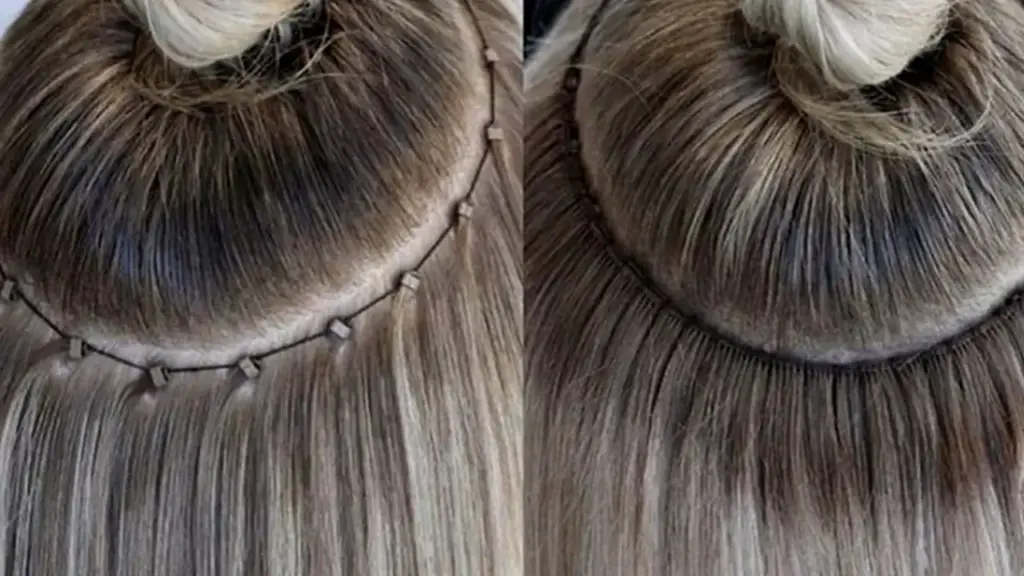
Weft hair extensions are strands of hair sewn, glued, or taped together at the top to form a continuous strip. They can be made from synthetic, remy, or virgin human hair and are designed to add length, volume, and fullness. Wefts are versatile, reusable, and ideal for various styling methods.
How Many Wefts Are in a Row?
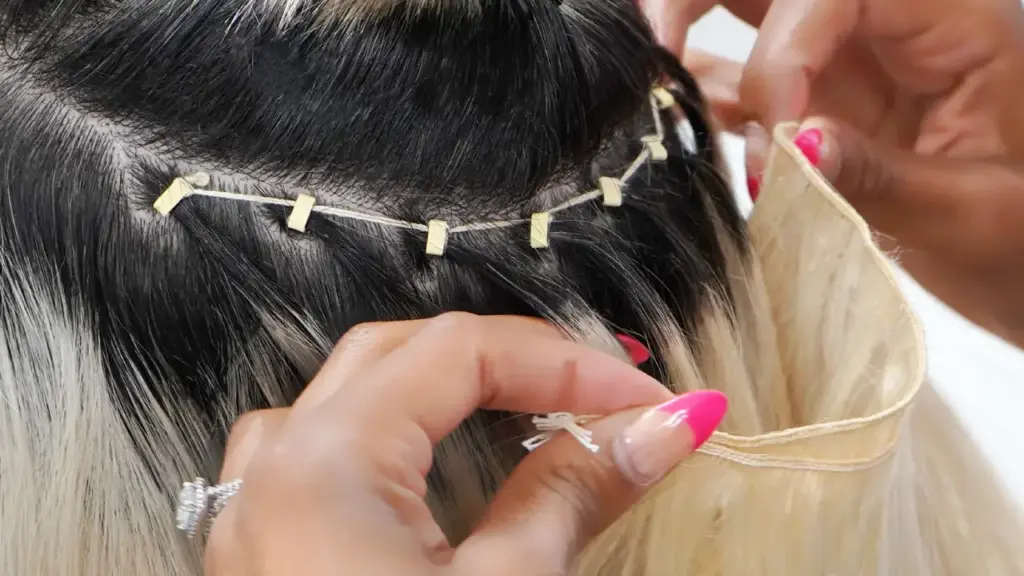
The number of wefts in a row depends on hair length, thickness, and the desired style. Proper spacing and placement ensure a natural look and even volume. Understanding how many wefts to use per row helps avoid bulkiness, maximize coverage, and achieve a seamless, professional finish.
- Short Hair (Shoulder-Length): Typically requires 2–3 wefts per row for adequate coverage. Short hair has less natural layering, so careful placement ensures a balanced, natural appearance while maintaining manageable weight for comfortable daily wear.
- Medium Hair (Mid-Back Length): Usually 3–5 wefts per row are recommended. Medium-length hair allows for more layering and blending, making it easier to distribute extensions evenly for volume, length, and styling flexibility without creating uneven lines or bulk.
- Long Hair (Waist-Length): Requires 5–7 wefts per row depending on thickness. Long hair needs more wefts for consistent volume and full coverage. Proper placement ensures the extensions blend naturally, avoiding gaps and achieving a smooth, luxurious look.
- Thick Hair: More wefts per row may be necessary to match the density of natural hair. Using fewer wefts can result in sparse coverage, while proper distribution ensures extensions blend seamlessly, maintain natural movement, and provide the desired fullness.
- Thin or Fine Hair: Fewer wefts per row are ideal to avoid overwhelming natural hair. Strategic placement ensures extensions lie flat, appear natural, and minimize tension on fragile strands, maintaining hair health and preventing damage during installation or styling.
Recommended Wefts per Row Chart:
| Hair Length / Type | Wefts per Row | Notes |
|---|---|---|
| Short (Shoulder) | 2–3 | Adequate coverage without bulk |
| Medium (Mid-Back) | 3–5 | Even distribution for volume & length |
| Long (Waist) | 5–7 | Full coverage, smooth blending |
| Thick Hair | 4–7 | Matches natural density, prevents gaps |
| Thin/Fine Hair | 2–4 | Flat placement, avoids tension and bulk |
How Many Wefts for a Full Head?
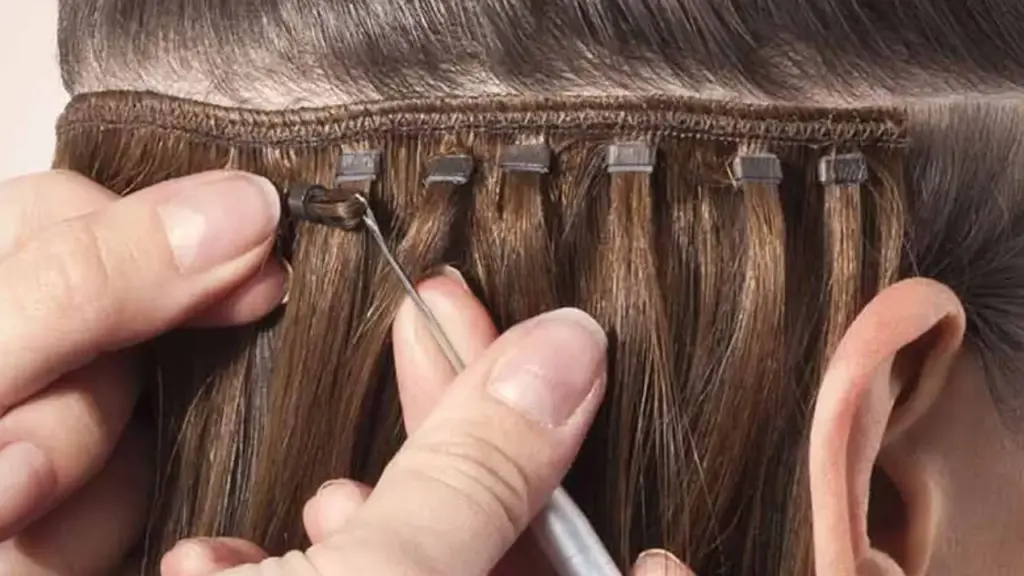
The number of wefts needed for a full head depends on hair length, thickness, and desired volume. Knowing the right amount ensures your extensions look natural and balanced, avoiding gaps or excess bulk. Proper planning helps achieve a seamless, luxurious style with lasting results.
- Short Hair (Shoulder-Length): Typically requires 6–10 wefts for a full head. Short hair needs fewer wefts due to less surface area, but careful placement is essential to achieve even coverage, natural blending, and a voluminous look without weighing down the hair.
- Medium Hair (Mid-Back Length): Usually 8–12 wefts are needed. Medium-length hair provides more surface area for distribution. Using the recommended number ensures extensions blend seamlessly, providing fullness and length while maintaining a natural, proportional appearance.
- Long Hair (Waist-Length): Requires 10–16 wefts depending on density. Longer hair covers more area, and extra wefts prevent gaps or thin spots. Proper spacing ensures smooth layering, natural flow, and a full-bodied look suitable for styling versatility.
- Thick Hair: May need additional wefts to match natural volume. Dense hair requires extra wefts to prevent uneven coverage and maintain a balanced, natural finish. Strategic placement ensures extensions integrate seamlessly with existing hair for a polished, professional look.
- Thin or Fine Hair: Fewer wefts are used to avoid excessive weight. Fine hair benefits from light, carefully placed wefts to achieve fullness without causing tension, breakage, or an unnatural appearance. Proper distribution is key to maintaining hair health and natural movement.
How Many Grams of Weft to Do Full Head?
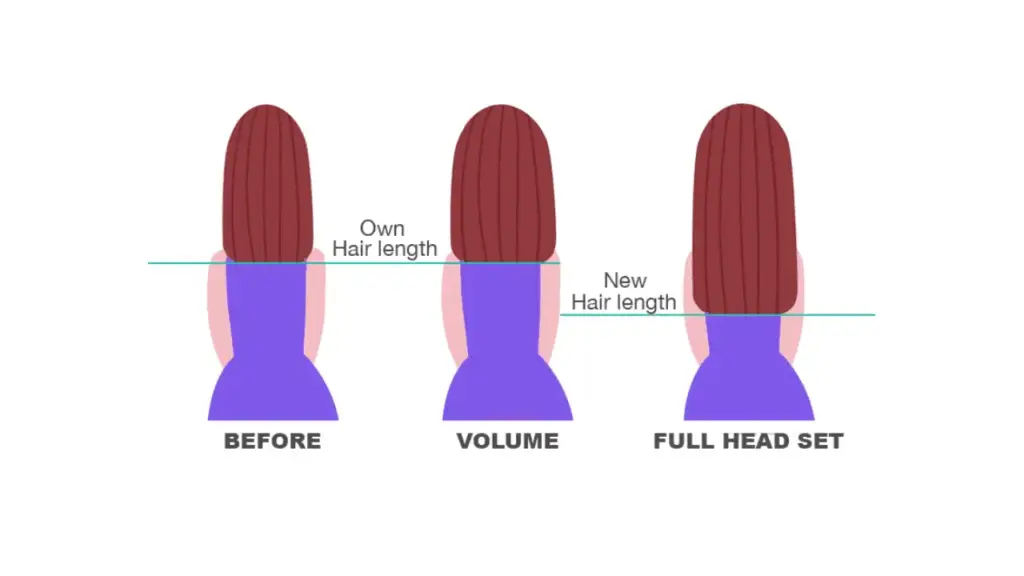
The total grams of weft hair needed for a full head depend on hair length, thickness, and desired volume. Knowing the right amount helps avoid overloading or underfilling your hair, ensuring a natural, seamless, and balanced look that is comfortable and long-lasting.
- Short Hair (Shoulder-Length): Typically 80–120 grams are sufficient. Shorter hair requires fewer grams since the surface area is smaller. Using the right weight ensures even coverage, natural blending, and comfortable wear without putting unnecessary tension on the roots or creating bulk.
- Medium Hair (Mid-Back Length): Usually 120–180 grams are recommended. Medium-length hair covers more area, so slightly more grams are needed to achieve fullness. Proper distribution ensures the wefts blend naturally, maintain volume, and create a balanced look without gaps or uneven sections.
- Long Hair (Waist-Length): Requires 180–250 grams depending on hair density. Longer hair requires more grams for complete coverage and a luxurious, voluminous finish. Correct spacing and weight distribution prevent heavy spots, maintain natural movement, and allow styling versatility without straining natural hair.
- Thick Hair: Extra grams may be necessary to match the density. Dense hair requires more weight for full coverage. Strategically placed wefts ensure a balanced look, smooth blending, and a natural, professional finish without overloading certain areas or creating an unnatural bulk.
- Thin or Fine Hair: Fewer grams are ideal to avoid tension. Lightly weighted wefts provide volume without damaging delicate strands. Careful placement ensures extensions lie flat, maintain natural movement, and achieve fullness while preserving the health and integrity of finer hair textures.
How Many Wefts for Hand Tied Extensions?
Hand-tied extensions require a strategic number of wefts for full coverage, volume, and a natural look. The number depends on hair length, thickness, and desired style. Proper placement ensures seamless blending and avoids excess bulk, giving you long-lasting, salon-quality results with minimal damage to natural hair.
- Short Hair (Shoulder-Length): Typically 4–6 hand-tied wefts are needed. Short hair requires fewer wefts due to limited surface area, but careful placement is crucial. Proper alignment ensures a natural, full look without weighing down the hair or creating visible lines.
- Medium Hair (Mid-Back Length): Usually 6–10 wefts provide full coverage. Medium-length hair allows for better layering and blending. Using the recommended number ensures even volume and natural flow, giving a professional finish that enhances hair thickness and styling options.
- Long Hair (Waist-Length): Requires 8–12 wefts depending on thickness. Longer hair covers more area, and additional wefts prevent gaps or uneven volume. Correct placement ensures extensions lie flat, blend naturally, and maintain a smooth, luxurious appearance suitable for versatile styling.
- Thick Hair: Extra wefts may be necessary to match natural density. Dense hair requires more extensions for uniform coverage. Strategic distribution ensures a balanced look without excessive weight, preventing discomfort and maintaining natural hair health while achieving a full, voluminous finish.
- Thin or Fine Hair: Fewer wefts are recommended to avoid overloading delicate strands. Properly spaced hand-tied wefts create volume without tension, reduce risk of breakage, and provide a natural, lightweight look that blends seamlessly with finer hair textures.
Conclusion
Determining the correct number of wefts in a row is crucial for a balanced, natural appearance. Proper spacing and placement ensure the extensions blend seamlessly, enhance volume, and reduce strain on natural hair. With this knowledge, you can achieve a professional-looking hairstyle that lasts longer and looks luxurious.
For those looking to purchase high-quality wefts, buying wholesale hair extensions from Alphahair is an excellent option. Our premium virgin and remy hair wefts provide consistency, durability, and beautiful texture. Whether for personal use or professional salon needs, Alphahair ensures top-quality hair at competitive prices.
Alphahair wefts are trusted by stylists and customers worldwide for their superior quality and long-lasting results. With a wide variety of lengths, textures, and colors, Alphahair makes it easy to create custom styles and achieve a flawless, natural look. Explore our wholesale options today to get the perfect wefts.