
You can expect the average annual cost of a hair replacement system in 2026 to range from $1,200 to $3,500, depending on your choices. Several factors influence hair replacement system costs.
These include the type of system, material quality, customization, additional services, and maintenance. The table below shows the main factors that affect your yearly expenses:
Factor | Description |
|---|---|
Type of Hair System | The distinction between stock and custom systems affects pricing significantly. |
Material Quality | The choice of base materials and hair quality impacts durability and cost. |
Customization Options | Custom systems offer more choices in texture and coverage, influencing the overall price. |
Additional Services | Services such as cutting and maintenance contribute to the total yearly cost. |
Maintenance Costs | Regular maintenance is essential for longevity and adds to the yearly expenses. |
Key Takeaways
Expect annual costs for hair systems to range from $1,200 to $3,500 based on type and quality.
Choose high-quality systems to reduce the number of replacements needed each year, saving money in the long run.
Consider maintenance costs, which can add $1,500 to $3,000 annually; regular care extends system life.
Buying directly from manufacturers like Alpha can save you 30-40% compared to retail prices.
Customization options enhance fit and realism but may increase initial costs; weigh long-term benefits.
Annual Cost of Hair Replacement Systems
When you consider hair replacement system costs in 2026, you need to look at more than just the price tag. The annual cost depends on the type of system you choose, how many you need each year, and the quality of the hair.
Alpha’s premium Remy human hair options offer exceptional value because of their durability and natural look. Let’s break down the yearly cost for different hair system types so you can make the best decision for your needs.
Average Cost of Hair Replacement Systems by Type
The average cost of hair replacement systems varies based on whether you select a stock toupee, a custom system, or a full wig. Stock systems usually cost less, but custom options provide a better fit and more natural appearance.
Wigs and toupees also come in a wide price range, especially when you factor in the quality of the hair and the base materials.
Here is a table showing the price ranges for different hair system types in 2026:
Hair System Type | Price Range | Typical Lifespan (Months) |
|---|---|---|
Stock toupee/hairpiece | $300 – $700 | 1 – 3 |
Custom hair system | $800 – $2,000+ | 3 – 6 |
Hair wigs | $400 – $3,000+ | 6 – 12 |
Hair system w/ service | $1,500 – $4,000+ | 3 – 6 |
Alpha Remy human hair | $800 – $2,500+ | 4 – 8 |
You can see that Alpha’s Remy human hair systems fall within the premium range. They last longer than many standard options, which can help lower your annual cost over time.
Number of Systems Needed Per Year
The number of hair replacement systems you need each year depends on the lifespan of each unit and your lifestyle. Most people use more than one system per year because regular wear and maintenance affect durability.
Many users need between 4 and 6 hair systems annually.
Some individuals use three to six systems each year on average.
If you take great care of your system, you might only need 2 to 3 replacements per year, especially if each lasts 3 to 6 months.
Your activity level, maintenance habits, and the quality of the system all play a role. For example, athletes or those with active lifestyles may need more frequent replacements. Alpha’s strict quality control and use of full cuticle Remy hair help extend the life of each system, which can reduce your yearly cost.
Tip: If you want to minimize the number of replacements, choose a high-quality system and follow a regular maintenance routine.
Price Comparison: Stock, Custom, Wig, Toupee
Comparing the cost of hair replacement systems helps you understand where your money goes. Stock toupees and hairpieces offer a lower upfront cost but may require more frequent replacements. Custom systems and wigs cost more but provide a better fit and longer lifespan.
Hair System Type | Price Range | Annual Cost Estimate (4–6 units) |
|---|---|---|
Stock toupee/hairpiece | $300 – $700 | $1,200 – $4,200 |
Custom hair system | $800 – $2,000+ | $3,200 – $12,000+ |
Hair wigs | $400 – $3,000+ | $1,600 – $18,000+ |
Alpha Remy human hair | $800 – $2,500+ | $3,200 – $15,000+ |
The annual cost of hair replacement systems can vary widely. Stock systems may seem affordable at first, but frequent replacements add up. Custom and premium systems, like those from Alpha, offer better durability and realism, which can lower your total yearly cost in the long run.
When you calculate the cost of hair replacement systems, remember to factor in the number of systems you will need each year. The average cost of hair replacement systems may seem high, but investing in quality can save you money and hassle over time.
Your annual cost will depend on your choices, lifestyle, and how well you care for your hair replacement systems.
Factors Influencing Hair System Cost

Material Quality and Base Type
You should always consider hair quality and base type when evaluating hair system costs. High-quality materials, such as Remy human hair, give you a natural look and greater realism. Remy hair keeps the cuticles aligned, which preserves shine and strength. This means your hair system lasts longer and looks more realistic.
Alpha’s strict quality control and factory craftsmanship ensure every strand meets high standards. You get durability and softness that stand out from synthetic blends.
The base type also plays a big role in cost and realism. Lace bases offer a breathable and natural look, but can be fragile. Skin bases are easy to clean and lightweight, while mono bases provide durability and moderate hair flow. Hybrid bases combine the benefits of both.
The choice of base affects the life span and price of your hair replacement solutions.
Base Type | Lifespan (Months) | Key Features |
|---|---|---|
Lace | 1–4 | Natural look, breathable, soft |
Skin | 1–6 | Easy to clean, lightweight |
Mono | 3–6 | Durable, moderate hair flow |
Hybrid | Varies | Combines lace and skin advantages |
Customization and Hair Type
A custom hair system gives you control over every detail, from density to color and fit. Customization increases hair system costs because it requires more labor and specialized materials. You can match your hair replacement solutions to your scalp size, hair loss pattern, and style preferences.
This level of craftsmanship ensures a seamless blend and maximum realism. Human hair systems cost more than synthetic ones, but they offer better durability and a more natural look. Skilled craftsmanship and ethical sourcing also add value, making your investment worthwhile.
Popular customization features include:
Custom base type
Size adjustments
Density options
Hair direction and color matching
Specific hair lengths
System Lifespan and Replacement Frequency
The life span of your hair system depends on hair quality, base type, and how you care for it. Human hair wigs and toupees last longer than synthetic options. With proper maintenance, some systems can last up to two years. Regular cleaning and gentle handling extend durability and realism.
If you choose a high-quality system and follow a good care routine, you will need fewer replacements each year, which lowers your overall hair system costs.
Hair Density, Color, and Fit
Hair density, color, and fit customization also affect price and realism. Custom systems allow you to select the exact density and color for a seamless, natural look. Lace systems often cost more due to intricate craftsmanship and maintenance needs.
Stock systems are more affordable but offer limited options. When you invest in a system with precise fit and color matching, you achieve better realism and satisfaction.
Tip: Focus on craftsmanship and hair quality for the best results. These factors improve realism and reduce long-term hair system costs.
Maintenance and Service Options
Professional Maintenance Costs
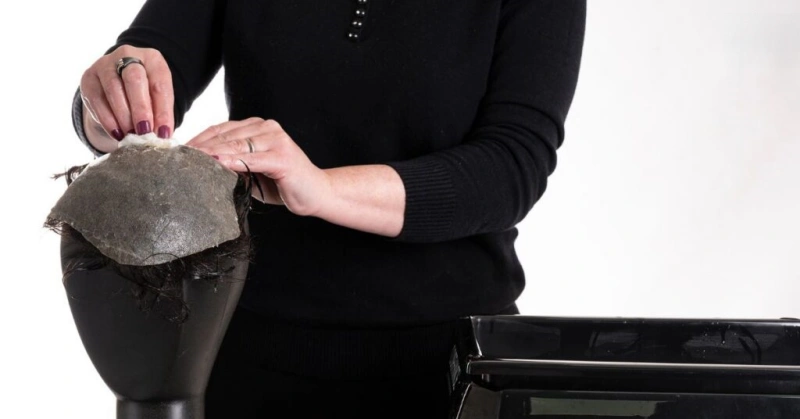
Professional maintenance helps you keep your hair system looking its best. You usually need to visit a salon every 3–4 weeks. Each appointment costs between $100 and $200 per month. You also pay for products like shampoo, which adds $20 to $40 monthly.
The total ongoing monthly cost for maintenance and products is about $120 to $240. Over a year, your maintenance costs can reach $1,500 to $3,000. These services include reattachment, cleaning, and styling.
Many salons that work with Alpha offer expert care, which increases the durability of your hair system and ensures you get the most value from your investment.
Monthly reattachment and maintenance: $50–$300
Additional product costs: $20–$40 per month
Annual professional care: $1,500–$3,000
Self-Maintenance and Home Care
If you prefer to care for your hair system at home, you can save money. You need to clean and reattach your system every 2 to 4 weeks, depending on your activity level. Home care products include gentle shampoo ($15–25), conditioner ($12–20), styling products ($15–30), and adhesives ($20–40).
Your annual budget for these products is about $180–$300. At-home fitting costs $200–$450 per unit, with each unit lasting 1–6 months. You may spend $400–$900 per year on units alone.
Self-maintenance gives you more control over your schedule and can extend the durability of your system, especially when you use high-quality base materials.
Maintenance Type | Cost Savings | Repair Types |
|---|---|---|
Self-Maintenance | $50–$300 for basic issues | Filter cleaning, simple fixes |
Professional Maintenance | Higher costs for complex issues | Motor replacement, advanced repairs |
Membership Programs and Value Services
Many providers now offer membership programs to help you manage costs and get more value. These programs include client loyalty systems, packaged services, and unlimited service models. You pay a flat fee or a one-off charge for a set number of services.
Memberships encourage regular visits and help you budget for ongoing care. They also offer discounts on products and services, making it easier to maintain your hair system’s durability and appearance.
Benefits | Costs/Considerations |
|---|---|
Client retention | Need for software to manage memberships |
Reliable revenue flow | Commitment to recurring payments |
Increased upselling opportunities | Possible limitations or expiration of rewards |
More consistent bookings |
Client loyalty programs offer discounts on services and products.
Packaged services provide a set number of visits for one fee.
Unlimited memberships allow unlimited services for a flat monthly rate.
Touch-Ups, Cleaning, and Products
Regular touch-ups and cleaning keep your hair system in top shape. You should schedule maintenance appointments every 3–4 weeks, especially if you use extended-wear tape or lace systems. Each visit costs about $199–$250. For home care, wash your system twice a week using gentle shampoo and conditioner.
Recommended products include shampoo ($15–25), conditioner ($12–20), styling products ($15–30), and adhesives ($20–40). Your annual budget for these products is $180–$300. Choosing the right base materials and following a regular care routine will help you maximize durability and value.
Tip: Consistent care and quality-based materials will help your hair system last longer and look more natural.
Purchase Channels and Pricing Models
Factory Direct vs. Retail/Salon vs. Online
You have several ways to buy hair systems, and each channel affects your costs. Factory-direct pricing gives you the best value because you avoid middleman markups. When you buy directly from a manufacturer like Alpha, you can save 30–40% compared to retail or salon prices.
This approach also lets you connect with the source, so you get better support and faster responses to your needs.
Factory direct purchases eliminate extra costs, lowering your final price range.
Retail or salon purchases include reseller margins, which increase the price.
Online purchases can vary. Some vendors offer deals, but prices depend on their strategy.
Alpha’s factory-direct pricing model stands out. You get significant savings and direct access to expert support. This model also helps Alpha respond quickly to trends and customer feedback.
Wholesaler and Bulk Pricing
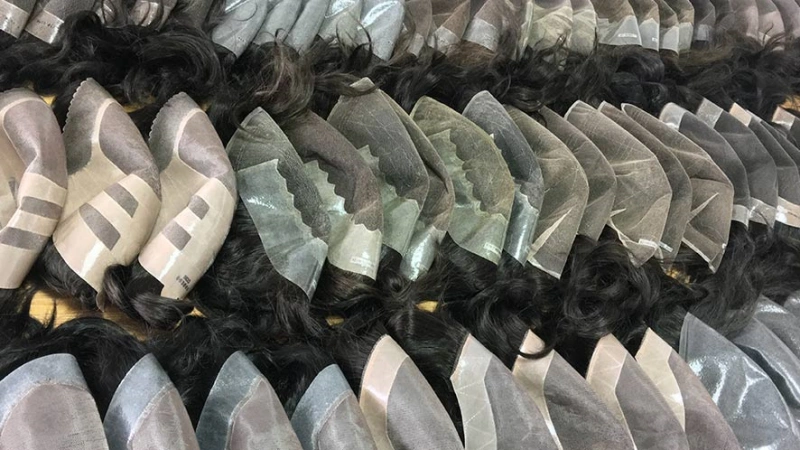
If you own a salon or buy in bulk, you can unlock even more savings. Bulk purchasing reduces the cost per unit and often comes with extra discounts. For example:
Retail customers may get $10–$15 off for orders over $100, with up to $75 saved on larger orders.
Hair stylists and wholesale buyers can save $5–$10 per set, even with no minimum order.
Salons often pay $50–$80 per bundle when buying in bulk, leading to annual savings of $1,500 or more.
Bulk pricing can lower your daily wear cost to just $2, cutting yearly inventory costs by half.
You also save on shipping fees and improve your financial efficiency.
Tracking your sales and planning bulk buys during busy seasons can boost your profits and keep your inventory costs low.
Impact of Provider on Total Cost
The provider you choose plays a big role in the total cost and value of your hair system. Here are key factors to consider:
Factor | What to Look For |
|---|---|
Quality of Materials | 100% human hair and strong bases for a natural look and long life |
Customization Options | Adjustments in base type, size, and hair direction for best fit |
Manufacturing Experience | Brands with a strong track record for reliability |
Production Capacity | Ability to meet your order size and deliver on time |
Pricing and Value | Compare costs and craftsmanship for the best deal |
Global Shipping/Support | Reliable delivery and customer service |
When you choose Alpha, you benefit from factory-direct pricing, OEM/ODM solutions, and a wide range of premium hair systems. This approach ensures you get high-quality products at a fair price, whether you are a salon owner, a brand, or a new entrant.
Always compare providers for quality, customization, and support to get the best value for your investment.
Tip: Buying directly from a trusted manufacturer like Alpha can help you control your costs and get the most out of your hair system budget.
Conclusion
You can expect yearly costs for hair systems to range from $1,200 to $3,500. The most important factors include what affects the cost of a hair system, ongoing costs, and hidden fees. Choosing a provider with cost transparency helps you avoid surprises.
Alpha offers premium systems with an undetectable hairline and a natural hairline effect. You should match your system to your budget and lifestyle. Reach out to Alpha for expert guidance and a personalized quote.
Tip: Ask about cost transparency and ongoing costs before you buy.
FAQ
How often should you replace your hair system each year?
You usually need to replace your hair system 2 to 6 times per year. The number depends on your lifestyle, how well you care for it, and the quality of the system. High-quality systems can help lower your yearly hair system cost.
What factors affect the total hair system cost?
Several factors impact your hair system cost. These include the type of hair, base material, customization, maintenance, and where you buy it. Choosing a trusted provider can help you manage your budget and get better value.
Can you reduce your hair system cost with self-maintenance?
Yes, you can lower your hair system cost by handling cleaning and reattachment at home. Using the right products and following a regular care routine helps extend the life of your system and saves money.
Does a custom hair system cost more than a stock system?
A custom hair system usually costs more than a stock system. Custom options offer a better fit, natural look, and longer lifespan. You may pay more upfront, but you often save on replacements and enjoy better results.
Where can you find the best value for hair system cost?
You get the best value by buying directly from a reputable manufacturer. Factory-direct pricing, as Alpha offers, helps you avoid extra fees and ensures you receive high-quality products that last longer.