
Keeping your weft extensions looking seamless and healthy requires regular maintenance. Moving up your weft extensions at the right time prevents visible gaps, tangles, and strain on your natural hair. Understanding how often to reposition them helps you maintain their natural flow and long-lasting beauty without causing damage.
The frequency of moving up weft extensions depends on hair growth rate, attachment method, and overall care. Typically, it’s recommended every 6–8 weeks to ensure a perfect blend and comfort. Regular appointments not only preserve your hairstyle but also extend the lifespan of both your natural hair and extensions.
What are Weft Extensions?
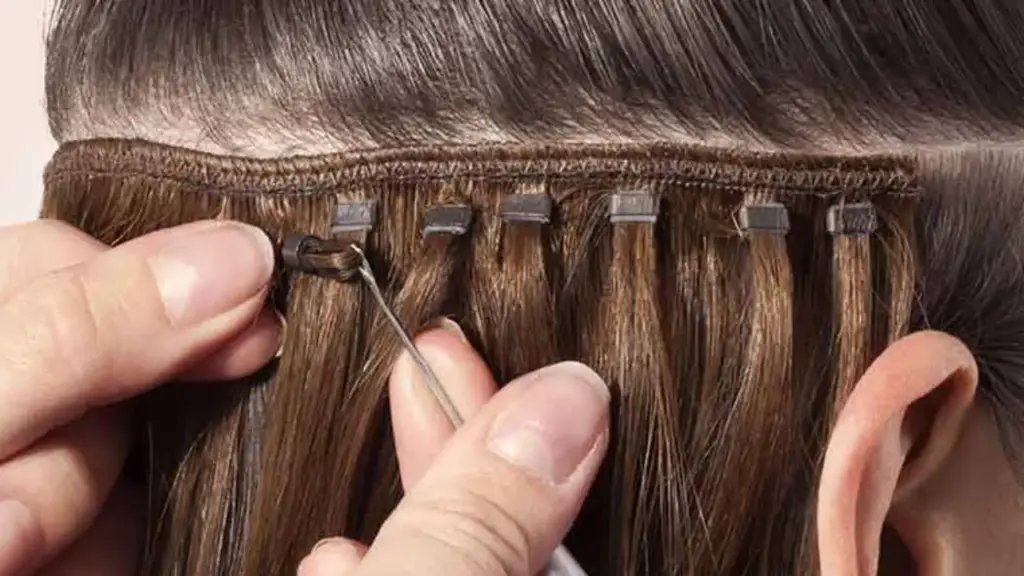
Weft extensions are sections of hair that are sewn or bonded together at the top to create a “weft,” which can then be attached to natural hair for added length, volume, or thickness. They come in various forms, such as machine wefts, hand-tied wefts, and flat wefts, each offering unique benefits and application methods.
These extensions blend seamlessly with natural hair, providing a fuller and more luxurious look without causing excessive strain on the scalp. Weft extensions can be applied through sewing, beading, or adhesive techniques, making them versatile for different hair types and styling preferences. With proper care, they can last several months while maintaining a natural appearance.
How Often to Move Up Weft Extensions?
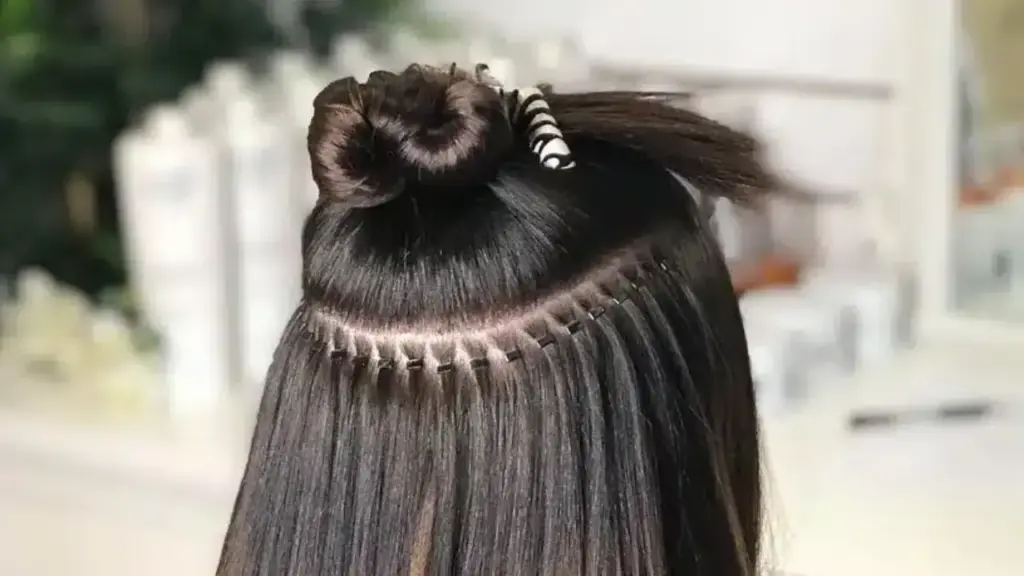
Maintaining the perfect look of your weft extensions depends largely on how often you move them up. As your natural hair grows, extensions gradually shift away from the scalp, requiring repositioning to prevent tension, tangling, or uneven blending. Regular maintenance ensures your extensions stay natural, secure, and beautiful.
Tools Needed:
- Tail comb for sectioning and parting hair
- Hair clips to secure each section neatly
- Weaving needle and thread or microbeads
- Scissors for trimming loose threads
- Extension pliers for tightening or removing beads
Step 1: Assess Hair Growth and Extension Position
Hair growth speed determines when to move up your weft extensions. Typically, most people need repositioning every 6–8 weeks, but fast-growing hair may require earlier maintenance. Always inspect your extensions for slippage, matting, or uneven spacing before scheduling your move-up.
When extensions grow too far from the scalp, they can cause discomfort and visible gaps. Reassessing their placement ensures natural blending and protects your roots from tension. By keeping track of your growth cycle, you’ll know exactly when your extensions need adjustment for the best results.
Step 2: Remove the Weft Safely
Removing the weft correctly helps protect your natural hair and extensions. Use extension pliers or scissors to gently loosen beads or threads, taking care not to pull or tug at the scalp. Work section by section to ensure every attachment is safely released.
Once removed, gently detangle your natural hair to remove product buildup or knots. This step allows your hair to breathe before reinstallation. Proper removal prevents breakage and prepares your strands for the next round of secure, comfortable weft application.
Step 3: Clean and Treat Natural Hair
After removing the extensions, thoroughly wash and condition your hair to restore moisture. Use a gentle sulfate-free shampoo followed by a nourishing conditioner or hair mask to strengthen and hydrate the strands. This helps maintain scalp health and extension longevity.
A clean scalp ensures a better foundation for reinstalling weft extensions. It also prevents product buildup that can weaken attachment points. Deep conditioning improves elasticity and shine, allowing your hair to better support the extensions once they’re moved up and secured again.
Step 4: Reapply the Wefts Correctly
When reinstalling, section your hair precisely to ensure an even and secure fit. Attach the wefts close to the scalp, but not too tight, to avoid discomfort. Use the appropriate method—beaded, sewn, or adhesive—based on your stylist’s recommendation for your hair type.
Reapplying with care ensures the extensions lay flat and blend naturally with your own hair. The goal is to maintain flexibility and smoothness while minimizing strain on the roots. A skilled stylist can help ensure your extensions look seamless after each move-up.
Step 5: Schedule Regular Maintenance
Consistent maintenance appointments every 6–8 weeks keep your extensions in excellent shape. During each session, your stylist will check for tangling, shedding, and general wear to adjust the wefts as needed. Staying on schedule prevents premature damage to both your extensions and natural hair.
Frequent upkeep allows for better long-term results and enhances the overall life of your extensions. Moving up wefts regularly ensures continuous comfort, beautiful blending, and a flawless finish. Routine care is the secret to maintaining salon-quality extensions for months at a time.
How Long Does It Take to Move Up Weft Extensions?
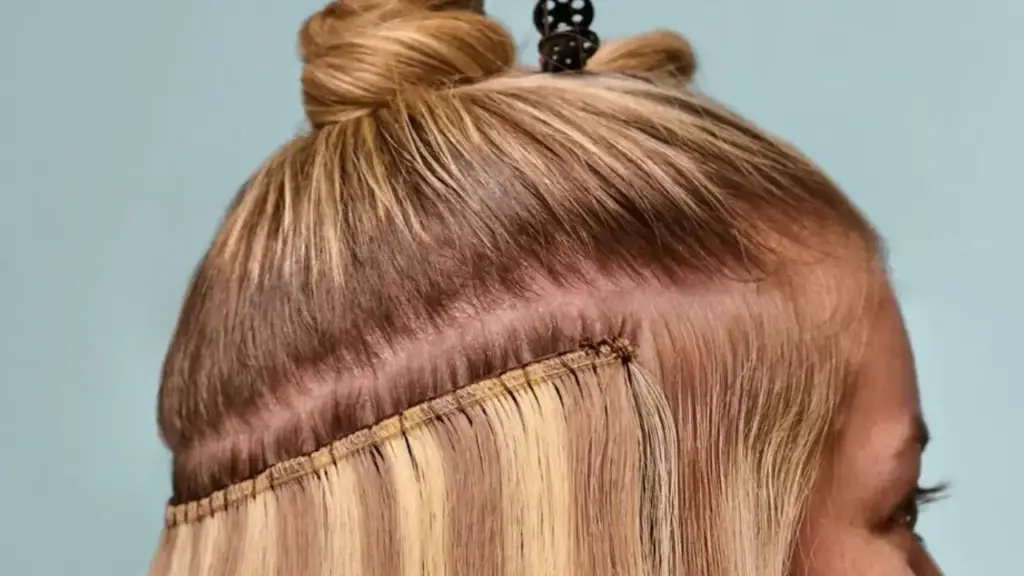
Moving up weft extensions is an essential part of maintaining a flawless and natural look. The duration depends on the number of wefts, the attachment method, and your stylist’s skill level. Typically, a move-up session can take between one to three hours for perfect results.
- Number of Wefts: The more wefts you have, the longer it takes. Each weft must be removed, detangled, and reapplied carefully to ensure consistent alignment and comfort. Usually, multiple rows require two to three hours to complete properly.
- Attachment Method: Different methods—such as beaded, sewn-in, or adhesive—affect timing. Beaded rows are often faster, while sew-ins take longer due to threading and tightening each section for security and longevity.
- Stylist Experience: Skilled stylists complete the move-up process more efficiently while maintaining precision. They can handle complex weft placements quickly without compromising on neatness, tension balance, or blending accuracy.
- Hair Condition: Tangling, matting, or buildup can extend the process. Detangling and deep cleansing your natural hair before reapplication ensures a smoother and faster move-up session with healthier results.
- Maintenance Routine: Regular upkeep shortens the move-up time. Extensions that are well-maintained and properly brushed remain easier to adjust, requiring less correction and reinstallation effort during each appointment.
How Often Should Wefts Be Moved Up?
Weft extensions should be moved up regularly to maintain a seamless blend and prevent tension on your natural hair. On average, most people need to move up their wefts every 6–8 weeks, depending on hair growth speed, lifestyle, and how well the extensions are maintained.
- Hair Growth Rate: Faster hair growth means extensions shift further from the scalp sooner. If your hair grows quickly, you may need move-ups every 5–6 weeks to maintain comfort and alignment with your natural strands.
- Extension Method: Different installation methods affect timing. Hand-tied or beaded wefts often need more frequent adjustment than sew-ins, as bead tension and placement can loosen faster during daily wear.
- Styling Frequency: Frequent heat styling or tight hairstyles can cause extensions to slip. If you style often, schedule move-ups every 6 weeks to prevent damage and keep your wefts secure.
- Hair and Scalp Health: A healthy scalp supports longer wear time. Oily or dry scalp conditions can alter bead grip or thread durability, so regular checkups ensure the wefts stay in optimal position and comfort.
- Maintenance Habits: Proper brushing, washing, and nightly care extend the time between move-ups. Gentle maintenance helps reduce tangling and slippage, allowing your extensions to look natural and last longer without frequent repositioning.
Why Moving Up Weft Extensions?
Moving up weft extensions is essential for keeping them secure, natural-looking, and comfortable as your hair grows. Regular adjustments help maintain a smooth blend between your extensions and natural hair, preventing strain, tangling, and uneven appearance while extending the lifespan of your beautiful wefts.
- Maintain Natural Look: As your hair grows, extensions shift down and become noticeable. Moving them up restores seamless blending, ensuring your extensions remain undetectable and perfectly aligned with your natural hair for a flawless finish.
- Prevent Hair Damage: Overgrown extensions can tug at new hair growth, leading to breakage or thinning. Repositioning the wefts prevents tension on your scalp and keeps your natural strands strong, healthy, and damage-free.
- Enhance Comfort: Extensions that grow out can feel heavy or pull uncomfortably. Moving them up resets their placement closer to the scalp, providing better balance, comfort, and a lightweight feel for daily wear.
- Increase Longevity: Regular move-ups protect your investment. Repositioning prevents slippage and matting, allowing both the extensions and your natural hair to last longer with consistent care and professional maintenance.
- Preserve Style Quality: Over time, extensions lose their shape and smoothness. Moving them up revitalizes your hairstyle’s volume, texture, and movement, ensuring your wefts continue to look fresh and professionally styled between appointments.
Conclusion
Maintaining weft extensions is more than just routine care—it’s about preserving style, comfort, and confidence. Scheduling regular move-up sessions ensures your extensions remain seamless, natural-looking, and damage-free. Consistency in maintenance brings out the best shine and movement from your beautiful weft hair extensions.
Every person’s hair grows at a different pace, so setting a personalized maintenance schedule with your stylist is essential. By understanding your hair’s needs, you can prevent slippage or matting, allowing your extensions to stay perfectly aligned for longer wear and comfort.
If you’re a salon owner or hairstylist looking for top-quality weft extensions, get wholesale weft extensions from Alphahair. Our premium wefts offer exceptional softness, durability, and easy maintenance, making them ideal for professional installation and long-term use. Choose Alphahair to elevate your clients’ beauty and satisfaction.