
When you wonder how to evaluate hair extension samples before a bulk order, think about the risks you face if you skip this step. You might expect perfect quality, but small details can slip through the cracks.
A sample might seem fine at first, but without a real evaluation, you could end up with hair that misses the mark on authenticity or quality. Here are some common problems:
You may see differences in color, weight, or texture if you don’t document every detail of authenticity.
Authenticity concerns grow when approval criteria are unclear, leading to vague orders and disappointment.
You could lose money or trust if the bulk order doesn’t match your expectations for quality or authenticity.
A systematic approach to evaluating hair extension samples before bulk order helps you protect your investment and your reputation. By using Alpha as your trusted hair extension supplier, you set a high standard for quality and authenticity.
You’ll find that careful evaluation brings peace of mind and true confidence in the authenticity and quality of your hair extensions.
Key Takeaways
Always perform a burn test to check if the hair is real. Real hair burns to ash and smells like burnt feathers.
Use a water test to see if the hair sinks. If it sinks gradually, it likely has intact cuticles.
Check for tangling and shedding by combing the hair. Good quality hair should not tangle after 40 strokes and shed fewer than seven strands per minute.
Document your results for each test. This helps you compare samples and make informed decisions.
Choose a trusted supplier like Alpha to ensure high standards of quality and authenticity in your hair extensions.
Key Steps to Evaluate Hair Extension Samples
Direct Answer & Overview
When you want to make sure your hair extension sample quality meets your standards, you need a clear plan. You can follow a series of simple tests to check every important detail. Here’s a quick look at the main steps you should take before placing a bulk order:
Test | Purpose | Pass Criterion |
|---|---|---|
Burn Test | Authenticity | Burns to white/gray ash, smells like burnt feathers |
Water Test | Authenticity + Cuticle | Sinks gradually within 60 seconds |
Bleach Test | Virgin vs Processed | Even color progression, no orange/red tones |
Cuticle-Direction Test | Remy vs Non-Remy | Distinct directional friction difference |
Tangle Test | Grade Quality | 40+ strokes without tangle |
Shed Test | Weft/Tip Quality | 7 or fewer strands shed per minute |
Color-Fast Test | Dye Quality | Water remains clear to slightly tinted |
Heat Test | Real Hair Confirmation | No plastic smell, no melting |
You can use this table as your checklist during sample testing. Each test helps you spot issues early and avoid surprises in your bulk order. When you compare your results to a trusted supplier like Alpha, you set a high bar for quality and consistency.
Why Sample Testing Matters?
Taking the time for sample testing protects your investment and your reputation. You want to know that every sample matches your needs and expectations.
A systematic approach makes sure you check both how the extensions look and how they perform.
You can spot problems with authenticity, durability, or color before you commit to a large order.
Standardized methods help you judge if the extensions will blend well and last long without harming your natural hair.
Many people make mistakes during sample evaluation. Here are some common ones you can avoid:
Not preparing—know your goals and what you want from your extensions.
Poor communication—always share your expectations and daily routine.
Ignoring personal needs—make sure the sample fits your hair type and lifestyle.
Skipping visual examples—use photos or real samples to set clear standards.
No follow-ups—check in regularly to make sure the extensions stay in good shape.
When you use Alpha as your quality reference, you get guidance and support at every step. This makes your sample testing process smoother and more reliable.
Tools Needed for Testing
Essential Equipment List
You want to make sure your hair extension sample evaluation is accurate and easy. The right tools help you spot differences and keep your quality control strong. Here’s what you need for basic testing:
Color ring: This tool lets you compare extension shades to your own hair. It helps you see subtle differences and prevents mistakes with color choices.
Wide-tooth comb: You use this to check for tangling and shedding during sample testing.
Spray bottle with water: You need this for water tests and to see how the hair reacts to moisture.
Small bowl: This holds water for soaking the sample.
Clean towel: Dry the hair after water tests and keep your workspace tidy.
Heat styling tool: Use a flat iron or curling wand to check how the sample responds to heat.
Gloves: Protect your hands during bleach or burn tests.
Scissors: Trim the sample for cuticle direction and shedding tests.
You should always match your tools to the type of hair extension you’re testing. Clip-ins, tape-ins, and keratin-bonded extensions may need different tools. If you’re unsure, Alpha offers guidance and resources to help you choose the right equipment for your sample evaluation.
Optional Tools for Advanced Checks
If you want to dig deeper into the quality of your sample, you can use advanced tools. These help you get more detailed results and make your testing process even more reliable.
Microfiber towel: This reduces friction and helps you see how the sample behaves with gentle drying.
Precision scissors: These let you cut small sections for close inspection.
Ergonomic sectioning clips: You use these to separate hair for detailed testing.
Digital visualization software: This tool lets you preview how extensions will look and blend with your natural hair.
Magnifying glass: You can check cuticle direction and hair texture up close.
Alpha supports you with expert advice and resources for advanced quality control. You can reach out for tips or recommendations if you want to improve your sample evaluation process.
Tip: Always document your results for each sample. This makes your quality control easier and helps you compare different suppliers.
How to Test Hair Extension Quality?
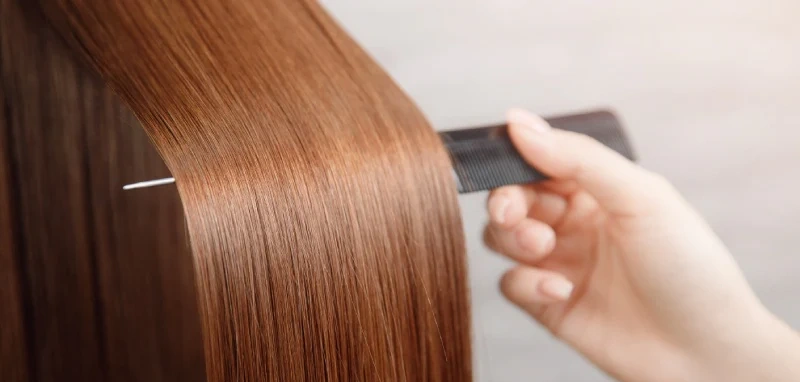
You want to make sure your sample meets your expectations before you place a bulk order. Let’s walk through each test you need to perform. These tests help you check authenticity, durability, and overall performance.
When you compare your results to Alpha’s standards for grade-A Remy human hair, you set yourself up for success.
Burn Test
You start with the burn test to check authenticity. Take a small strand from your sample. Hold it with tweezers and use a lighter to burn the tip. Watch how the hair reacts.
If the hair burns to white or gray ash and smells like burnt feathers, you have real human remy hair.
If the hair melts or smells like burning plastic, it’s synthetic or mixed.
Alpha’s Remy extensions always pass this test. You can trust their authenticity tests to confirm you’re getting virgin remy.
Tip: Always use caution and wear gloves during the burn test.
Water Test
The water test helps you check cuticle integrity and authenticity. Fill a bowl with room-temperature water. Drop a small section of your sample into the bowl.
If the hair sinks gradually within 60 seconds, it’s likely remy and has intact cuticles.
If the hair floats or sinks too quickly, it may be coated or processed.
Remy hair from Alpha sinks at a steady rate. This shows the cuticles are healthy and aligned.
Bleach Test
You use the bleach test to see if your sample is virgin or processed. Mix a small amount of bleach powder and developer. Apply it to a section of the sample and watch the color change.
The bleach test reveals quality by showing how the hair lightens. Virgin hair lightens evenly through several shades. Processed hair lightens unevenly and often shows orange or red tones as the dye lifts. If your sample lightens smoothly, you have high-quality remy hair.
Alpha’s extensions always show uniform color progression during this test. You can rely on their products for consistent results.
Cuticle Direction Test
The cuticle-direction test confirms Remy authenticity. Hold a strand of your sample between your fingers. Slide your fingers down the hair, then up against the grain.
If all cuticles are aligned in one direction, you’ll feel smoothness going down and resistance going up. This alignment keeps the hair from tangling and helps it stay soft. Proper cuticle direction means the hair retains moisture and experiences less friction.
Alpha’s Remy extensions always pass this test. You can trust their cuticle alignment for lasting quality.
Tangle & Shed Test
You want to check how the sample handles daily use. Start with the tangle test. Comb the hair with a wide-tooth comb for at least 40 strokes.
If the hair doesn’t tangle, you have remy quality.
If you notice tangling, the cuticles may not be aligned.
Next, perform the shed test. Comb the sample and count the loose hairs that fall out. If you see seven or fewer strands shed per minute, the stitching or bonding is strong.
Here are key indicators of quality in the tangle and shed test:
Loose hairs around the weft edge mean poor stitching or bonding, which leads to early shedding.
Tangling shows cuticles are not aligned, often due to non-remy or over-processed hair.
Weft bundles twisting at the mid-shaft point can lead to improper fiber alignment, which can cause snags and shorten the lifespan.
Alpha’s extensions rarely tangle or shed. Their Remy bundles stay smooth and strong.
Color-Fast Test
You want to make sure the color stays true. Wet the sample and blot it with a towel. If the water remains clear or only slightly tinted, the dye quality is high. If the water turns dark or stains the towel, the color may fade quickly.
Alpha’s Remy extensions pass this test with flying colors. You can expect stable, vibrant shades.
Heat Test
The heat test checks if your sample can handle styling. Use a flat iron or curling wand on a small section. If the hair stays smooth and doesn’t melt or smell like plastic, you have real remy hair. If it melts or gives off a synthetic odor, it’s not authentic.
Alpha’s Remy extensions always pass the heat test. You can style them without worry.
Note: Document your results for each test. This helps you compare different suppliers and make the best choice.
You can use these tests to evaluate every sample. When you test hair extension quality, you protect your investment and ensure you get the best Remy hair. Alpha’s products set the standard for authenticity, durability, and performance.
Interpreting Results & Scoring
What Good Results Look Like?
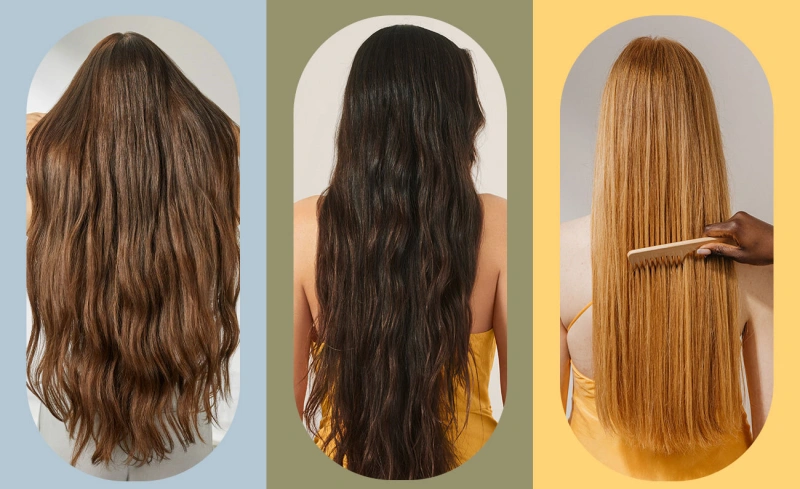
You want to know what great hair extensions look and feel like after you finish your grade tests. Good results mean your sample matches your expectations for quality and performance. Here’s a quick table to help you spot the signs of a top-grade extension:
Characteristic | What to Look For |
|---|---|
Weight of bundles | Matches the vendor’s claim. No surprises when you weigh your grade. |
Length of bundles | True to the advertised length. Small grade variations are okay. |
Fullness of bundles | Feels thick and full, especially for longer grade lengths. |
Silicon coating | No heavy coating hides the real grade quality. |
Regular care | Stays soft and smooth after washing and conditioning. |
Burn test | Burns like natural hair, not plastic. |
If your sample passes these grade checks, you’re on the right track for a bulk order.
Simple Scoring Rubric
You can make your decision easier with a simple scoring system. Give each grade test a score from 1 (poor) to 5 (excellent). Add up the scores for a total grade. Here’s a table to guide your grade scoring:
QC Checkpoint | What to Verify | Simple Test Method | Risk if Missed |
|---|---|---|---|
Shade reproducibility | Matches your gold grade sample | Check in daylight and with video | High: returns, bad reviews |
Shedding/retention | Minimal grade shedding | Comb for 10 seconds, count strands | Complaints, lost grade sales |
Adhesive integrity | Holds well, removes cleanly | Wear for 2-3 days, remove gently | Damage claims, salon issues |
Weft construction | Even strong grade stitching | Tug test, check with a magnifier | Unraveling, returns |
Packaging resilience | Arrives in top-grade shape | Drop test, check for scuffs | “Used” look, exchanges |
A total grade score of 20 or higher means you have a high-quality extension. Anything lower means you should ask more questions or try another sample.
Compared to Alpha’s Quality Standard
You want your grade results to match the best in the industry. Alpha sets the bar for grade quality with its 100% Remy human hair. Their extensions pass every grade test, from burn to tangle, with flying colors.
When you compare your sample to Alpha’s grade, you see the difference in softness, durability, and natural look. If your grade sample matches Alpha’s, you know you’re ready for a bulk order.
Tip: Keep your grade testing results organized. Compare each supplier’s grade to Alpha’s. This helps you make smart, confident decisions for your business.
Conclusion
You want the best for your business and your clients. Careful sample testing helps you avoid costly mistakes and keeps your reputation strong. When you follow a clear process, you spot problems early and feel confident in your choices.
Protect your investment with smart testing.
Compare every sample to Alpha’s trusted quality.
Ready to get started? Contact Alpha for expert support or to request your own sample today!
FAQ
How many samples should you test before a bulk order?
You should test at least two to three samples from each supplier. This helps you spot any inconsistencies and gives you a better idea of overall quality.
Can you reuse hair extension samples for multiple tests?
Yes, you can use one sample for several tests. Just start with the least damaging tests, like the water or tangle test, before moving to bleach or burn tests.
What if your sample fails one of the tests?
Don’t ignore a failed test. Ask your supplier for clarification or request another sample. You want to feel confident before placing a bulk order.
How do you store hair extension samples after testing?
Store your samples in a clean, dry place. Use a zip bag or box to keep them dust-free. Label each sample with the supplier’s name and test results for easy comparison.