
Hair extensions can tangle, but persistent knotting is not something you simply have to accept. Most tangles begin with a combination of friction, dryness, product buildup, rough handling, or missed maintenance. The right routine keeps small snags from tightening into mats and helps protect both the extension hair and your natural hair.
The key is to match the care routine to the extension method. Installed extensions – including tape-ins, keratin bonds, micro links, and wefts – need careful root maintenance and protection overnight.
Removable pieces – such as clip-ins, halos, and ponytails – should usually be removed before sleeping, washing, swimming, or exercising. Treating both groups the same is where many care guides go wrong.
Quick Answer: How Do You Stop Hair Extensions From Tangling?
To keep hair extensions from tangling, brush them gently from the ends upward, detangle before washing, wash in one downward direction, condition the mid-lengths and ends, and make sure the hair is fully dry before sleeping or storing it.
Reduce friction with a loose braid or satin surface for installed extensions, and remove and store clip-ins or other removable pieces after wear. If matting forms around bonds, tapes, rings, or sewn rows, ask a qualified stylist to handle it instead of pulling or cutting it out at home.
Why Hair Extensions Tangle?
Extension hair does not receive sebum from the scalp in the same way growing hair does, so the lengths and ends can become dry more quickly. Friction from collars, pillows, wind, workouts, and daily movement then encourages rough strands to catch.
Residue from heavy styling products can make strands stick together, while heat, chemical processing, and worn ends increase surface damage.
Hair construction matters too. When cuticles are missing, damaged, or running in different directions, adjacent strands can snag more easily. For a fuller diagnosis of dryness, buildup, friction, installation, and quality issues, read why hair extensions get tangled.
10 Ways to Keep Hair Extensions From Tangling
1. Start With Cuticle-Aligned Remy Human Hair
Care can reduce tangling, but it cannot completely compensate for poor fiber quality. In full-cuticle Remy hair, the cuticles remain intact and aligned in the same root-to-tip direction. That smoother, more consistent surface helps strands move past one another with less catching than hair with mixed cuticle directions.
Quality is not a promise that hair will never knot; long hair still needs maintenance. It is the foundation that makes the routine more effective. Alpha Hair has manufactured 100% full-cuticle Remy extensions and wigs since 1990. Brand owners and salons comparing specifications can review full-cuticle Remy vs. Remy vs. non-Remy hair before selecting a collection.
2. Make Sure the Method Is Fitted and Positioned Correctly
Installed extensions should be applied in clean, controlled sections with suitable spacing for the client’s density and lifestyle. Crowded bonds, uneven rows, or attachments placed in a high-friction area can make neighboring strands interlock. Removable wefts also need balanced placement; a clip sitting directly at the nape may rub against collars all day.
Follow the fitting instructions for the specific method. If an installed row twists, slips, pulls, or feels unusually tight, return to the stylist. Repeatedly brushing through a placement problem usually adds tension without fixing the cause.
3. Brush From the Ends Up – and Support the Attachment
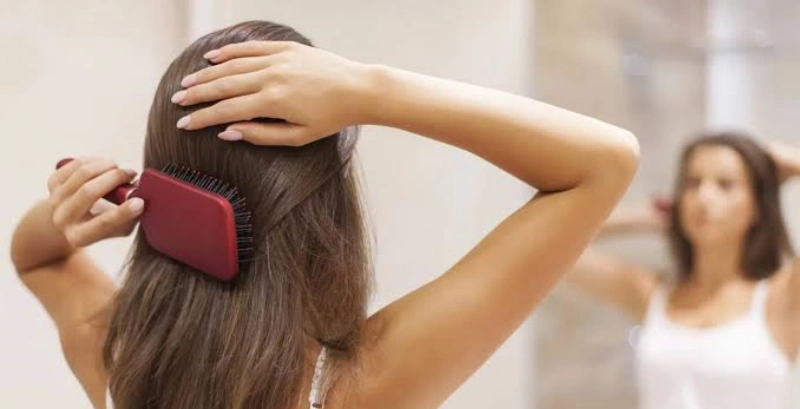
Use an extension-friendly loop brush, flexible detangling brush, soft-bristle brush, or wide-tooth comb recommended for the hair and attachment method. Divide thick hair into sections so you reach the hidden layers at the nape and between rows.
- Hold the hair above the area you are brushing so tension does not transfer to clips, bonds, tapes, rings, or stitching.
- Begin at the last few inches and release the ends first.
- Move upward in short sections only after the hair below is smooth.
- For installed extensions, brush close enough to prevent matting but do not drag bristles across the attachment points.
Morning and evening is a useful starting routine for installed extensions, with an extra gentle pass after wind or exercise once the hair is dry. For clip-ins and other removable pieces, brush before application and again after removal. Adjust the frequency to the texture, density, length, and advice from the stylist or supplier.
4. Detangle Before Washing
Water causes hair fibers to swell and makes wet hair easier to stretch. A small dry knot can tighten when shampoo and water move through it, so remove loose tangles before the shower or wash basin. Work patiently; do not saturate a dense mat and hope it will loosen on its own.
Before your next wash, use the complete hair extension washing guide for method-specific product placement, rinsing, and drying steps.
5. Wash in One Direction Without Rubbing or Piling
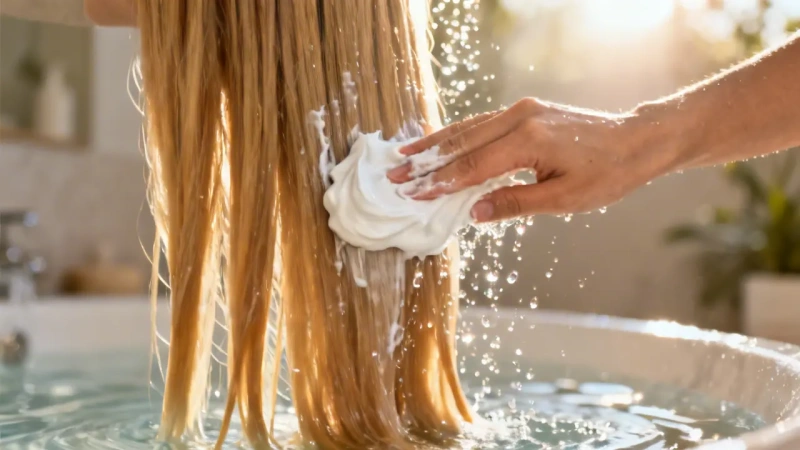
Keep the hair hanging or lying in its natural direction. Smooth shampoo downward instead of scrubbing in circles, bunching the lengths on top of the head, or twisting them into a towel. Rinse thoroughly; leftover cleanser and conditioner can create residue that attracts lint and makes strands clump.
Installed extensions should be washed according to the stylist’s instructions, especially around tapes, keratin, rings, or sewn rows. Removable pieces should be washed separately after detangling. They do not need the same schedule as natural hair; wash when buildup, odor, loss of movement, or the human hair extension manufacturer‘s wear guidance indicates it is time.
6. Condition the Lengths, Not the Attachment Points
Conditioner and a lightweight leave-in can improve slip through the mid-lengths and ends, where extension hair is usually driest. Apply a small amount, distribute it evenly, and rinse or leave it in exactly as the label directs. More product is not always better: a heavy coating can collect residue and make the hair feel sticky.
Keep oils, masks, and rich conditioners away from adhesive tapes, keratin bonds, rings, clips, and sewn attachment areas unless the product or stylist specifically approves that placement. For synthetic hair, use only formulas designed for that fiber. For product selection by hair type, see Alpha Hair’s guide to hair care products for human hair extensions.
7. Dry Completely Before Sleeping or Storing
Damp hair plus movement creates ideal conditions for tangling. Gently squeeze out water with a microfiber towel; do not rub or wring. Dry the attachment area and nape thoroughly on installed extensions, then dry the lengths according to the method’s care guidance. Removable extensions must be completely dry before they go into a case or bag.
If you use a blow-dryer, apply an extension-compatible heat protectant, keep the air moving downward, and follow the supplier’s temperature limit. Synthetic fibers and attachment materials may have stricter heat restrictions than human hair.
8. Reduce Friction at Night
For installed extensions, start bedtime with clean, dry, detangled hair. A loose low braid or low ponytail with a soft scrunchie can contain the lengths without pulling at the roots. A silk or satin pillowcase or bonnet reduces rubbing against the hair surface. Avoid tight buns that fold or strain attachment points.
Clip-ins, halos, and removable ponytails should normally come out before bed. Sleeping in clips adds friction and may place unnecessary pressure on the natural hair. For method-specific details, use the full guide on how to sleep with hair extensions.
9. Control Heat, Buildup, and Everyday Friction
Repeated hot-tool passes can dry and roughen the hair, while hairspray, texture spray, dry shampoo, and heavy oils can build up. Use the lowest effective temperature allowed by the manufacturer, apply heat protectant to the appropriate areas, and avoid placing hot tools on bonds or tapes. Clean tools regularly so residue is not transferred back to the hair.
During workouts, secure installed extensions loosely and let sweat-damp roots dry before brushing. In wind, wear a loose braid. Keep long lengths from constantly rubbing against rough collars, wool scarves, handbag straps, and hook-and-loop fasteners; the nape and shoulder line are common tangle zones.
10. Store Removable Extensions and Maintain Installed Ones
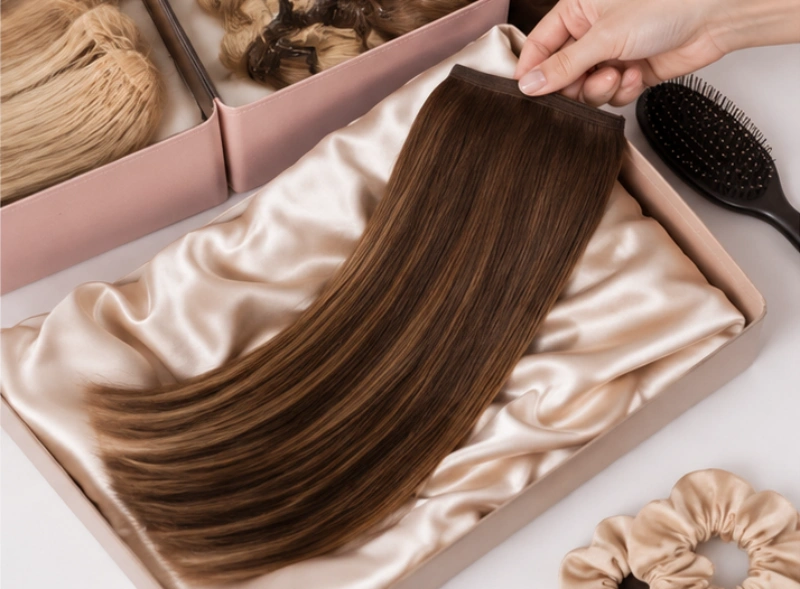
After removing clip-ins, halos, or ponytails, close the clips, brush the hair, align the wefts, and store them completely dry. Lay them flat or hang them in a dedicated extension carrier. A clean satin-lined bag or smooth storage case protects the hair from dust, humidity, static, and contact with jewelry or other accessories.
Installed extensions need scheduled maintenance because natural shedding and new growth collect around attachment points over time. Follow the stylist’s move-up, reapplication, or removal schedule. Delayed maintenance can allow shed hairs and neighboring sections to join into a mat even when the lengths still look smooth.
Installed vs. Removable Extensions: Different Anti-Tangle Rules
Use this quick distinction whenever two pieces of advice appear to conflict:
| Care point | Installed extensions | Removable extensions |
| Before sleep | Dry fully; loosely braid or secure; reduce pillow friction. | Remove, detangle, and store. |
| At the roots | Separate bonds/sections as directed; brush around, not through, attachments. | Support the weft and avoid pulling on clips. |
| Washing | Wash in place using method-specific product placement. | Wash separately only when needed. |
| After activity | Dry sweat or moisture before brushing; check the nape. | Remove before swimming, showering, and strenuous exercise. |
| Maintenance | Attend move-up, reapplication, or removal appointments. | Inspect clips, seams, ends, and storage condition. |
How to Prevent Matting at the Nape and Roots?
The nape is a high-friction zone: it moves against collars and shoulders, traps perspiration, and is easy to miss when brushing. For installed extensions, the root area also holds naturally shed hairs until the next maintenance appointment. These loose strands can wrap around neighboring bonds or rows.
- Section the hair so you can reach the nape instead of brushing only the top layer.
- Gently separate installed bonds or attachment sections with your fingers as directed by the stylist.
- Dry the nape and roots completely after washing, exercise, rain, or swimming.
- Keep conditioner, oil, and masks away from attachment points unless approved for the method.
- Check whether a collar, scarf, or low-placed clip is repeatedly rubbing the same area.
A small, loose knot may be manageable with patient detangling. A tight mat close to the scalp, bond, tape, ring, or sewn row is different: stop pulling and contact a stylist. Trying to cut or remove it yourself can damage the natural hair or attachment.
What to Do If Your Extensions Are Already Tangled?
For light tangles in the lengths or ends, use one careful process instead of repeatedly brushing the same knot:
- Remove the extension if it is designed to be removable. Leave permanent or semi-permanent attachments in place.
- Divide the hair into small sections and support the hair above the tangle.
- Apply a small amount of extension-compatible detangling spray or leave-in conditioner to the lengths, away from attachment points.
- Loosen the outside of the knot with your fingers. Do not pull the entire mat apart at once.
- Use a wide-tooth comb or detangling brush from the ends upward, advancing only when the section below is smooth.
- Stop if the hair sheds heavily, breaks, causes pain, or the mat sits at the root or attachment.
Curly textures need extra attention to curl pattern and moisture. Use the dedicated guide on how to detangle curly hair extensions rather than forcing a straight-hair brushing routine onto curls.
When Tangling Means You Need a Stylist or New Hair?
Book professional help when matting is tight at the roots, attachments have joined together, the scalp is painful, or shedding and breakage increase. A stylist can identify whether the cause is delayed maintenance, poor placement, residue, natural shedding, or damage to the extension hair.
Extension hair may be near the end of its usable life when the ends remain rough after appropriate conditioning, knots return immediately after gentle detangling, or the hair has accumulated extensive heat or chemical damage. Replacing worn hair can be safer and more efficient than repeatedly forcing a brush through weakened strands.
FAQ
How often should I brush hair extensions to prevent tangling?
Installed extensions are commonly brushed gently in the morning and evening, with extra attention after wind or exercise once the hair is dry. Removable pieces should be detangled before application and after removal. Follow the stylist or supplier if the method, texture, or density needs a different schedule.
Why do hair extensions matt at the nape of the neck?
The nape combines friction, movement, perspiration, short natural hairs, and missed brushing. Installed extension sections may also collect shed hairs at the root. Section the area, keep it dry, reduce collar friction, and maintain the attachment points on schedule.
How do I stop hair extensions from tangling after washing?
Detangle before washing, keep the hair moving downward, avoid rubbing or piling it up, rinse thoroughly, and gently squeeze out water. Dry the roots, nape, and lengths completely before sleeping, storing, or doing a full brush-through.
Do human hair extensions tangle less than synthetic hair?
Quality human hair – especially intact, cuticle-aligned Remy hair – can move and be cared for much like natural hair. Synthetic fibers vary widely and may develop friction or heat damage differently. Neither type is tangle-proof, so follow care instructions made for the exact fiber and extension method.
Can I use detangling spray on hair extensions?
Usually, yes, if the spray is compatible with the hair fiber and attachment method. Apply a light amount to the mid-lengths and ends, not directly onto tapes, keratin bonds, rings, clips, or sewn attachment areas unless the manufacturer or stylist says it is safe.
What should I do if hair extensions are badly matted?
Do not soak, yank, cut, or self-remove a dense mat near the scalp or attachment points. Contact the fitting stylist as soon as possible. For a removable piece with a mat only in the lengths, remove it, work in small sections from the outer edge and ends, and stop if the hair breaks or sheds excessively.
Keep the Routine Simple and Method-Specific
The most effective way to prevent hair extensions from tangling is consistency: choose well-constructed hair, brush gently, wash without friction, condition the right areas, dry completely, protect the hair at night, and maintain or store it correctly. The routine should feel simple because every step has one job – reducing friction before a small snag becomes a mat.
For salons, brand owners, and distributors, product quality and aftercare work together. Alpha Hair provides 100% full-cuticle Remy extensions and OEM/ODM support for professional hair businesses. Pairing the right hair specification with clear, method-specific care instructions helps customers protect their investment and gives your team a more consistent product experience.