
You want to remove your bonded hair extensions at home, but you worry about damaging your hair. With the right tools and a step-by-step guide, you can handle bonded hair extension removal safely and gently. Take your time, use a soft touch, and trust the process.
Alpha brings you premium Bonding Hair Extensions that blend naturally and last. You can enjoy beautiful hair and confidence with Alpha’s trusted products.
Key Takeaways
Use the right tools for safe removal. Essential items include keratin bond remover, pliers, and a wide-tooth comb.
Always detangle your hair before removal. This prevents breakage and keeps your natural hair healthy.
Apply a remover to soften the bonds. Wait a few minutes before gently breaking the bonds to avoid damage.
Follow up with proper aftercare. Use a clarifying shampoo and deep conditioner to restore moisture and health to your hair.
Consider professional help if you’re unsure. A stylist can ensure safe and effective removal, protecting your natural hair.
Bonded Hair Extensions Overview
What Are Bonded Hair Extensions?
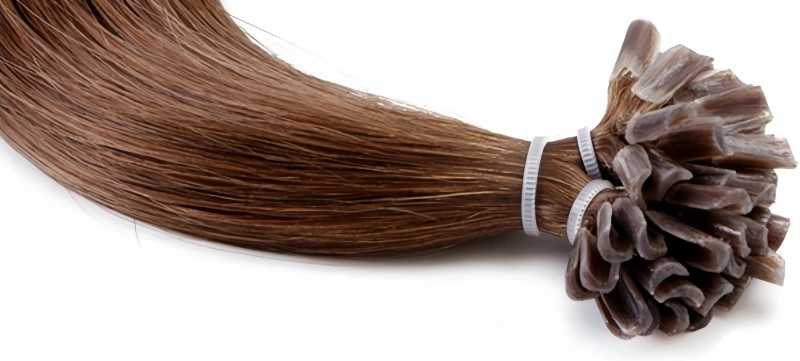
You might wonder what bonded hair extensions are and how they work. These extensions attach strand by strand to your natural hair using heat or adhesive. You get a seamless look that blends perfectly with your own hair.
There are several types on the market, each offering a unique application method and finish. Check out this table to see the main types:
Type | Description |
|---|---|
Bonds shaped like ‘I’, applied with microbeads or clamps, no heat needed. | |
‘U’ shaped bonds, applied with heat for a strong hold. | |
Flat bonds are discreet and comfortable for daily wear. | |
V-shaped bonds, easy blending, and volume boost. | |
Tiny rings, natural look, and less noticeable. |
You can choose the style that fits your needs and hair goals.
Lifespan and Benefits
Bonded hair extensions last longer than many other types. You can enjoy them for up to four months if you care for them properly. You need to reposition them every two or three months as your hair grows. These extensions are semi-permanent, so you get a lasting transformation. Here are some benefits you’ll love:
Benefit | Description |
|---|---|
Long-Lasting Results | Stay beautiful for months with proper installation. |
Natural Movement | Move like your real hair, so you can style it any way you want. |
Versatile Customization | Pick from many colors, lengths, and textures to match your style. |
You get more volume and length without sacrificing comfort or flexibility.
Why Safe Removal Matters?
Safe removal is essential when you decide to take out your bonded hair extensions. If you rush or skip steps, you risk damaging your natural hair. Problems like hair breakage and tangling at the roots can happen if you pull too hard or use the wrong products. Improper application and poor maintenance make these issues worse.
You want to protect your hair and keep it healthy, so always follow the right removal process.
Essential Tools for Bonded Hair Extension Removal
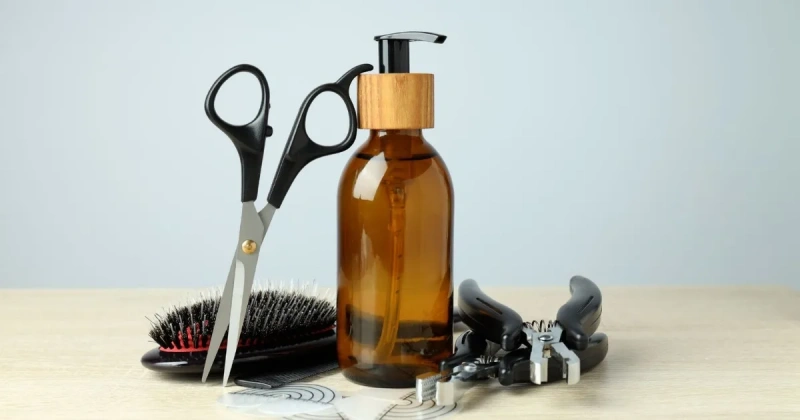
Before you start removing bonded hair extensions, you need the right tools. The right remover and accessories make the process smoother and safer for your natural hair. Let’s look at what you’ll need.
Professional Tools and Products
If you want a salon-like experience at home, you can use professional tools. These tools help you remove bonded hair extensions with less risk of damage. Here’s what you should have on hand:
Keratin bond remover: This alcohol-based solution breaks down the keratin bonds quickly. It works for both home and professional use.
Keratin extensions removal pliers: These stainless steel pliers have curved tips. They help you break the bonds and slide out the extensions easily.
Alpha’s bonding hair extensions stand out because they use premium Remy human hair with intact cuticles. You get a natural look, long-lasting hold, and easy removal when you use the right remover.
These extensions resist tangling and last up to two years with proper care. Want to learn more? Visit Alpha’s Bonding Hair Extension page for details on quality and durability.
DIY Alternatives
You might not have professional tools at home. Don’t worry! You can still remove bonded hair extensions safely with some common household items. Try these DIY alternatives:
Rubbing alcohol: Apply it to the bonds. Wait a few minutes, then gently pull the extension away.
Acetone: This dissolves the adhesive. It can dry out your hair, so use a moisturizing treatment after.
Aloe vera gel: This gentle option breaks down adhesive and hydrates your hair at the same time.
Choosing the Right Remover
Picking the right remover is important for your hair’s health. A keratin bond remover works best for most bonded hair extensions. It breaks down the adhesive without harming your natural hair. Some removers are made for tape-in extensions, but you want one that targets keratin bonds.
Professional removal is always safer because stylists know how to avoid damage. If you go the DIY route, follow instructions closely and use a keratin bond remover for the best results.
Tip: Always test your remover on a small section first. This helps you avoid irritation or unexpected reactions.
Preparing for Safe Removal
Detangling Before Removal
You want your hair to stay healthy and strong. Detangling is the first step before you remove bonded hair extensions. If you skip this, you risk pulling and breaking your natural hair. Alpha Bonding Hair Extensions use premium Remy hair, so they resist tangling, but knots can still form near the bonds.
Grab an extension brush or a wide-tooth comb. Start at the ends and work your way up. Take your time and use gentle strokes. If you find stubborn knots, hold the hair above the bond and loosen them slowly. This keeps your scalp comfortable and your hair safe.
Tip: Assess your hair for breakage, tangling, or matting before you begin. If your hair feels weak, consider a protein treatment to strengthen it.
Sectioning and Setup
Sectioning makes the removal process easier and more organized. You don’t want to miss any bonds or pull on large chunks of hair. Use a rat-tail comb to create neat sections. Clip each section out of the way so you can focus on one area at a time. This method helps you see every bond and prevents tangling during removal.
Gather your tools before you start. You’ll need scissors, pliers, clips, and a tail comb. Lay everything out so you don’t have to search for tools mid-process.
Here’s a quick checklist for your setup:
Rat-tail comb for sectioning
Extension brush for detangling
Clips to hold sections
Pliers for breaking bonds
Scissors for trimming loose ends
Recommended Products
Choosing the right products makes safe removal much easier. Salon-approved solvents dissolve the bonds without harming your natural hair. After removal, wash and clarify your hair to keep your scalp healthy. Alpha recommends using professional-grade keratin bond removers and gentle tools.
Product | Purpose |
|---|---|
Keratin Bond Remover | Dissolves keratin bonds for easier removal. |
Bond-Cracker Pliers | Gently breaks down softened bonds. |
Rat-Tail Comb | Section hair for organized removal. |
Clips | Holds sections in place during the process. |
You set yourself up for success when you detangle, section, and use the right products. This approach protects your natural hair and ensures safe removal every time.
Bonded Hair Extension Removal Steps
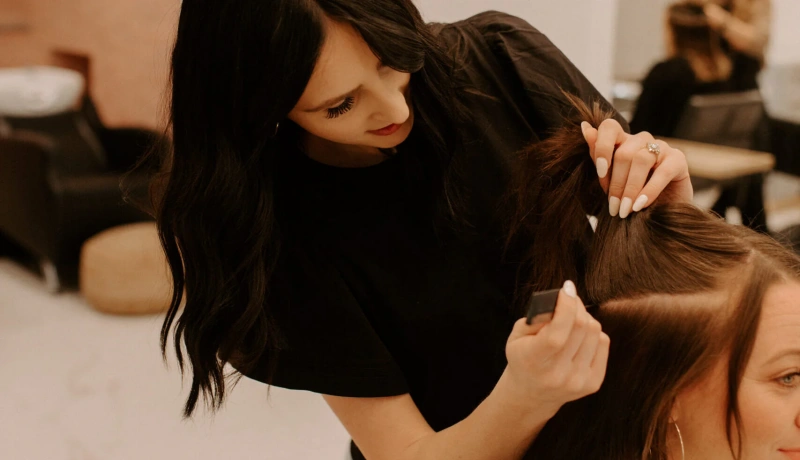
Removing bonded hair extensions at home can feel intimidating, but you can handle it with the right approach. Let’s break down each step so you know exactly what to do.
Applying Remover
Start the bonded hair extension removal by applying your chosen remover directly to the bonds. You have several options, and each works a bit differently:
Oil-based removers like warm olive, coconut, or argan oil gently break down adhesive while moisturizing your hair.
Alcohol-based removers, such as isopropyl alcohol, dissolve the bonds quickly. They evaporate fast and leave no residue, but you need to hydrate your hair afterward.
Citrus-based solvents, like orange oil, offer a natural way to dissolve glue without harsh chemicals.
Apply the remover generously to each bond. Massage it in with your fingertips. Wait about 10-15 minutes so the remover can soften the adhesive. If you use oil, you might need to let it sit a bit longer for the best results.
Tip: Always test the remover on a small section first. This helps you avoid irritation or unexpected reactions.
Breaking the Bonds
Once the remover has softened the adhesive, you can start breaking the bonds. You want to avoid pulling or tugging, so use gentle techniques. Here’s how you can do it:
Use keratin extension removal pliers to gently crack the softened bonds. Squeeze the bond until it breaks apart.
For oil-based removal, massage the oil into the bond for 15-20 minutes, then use pliers to crack it.
Alcohol-based removers work quickly. Spray the remover, wait a few minutes, then break the bond with pliers.
Citrus-based solvents need about 5-10 minutes. After that, gently break the bond with pliers.
You want to work section by section. Focus on one bond at a time. This keeps your hair organized and prevents tangling.
Note: Oil-based removal moisturizes your hair while breaking down adhesive. Alcohol-based removers act fast but may dry your hair, so follow with hydration.
Gently Removing Extensions
After breaking the bonds, you can gently remove the extensions. Don’t rush this step. You want to protect your natural hair.
Hold your natural hair above the bond to avoid pulling at the roots.
Slide the extension out slowly. If you feel resistance, apply more remover and wait a few minutes.
Repeat for each bond until all extensions are out.
You might notice some sticky residue left behind. That’s normal. You’ll clean it up in the next step.
Callout: If you struggle with stubborn bonds, add more remover and massage gently. Patience prevents breakage.
Cleaning Residue
Sticky residue can linger after bonded hair extension removal. You want your hair clean and fresh, so follow these techniques:
Technique | Strengths | Limitations |
|---|---|---|
Alcohol-based | Quickly releases extensions and evaporates completely | May require repeat applications due to evaporation |
No residue left to clean | Generally slower than oil-based options | |
Pleasant smell | ||
Oil-based | Breaks down adhesive quickly | Requires more cleanup than alcohol-based |
Only needs one application | ||
Rinses out easily with soap and water | ||
No Trace | Combines the strengths of both types | N/A |
C-22 | Stronger oil-based option with a pleasant scent | N/A |
After all extensions are out, apply more remover or oil to any sticky spots. Massage gently and comb through with a fine-tooth comb. Wash your hair with a clarifying shampoo. Follow with a deep conditioner to restore moisture. Let your hair air dry and detangle with a wide-tooth brush.
Tip: Cleaning residue thoroughly helps your hair recover and keeps your scalp healthy.
You’ve completed the removal process. Your hair feels lighter and healthier. Take your time and treat your hair with care. You’ll enjoy the results!
DIY Safe Removal Methods
You want to remove bonded hair extensions at home, but you might not have salon tools. Good news—there are several diy solutions for bond removers that work well and keep your hair safe. Let’s look at some effective diy bond removal options you can try.
Oil-Based Removal
Oil-based removers are gentle and easy to find. You can use olive oil, coconut oil, or argan oil. Warm the oil slightly and apply it directly to the bonds. Massage the oil in with your fingers. Wait about 20 minutes so the adhesive softens. After that, use your fingers or a wide-tooth comb to slide the extensions out.
Oil-based removers also help moisturize your hair, but you’ll need to wash out any leftover oil with shampoo.
Tip: Oil-based methods work best if you want a gentle approach and extra hydration for your hair.
Alcohol-Based Removal
Alcohol-based removers offer a quick way to remove bonded hair extensions. Spray or dab the remover onto each bond. Let it sit for a few minutes, then gently break the bond and slide out the extension. These removers leave no oily residue, which makes cleanup easy. If you need a fast solution, alcohol-based removers are ideal.
Here’s a quick comparison:
Feature | Alcohol-Based Removers | Oil-Based Removers |
|---|---|---|
Removal Speed | Quick removal | Slower removal |
Residue After Removal | No oily residue | Requires washing out residue |
Adhesive Dissolving Time | May take longer | Generally quicker |
Cleanup | No messy cleanup | Lengthy cleanup required |
Alcohol-based removers are perfect when you need to save time.
You won’t have to deal with oily hair after removal.
Citrus and Aloe Vera Methods
Citrus-based removers, like orange oil and aloe vera gel ,are natural choices. You can apply citrus oil or aloe vera gel to the bonds. Let it soak in for 15 minutes. These options break down the adhesive and soothe your scalp at the same time. They are gentle, but you may need to repeat the process for stubborn bonds.
Note: Natural methods are great for sensitive scalps and those who want to avoid harsh chemicals.
Acetone: Cautions
You might think about using acetone, but you should be careful. Acetone can dry out your hair and irritate your scalp. Experts recommend avoiding harsh acetone-based removers to prevent damage. Choose high-quality, non-acetone removers for a safer process.
⚠️ Always protect your hair and scalp. Stick with gentle removers for the best results.
If you follow these steps, you’ll find that diy solutions for bond removers can be both safe and effective. Take your time, use the right remover, and enjoy healthy hair after you remove bonded hair extensions.
Professional Removal Options
When to Choose Professional Removal?
Sometimes, removing bonded hair extensions at home just isn’t the best idea. You should consider professional help if you have sew-in, fusion, or bonded hair extensions. A professional stylist knows how to handle tricky adhesives and sewn-in bonds.
You avoid damage to your natural hair because professionals use specialized tools and products. If your extensions feel tangled or the bonds seem stubborn, you’ll get safer results with a professional. You also save time and stress.
Seek professional removal for sew-in, fusion, or bonded hair extensions.
Choose professional help if you notice matting or tough bonds.
Go to a professional stylist if you want to protect your natural hair.
Tip: If you’re unsure about the removal process, a professional can guide you and keep your hair healthy.
Alpha’s Professional Support
Alpha stands out in the world of bonded hair extensions. You get access to expert support whether you’re a salon owner or an individual. Alpha offers guidance on safe removal and provides premium tools for professionals. You can trust Alpha’s team to help you with every step, from choosing the right remover to aftercare.
Their experience ensures you get a thorough removal without risking your hair’s health. Alpha’s professional solutions make the process smooth and stress-free.
Callout: Alpha’s support gives you confidence. You know your bonded hair extensions are in good hands.
Comparing DIY and Professional
Let’s look at how DIY removal stacks up against professional removal. You might save money doing it yourself, but you risk damage and incomplete removal. Professionals charge more, but you get expertise and access to specialized tools.
Aspect | DIY Removal | Professional Removal |
|---|---|---|
Cost | Generally lower | Higher due to service fees |
Risk of Hair Damage | Higher risk of damage | Lower risk due to expertise |
Thoroughness | May leave residue or be incomplete | Ensures complete and thorough removal |
Tools and Products | Limited access to specialized tools | Access to professional tools |
Convenience | Can be done at home | Requires scheduling an appointment |
You get peace of mind with professional removal. Your bonded hair extensions come out cleanly, and your natural hair stays healthy. If you want the best results, consider professional help.
Aftercare for Natural Hair
Clarifying and Conditioning
You just finished removing your bonded hair extensions. Now, your natural hair needs some extra care. Start with a gentle clarifying shampoo. This step removes adhesive and product buildup, especially near the bonds. You want your natural hair to feel clean and refreshed.
After clarifying, switch to nourishing shampoos and conditioners. Deep conditioning treatments help restore moisture and softness. Use them once or twice a week to keep your natural hair healthy and strong.
Tip: Detangle your natural hair with an extension brush, starting at the tips. If you notice split ends, trim about half an inch to promote healthy growth.
Hydration and Recovery
Hydration is key for your natural hair after removing hair extensions. Oils like coconut, jojoba, or argan work wonders. Apply a small amount to your hair to reduce frizz and add shine. Avoid heat styling tools for at least a week. This gives your natural hair time to recover and regain strength.
You can also perform scalp massages two or three times a week. Massaging boosts blood circulation and encourages hair regrowth.
Use hydrating oils for softness.
Skip heat tools for a week.
Massage your scalp regularly.
Protein Treatments
Protein treatments help your natural hair bounce back after removing hair extensions. These treatments restore balance and strengthen strands. You get a smoother texture and less breakage. Check out the benefits in this table:
Benefit | Description |
|---|---|
Restores balance | Brings back natural balance in weak or dull hair. |
Strengthens hair | Replenishes lost proteins for resilience. |
Improves texture | Makes hair smoother and easier to manage. |
Reduces breakage | Minimizes breakage after extension removal. |
Healthier finish | Leaves hair shiny and healthy-looking. |
Note: Use protein treatments once every two weeks for best results.
Scalp Care
Your scalp needs attention after removing hair extensions. A healthy scalp supports strong natural hair. Try gentle scalp massages to stimulate growth. Deep conditioning keeps your scalp hydrated and comfortable. If you notice dryness or irritation, use aloe vera gel or a soothing scalp serum.
Clean your scalp thoroughly with clarifying shampoo. This prevents buildup and keeps your natural hair looking its best.
Callout: Consistent aftercare helps your natural hair recover and shine. You protect your hair’s health and enjoy beautiful results.
Common Mistakes in Removal
Removing bonded hair extensions at home can feel easy, but you might make mistakes if you rush or skip important steps. Let’s look at the most common errors and how you can avoid them.
Pulling or Tugging
You might feel tempted to pull or tug at the bonds when they don’t come out right away. This mistake leads to breakage and can hurt your scalp. Always use gentle motions.
Hold your natural hair above the bond and slide the extension out slowly. If you feel resistance, apply more remover and wait a few minutes. Patience protects your hair from unnecessary strain.
Tip: Never force the extension out. Gentle removal keeps your hair healthy and prevents hair breakage.
Skipping Remover
Some people skip using a remover and try to pull the extensions out dry. This causes damage and makes the process much harder. Remover softens the adhesive and lets the bonds break apart easily.
If you skip this step, you risk breakage and even hair loss. Always use a remover designed for bonded extensions.
Remover helps dissolve the adhesive.
You avoid breakage and scalp injury.
The process feels smoother and safer.
Using Harsh Chemicals
You might reach for strong chemicals like acetone, thinking they will speed up removal. These harsh products dry out your hair and irritate your scalp. Stick with gentle removers, like oil-based or alcohol-based options. They protect your hair and keep it soft.
Chemical Type | Effect on Hair | Recommended? |
|---|---|---|
Acetone | Dries and damages | No |
Oil-based | Moisturizes and softens | Yes |
Alcohol-based | Quick, less residue | Yes |
Tip: Choose gentle removers for safe removal and healthy hair.
Neglecting Aftercare
After removal, your hair needs care to recover. If you skip aftercare, you risk dryness, breakage, and dullness. Use a clarifying shampoo, deep conditioner, and hydrating oils. These steps help your hair bounce back and stay strong.
Callout: Consistent aftercare prevents breakage and keeps your hair looking its best.
You can avoid these mistakes by following the right steps and using the proper tools. Take your time, use gentle products, and follow these tips for safe removal.
Maintaining Healthy Hair Post-Removal
Monitoring Recovery
You just removed your bonded hair extensions. Now, your hair needs some time to recover. Watch for signs of dryness, breakage, or scalp irritation. Check your hair every few days. Look for split ends or weak spots. If you notice extra shedding or your hair feels rough, try a deep conditioning treatment.
Keep your scalp clean and hydrated. Healthy hair starts with a healthy scalp. You can use a gentle scalp serum or massage your scalp with your fingertips. This boosts blood flow and helps your hair grow stronger.
Tip: Take photos of your hair each week. You can track progress and spot changes early.
Regular Trims
Trimming your hair is one of the best ways to keep it healthy after removing extensions. Split ends can make your hair look dull and cause more breakage. You should visit a stylist for a trim. This removes damaged ends and supports new growth. Regular trims help your hair stay strong and shiny.
Schedule a trim soon after removing extensions.
Plan trims every 6-8 weeks to keep split ends away.
Ask your stylist for advice on length and style.
Callout: Fresh trims give your hair a clean start and make styling easier.
Adjusting Hair Care Routine
Your hair care routine needs a few changes after extension removal. You want to protect your natural hair and help it recover. Try these steps:
Apply conditioner from the middle of your hair to the ends. Avoid the roots to prevent buildup.
Pat your hair dry with a microfiber towel. Make sure your hair is fully dry before you sleep.
Use an extension-friendly brush. Start detangling at the ends and work upward.
Before bed, tie your hair loosely with a silk scrunchie. This prevents tangling and keeps your hair smooth.
Step | Benefit |
|---|---|
Conditioning | Adds moisture and softness |
Drying | Prevents breakage and frizz |
Brushing | Reduces tangles and damage |
Sleeping | Protects hair from friction |
You can enjoy healthy, shiny hair by making these simple changes. Your hair will thank you!
Conclusion
You want your hair to stay healthy after removal. Safe removal protects your natural hair and keeps it strong. Alpha supports you with premium extensions and expert guidance. Remember these removal tips:
Section your hair before removal.
Use gentle products for removal.
Clean your scalp after removal.
Deep condition your hair post-removal.
Schedule trims and avoid heat styling after removal.
Patience during removal gives you the best results. If you feel unsure, ask a stylist for help. Alpha stands by you every step of the removal process.
FAQ
How long should I wait before removing bonded hair extensions?
You should wait at least 6 to 8 weeks before removing bonded hair extensions. This helps protect your natural hair and keeps the bonds secure. If you notice slipping or discomfort, you can remove them sooner.
Can I reuse Alpha’s bonding hair extensions after removal?
Yes, you can reuse Alpha’s bonding hair extensions if you remove them gently and keep them in good condition. Clean the bonds and store the hair flat in a cool, dry place.
What should I do if a bond feels stuck?
Don’t pull!
Apply more remover to the bond and wait a few minutes. Gently massage the area and try again. If it still feels stuck, ask a professional for help.
Will removing extensions damage my natural hair?
If you follow the right steps and use gentle products, you won’t damage your natural hair. Avoid pulling or using harsh chemicals. Take your time and treat your hair with care.
What’s the best way to clean my hair after removal?
Use a clarifying shampoo to remove any leftover adhesive or oil. Follow up with a deep conditioner to restore moisture. Let your hair air dry and detangle with a wide-tooth comb.