
You can remove butterfly weft hair extensions at home with the right approach and a gentle touch. Alpha brings decades of experience making premium, cuticle-intact extensions that look and feel natural. If you wonder how to remove butterfly weft extensions safely, you just need a few tools and a bit of patience.
Take your time, treat your hair with care, and you’ll keep both your natural hair and your extensions in great shape.
Key Takeaways
Gather the right tools before starting. Use bead removers, sectioning clips, and a removal solution to make the process easier and safer.
Take your time when removing extensions. Rushing can lead to breakage or discomfort, so be patient and gentle.
Always detangle your hair before and after removal. This helps keep your natural hair healthy and prevents damage.
Invest in quality products for removal. Using the right tools and solutions can save time and protect your hair and extensions.
If you encounter problems, don’t hesitate to seek professional help. A stylist can assist with tricky situations and ensure your hair stays healthy.
Tools Needed for Butterfly Weft Extensions
Before you start removing your butterfly weft hair extensions, you’ll want to gather the right tools. Using the proper equipment makes the process smoother and helps protect both your natural hair and your extensions. Let’s break down what you’ll need and why each item matters.
Essential Removal Tools
Here’s a quick checklist to get you started:
Bead remover or pro pliers: These tools help you open and release the beads or bonds holding your extensions in place. They’re gentle on your hair and designed for precision.
Sectioning clips: These keep your hair organized and make it easier to work in small, manageable sections.
Tail comb or gentle detangling comb: A tail comb helps you part your hair cleanly, while a detangling comb glides through your hair without pulling.
Removal solution: If your butterfly weft hair extensions use adhesive or bonds, a professional-grade removal solution will break down the glue safely.
Wide-tooth comb: This helps you detangle your natural hair after the extensions come out.
Tip: Always use tools made for hair extensions. They’re designed to work with Alpha’s thin, flat wefts and won’t snag or damage the cuticle-intact Remy hair.
Recommended Products
Alpha recommends using high-quality, salon-grade tools and products for the best results. Here’s what many users love about Alpha’s recommended removal tools:
They’re user-friendly and make the removal process simple, even if you’re new to extensions.
You’ll notice less breakage and tangling because these tools are gentle on both your natural hair and the extensions.
Many people find that the process goes quickly and smoothly, saving time and stress.
Choosing the right tools means you can remove your extensions safely and keep your hair looking healthy. Investing in quality products also helps your extensions last longer, so you can reuse them for future styles.
How to Remove Butterfly Weft Extensions: Step-by-Step Guide
Removing your Alpha Butterfly Weft Extensions at home is easier than you might think. You just need the right tools, a gentle touch, and a bit of patience. Let’s walk through each step so you can keep your natural hair healthy and your extensions ready for reuse.
Prep and Section Hair
Start by prepping your workspace. Wash your hands and gather all your tools. Find a comfortable spot with good lighting. Use sectioning clips to divide your hair into small, manageable sections. Begin at the bottom row and work your way up. This makes it easier to see each weft and keeps your hair organized.
Tip: Alpha’s butterfly weft extensions have a thin, flat design. You’ll find it simple to section and access each weft without bulky tracks getting in the way.
Apply Removal Solution
If your extensions use adhesive or bonds, apply a professional-grade removal solution. Follow the instructions on the product. Use a small amount and avoid soaking your hair. Let the solution sit for a few minutes. This helps break down the glue and makes the next steps easier.
Release Beads or Bonds
Now, you’re ready to release the beads or bonds. Here’s how to remove butterfly weft extensions without damaging your hair:
Locate the micro beads using a tail comb. Start with the bottom row.
Use curved pliers to gently squeeze and open each bead. Don’t rush—slow movements prevent breakage.
Slide the opened bead off your hair strands. Avoid pulling or tugging.
Unthread your hair from the weft holes and open the clasp mechanism if present.
Carefully slide the weft out and place it on a clean towel.
Repeat these steps for each weft, moving upward.
User reports show that the removal process for butterfly weft extensions is much quicker than traditional methods. You’ll spend only a third of the time compared to older styles.
Gently Remove Extensions
Once you’ve released all beads or bonds, gently remove butterfly weft hair extensions from your hair. Hold the weft close to the scalp and slide it out slowly. If you feel resistance, check for missed beads or tangles. Never force the extension out. Alpha’s Remy hair and flat weft design make this step smooth and easy.
Note: Patience is key. Rushing can cause breakage or discomfort. Take your time and enjoy the process.
Clean and Detangle
After you remove butterfly weft hair extensions, your natural hair needs some TLC. Follow these best practices to keep your hair healthy:
Brush first: Gently detangle your hair before washing.
Water temperature: Use lukewarm water.
Shampooing: Apply sulfate-free shampoo at the scalp and let it run down your hair.
Conditioning: Focus on mid-length to ends, not the roots.
Rinsing: Rinse thoroughly to avoid product build-up.
Gentle drying: Pat your hair dry with a soft towel.
Detangling: Use a wide-tooth comb, starting from the ends and working upward.
You’ll notice your hair feels soft and manageable, thanks to Alpha’s cuticle-intact Remy hair. Proper aftercare helps your extensions last longer and keeps your natural hair strong.
If you follow these steps, you’ll master how to remove butterfly weft extensions at home. You’ll protect your hair and your extensions, making future installs a breeze.
Common Mistakes to Avoid
Removing Butterfly Weft Extensions can feel easy, but you might run into trouble if you rush or skip important steps. Let’s look at some common mistakes and what happens if you make them:
Mistake | Consequence |
|---|---|
Pulling or Tugging | May damage hair |
Skipping Detangling | Can shorten the lifespan of hair |
Using Wrong Tools | May cause scalp irritation or damage |
Beads That Are Too Tight | May damage hair |
Neglecting Care | Can shorten the lifespan of hair |
Use Irritating Products | May cause scalp irritation or damage |
Pulling or Tugging
You might feel tempted to pull or tug when a weft gets stuck. Don’t do it! Pulling can break your hair and damage the extensions. If you hit a snag, pause and check for missed beads or tangles. Start detangling from the ends first.
This simple move keeps your roots safe and helps you avoid pain. You’ll thank yourself later for being gentle.
Tip: Always separate the bonds before you try to remove the weft. Daily separation prevents tangling and makes removal much easier.
Skipping Detangling
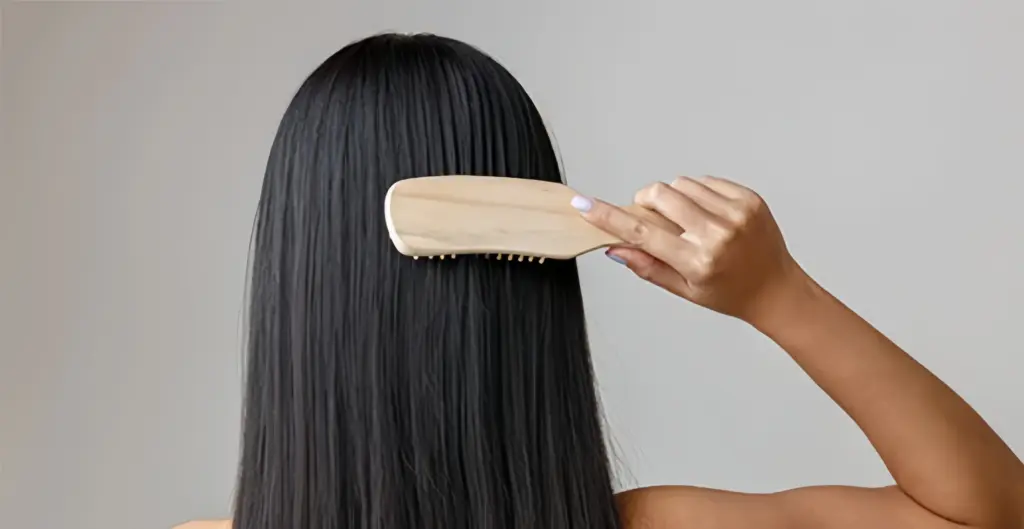
Skipping detangling is a fast way to ruin your hair and extensions. You need to detangle before and after removal. Use a wide-tooth comb and start at the ends. Work your way up. This keeps your hair smooth and helps the extensions last longer. Clean, moisturized hair also makes the process easier.
Get your natural hair in good shape before you start.
Shampoo regularly to keep your scalp healthy.
Protect your edges with water-based styling products.
Using Wrong Tools
Using the wrong tools can cause scalp irritation or even damage your hair. Always use tools made for hair extensions. Pro pliers, bead removers, and gentle combs work best with Alpha’s thin, flat wefts. Avoid anything sharp or rough. If you’re unsure, see a professional stylist.
They know how to avoid tight beads and harsh products.
Note: Keep your hairstyle clean and switch up your look sometimes. Taking breaks from extensions helps your hair stay strong.
Aftercare for Natural Hair
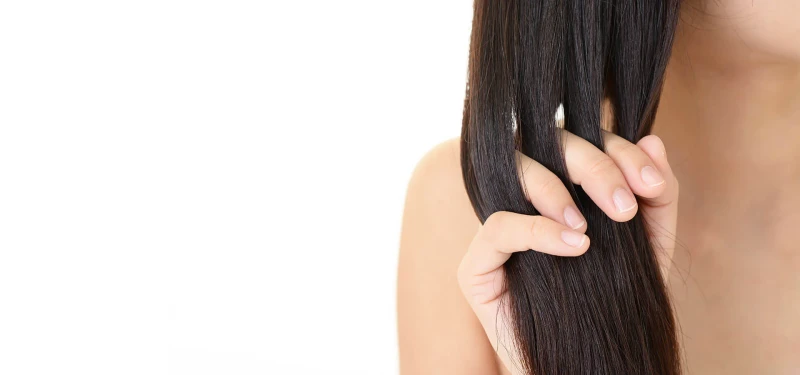
Taking out your Butterfly Weft Extensions feels great, but your natural hair needs some love next. Good aftercare helps your hair bounce back and keeps your scalp happy. Let’s break down what you should do.
Moisturize and Nourish
Your hair might feel dry or a little fragile after removing extensions. You can bring back moisture and strength with a few simple steps:
Use a moisturizing deep conditioner once a week. This helps repair dryness and makes your hair more elastic.
Try lightweight oils like peppermint or rosemary oil. These nourish your scalp without making it greasy.
Look for treatments with keratin or biotin. These ingredients help strengthen your hair.
Coconut oil prevents dryness and breakage. Argan oil adds shine and moisture. Aloe vera soothes your scalp if it feels irritated.
Want a DIY boost? Mix avocado and olive oil for deep hydration, banana and honey for softness, or coconut milk and castor oil to repair and strengthen.
Tip: Deep conditioning masks with keratin or argan oil work wonders for restoring vitality.
Scalp Care
Your scalp needs attention, too. A healthy scalp means healthy hair growth. Here’s what you can do:
For Your Natural Hair |
|---|
Cleanse Thoroughly: Use a clarifying shampoo to remove any product or adhesive residue. |
Deep Condition: Replenish moisture with a keratin or argan oil-based deep conditioning mask to restore vitality. |
Scalp Care: Gently massage your scalp to stimulate circulation and promote healthy hair growth. |
Watch for signs of irritation, like redness, itchiness, or pain that lasts more than a day. If you notice bald patches, breakage over an inch, or can’t detangle your hair, consider seeing a professional.
When to Style Again?
Give your hair a break before you style again. Wait at least a few days so your scalp can recover. Use gentle styles and avoid tight ponytails or harsh chemicals. Your hair will thank you for the rest, and you’ll notice it feels softer and stronger when you go for your next look.
Note: Healthy hair starts with gentle care. Treat your hair and scalp kindly after every extension removal.
When to Seek Professional Help?

Sometimes, removing Butterfly Weft Extensions at home just doesn’t go as planned. You might run into a tricky spot or feel unsure about the next step. That’s when it’s smart to call in a professional stylist. Let’s look at when you should get help and what can happen if you try to do it all yourself.
Signs You Need a Stylist
You don’t have to handle everything alone. Here are some clear signs you should book an appointment with a stylist:
You feel pain or discomfort while removing the extensions.
You notice beads or bonds that won’t budge, even after using the right tools.
Your hair feels tangled or matted near the roots.
You see breakage, bald spots, or redness on your scalp.
You’re not sure which removal solution to use for your specific installation.
You want to reuse your extensions and keep them in top shape.
Tip: If you ever feel stuck or worried about damaging your hair, a professional can make the process quick and stress-free.
Risks of DIY Removal
Trying to remove extensions by yourself can seem easy, but there are risks if you’re not careful. Here’s what you might face:
Risk | What Could Happen |
|---|---|
Pulling too hard | Breaks your natural hair |
Using the wrong tools | Damages your scalp or extensions |
Skipping detangling | Causes knots and matting |
Leaving residue behind | Leads to scalp irritation |
Not spotting problems early | Makes damage worse over time |
You want your hair to stay healthy and your extensions to last. If you ever feel unsure, reach out to a stylist who knows Alpha’s products. They can help you avoid mistakes and keep your hair looking its best.
Remember, your hair is worth the extra care. When in doubt, trust a pro!
Conclusion
You’ve got everything you need to remove your Alpha Butterfly Weft Extensions safely at home. Handle your hair gently, follow each step, and give your natural hair some love after removal. When you use the right tools and take care of your extensions, you can enjoy them for up to two years.
If you ever feel unsure, reach out to a pro. Alpha always puts your hair health and happiness first.
FAQ
How long does it take to remove Butterfly Weft Extensions?
You can usually remove your extensions in 30 to 60 minutes. If you work slowly and gently, you’ll avoid damage. The process goes faster once you get the hang of it.
Can I reuse my Butterfly Weft Extensions after removal?
Yes! If you remove them carefully and follow aftercare steps, you can reuse your extensions. Store them flat and clean for best results.
What should I do if a bead or bond won’t come out?
Don’t force it. Try applying a bit more removal solution and wait a few minutes. If it still won’t budge, reach out to a stylist for help.
Will removing extensions damage my natural hair?
If you use the right tools and take your time, you won’t damage your hair. Avoid pulling or tugging. Always detangle before and after removal.
How soon can I reinstall my extensions?
Give your hair a break for a few days. Let your scalp rest and moisturize your hair before reinstalling. Your hair will thank you!