
You see the hair industry booming everywhere. The global hair care market will hit nearly $97 billion in 2025 and keep growing fast. Many entrepreneurs jump in with less than $500, and some even start a hair business with almost zero investment. You do not need a huge budget or a fancy salon to get started.
This step-by-step guide shows you how starting a hair business can work for anyone, whether you dream big or want to start a hair business now.
Key Takeaways
Understand the hair market and choose a profitable niche to stand out.
Create a lean business plan that outlines your model, costs, and goals.
Utilize dropshipping or preorders to minimize startup costs and risks.
Build a strong online presence with a professional website and engaging social media.
Leverage customer feedback and data to continuously improve your products and services.
Start a Hair Business: Market & Niche
If you want to jump into the hair business, you need to understand the market and pick the right niche. The hair industry keeps changing, and new opportunities pop up every year.
Alpha stands out as a top supplier for both new entrepreneurs and established brands. You get access to premium Remy extensions and wigs, plus expert support for building your brand from scratch.
Hair Industry Trends
The hair industry moves fast. You see new trends every season. If you want to stay ahead, pay attention to what customers care about most. Here are some trends shaping the hair and beauty business right now:
Scalp health matters more than ever. People want products that keep their scalp clean and healthy.
Clean beauty is huge. Customers look for eco-friendly ingredients and sustainable packaging.
Personalization wins. Shoppers love products and services tailored just for them.
Technology changes everything. New tools and ingredients help brands create better hair solutions.
Education builds loyalty. When you teach customers about your products, they come back for more.
You can use these trends to guide your decisions and stand out in the hair business.
Profitable Niches
The hair extension market exploded in recent years. It used to be a luxury, but now it’s part of everyday beauty routines. The global market hit $6.3 billion in 2024 and will likely reach $9 billion by 2030. Social media and fashion drive this growth, making hair extensions a must-have for many.
Hair extensions offer high profit margins. You can sell them for $200 to $1,500 or more. Retail margins range from 50% to 100%. If you offer installation services, you can earn 70% to 90%. Some businesses combine selling and installing, reaching margins of 100% to 250%.
You also get repeat customers, since extensions need regular maintenance and replacement. Clients return every 6-10 weeks and buy after-care products, giving you a steady income.
Choosing Your Business Model
You have several options for your hair business. Successful brands use different pricing strategies:
Premium/Luxury: Target high-end customers with top-quality products.
Masstige: Offer near-luxury quality at prices most people can afford.
Value-Luxury: Focus on a few expensive hero products and add affordable accessories.
Aim for a minimum gross margin of 70% to keep your business profitable.
Here’s a quick look at profit margins for common models:
Business Model | Average Profit Margin | Notes |
|---|---|---|
Hair Salon Services | 12% | High-profit salons can achieve 15%-20% from retail sales. |
Hair Care Product Sales | 70-85% | Top-performing products can earn margins significantly above the average of 42%. |
You can also mix models to boost your overall profit.
Hair salons usually get a retail margin of 12%. Some reach 15%-20% or even 30%-40% with strong retail sales.
Hair care products can earn 70%-85% margins, much higher than the industry average.
How to Start a Hair Braiding Business at Home?
Starting a hair braiding business at home is a smart way to enter the hair industry with low costs. You need to follow a few steps to stay legal and safe:
Check your state’s Board of Cosmetology for braiding rules.
Choose a business structure, like a sole proprietorship or an LLC.
Get a free Employer Identification Number (EIN) from the IRS.
Ask your city clerk’s office about a Home Occupation Permit.
Think about general and professional liability insurance.
Here’s a simple checklist to get started:
Research your state’s braiding license requirements.
Get the permits you need, like a general business license and home occupation permit.
Talk to a small business attorney for advice on legal structure.
You can offer braiding services from home and build your brand with word-of-mouth and social media.
Hair Accessories Business
Hair accessories are always in demand. The market size will reach $20.8 billion in 2025 and keep growing. Influencer marketing helps drive sales, with 69% of shoppers trusting influencer recommendations more than ads. People want personalized accessories that show off their style.
Sustainable materials are also popular, as more customers care about the environment.
Year | Market Size (USD Billion) | CAGR (%) |
|---|---|---|
2024 | 23.41 | N/A |
2025 | 20.8 | 5.19 |
2033 | 46.64 | 8.0 |
You can start small by selling clips, headbands, or scrunchies online. Focus on unique designs and eco-friendly options to attract loyal customers.
Influencer marketing boosts trust and sales.
Personalized accessories let people express themselves.
Sustainable materials appeal to eco-conscious shoppers.
Hair Bundle Business
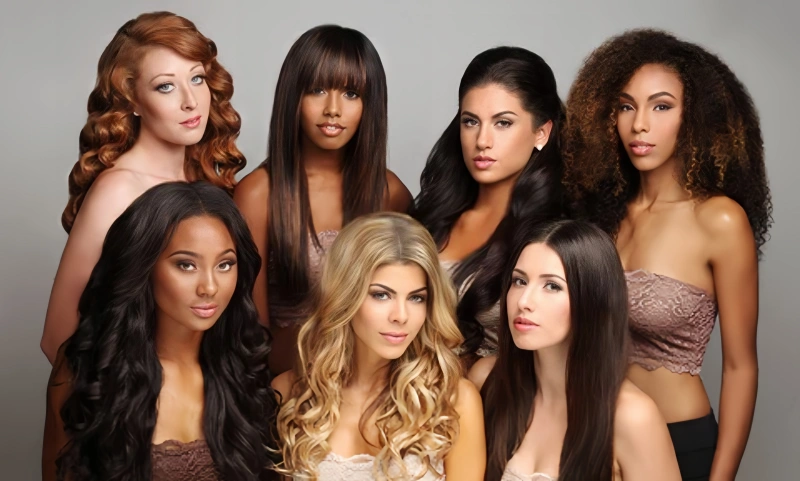
A hair bundle business can be very profitable, but you need to plan your startup costs and returns. You’ll spend money on business registration, website setup, and marketing. The average startup capital is around $73,500, with $25,000 for inventory and $15,000 for your website.
Most businesses break even in about 25 months. You need a cash buffer to cover expenses until you start making a profit.
Startup costs include registration, website, and marketing.
Projected revenue depends on monthly sales and order value.
Break-even analysis helps you know when you’ll start earning.
If you want to keep costs low, you can start with preorders or dropshipping. Alpha supports new entrepreneurs with low minimum order quantities and expert advice.
Hair Care Product Line

Launching a hair care product line takes research and planning. You need to find gaps in the market and create products that solve real problems. Work with manufacturers to develop unique formulas that match your brand values. Design packaging that stands out and attracts buyers.
Test your products to make sure they’re safe and effective. Build your brand identity and connect with customers online. Keep improving your products based on feedback.
Key Factor | Description |
|---|---|
Market Research | Find gaps and opportunities in the hair care industry. |
Formulation Development | Create unique formulas with trusted manufacturers. |
Packaging Design | Make packaging that reflects your brand and draws attention. |
Product Testing | Test for safety, stability, and results. |
Marketing Strategies | Build a strong brand and online presence to engage your audience. |
Continuous Improvement | Listen to feedback and adapt to changing needs. |
Alpha offers full customization support, so you can create products that fit your vision. You get help with building your brand, packaging, and product development.
Tip: Pick a niche that matches your passion and market demand. Use Alpha’s expertise to create products that stand out in the hair industry.
You can start your hair business in any of these niches. Focus on trends, profit margins, and your personal interests. With the right strategy and support, you can build a successful hair and beauty business and grow fast.
Hair Business Plan

A strong business plan sets you up for success in the hair business. You do not need a 50-page document. You just need a clear roadmap that helps you stay focused and make smart decisions.
Lean Business Plan
You can keep your business plan simple and effective. Here’s a quick way to organize your planning:
Define your business model.
Calculate your startup costs.
Secure funding if needed.
Handle legal requirements.
Source your hair products and equipment.
Set up daily operations.
Launch your marketing strategy.
Plan for scaling and future growth.
This approach saves time and helps you adapt as your brand grows.
Setting Goals
Setting clear goals keeps your hair business on track. Use both short-term and long-term targets to measure progress. Here are some examples:
Goal Type | Example Goal |
|---|---|
Short-term Goal | Grow new clients by 5% each month. |
Long-term Goal | Build a strong brand presence in your market. |
Short-term Goal | Launch a loyalty program to boost client retention by 10% in six months. |
Long-term Goal | Maintain high client rebooking rates with ongoing engagement. |
Budgeting & Projections
Good planning means knowing your numbers. Start by gathering info about your business, your target clients, and your expected sales. Make rough estimates for revenue and expenses. Figure out how many clients you expect and what they will spend.
Calculate the cost of goods sold for your hair services or products. Estimate your fixed and variable costs. Prepare simple financial statements and test your assumptions. Scenario analysis helps you see how changes might affect your business.
Startup Costs
The cost to start a hair business depends on your model. Here’s a quick look at average startup costs:
Business Type | Average Startup Cost |
|---|---|
Small Studio Salon | Under $10,000 |
Large Upscale Salon | $200,000 or more |
Existing Salon Purchase | Around $62,000 |
Hair Care Product Line | $42,000 |
Low-End Hair Care Launch | Under $15,000 |
You can start small and grow as your brand gets stronger.
Salon Business Worth
Salon business models vary in profitability. Traditional salons average about 8% profit margins. Most income comes from services, but you can boost profits by increasing retail sales. Salon suites often offer higher profits and less complexity. Some owners even earn passive income by renting out space.
Tip: Focus on a lean business plan and set clear goals. This helps you manage costs and grow your hair business with confidence.
Product Sourcing for Hair Business
Sourcing quality products is the backbone of your hair business. You want to offer the best hair to your customers, so you need to choose the right sourcing method and supplier. Alpha stands out for its commitment to ethical sourcing, strict quality control, and full customization support for new brands and salons.
Inventory vs Dropshipping
You have two main options for sourcing quality products: holding inventory or dropshipping. Each method has pros and cons.
If you hold inventory, you need storage space and upfront cash. You risk unsold stock if demand drops.
Dropshipping lets you avoid storage costs and big investments, but you may face low margins and supplier issues.
Here’s a quick look:
Advantages of Dropshipping | Disadvantages of Dropshipping |
|---|---|
Low inventory costs | Low margins |
Reduced business expenses | Supplier problems |
Increased product selection | Supply chain issues |
Dropshipping Hair Products
Dropshipping can help you start your hair business with less risk. You don’t need to buy products upfront. Most dropshippers aim for a 30% profit margin after expenses. Delivery times may be longer if you source hair internationally, but synthetic options ship faster.
Sourcing quality products from trusted suppliers is key to keeping customers happy.
Supplier Selection & Quality
Choosing the right supplier makes or breaks your business. Look for reliability, consistency, and clear communication. Suppliers should have quality certifications and offer customization for your brand.
Always check their reputation and request samples before you commit. Alpha’s OEM/ODM solutions help you stand out with unique products and packaging.
Criteria | Description |
|---|---|
Reliability | Proven history of on-time delivery |
Consistency | Steady inventory and client satisfaction |
Communication | Fast, clear responses |
Quality | Certifications and positive reviews |
Customization | Options for packaging, labeling, and design |
Hair Origins & Types
You want to offer hair that matches your clients’ needs. Popular origins include Indian, Brazilian, Peruvian, Malaysian, and Russian. Each type has unique qualities and blends with different hair textures.
Hair Type | Characteristics | Blending Suitability |
|---|---|---|
Indian Virgin Hair | Light, bouncy, versatile | Most hair textures |
Brazilian Virgin Hair | Soft, thick, holds curls well | Relaxed and natural hair |
Russian Virgin Hair | Silky, fine, rich texture | Sleek straight looks |
Branding Products
Effective branding sets your hair business apart. Brands like Only Curls succeed by focusing on specific needs and building loyal communities. When you address your customers’ unique hair concerns and create inclusive products, you build trust and grow your business.
Sourcing quality products and customizing your packaging helps your brand shine.
Tip: Always verify suppliers and request samples before launching new products. Alpha’s expert support and customization options make sourcing quality products easy for any hair business.
Legal & Financial Setup for Business
Getting your legal and financial setup right is one of the most important legal steps to start a hair business. You want to protect your brand, stay compliant, and make money flow smoothly.
Business Structure
Choosing the right structure shapes your business from day one. Here’s a quick look at common options:
Business Structure | Description | Legal Implications |
|---|---|---|
Sole Proprietorship | One owner, easy to start | You’re personally responsible for debts and obligations |
Limited Liability Company | Hybrid protects your assets | Shields personal assets, offers pass-through taxation |
Corporation | Separate legal entity | Maximum protection, more rules and taxes |
Partnership | Two or more owners | Partners share profits, losses, and liabilities |
Most new hair entrepreneurs pick an LLC for flexibility and protection.
Registration & Licenses
You need to follow the legal steps to start a hair business in your area. Here’s what you should look for:
Business license from your city or county
State-level cosmetology license
Health department approval
Zoning compliance for your location
Retail license if you sell products
Check your local rules, since requirements can change by state.
Salon License
If you plan to open a salon, you’ll need to:
Research your state and local rules
Register your business entity and name
Complete applications and pay fees
Pass health and safety inspections
Display your licenses in your salon
Tip: Always keep your licenses up to date and visible to clients.
Insurance & Compliance
Insurance keeps your brand safe from surprises. Here are the main types:
Insurance Type | What It Covers |
|---|---|
General Liability | Injuries or property damage |
Professional Liability | Mistakes during services |
Product Liability | Issues from products you sell |
Property Insurance | Damage to your salon or equipment |
Workers’ Compensation | Employee injuries |
Banking & Accounting
Open a business bank account to keep your money organized. Use accounting software to track income and expenses. Save receipts, reconcile your accounts monthly, and run reports like profit and loss statements. This helps you see how your hair business is doing and keeps you ready for tax time.
Stripe Atlas Setup
Stripe Atlas makes it easy to set up your business online. You can incorporate as a C-Corp in Delaware, open a U.S. bank account, and access helpful services. Many hair entrepreneurs use Stripe Atlas to launch their brand quickly and handle payments from anywhere.
Getting your legal and financial setup right gives your business a strong foundation. Take these steps early so you can focus on growing your hair brand.
Online Presence for Hair Business
Building your online presence gives your hair business a real boost. You reach more clients, show off your brand, and make it easy for people to buy from you. Let’s break down the steps for setting up your online store and making your business stand out.
How to Create a Website for a Hair Business?
You want your website to look professional and feel welcoming. Start by defining your brand and target audience. Create a user-friendly layout so visitors can find what they need fast. Add engaging elements like before-and-after photos or client testimonials. Pick a platform that fits your needs. Many business owners say,
“Having that website really legitimizes the business on top of the business license and the LLCs and everything else that comes along with it.”
Your website helps clients book appointments and learn about your hair services, even when you’re not online.
Online Store Setup
Setting up your online store is easier than ever. Shopify works well for most hair businesses because it’s simple and packed with features. You can also try Magento if you expect lots of traffic or want more flexibility.
Shopify lets you connect with Mangomint, so your inventory stays updated across your online and physical stores. Choose a platform that matches your brand goals and makes shopping smooth for your clients.
Product Listings
Great product listings turn visitors into buyers. Here’s what you need:
Trust signals, reviews, and social proof
High-quality product images and videos
Clear benefits explanations
How-to guides for using your hair products
Content that solves customer problems
Show off your hair products with sharp photos and honest reviews. Explain how your products help and make it easy for shoppers to understand what sets your business apart.
How to Make a Logo for a Hair Business?
Your logo is the face of your brand. Keep it simple and memorable. Use colors and shapes that match your hair business style. You can design your own logo with free tools or hire a designer for a custom look. Make sure your logo looks good on your website, social media, and packaging.
Business Name
Pick a business name that’s easy to remember and fits your brand. Check if the name is available online and on social media. Your business name should reflect your hair expertise and attract your target audience. A strong name helps you stand out when setting up your online store and building your reputation.
Tip: Your online presence is your digital storefront. Invest time in your website, product listings, and branding to grow your hair business fast.
Hair Business Marketing Strategies
Advertising Your Hair Business
You want your hair business to stand out. Start by developing a marketing strategy that uses eye-catching visuals. Alpha’s product photos and quality stories grab attention and show what makes your brand unique. Use digital marketing tools to boost your visibility.
Share before-and-after shots, customer transformations, and packaging details. These images help market your products and build trust with new clients. When you advertise, focus on what makes your hair solutions different. Highlight your expertise and the benefits customers get.
Social Media & Influencers
Social media changes how you connect with clients. Platforms like Instagram and TikTok let you share videos, tutorials, and reviews. Developing a marketing strategy for social media means posting regularly and engaging with followers. Partner with influencers who match your brand values.
They can show off your hair products and reach new audiences. Host live streaming events to answer questions and show your products in action. Use hashtags and trends to get noticed.
Social proof matters, so share authentic customer testimonials from Alpha’s global clientele. These reviews show real results and help build credibility.
Email & SEO
Email marketing keeps your audience engaged. Send tailored campaigns based on what your clients like. Offer personalized product recommendations and updates about new hair launches. Developing a marketing strategy for email means segmenting your list and sending messages that matter.
SEO helps people find your business online. Use keywords in your website content and product descriptions. Write blog posts that answer common questions about hair care. This approach brings more visitors and helps you market your products to the right people.
Brand Identity & Customer Experience
Your brand identity sets you apart. Focus on developing a marketing strategy that highlights your story and values. Use Alpha’s quality visuals and customer feedback to show what makes your business special. Create a loyalty program to reward repeat buyers.
Offer virtual try-on experiences so clients can see how hair extensions look before they buy. Listen to customer feedback and keep improving your service. When you deliver a great experience, people come back and tell their friends.
Tip: Use authentic reviews and testimonials to build trust. Show real results and answer common questions. This helps new clients feel confident about choosing your hair business.
Leveraging Tools & Automation in Business
AI for Operations & Marketing
You want your hair business to run smoothly and grow fast. AI tools help you save time and make smarter decisions. You can use chatbots to answer customer questions on your website. AI can also help you create social media posts and ads that match your brand style.
Some tools even analyze customer feedback and suggest ways to improve your products. If you want to boost your marketing, try AI-powered email campaigns. These tools send messages at the best times and suggest products your clients might like.
Tip: Start with free AI tools to test what works for your brand. You can upgrade later as your business grows.
Inventory Management Tools
Managing inventory can get tricky, especially when you offer many hair products. Inventory management tools track your stock and alert you when supplies run low. You can see which products sell best and plan your next order. Some tools connect with your online store, so you never oversell or run out.
If you want to keep your business organized, use software that updates your inventory in real time. This helps you avoid mistakes and keeps your customers happy.
Tool Name | Main Feature | Best For |
|---|---|---|
Shopify | Real-time tracking | Online hair businesses |
Square | Simple setup | Small brands |
TradeGecko | Multi-channel sales | Growing businesses |
Stripe Atlas & Payments
Getting paid should be easy for you and your clients. Stripe Atlas helps you set up your business and accept payments from anywhere. You can create a secure account and manage your money online. Stripe works with many currencies, so you can sell hair products to customers around the world.
The platform also sends automatic receipts and tracks your sales. If you want to expand your brand, Stripe Atlas makes it simple to handle payments and grow your business.
Note: Reliable payment tools help you build trust with your clients and keep your hair business running smoothly.
Scaling Your Hair Business
Ready to take your hair business to the next level? Scaling your business means you grow faster, reach more clients, and boost your profits. Let’s break down how you can scale and optimize every part of your brand.
Expanding Products & Services
You can add new hair products or offer fresh services. Try launching a new line of extensions or start selling hair care kits. Offer styling classes or bundle services for special occasions. When you expand, you attract new customers and keep loyal ones coming back.
Tip: Alpha supports you with stable supply and low MOQs, so you can test new products without big risks.
Automating & Reinvesting
Automation saves you time. Use booking apps, inventory tools, and automatic emails. These tools help you focus on clients instead of paperwork. Reinvest your profits into marketing, better equipment, or training. Small upgrades make a big difference as you scale and optimize your business.
Data-Driven Growth
Track your sales, customer feedback, and website visits. Use simple dashboards or spreadsheets. When you spot trends, you can adjust your strategy fast. Data helps you see what works and what needs improvement. This keeps your brand moving forward.
Metric | Why It Matters |
|---|---|
Sales Growth | Shows business success |
Client Reviews | Builds trust |
Website Visits | Measures online reach |
Wholesale & Franchising
Want to reach more markets? Try wholesale or franchising. Sell your hair products to other salons or beauty stores. You can also open new locations under your brand name. Alpha offers expert consultation to help you scale and optimize your business model.
Growing Your Salon
If you run a salon, you can hire more stylists, add new chairs, or offer extra services. Host events or partner with local influencers. Keep your space fresh and welcoming. Growth comes from happy clients and a strong team.
Scaling your business is all about smart moves and steady progress. Use Alpha’s support to expand, automate, and grow your hair brand with confidence.
Launching a Hair Business with Minimal Capital
Creative Startup Ideas
You want to launch your hair business, but worry about money. You can get creative and use resources you already have. Try offering mobile hair services or pop-up styling events in your neighborhood. You can team up with local influencers for joint promotions.
Use free online tools to design your brand logo and create marketing materials. You can even host virtual consultations to reach clients outside your area.
Tip: You can build your brand by sharing your story and showing real results. People love seeing before-and-after photos.
Dropshipping & Preorders
You can start selling hair online without buying inventory upfront. Dropshipping lets you list products and only pay when you make a sale. Preorders work well if you want to test new products. You collect orders first, then place a bulk order with your supplier. This method helps you avoid risk and manage cash flow.
Alpha supports new entrepreneurs with low minimum order quantities, so you can launch your business with confidence.
Method | Upfront Cost | Risk Level | Best For |
|---|---|---|---|
Dropshipping | Low | Low | Starting a business with no money |
Preorders | Low | Low | Testing new hair products |
Organic Marketing
You do not need a big budget for marketing. You can use social media to share tips, tutorials, and customer reviews. Post regularly and engage with your followers. You can join local Facebook groups or beauty forums to connect with potential clients. Ask happy customers to share their experiences and tag your brand.
Use hashtags to reach a wider audience. Organic marketing helps you grow your business and build trust.
Starting at Home
You can launch your hair business from home. Set up a small workspace for styling or packaging. Use your living room for consultations or product demos. You can start small and expand as your brand grows. Many successful entrepreneurs began at home and scaled up over time.
Focus on delivering great service and building relationships with your clients.
Starting at home keeps costs low and lets you learn as you grow. You can start selling hair online and build your brand step by step. 🚀
Conclusion
You can start your hair business with confidence. Follow these steps: pick your niche, create a lean plan, source quality products, and build your online presence. Use smart tools and keep learning. Alpha gives you expert support and resources to help you grow fast. Stay flexible, watch trends, and take action today. 🚀
FAQ
How much money do I need to start a hair business?
You can start with less than $500. Many people launch with dropshipping or preorders to keep costs low. You do not need a fancy salon or big inventory. Focus on building your brand and finding quality suppliers.
Do I need a license to sell hair products online?
Most states do not require a special license for selling online. You should register your business and check local rules. If you offer services, you may need a cosmetology license. Always stay compliant with your area’s laws.
What is the best way to find reliable suppliers?
Ask for samples before you buy. Check reviews and look for suppliers with strong reputations. Brands like Alpha offer expert support and customization. Reliable suppliers help you deliver quality products and grow your business.
Can I run my hair business from home?
Yes, you can start at home. Set up a small workspace for packaging or styling. Many successful entrepreneurs begin this way. Use social media and online tools to reach clients and build your brand.
How do I attract customers to my new hair business?
Share before-and-after photos and customer reviews. Use social media to post tips and tutorials. Partner with influencers or run local promotions. Engage with your audience and show what makes your business unique.