
Hair extensions are crafted from either human hair or synthetic fibers, each offering unique benefits and characteristics. Human hair extensions provide a natural look, can be styled with heat tools, and last longer with proper care. Synthetic extensions are more affordable, maintain their style, and require less maintenance, but may have limited versatility.
Understanding the materials used in hair extensions helps you choose the right type for your style, lifestyle, and budget. Quality, durability, and texture vary between products, so knowing the source of the hair and the production method ensures you get extensions that blend seamlessly with your natural hair.
What are Hair Extensions?
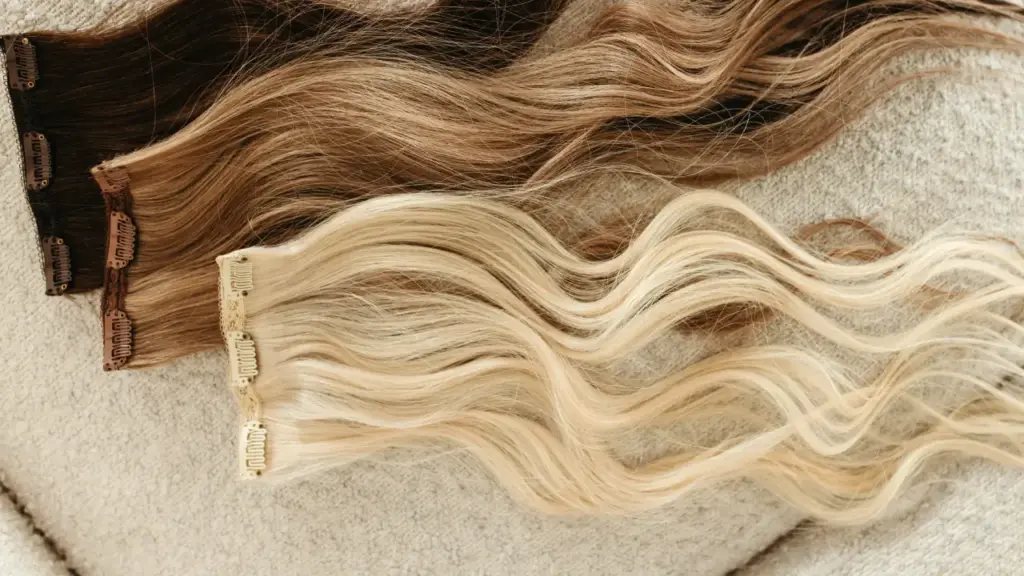
Hair extensions are strands of hair that are added to your natural hair to enhance length, volume, and overall style. They come in various forms, including clip-in, tape-in, sew-in, keratin, and weft extensions, allowing for temporary or long-term use depending on your needs and lifestyle.
Extensions can be made from human hair or high-quality synthetic fibers. Human hair extensions provide a natural look and can be styled with heat tools, while synthetic options are more affordable and maintain their shape without much maintenance. Choosing the right type ensures seamless blending and a flawless appearance.
What are Hair Extensions Made of?
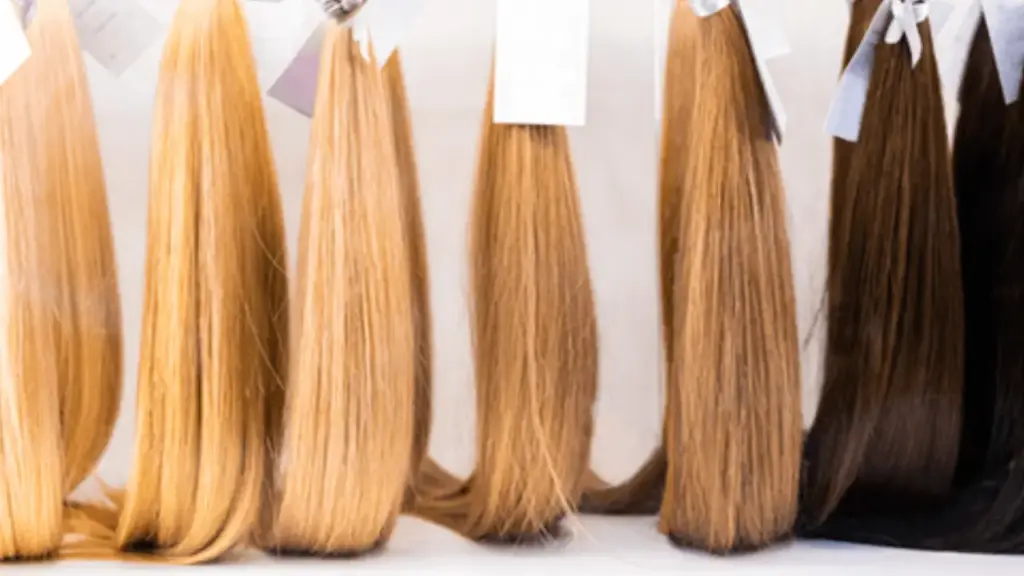
Hair extensions are made from either human hair or synthetic fibers, each offering unique benefits. Human hair provides a natural look and styling flexibility, while synthetic hair is affordable and retains its style easily. Understanding the differences in material, quality, and maintenance helps you choose the best extensions for your hair type and desired look.
Human Hair Extensions
Human hair extensions are sourced from real donors, offering the most natural appearance and feel. They can be colored, curled, straightened, and styled just like your own hair, making them versatile for everyday wear or special occasions.
Human hair, such as Remy hair, maintains the cuticle layer intact, preventing tangling and ensuring durability. With proper care, these extensions can last several months, blending seamlessly with natural hair and providing long-term value.
Human hair extensions require regular maintenance, including gentle washing, conditioning, and heat styling precautions. Proper care preserves softness, shine, and longevity, making them ideal for individuals seeking premium, natural-looking, and flexible styling options.
Synthetic Hair Extensions
Synthetic hair extensions are made from man-made fibers like Kanekalon or Toyokalon. They are more affordable than human hair and come pre-styled, holding curls or waves without heat. Synthetic extensions are ideal for temporary looks or costume purposes.
They are lightweight and resistant to frizz, but they cannot withstand high heat styling. Unlike human hair, synthetic extensions have a shorter lifespan and require careful handling to avoid tangling or matting.
Synthetic extensions are perfect for individuals seeking vibrant colors, fun styles, or short-term transformations. They offer low-maintenance styling but may need replacement more often than human hair extensions due to wear and limited styling versatility.
Comparison Chart of Hair Extension Materials
| Feature | Human Hair Extensions | Synthetic Hair Extensions |
|---|---|---|
| Source | Real human hair | Man-made fibers |
| Styling | Heat-friendly, versatile | Limited heat, pre-styled |
| Lifespan | 6–12 months (with care) | 1–3 months |
| Appearance | Natural, blends seamlessly | Can appear shiny or less natural |
| Cost | Higher | Lower |
| Maintenance | Moderate to high | Low |
What Are Synthetic Hair Extensions Made Of?
Synthetic hair extensions are made from man-made fibers such as Kanekalon, Toyokalon, or other polymer-based materials. They are designed to mimic the appearance and texture of natural hair. Lightweight and pre-styled, synthetic extensions are affordable and convenient, making them ideal for temporary looks, creative colors, or short-term style transformations without the need for extensive maintenance.
- Material Composition: We use high-quality synthetic fibers like Kanekalon and Toyokalon, which are soft, lightweight, and tangle-resistant. These fibers are engineered to resemble natural hair while offering durability, shine, and a consistent texture, making them suitable for everyday wear or costume purposes.
- Styling Limitations: We pre-style synthetic hair extensions to hold curls, waves, or straight styles without the need for heat. However, excessive heat can damage fibers, so careful handling is required. They are ideal for short-term styling or experimenting with bold colors.
- Maintenance Requirements: We recommend gentle washing with mild shampoos and avoiding harsh chemicals. Synthetic extensions require minimal upkeep compared to human hair, but proper care prevents tangling, matting, and frizz. They are convenient for quick styling and easy removal while maintaining their original shape.
- Uses and Benefits: We provide synthetic extensions for temporary volume, length, or color experimentation. They are cost-effective, lightweight, and easy to attach and remove. Perfect for events, cosplay, or short-term style changes, synthetic extensions allow creative freedom without long-term commitment or investment.
What Are Microbeads for Hair Extensions Made Of?
Microbeads for hair extensions are small, cylindrical beads used to attach extensions without heat or glue. They are typically made from aluminum, copper, or silicone-coated metals to ensure durability, flexibility, and a secure hold. Microbeads allow for a reusable, damage-free extension method, making them ideal for adding length, volume, and color to natural hair safely.
- Material Composition: We craft microbeads from aluminum or copper, often coated with silicone for smoothness. This ensures the beads are lightweight, durable, and gentle on natural hair while securely holding the extensions in place without slipping or causing breakage.
- Attachment Method: We use microbeads to clamp small sections of natural hair along with extension strands. The silicone lining prevents damage, allowing the extensions to slide into place easily. This method avoids heat or glue, reducing stress on natural hair while providing a secure hold.
- Maintenance and Reusability: We recommend regular brushing and careful washing to prevent bead slippage. Microbeads can be repositioned or reused multiple times with professional help, making them a long-lasting, cost-effective solution for maintaining volume and length without damaging your natural hair.
- Benefits and Applications: We use microbead extensions for a natural-looking, versatile hairstyle. They allow blending with your hair seamlessly, accommodate various lengths and textures, and provide a semi-permanent solution that can last several months with proper care, offering both convenience and style flexibility.
What Are Nano Hair Extensions Made Of?
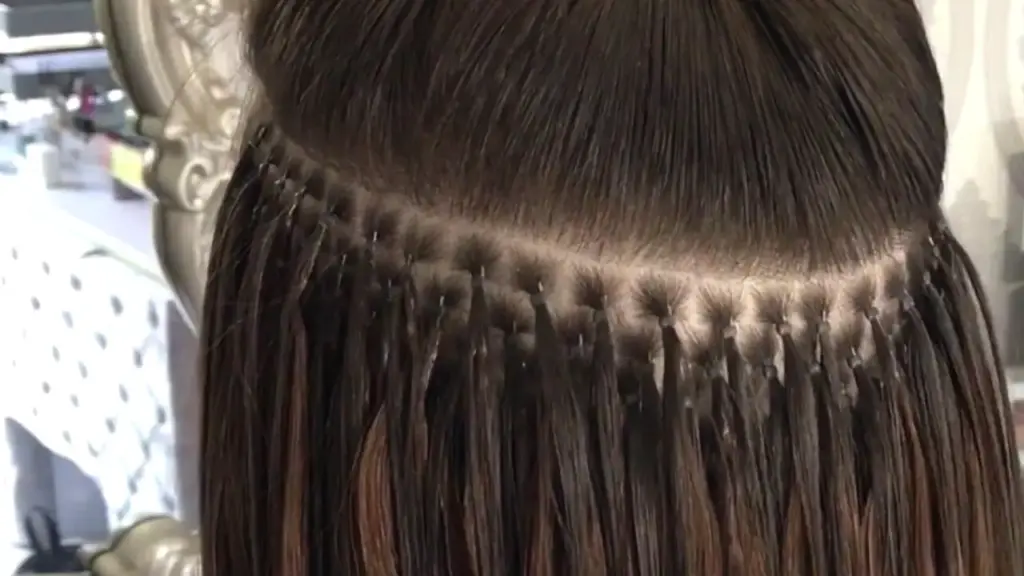
Nano hair extensions are premium, small-strand extensions designed for precise, natural-looking application. Each strand features a tiny nano ring or tip, usually made from hypoallergenic metals or silicone-coated materials, attached to high-quality human hair. These extensions provide discreet, secure, and damage-free length and volume, making them ideal for seamless blending with natural hair.
- Material Composition: We craft nano hair extensions using 100% human hair for a natural appearance and smooth texture. The nano rings or tips are typically made from aluminum or silicone-coated metals, ensuring durability, gentle attachment, and long-lasting hold without causing damage to natural hair.
- Application Method: We use nano rings or tips to attach each extension strand to a small section of natural hair. The silicone lining inside the rings protects hair from breakage, allowing the extensions to be clamped securely without heat, glue, or chemicals.
- Maintenance and Longevity: We recommend gentle washing, careful brushing, and avoiding excessive heat near the nano tips. With proper care, nano hair extensions remain tangle-free, soft, and secure for several months, providing long-lasting, natural-looking volume and length.
- Benefits and Uses: We use nano extensions for seamless volume, length, and color blending. Their small size allows discreet application close to the scalp, ideal for thin or fine hair. They are reusable, easy to style, and perfect for achieving a natural, salon-quality finish.
Synthetic Hair vs Human Hair
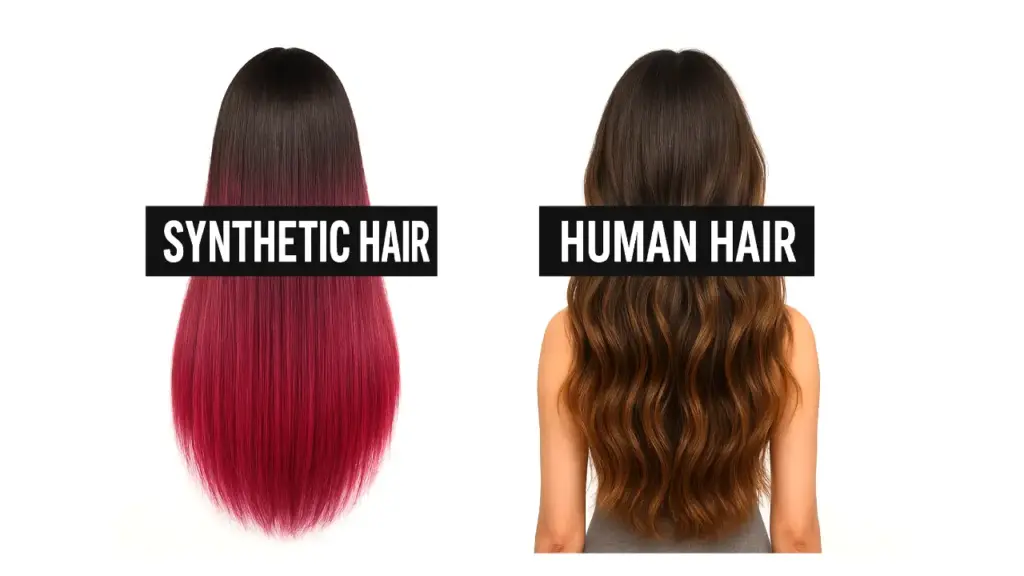
Choosing between synthetic and human hair extensions depends on your styling needs, budget, and maintenance preferences. Human hair offers natural texture, heat styling, and longer lifespan, while synthetic hair is affordable, lightweight, and pre-styled for convenience. Understanding key differences helps you select the right type for your desired look, lifestyle, and hair care routine.
Appearance
Human hair extensions look natural and blend seamlessly with your own hair. They can be dyed, curled, or straightened to match your style. Synthetic hair is designed to mimic natural hair but may appear shinier and less realistic, especially under bright light, making it less versatile for customization.
Styling Flexibility
Human hair extensions can be heat-styled, allowing for curls, waves, or straightening. Synthetic hair usually comes pre-styled and cannot withstand high heat, limiting flexibility. Human hair provides long-term styling options, whereas synthetic is better suited for temporary or low-maintenance looks.
Longevity
Human hair extensions last longer, typically 6–12 months with proper care. Synthetic extensions have a shorter lifespan, usually 1–3 months, and may lose shape or texture over time. Investing in human hair offers durability and repeated use, while synthetic is ideal for short-term style changes.
Maintenance
Human hair requires regular washing, conditioning, and gentle styling to maintain softness and shine. Synthetic hair is low-maintenance, requiring minimal washing and styling, but must avoid heat and harsh products to prevent tangling or damage.
Cost
Human hair extensions are more expensive due to sourcing, quality, and durability. Synthetic extensions are budget-friendly and accessible, making them ideal for those experimenting with color, volume, or temporary styles without a large investment.
Here are some differences between human hair and sythetic hair:
| Feature | Human Hair | Synthetic Hair |
|---|---|---|
| Appearance | Natural, blends seamlessly | Can appear shiny or artificial |
| Styling | Heat-friendly, versatile | Pre-styled, limited heat |
| Longevity | 6–12 months | 1–3 months |
| Maintenance | Moderate to high | Low |
| Cost | Higher | Lower |
Conclusion
Hair extensions are made from high-quality human hair or synthetic fibers, each serving different styling needs and budgets. Human hair extensions provide a natural, long-lasting look, while synthetic options are cost-effective and low-maintenance. Understanding the materials ensures you select extensions that complement your natural hair flawlessly.
Proper care and maintenance are essential for prolonging the life of your hair extensions. Gentle washing, detangling, and styling practices preserve softness, shine, and longevity. Choosing the right type based on your hair type and desired results will ensure a beautiful, natural finish every time.
For premium wholesale hair extensions, get them from Alphahair. We offer a wide range of types, lengths, and colors to suit every style. Our extensions are made from carefully sourced, high-quality human hair, ensuring durability, softness, and salon-quality results at competitive prices for retailers and stylists worldwide.