
Wondering what not to use on hair extensions? You need to watch out for ingredients to avoid, like sulfates, alcohols, heavy oils, silicones, talc, bleach, sticky styling products, normal bristle brushes, and sunscreen or tanning products.
These products to avoid can cause dryness, matting, breakage, build-up, discoloration, or weakened bonds. If you want healthy extensions, stick to hair extension care routines with proper care and extension-safe products.
Choosing gentle options keeps your hair extensions looking fresh and natural. When you know what not to use, your remy extensions stay soft and shiny, just like real human hair. Always check for harmful ingredients to avoid so your extensions last longer and feel amazing.
Key Takeaways
Avoid sulfates, parabens, and drying alcohols in hair products. These ingredients can strip moisture and lead to dryness and breakage.
Choose lightweight, sulfate-free shampoos and conditioners designed for hair extensions. This helps maintain softness and shine.
Use extension-safe brushes to prevent tugging and breakage. These brushes are gentle and help keep your extensions looking fresh.
Limit the use of heavy oils and sticky styling products. These can cause buildup and make your extensions look greasy.
Always read product labels to identify harmful ingredients. This ensures you select safe products that protect your hair extensions.
Sulfates, Parabens, Alcohols
Why Avoid These Ingredients?
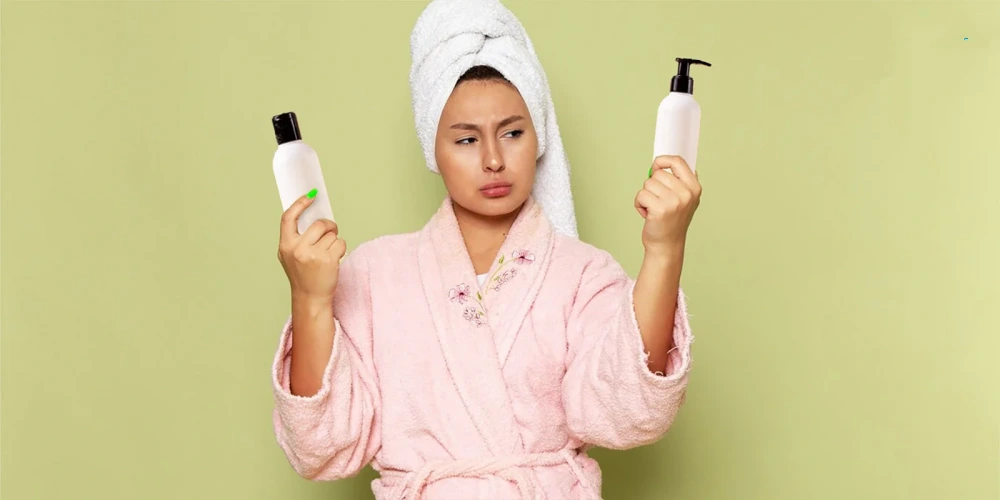
You want your hair extensions to look soft and last longer, right? Sulphates, parabens, and alcohols can ruin that goal. Sulphates strip away natural oils, leaving your hair dry and brittle. Parabens may block hair follicles and even mess with your hormones.
Alcohols, especially the drying types, can make extensions rough and prone to breakage. If you use shampoos or styling products with these ingredients, you might notice more tangling, dryness, and even scalp irritation.
Here’s a quick look at what these substances can do:
Substance | Negative Effects |
|---|---|
Parabens | Hormonal disruption, follicle blockage, and potential health risks |
Sulfates | Stripping natural oils, scalp sensitivity, weakened hair structure |
You might see these problems:
Dryness from sulphates
Breakage after repeated use
Scalp irritation and redness
Hormonal disruption from parabens
Identifying Harmful Ingredients
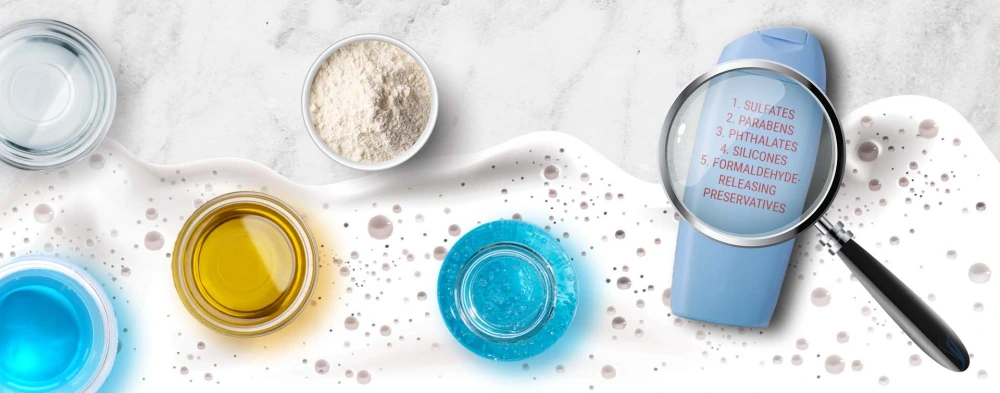
Spotting these ingredients on product labels is easier than you think. You should check for:
Sulphates: Look for words like Sodium Lauryl Sulfate or Sodium Laureth Sulfate.
Parabens: Watch for names ending in “paraben,” such as methylparaben or propylparaben.
Drying Alcohols: Avoid products that list isopropyl alcohol or ethanol near the top.
Sulfates lift the hair cuticle, which can cause dyed hair to fade and become frizzy. Parabens and drying alcohols can lead to color fading, hair loss, and brittle strands. Always read the label before you buy any shampoo or styling product for your extensions.
Alpha’s Sulfate-Free Shampoo for Hair Extensions
If you want to keep your extensions healthy, switch to sulphate-free shampoos. Alpha’s sulfate-free shampoo is a smart choice for anyone who wants gentle care. This shampoo helps your extensions stay soft, shiny, and easy to manage.
You’ll notice less tangling and dryness, and your bonds will stay strong. Here’s how Alpha’s sulfate-free shampoo helps:
Benefit | How It Helps Extensions |
|---|---|
Reduced Tangling | Less stress during brushing and styling |
Retained Moisture | Prevents dryness and breakage |
Bond Protection | Safer for attachment points |
Easier Detangling | Simplifies upkeep and reduces damage |
Alpha cares about safe, gentle formulas. You get a shampoo that protects your hair extensions and keeps them looking their best. Try sulphate-free shampoos from Alpha for a smooth, healthy look every day.
Heavy Products & Build-Up
Risks of Heavy Conditioners and Oils
You might think that using rich conditioners and oils will make your hair extensions look silky and smooth. In reality, heavy conditioners and oils can cause more harm than good. When you use oil-based or silicone-heavy products near the roots, you risk damaging the bonds that hold your extensions in place.
These ingredients can weigh down your hair, making it look greasy and lifeless. Build-up from thick conditioners can also lead to tangling and matting, which makes brushing a nightmare.
Here’s what professional stylists warn about heavy conditioners and oils:
They can loosen the attachment points of your extensions.
They often leave residue that attracts dirt and dust.
They may cause your extensions to slip or shed early.
Application Tips for Proper Care
You want your extensions to stay soft and manageable, so you need to apply conditioner the right way. Always choose a conditioner designed for hair extensions. Use a hairbrush made for extensions to avoid pulling or breaking strands.
Apply a gentle cleansing shampoo first, then follow with a hydrating conditioner. Never sleep with wet hair; braid your extensions or store them safely before bed. Avoid teasing or backcombing, since this can cause matting. Wash your extensions with cold water to help minimize tangling.
Tip: Focus conditioner on the mid-lengths and ends, not the roots. This keeps your bonds secure and your hair looking fresh.
Lightweight Alternatives for Hair Extensions
You don’t have to give up on conditioner altogether. Experts recommend lightweight products that hydrate without causing build-up. Try options like Alpha Shampoo & Conditioner or Iles Formula Shampoo & Conditioner. These keep your extensions silky and shiny.
If you want extra smoothness, use Wella Professionals Oil Reflections Light Luminous Reflective Oil. For styling, Living Proof’s Full Dry Volume and Texture Spray gives a soft hold and heat protection without heaviness.
Iles Formula Finishing Serum seals in moisture and adds shine, while Iles Formula Curl Revive Serum defines curls and protects against heat.
Product Name | Benefit for Extensions |
|---|---|
Kevin Murphy Maxi Wash | Detoxifies without stripping |
Iles Formula Finishing Serum | Adds shine, seals in moisture |
Wella Professionals Oil Reflections Light Oil | Smooths and softens |
Living Proof Full Dry Volume Spray | Soft hold, heat protection |
Choosing lightweight conditioners and serums helps you avoid build-up and keeps your hair extensions looking natural and healthy.
Silicones & Sticky Styling Products
Effects on Moisture and Manageability
You want your hair extensions to stay soft and easy to style. Silicones and sticky styling products can make that tough. Silicones create a barrier that locks in moisture, which sounds good at first. Over time, though, this barrier can trap dirt and product residue.
Sticky sprays and gels often leave behind a film that weighs down your hair. You might notice your extensions feel heavy or look dull. If you use these products too often, you could end up with tangles and stubborn buildup.
Here’s what works better for manageability and moisture:
Choose lightweight, sulfate-free, and alcohol-free formulas made for hair extensions.
Try light mousses for volume without stickiness.
Use fine mist hairsprays to tame flyaways without leaving residue.
A humidity-resistant serum helps fight frizz and seals the cuticle.
Tip: Less is more. Using fewer products keeps your extensions looking fresh and natural.
Identifying Silicones in Hair Extension Care
You can spot silicones in hair care products if you know what to look for. Many ingredients end in “-cone,” “-conol,” “-silane,” or “-siloxane.” Common silicones include:
Dimethicone
Cyclopentasiloxane
Dimethiconol
Phenyl Trimethicone
Amodimethicone
Cyclomethicone
If you see these names on the label, the product contains silicones. Here’s a quick checklist:
How to Identify Silicones | Example Ingredients |
|---|---|
Ends in “-cone.” | Dimethicone |
Ends in “-conol.” | Dimethiconol |
Ends in “-silane” or “-siloxane.” | Cyclopentasiloxane |
Reading ingredient lists helps you avoid unwanted buildup and keeps your extensions healthy.
Alpha’s Silicone-Free Options
You want products that care for your scalp and extensions. Alpha’s silicone-free hair care options make maintenance easy. These formulas promote scalp health, so you don’t have to worry about sensitivity or itchiness.
Silicone-free products wash out easily, which means less buildup and cleaner hair follicles. If you color your extensions, you’ll love how these options help maintain vibrancy and shine.
Here’s why Alpha’s silicone-free products stand out:
Promote scalp health and comfort
Reduce product buildup for easier washing
Gentle on color-treated hair, preserving vibrancy
Choosing Alpha’s silicone-free solutions helps you keep your hair extensions soft, manageable, and beautiful day after day.
Talc in Dry Shampoos
Build-Up and Scalp Issues
You might reach for dry shampoo when you want to refresh your hair quickly. Many dry shampoos contain talc, which can seem harmless at first. If you use these products often, you may notice your scalp feels itchy or uncomfortable. Talc-based formulas can leave behind a powdery residue that builds up over time.
This build-up can make your hair extensions look dull and feel heavy. You may even find it harder to style your extensions because of the extra product sitting on your scalp.
Overusing dry shampoo, especially those with talc, can lead to scalp irritation. While scientists haven’t found a direct link between talc and scalp problems, they do know that too much product can cause itching and sometimes folliculitis.
You want your extensions to stay clean and healthy, so it’s smart to avoid anything that could clog your scalp or weigh down your hair.
Tip: If you notice flakes or a gritty feeling after using dry shampoo, it’s probably time to switch to a gentler, talc-free option.
Talc-Free Dry Shampoo for Proper Care
You don’t have to give up dry shampoo to keep your hair extensions looking fresh. Talc-free dry shampoos offer a safer way to refresh your hair between washes. These formulas absorb oil and add volume without leaving behind heavy residue. You get clean, bouncy hair that’s easy to style and feels comfortable all day.
Here’s why talc-free dry shampoos work so well for extensions:
Refresh your hair quickly, saving time on busy mornings.
Help maintain hair health by reducing how often you need to wash.
Boost volume, making your extensions look fuller and more natural.
Make styling easier by adding texture and grip.
If you want a product designed for hair extensions, try Seafresh Dry Shampoo. This keratin-infused, talc-free formula gently absorbs oil and impurities. It adds volume and texture while protecting the integrity of your extensions. Seafresh works for all hair types and is free from sulfates and parabens.
You can trust it to keep your hair looking vibrant and feeling light.
Choosing talc-free dry shampoo helps you avoid scalp issues and keeps your extensions in top shape. Your hair will thank you for the switch!
Bleach & Harsh Chemicals
Damage to Remy Hair Extensions
You might want to change the color of your remy hair extensions, but bleach and harsh chemicals can cause serious problems. When you use bleach, you risk damaging the structure of human hair. Laboratory studies show that bleach leads to protein loss, cuticle damage, and oxidation.
You can see the effects in the table below:
Damage Type | Description |
|---|---|
Protein Loss | Increased leaching of proteins, including those from the cuticle and cortex. |
Cuticle Damage | Significant damage to cuticle layers and cortex, with melanin granule loss. |
Protein Oxidation | Oxidation targets cystine disulfide bonds in the cortex. |
Porous Cortex | Holes form in the cortex, causing moisture absorption and swelling. |
Cuticle Separation | Cuticle cells break and separate, sometimes leading to complete cuticle loss. |
Structural Weakness | Voids in the cortex weaken hair fibers, making breakage more likely. |
If you use bleach or strong chemicals on remy extensions, you may notice dryness, split ends, and even shedding. The cuticle layer of human hair is delicate. Once it breaks down, your extensions lose shine and strength. You want your remy extensions to last, so it’s best to avoid harsh treatments.
Tip: Bleach can make human hair extensions look dull and feel rough. You should always choose gentle methods to keep your Remy extensions healthy.
Safer Coloring Methods
You don’t have to give up on color. You just need to use safer methods for your remy hair extensions. Here’s how you can color human extensions without causing damage:
Use professional semi-permanent or demi-permanent colors. These keep your remy extensions shiny.
Only darken, never lighten. Bleaching weakens human hair.
Always do a strand test first. This helps you see how the color reacts.
Color extensions before installing them. This protects the bonds.
Stay within two shades of the base color. This prevents over-processing.
Pre-wash extensions with sulfate-free shampoo. This helps color absorb evenly.
Flip extensions to color both sides. You want full coverage.
Brush color onto hair in the direction of the cuticle. This keeps Remy hair smooth.
Remove all tape from tape-in extensions before coloring. This protects the adhesive.
Use sulfate-free, color-safe shampoo and conditioner on colored extensions. This keeps human hair vibrant.
If you follow these steps, you can enjoy beautiful color without risking the health of your remy hair extensions. You get the look you want and keep your human extensions soft and strong.
Sunscreen & Tanning Products
Harmful Ingredients to Hair Extensions
You might love spending time in the sun, but sunscreen and tanning products can cause trouble for your hair extensions. Some ingredients in these products do more harm than good.
When sunscreen touches your hair, you may notice dryness, greasy residue, or even strange color changes. Certain chemicals can weaken your extensions and make them look dull.
Here are some ingredients you should watch out for:
Avobenzone can disrupt hormones and damage hair extensions.
Oxybenzone may block UV rays, but it can also trigger allergies and harm your hair.
Homosalate, octinoxate, octocylene, and octisalate can all lead to damage or color fading.
These chemicals strip natural oils, leaving your hair brittle.
Greasy residue from sunscreen attracts dirt and causes tangling.
Some ingredients interact with hair dye, leading to uneven tones or fading.
Extensions can lose strength and shine when exposed to harsh sunscreen chemicals.
Tip: If you notice your hair feels sticky or looks faded after using sunscreen, check the product label for these ingredients.
Protection Tips for Proper Care
You can still enjoy sunny days without risking your hair extensions. Hair professionals suggest using mineral sunscreens with zinc oxide or titanium dioxide. These sit on top of your skin and do not react with your hair. You can also protect your extensions by following a few simple steps.
Protective Measure | Description |
|---|---|
Avoid Direct Application | Rub sunscreen onto your skin with your hands, keeping it away from your hair. |
Use Protective Accessories | Wear hats, scarves, or wraps to shield your hair from UV rays. |
Pre-Treatment | Apply a leave-in conditioner or hair oil before sun exposure. |
Choose Cream or Lotion Formulations | Pick creams or lotions to control where sunscreen goes. |
Use Physical Sunscreens | Select products with zinc oxide or titanium dioxide for safer protection. |
You can also style your hair in a braid or top knot before applying sunscreen. Try using a sponge or brush to keep sunscreen away from your hairline. Rinse your hair thoroughly after sun exposure to remove any residue. Avoid sun creams with alcohol or silicones, since these can dry out your extensions and fade color.
Note: A little planning helps your hair extensions stay soft, shiny, and beautiful all summer long.
Brushes & Tools for Hair Extension Care
Avoiding Normal Bristle Brushes
You might think any brush will work for your hair extensions, but that’s not true. Regular brushes, especially those with plastic or nylon bristles, can cause a lot of problems. When you use these brushes, you risk tugging and breaking your extensions.
The rough bristles pull too hard on the delicate bonds, which can make tape-ins or keratin extensions fall out. Plastic ball tips often snag on the wefts, leading to knots and matting. Cheap brushes also create static and frizz, so your extensions look dry and tangled.
If you have synthetic extensions, a regular brush can break the fibers and leave your hair looking frizzy and unnatural.
Standard plastic or nylon bristle brushes cause tugging, breakage, and shedding.
Rough bristles pull on bonds, loosening or causing extensions to fall out.
Plastic ball tips snag wefts, leading to knots and matting.
Cheap brushes create static and frizz, making extensions appear dry.
Regular brushes break synthetic fibers, resulting in a frizzy look.
Tip: Always check your brush before using it on extensions. If it feels rough or pulls, it’s time to switch.
Extension-Safe Brushes
You want your hair to stay smooth and last as long as possible. Extension-safe brushes make a big difference. These brushes have soft, flexible bristles that glide through your hair gently. The loop design helps detangle without pulling or snagging, so you don’t have to worry about shedding or breakage.
Widely spaced bristles let you brush pain-free and keep your extensions looking fresh. When you use the right brush, you protect the bonds and keep your hair extensions soft and shiny. Extension-safe brushes help you avoid damage and make daily care easier.
Note: Investing in a quality extension-safe brush means you spend less time detangling and more time enjoying beautiful hair.
Daily Hair Extension Care Tips
Taking care of your hair extensions every day keeps them looking beautiful and helps them last longer. With the right hair extension care routine, you can enjoy soft, shiny hair that blends perfectly with your natural strands. Here are some easy tips to help you get the best results from your clip-in hair extensions and maintain their quality.
Gentle Brushing & Detangling
Start your day by gently brushing your clip-in hair extensions. Use a wide-tooth comb or an extension-friendly brush. Begin at the ends and slowly work your way up to the roots. This method helps you avoid tangles and keeps the bonds secure.
Divide your hair into small sections and use your fingers to loosen any knots before brushing. If you find a tough tangle, spray a little leave-in conditioner or detangling spray to make it easier. Brush your extensions two or three times a day, especially in the morning and before bed.
For extra protection, braid your hair at night and sleep on a silk pillowcase.
Minimal Product Use
Less is more when it comes to hair extension care. Using too many shampoos, conditioners, or styling products can cause build-up and dryness. Stick to lightweight, sulfate-free shampoos and conditioners. Apply a small amount of leave-in conditioner or serum to the mid-lengths and ends.
This keeps your extensions soft and shiny without weighing them down. Avoid heavy oils and sticky sprays. By using fewer products, you help your extensions blend better with your natural hair and keep them healthy.
Heat Styling Precautions
You can style your clip in hair extensions, but always use the best heat protectant spray before applying any heat. Set your styling tools to the lowest heat setting possible. Make sure your hair is completely dry before you use a flat iron or curling wand.
Choose tools with ceramic or tourmaline plates to reduce damage. Try to air-dry your extensions when you can. If you need to section your hair, use heat-resistant clips. These steps help you keep your extensions smooth and prevent breakage.
Storage and Longevity
Proper care doesn’t stop when you take out your clip-in hair extensions. Store them in a cool, dry place away from sunlight. Use a silk-lined bag or an airtight container to protect the hair’s texture and avoid tangling. Fold sew-in wefts gently and place them flat.
For wigs, use a wig stand or silk bag to keep their shape. Regular maintenance, like gentle washing with sulfate-free shampoos and using deep-conditioning masks, helps your extensions stay soft and last longer.
Alpha’s hair extensions are known for their durability, but following these best hair care tips will help you get the most out of your investment.
Tip: Make hair extension care a daily habit for the best hair care results and long-lasting, beautiful extensions.
Choosing Extension-Safe Products
Reading Ingredient Labels
You want the best products for your hair extensions, so start by checking the ingredient labels. Many shampoos and conditioners look safe, but some hide harsh chemicals that can damage your extensions.
Look for labels that say “sulfate-free” and “paraben-free.” These are the best shampoos and conditioners for keeping your hair soft and shiny.
Here’s a quick checklist to help you spot ingredients to avoid:
Sodium Lauryl Sulfate or Sodium Laureth Sulfate
Isopropyl Alcohol and other drying alcohols
Parabens and phthalates
Heavy silicones
Petrolatum or mineral oil
Formaldehyde or formaldehyde-donors
Artificial fragrance
If you see these on the label, put the product back. Instead, choose formulas with nourishing oils and proteins. These help your extensions stay strong and smooth. You can also look for lightweight, sulfate-free shampoos and conditioners designed for extensions.
Leave-in conditioners and serums add extra protection and keep your hair looking fresh.
Tip: Always apply a heat-protectant before using styling tools. Keep the temperature low to prevent damage.
Recommended Brands & Alpha’s Product Range
You have lots of choices when it comes to the best products for hair extensions. Professional stylists often recommend brands like Great Lengths, Hairdreams, Glam Seamless, Bellami Professional, and Aqua Hair Extensions. These brands offer the best products for different extension types and hair textures.
Alpha stands out because of its commitment to quality and safety. The Alpha product range includes sulfate-free shampoos, silicone-free formulas, and lightweight conditioners. You get the best products for daily care, color protection, and long-lasting shine.
Alpha’s shampoos and conditioners are designed for all extension types, including Remy human hair. You can find options for clarifying, repairing, and even fighting brassiness.
Here’s a table to help you compare some of the best products for hair extensions:
Brand | Key Features | Extension Type Supported |
|---|---|---|
Alpha | Sulfate-free, silicone-free, customizable | Remy, clip-in, tape-in |
Great Lengths | Keratin bonds, ethical sourcing | Keratin, fusion |
Glam Seamless | Seamless blending, tape-ins | Tape-in |
Bellami Professional | Wide color library, trusted quality | All types |
Aqua Hair Extensions | Versatile systems | Multiple |
Choosing the best products means reading labels, picking trusted brands, and using formulas made for extensions. Your hair will look and feel amazing every day.
Conclusion
You want your hair extensions to look their best, so avoid sulfates, heavy silicones, and drying alcohols. These ingredients strip moisture, cause buildup, and leave your hair feeling dry. Choose gentle, sulfate-free products like Alpha’s shampoo for healthy, shiny extensions.
Stick to a simple care routine—regular brushing, deep conditioning, and safe storage. Consistent gentle care keeps your extensions soft, vibrant, and long-lasting. Always check labels and treat your hair with kindness for beautiful results.
FAQ
Can I use regular shampoo on hair extensions?
You should avoid regular shampoo. Many contain sulfates and harsh chemicals. These can dry out your hair extensions and cause tangling. Choose a gentle, sulfate-free shampoo for the best results.
How often should I wash my extensions?
Wash your extensions every 7 to 10 days. If you wear them daily, you may need to wash more often. Always use lukewarm water and gentle products.
What is the best way to brush hair extensions?
Start at the ends and work up to the roots. Use a wide-tooth comb or a brush made for extensions. This helps prevent breakage and keeps your hair smooth.
Can I swim with extensions?
You can swim, but protect your extensions first. Wear a swim cap or braid your hair. Rinse with clean water right after swimming to remove chlorine or salt.
Will heat styling damage my hair extensions?
Heat styling can cause damage if you do not use protection. Always apply a heat protectant spray. Use the lowest heat setting possible to keep your hair looking healthy.