
Choosing the best hair extensions for wedding styles is not about buying the longest or thickest set you can find. You need hair that suits your natural density, disappears in photographs, supports your chosen hairstyle, and still feels comfortable when you are greeting guests hours after the ceremony.
For most brides, high-quality Remy human-hair clip-ins are the best all-around choice because they add flexible volume without a long-term commitment. If you want to wear your extensions through the honeymoon, professionally installed tape-ins, K-tips, or wefts may suit you better.
Do You Actually Need Hair Extensions for Your Wedding?
You do not need extensions simply because you are getting married. You may already have the length and density your style requires. Extensions become useful when your inspiration photo depends on more hair than you naturally have, when your ends look thin beside a detailed dress or veil, or when your stylist needs extra material to build a fuller braid, bun, or wave pattern.
You are more likely to benefit from wedding hair extensions when you want:
- Hollywood waves that look full from roots to ends instead of separating into narrow pieces.
- A half-up, half-down style with enough density below the pinned section.
- A soft, oversized braid or textured bun that needs internal volume.
- A longer or thicker ponytail for the reception.
- Extra fullness around the veil or accessory placement without excessive teasing.
If your scalp is irritated, your hair is actively shedding, or your strands are very brittle, speak with a qualified stylist before adding weight or tension. The safest choice depends on your hair and scalp condition, not a universal promise that one method is damage-free.
The Best Types of Hair Extensions for Wedding Hair
| Extension type | Best for | Commitment | Watch for |
| Clip-in human hair | Most brides; one-day wear; waves, half-up styles, buns | Temporary | Choose the right weight and hide clips carefully |
| Tape-in | Wedding week and honeymoon; fine-to-medium hair | 4-8 weeks before move-up varies | Professional fitting and adhesive-safe care |
| Halo | Loose waves and simple half-up styles | Temporary | Less flexible for high updos or tight ponytails |
| K-tip / keratin bond | Natural movement and detailed styling | Several months varies | Higher cost; professional install and removal |
| Hand-tied or beaded weft | Dense volume and longer-term wear | Several weeks between maintenance | Placement can limit some high styles |
| Ponytail or bun piece | A defined ponytail, chignon, or quick second look | Temporary | Purpose-built, but less versatile than a full set |
1. Remy Human-Hair Clip-Ins: Best Overall for Most Brides
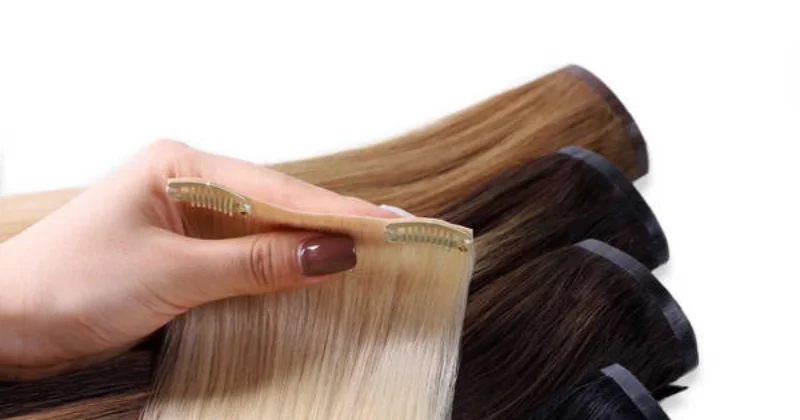
Clip-ins give your stylist the most freedom on the day. Individual wefts can be positioned around your part, veil, braid, or bun, then removed before bed. You can use a full set for length and volume or a few smaller pieces when your natural length is already right and you only need fullness. They are also easy to reuse for the rehearsal dinner, honeymoon photos, or future events.
Look for a flat, secure weft; smooth, aligned hair; flexible clips; and a weight that matches your natural density. Alpha’s clip hair extensions include classic, seamless, and invisible constructions, so a salon or hair brand can choose the base that suits its bridal customer. A seamless or PU-based clip-in is especially useful when you want less bulk near fine roots.
2. Tape-Ins: Best for the Wedding Week and Honeymoon
Tape-ins sit flat and distribute hair across wider panels, which can create a light, natural feel when they are professionally fitted. You do not need to add them on the wedding morning, and you can wear them through several events. That convenience makes them appealing if your celebration includes a rehearsal dinner, ceremony, reception, brunch, and immediate honeymoon.
They still require planning. Oils and heavy conditioners near the adhesive can encourage slipping, while poor placement can show in an updo. Review Alpha’s tape-in extension options with your stylist and decide on placement only after you have chosen your final hairstyle.
3. Halo Extensions: Best for Loose Waves with Low Commitment
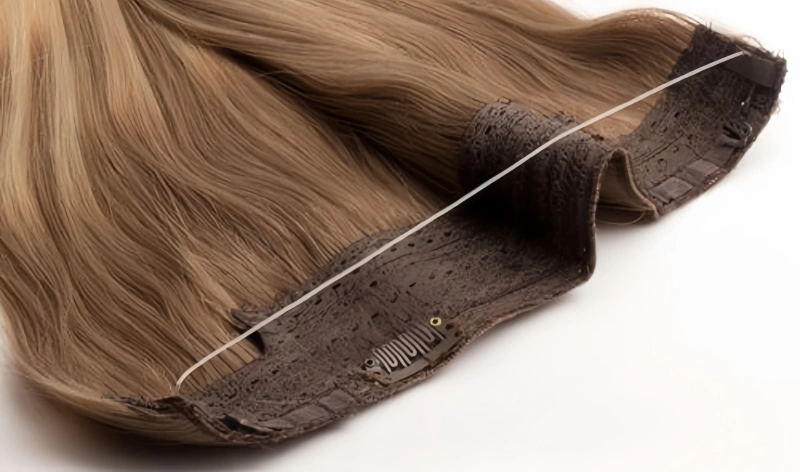
A halo uses a discreet wire to support a weft around the head. It avoids glue, heat, and multiple clips, and you can remove it at night. It works best when your hair will stay down or partly down, because your natural top layer hides the wire and weft.
A halo is less suitable for a high ponytail, a tight updo, or a style that exposes the crown. If you want simple, flowing curls, explore a Remy human-hair halo extension and test the wire position at your trial.
4. K-Tips or Keratin Bonds: Best for Natural Movement
K-tips attach in small sections, so your stylist can distribute the hair precisely and create natural movement. They can support detailed styles without the edge of a large weft appearing in the wrong place. They are a longer-term option, however, and the installation, maintenance, and professional removal add time and cost.
Choose this route when you already want semi-permanent hair beyond the wedding. Start with a consultation about keratin hair extensions, then confirm that your natural hair can support the bond size and planned density.
5. Hand-Tied or Beaded Wefts: Best for Lasting Density
A professionally installed weft can give you generous density for weeks, making it useful if fuller hair is already part of your everyday plan. It can look beautiful in waves, low ponytails, and low buns.
The trade-off is placement: a row that sits perfectly for hair worn down may become harder to hide in a high or tightly sectioned style. Bring your wedding inspiration to the installation appointment so the row positions support the final look.
6. Ponytail and Bun Pieces: Best for a Specific Bridal Shape
You may not need a full extension set. A purpose-built piece can turn a fine ponytail into a polished reception look or add fast volume to a chignon. A ponytail hair extension is easy to plan around because your goal is already defined. The limitation is flexibility: it will not replace a multi-piece set if you later change to loose waves or a detailed half-up style.
Match the Extension to Your Wedding Hairstyle
Hollywood Waves or Hair Worn Down
You need consistent density through the lower lengths, not just extra hair at the back of your head. A full clip-in set, tape-ins, K-tips, or a weft can all work. Your stylist should layer the extension ends into your haircut and style your natural hair with the extensions so the curl pattern moves as one.
Half-Up, Half-Down Hair
Choose clip-ins, tape-ins, or a halo with enough natural hair above the attachment to cover it. The pinned section removes some of your visible density, so you may need more hair below than you would for an all-down style. Test the look from the back and both sides; this style is photographed from every angle during the ceremony.
Low Bun, Chignon, or Textured Updo
You usually need volume more than length. A few narrow clip-in wefts or individual pieces can give your stylist exactly the amount of hair needed without overloading your head. K-tips are also flexible when already installed. Large halos and poorly positioned wefts can be difficult to conceal in an exposed updo.
Braids
For a fuller braid, distribute extensions before braiding instead of attaching one heavy section at the bottom. Matching texture matters here: if your natural hair is soft and wavy, very straight extension hair can create obvious transitions as the braid opens.
High Ponytail or Second-Look Pony
A ponytail piece is the simplest answer when you want a sleek, defined shape. If you use clip-ins, your stylist may position them in the direction of the ponytail so the wefts lie flat instead of fighting the pull. Permanent rows must be placed with this style in mind well before the wedding.
How to Choose Hair That Looks Real in Person and in Photos?
Start with Human Hair Quality
For a style that will be curled, straightened, toned, or photographed at close range, human hair is usually the practical choice. Remy describes hair collected and arranged so the cuticles remain aligned in one direction, which helps the lengths stay smoother and blend more naturally. You can read more about what Remy hair extensions are before comparing suppliers.
Synthetic pieces can work for a pre-styled ponytail or one-day budget look, but many cannot tolerate conventional hot tools. Always follow the product’s heat instructions.
Match the Mid-Lengths and Ends, Not Only the Root
Your extensions sit through the middle and lower parts of your hair, so those are the areas that need to blend. If you have balayage, highlights, or lowlights, a multi-tonal mix often looks more convincing than one flat shade.
Compare your options in daylight and photograph them with flash before removing tags or altering the hair. Use Alpha’s hair extension color chart as a starting point, then confirm the final shade with a physical sample or color ring whenever possible.
Match Texture Before You Add Product
Straight, wavy, curly, and coily hair reflect light differently. You will get a more believable result when the extension texture begins close to your own. Styling can refine the blend, but it should not be responsible for hiding a major mismatch. For short or blunt hair, ask your stylist to soften the perimeter and use the techniques in this guide to blending hair extensions.
Choose Density Before Length
The extension weight should make sense beside your natural hair. Fine hair can be overwhelmed by a very heavy set, while thick hair may need more grams to prevent the ends from looking separate. If you want substantial extra length, you generally need enough density to connect your natural ends to the new length.
A good stylist will choose the minimum amount of hair that creates the intended silhouette and remains comfortable.
Your Wedding Hair Extension Timeline
Give yourself enough time to change the color, weight, or method without turning hair into a last-week emergency.
- Two to three months before: Choose your hairstyle direction, talk with your stylist, assess your natural hair, and decide between temporary and installed extensions.
- Six to eight weeks before: Order temporary extensions or complete the first fitted installation early enough to test comfort and placement. Confirm return and exchange conditions before altering the hair.
- Three to four weeks before: Attend your full hair trial with the exact extensions, veil, and major accessories. Wear the finished style for several hours and take photos indoors, outdoors, from the back, and with flash.
- One to two weeks before: Have a professional trim, layer, tone, or refresh the extensions if needed. Follow your stylist’s maintenance schedule for installed methods.
- Wedding week: Clean temporary extensions only if the product and stylist recommend it, allow them to dry fully, detangle gently, and store them flat. Do not test a new dye or treatment at the last minute.
What to Test at Your Bridal Hair Trial?
- Blend: Can you see a line between your natural ends and the extension hair in daylight or flash photos?
- Coverage: Do the attachment points stay hidden when you turn your head, hug someone, or lift the veil?
- Comfort: Do you feel pinching, pulling, pressure, or a headache after several hours?
- Security: Does the style remain stable when you walk quickly, dance, and move your veil or accessories?
- Finish: Does the curl, wave, or braid hold without excessive product buildup?
- Timing: How much extra styling time should you reserve on the wedding morning?
If you plan to curl clip-ins, agree on a safe temperature with your stylist and use the lowest effective heat. Alpha’s clip-in curling guide explains how to protect the weft, clips, and lengths.
Wedding-Day Care: Keep the Hair Secure Without Making It Stiff
- Arrive with hair prepared exactly as your stylist requests; some styles need clean, fully dry hair, while others benefit from day-old texture.
- Keep conditioner, oil, and serum away from tape tabs, bonds, clips, and roots. Apply a small amount only through dry mid-lengths and ends if needed.
- Brush from the ends upward while supporting the attachment area. Do not pull a brush through a veil, pin, bond, or tape row.
- Pack spare pins, a small brush, light hairspray, and any attachment-specific tool your stylist recommends.
- Ask one trusted person to check the back of your style after the veil comes off and before reception photos.
- Remove temporary clip-ins, halos, and ponytail pieces before sleeping, even if the reception ends late.
After the wedding, care depends on the attachment method. Follow this hair extension washing guide rather than treating every extension type the same.
Common Mistakes to Avoid
- Buying by color name alone: Two brands can use the same shade name for different tones. Check real swatches and photographs.
- Choosing length before weight: Very long but underweight extensions often look thin and disconnected at the ends.
- Skipping the full trial: A quick color check does not reveal discomfort, visible attachments, or how the style holds after hours of movement.
- Using too much hair: More volume is not always better. Excess weight can feel uncomfortable and make the blend look less natural.
- Changing the hairstyle after installation: Tape rows, bonds, and wefts are positioned for a plan. A late switch from waves to a high updo may expose them.
- Making last-minute chemical changes: Coloring or toning extension hair can behave differently from natural hair. Use a professional and test a hidden strand first.
If You Are Buying for a Salon or Bridal Hair Brand
Your bridal customer needs more than a pretty shade card. You need repeatable hair quality, secure attachment construction, realistic weights, and enough tonal depth to match highlighted hair. Build your bridal offer around full sets and targeted fill-in pieces, then give stylists a color ring, gram-weight guidance, care instructions, and a clear exchange policy for unopened hair.
Before placing a bulk order, test samples for shedding, tangling, heat response within the stated limits, clip security, color consistency, and weft thickness. Alpha has manufactured 100% full-cuticle Remy extensions and wigs since 1990 and supports global brands, salon chains, and new entrants with OEM/ODM development.
You can review Alpha’s private-label and customization services for custom colors, set structures, packaging, and sample approval.
FAQ
What are the best hair extensions for a wedding?
For most brides, Remy human-hair clip-ins are the best balance of flexibility, natural styling, cost, and low commitment. Your best method can change with your hairstyle, natural density, budget, and whether you want to keep wearing extensions after the wedding.
Are clip-in hair extensions good for wedding hair?
Yes. Your stylist can place individual wefts where the style needs volume, then remove them at the end of the night. They work well for waves, half-up styles, braids, ponytails, and many low updos.
How early should you buy hair extensions before your wedding?
Start planning two to three months before the wedding and try to have temporary extensions in hand six to eight weeks before. That gives you time for a full trial, shade exchange, cutting, toning, and comfort testing.
Can you wear extensions with fine hair?
Often, yes, but you need a lightweight method and careful placement. Seamless clip-ins, light tape-ins, or a halo may suit some fine-haired clients. A professional should assess fragile hair, active shedding, or scalp sensitivity before installation.
Should wedding hair extensions match your roots?
Not necessarily. Because the extension hair falls through your mid-lengths and ends, those areas are usually the most important match. Rooted or multi-tonal shades can help when you have balayage or highlights.
Can you curl wedding hair extensions?
Most human-hair extensions can be curled with heat protection and conservative temperature, but always follow the supplier’s instructions. Many synthetic fibers require low heat or no heat at all.
How many grams of hair extensions do you need for a wedding?
There is no single correct weight. You need enough hair to connect your natural density and length to the finished style without creating bulk or discomfort. Fine hair may need a light fill-in, while thick or short hair often needs a fuller set for a believable length change.
Will extensions show in wedding photos?
They should not when the color, texture, density, cut, and placement are right. Test the finished style in natural light and flash photography, including views from the back and sides.
Choose the Hair for the Style You Will Actually Wear
The best hair extensions for wedding hair are the ones you stop noticing once the style is finished. Start with your hairstyle, then choose the attachment method, quality, shade, texture, weight, and length that support it. Give yourself time for a real trial, let a professional customize the blend, and prioritize comfort as carefully as appearance.
When every decision works together, your extensions will add fullness and structure without becoming the focus of your look.
If you source bridal extensions for a salon or hair brand, Alpha can develop Remy clip-ins, tape-ins, halos, ponytails, wefts, and bonds in custom specifications and packaging. Test samples, confirm the specification, and build a bridal range your stylists can trust.