
No, you shouldn’t sleep in a drawstring ponytail. Doing so can lead to breakage, scalp tension, tangling, matting, and discomfort. You might love how easy the drawstring makes styling, but Sleeping with hair extensions like a ponytail can put your hair and scalp at risk.
Hair breakage
Scalp tension
Tangling and matting
Discomfort
You deserve healthy hair and extensions that last. Let’s look at how you can protect both overnight.
Key Takeaways
Always remove your drawstring ponytail before bed to prevent hair breakage and scalp tension.
Use satin or silk pillowcases to reduce friction and keep your hair smooth and hydrated overnight.
Consider protective styles like loose braids or buns at night to minimize tangling and discomfort.
Brush and detangle your hair gently before sleep to avoid knots and maintain healthy hair.
Choose sulfate-free products for nighttime care to keep your extensions hydrated and looking fresh.
Why Avoid Sleeping in a Drawstring Ponytail?
Risks to Natural Hair
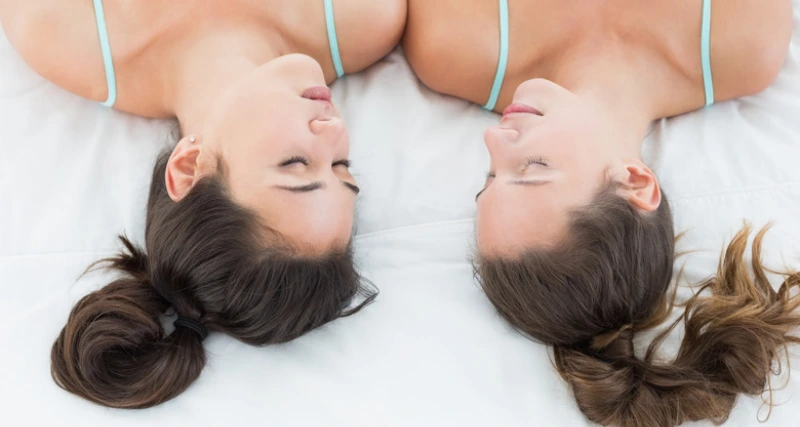
You want your hair to stay healthy and strong. Sleeping with hair extensions, especially drawstring ponytails, can put your natural hair at risk. When you sleep with hair extensions, your hair faces friction from your pillow. This friction leads to tangling and breakage.
You might wake up with knots that are hard to detangle. If you have curly or textured hair, the risk of matting goes up.
Drawstring ponytails do not need glue, heat, or tight braids. That means they cause less unnecessary tension compared to other types of extensions. Take a look at this table to see how drawstring ponytails compare:
Feature | Drawstring Ponytails | Other Hair Extensions |
|---|---|---|
Requires glue | No | Yes |
Requires heat | No | Yes |
Requires tight braids | No | Yes |
Stress on natural hair | Minimal | Increased |
You get a quick style and easy removal. You also avoid the stress that comes from adhesives or heat. Still, leaving any extension overnight can cause damage. Tangling, frizz, and breakage are common problems. If you sleep with wet hair, the risk of breakage goes up even more.
Extension Damage and Discomfort
Drawstring ponytails give you a secure fit during the day. At night, that same security can turn into discomfort. The drawstring can pull on your scalp while you sleep. You might feel soreness or even headaches. If you toss and turn, the ponytail can shift and tug at your roots.
This creates unnecessary tension and can weaken your hair over time.
You also want your extensions to last. Sleeping with hair extensions can shorten their lifespan. Friction from cotton pillowcases causes frizz and tangling. You may notice your ponytail looking dull or feeling rough. You might even see shedding or thinning at the base.
No one wants to wake up with a matted ponytail or a sore scalp.
Tip: Remove your drawstring ponytail before bed. You will protect your natural hair and keep your extensions looking fresh.
Dangers of Sleeping with Hair Extensions
Tangling and Dryness
Sleeping with hair extensions can turn your smooth ponytail into a mess by morning. You might notice tangling, matted sections, and dryness. When you toss and turn, your pillow rubs against your hair. This friction causes knots and can lead to damaged curls.
If you have curly or kinky hair, the risk goes up. Curly textures need extra care because they tangle more easily and lose moisture faster.
You can prevent knots and matting by working in small sections when you detangle. Use a wide-tooth comb or a detangling brush. Start from the ends and move up. Products that add slip make detangling easier and help protect your hair. Washing your hair in sections also helps keep it smooth.
Choose products made for your hair type to fight dryness and keep your extensions looking fresh.
Tip: Regular trims and gentle handling help you avoid matted sections and keep your ponytail soft.
Scalp Tension and Hair Loss
You might think your drawstring ponytail feels secure, but sleeping with hair extensions can cause discomfort and even damage. The drawstring or clips can pull on your scalp all night.
This tension puts stress on your hair follicles. Over time, you may notice soreness or even headaches. If you keep wearing tight styles, you risk traction alopecia—a type of hair loss caused by constant pulling.
Some hairstyles, like braids, weaves, and extensions, are known for putting pressure on your hairline. The added weight and tightness can lead to breakage. Temporary extensions, such as clip-ins and drawstring ponytails, can also cause scalp irritation if attached too tightly.
You might see inflammation or even hair loss if you ignore the discomfort.
Note: Always remove your extensions before bed to protect your scalp and prevent damage.
Risk Factor | What Happens | Who’s Most at Risk |
|---|---|---|
Tension | Hair loss, soreness | Those with tight styles |
Dryness | Brittle, dull hair | Curly/kinky textures |
Matting | Knots, matted sections | Curly/kinky textures |
If you sleep with hair extensions, you increase the risk of scalp irritation and hair loss. Take care of your hair and extensions, so you wake up feeling comfortable and confident.
Alpha Drawstring Ponytail: Nighttime Care Tips
Remove Before Bed
You want your hair to stay healthy and strong. The best way to protect your hair is to take out your Alpha drawstring ponytail before you go to sleep. Tight styles, like ponytails, can pull on your scalp and hair all night.
Over time, this tension may cause breakage or even hair loss. Experts like Dr. Rashmi Sarkar warn that wearing tight hairstyles for long periods makes your hair fragile and more likely to snap.
You avoid stress on your hair shaft.
You lower the risk of traction alopecia.
You wake up with a comfortable scalp.
If you ever wonder how to sleep with hair extensions, the answer is simple: always remove temporary styles like drawstring ponytails before bed.
Use Satin or Silk Protection
After you remove your extension, you still need to protect your hair overnight. Cotton pillowcases can cause friction, which leads to dryness and tangling. Try using a satin bonnet or a silk scarf. These smooth fabrics help your hair keep its moisture and prevent breakage.
Tip: A satin bonnet is gentle on your hair and keeps your style looking fresh.
You can also use a silk pillowcase if you do not like wearing a bonnet. Both options help you wake up with fewer tangles and less frizz.
Store Extensions Properly
Proper storage keeps your Alpha drawstring ponytail looking new. Never cram your extension into a drawer or bag. Instead, follow these simple steps:
Store your ponytail in a cool place.
Hang it up or place it in a box to keep its shape.
Make sure it is dry before you put it away.
Taking a few minutes to store your extension the right way helps it last longer and look better every time you wear it.
Healthy Nighttime Hair Routines
Brushing and Gentle Detangling
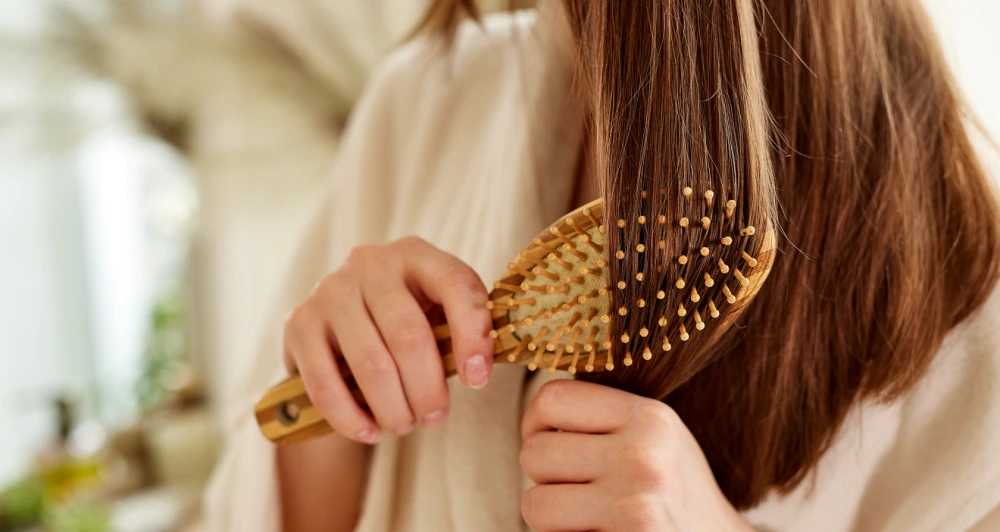
You want to wake up with smooth, healthy hair. The best way to start is to brush your hair before bed. This simple step removes knots that could get worse overnight. When you detangle gently, you break fewer strands than if you wait until morning.
Use a wide-tooth comb or a soft brush. Start at the ends and work your way up. This method helps your hair glide over your pillow, which means less friction and fewer tangles.
Removes knots that can turn into bigger tangles overnight
Prepares your hair for smoother contact with bedding
Reduces breakage and keeps your hair looking fresh
Tip: Always detangle in small sections, especially if you have curly or textured hair.
Braiding or Loose Ponytail
Protective styles at night can make a big difference. Try a loose braid or a loose ponytail before you go to sleep. These styles keep your hair together, so it does not rub against your pillow and get frizzy. Braiding your hair reduces friction and tension on your scalp.
A loose ponytail helps keep your hair smooth and tangle-free. If you have thick or textured hair, two braids can help even more. For curly hair, gather it at the crown with a silk scarf, a method called “pinning.”
Braids and loose styles prevent tangling and breakage
Suitable for all hair types and lengths
You wake up with pretty, soft waves and less frizz
Try using a satin scrunchie or silk scarf to avoid creases and keep your style in place.
Deep Conditioning Treatments
Your hair needs moisture to stay strong. Deep conditioning treatments work best when you use them at night. For most hair types, once a week is enough. If you have curly or coily hair, you might need to deep condition twice a week. Look for masks with avocado oil or shea butter.
These ingredients help repair dry or weak strands. You can also apply a lightweight oil before bed to lock in moisture and protect your hair while you sleep.
Restores moisture and controls frizz
Strengthens hair and prevents breakage
Keeps your hair soft and shiny
A regular deep conditioning routine helps your hair look and feel its best, even after wearing a ponytail during the day.
Extra Precautions for Sleeping with Hair Extensions
Avoid Wet Extensions Overnight
You might feel tempted to wash your hair late at night and go straight to bed. Try to avoid this habit, especially when you use Alpha Drawstring Ponytails or any hair extensions.
Wet hair is weaker and more likely to break. When you go to sleep with hair extensions that are still damp, you risk matting, tangling, and even mildew. Your pillow can trap moisture, which makes your extensions lose their softness and shine.
Sleeping with hair extensions that are wet can also put extra stress on your natural hair. The weight of damp extensions pulls on your roots, which may lead to breakage or even hair loss over time.
Dermatologists like Francesca J. Fusco warn that tight or heavy styles at night can cause traction alopecia, a type of hair loss from constant pulling. You want to keep your hair healthy, so always let your extensions dry completely before bedtime.
Tip: Gently towel-dry your extensions and let them air dry before you store or reapply them.
Choose the Right Nighttime Products
The products you use at night make a big difference in how your hair and extensions look and feel. Sulfate-free shampoos and conditioners work best for overnight care.
These products help your extensions stay hydrated and soft. They also protect the bonds in your extensions and keep color from fading. You will notice less frizz and smoother hair in the morning.
Here’s why sulfate-free products are a smart choice:
They keep extensions hydrated and prevent dryness.
They protect the strength of the bonds in your extensions.
They help maintain color, especially for dyed hair.
They reduce frizz and keep your hair feeling soft.
If you want your Alpha Drawstring Ponytail to last, pick nourishing products that add moisture and shine. Sleeping with hair extensions becomes much safer when you use the right products and follow a gentle nighttime routine.
Note: Always check the label for “sulfate-free” and look for ingredients like argan oil, shea butter, or coconut oil for extra nourishment.
Conclusion
You want your hair and extensions to look their best every day. Always take out your Alpha Drawstring Ponytail before bed to avoid breakage and scalp tension. Try these simple habits for healthy hair:
Use silk or satin pillowcases to keep your hair smooth.
Choose loose braids or buns at night to prevent thinning.
Brush and moisturize your hair before sleep for longer-lasting extensions.
Alpha makes it easy to care for your hair. You can enjoy beautiful styles and keep your hair strong.
FAQ
Can you sleep in a drawstring ponytail?
You shouldn’t sleep in a drawstring ponytail. You risk tangling, breakage, and scalp tension. Always remove it before bed to keep your hair and extensions healthy.
How do you store your Alpha drawstring ponytail overnight?
Place your ponytail in a cool, dry spot. Use a box or hang it up to keep its shape. Make sure it’s dry before storing.
What’s the best way to protect your hair while you sleep?
Wrap your hair in a satin scarf or wear a silk bonnet. These help prevent frizz and breakage. You can also use a silk pillowcase for extra protection.
Can you wear a drawstring ponytail every day?
Yes, you can wear it daily. Just avoid sleeping in it and give your hair breaks. This helps prevent tension and keeps your scalp comfortable.