
Washing curly hair extensions is simple once you stop treating every extension type the same. The basic routine—detangle, cleanse gently, condition, rinse, and dry without rough handling—works for most curly hair extensions. What changes is how you protect the clips, tapes, wefts, bonds, or beads while you do it.
This guide gives you the full wash-day routine first, then shows you the small adjustments that matter for removable and professionally installed extensions.
| Quick answer: To wash curly hair extensions, detangle them first, wet the hair with lukewarm water, smooth a gentle shampoo through the strands without rubbing, condition from mid-lengths to ends, detangle again while the hair has slip, rinse completely, then blot and air dry or diffuse on low. Keep conditioner and oil away from tapes, bonds, beads, and weft seams. |
Before You Wash: Check the Extension Type
The biggest wash-day mistake is following clip-in instructions for an installed method—or treating an adhesive or bonded installation like loose hair. Start by identifying which group your extensions belong to.
| Group | Common methods | Wash-day rule |
| Removable | Clip-ins, halo pieces, ponytails, uninstalled bundles | Take them out. Wash one piece or weft at a time in a clean basin or under a gentle stream. |
| Installed | Tape-ins, sew-ins, beaded wefts, fusion bonds, micro-links | Wash upright. Protect the attachment points, clean the scalp carefully, and dry the roots and attachments completely. |
If the hair is synthetic, follow the care label before using the routine below. Synthetic fibers can react differently to heat, rich masks, oils, and clarifying shampoo. When the manufacturer’s instructions differ from general advice, the care label wins.
How Often Should You Wash Curly Hair Extensions?
Wash when the hair has product buildup, feels coated, smells less than fresh, tangles more than usual, or no longer springs back after a light refresh. Curly extensions do not receive scalp oils in the same way your natural hair does, so unnecessary washing can make them feel dry.
| Extension type | Practical starting point | Important note |
| Curly clip-ins and halo pieces | Usually after 10–15 wears, or sooner when buildup affects the curl | Remove before washing |
| Curly tape-ins | Based on scalp and lifestyle needs; many wearers wash about once or twice a week | Follow the installer’s schedule and keep rich products off the tape |
| Sew-ins and beaded wefts | Often every 7–14 days, adjusted for sweat, scalp needs, and product use | Dry the braids, tracks, roots, and weft area completely |
| Fusion and micro-link extensions | Follow the stylist’s plan; cleanse when the scalp or hair needs it | Do not rub, bunch, or coat bonds and beads with conditioner |
These are starting points, not strict rules. Someone who wears clip-ins twice a month will wash less often than someone who wears them daily with curl cream. An athlete with an installed weft may need more frequent scalp cleansing than someone with a low-product routine.
What You Need for Wash Day?
- A gentle, moisturizing shampoo that is suitable for human hair extensions
- A conditioner with enough slip to detangle without heavy residue
- A lightweight leave-in conditioner or curl refresher, if needed
- Your fingers, a wide-tooth comb, or an extension-safe detangling brush
- Sectioning clips for installed extensions
- A clean sink or basin for removable pieces
- A microfiber towel or soft cotton T-shirt
- A diffuser with low heat and low airflow, if you cannot air dry
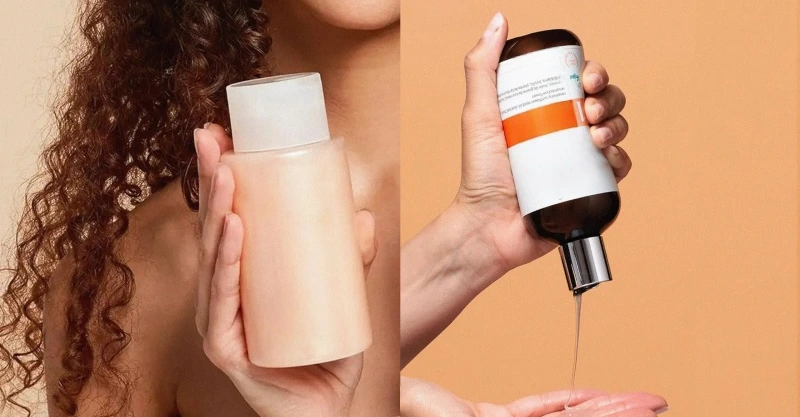
If you are comparing formulas, use Alpha’s guide to choosing an extension-safe shampoo. Look for gentle cleansing, good rinseability, and enough moisture for the curl pattern. A product can be rich without leaving a waxy film.
How to Wash Curly Hair Extensions in 7 Steps?
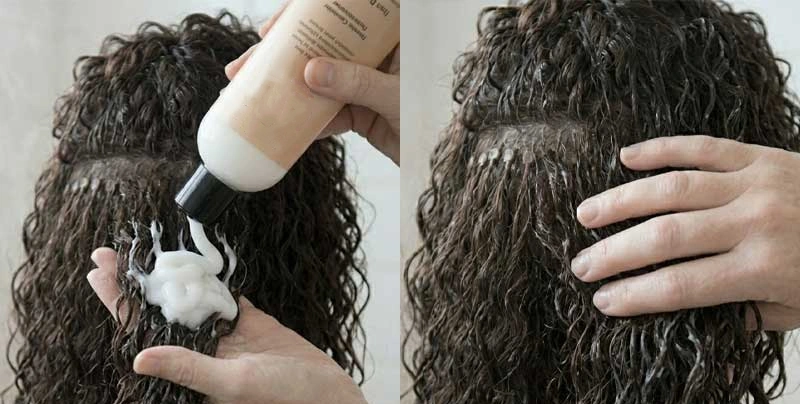
1. Remove Large Tangles Before Adding Water
Separate the hair into manageable sections. For removable pieces, hold each weft at the base and loosen large knots with your fingers, starting at the ends. If the hair is very dry, mist it lightly with water or a detangling spray first. Do not pull a comb through a stubborn knot.
Save the detailed comb-through for the conditioning step, when the hair has slip. For severe knots, follow the complete guide on how to detangle curly hair extensions without stressing the weft or attachment.
2. Wet the Hair with Lukewarm Water
Keep the hair pointing in one direction and let lukewarm water run from the base toward the ends. Avoid piling the hair into the sink, rubbing the curls between your palms, or flipping installed extensions upside down. Controlled water direction reduces friction and keeps shed hairs from wrapping around neighboring curls.
3. Cleanse Gently
Lather a small amount of shampoo in your hands first. For removable extensions, smooth or gently squeeze the lather down each weft. For installed extensions, apply shampoo to the scalp in sections, massage with your fingertips, and allow the suds to move through the lengths. Do not scrub in circles, twist the hair, or use your nails on the scalp.
One wash is usually enough. If the hair has obvious buildup, rinse and repeat with a small amount of shampoo instead of using more pressure. Clarifying shampoo can help occasionally, but confirm that it is suitable for the hair and the attachment method before using it near tapes or bonds.
4. Rinse Until the Water Runs Clear
Rinse in the same downward direction with lukewarm water. Take more time than you think you need: leftover shampoo can make curls dull, sticky, and difficult to define. Support installed hair with one hand while rinsing so the weight of wet lengths does not pull on the attachment points.
5. Condition the Lengths, Not the Attachments
Apply conditioner from the mid-lengths to the ends. On removable pieces, avoid saturating the clips and stitched weft base. On installed hair, leave a clear gap around tape tabs, keratin bonds, beads, and weft seams. Rich conditioner at an attachment point can encourage slipping or buildup.
Let the conditioner sit for the time shown on the product label. A mask can be useful when human hair extensions feel dry, but more product is not always better. Heavy residue can flatten the curl and attract dirt.
6. Detangle While the Hair Has Slip
With the conditioner still in the hair, divide it into sections. Hold above the area you are working on, then use your fingers or a wide-tooth comb from the ends upward. Pause at knots and add water or a little more conditioner instead of pulling through them. Keep tension away from clips, tapes, bonds, beads, and sewn tracks.
7. Rinse, Blot, and Set the Curl
Rinse the conditioner out completely. Gently squeeze excess water from the lengths—never wring or twist. Lay removable pieces flat on a microfiber towel and press with a second section of towel. For installed hair, blot downward and separate the rows so air can reach the roots and attachments.
Apply a small amount of lightweight leave-in product to damp lengths if the hair needs it. Scrunch upward to encourage curl clumps. Air dry whenever practical, or use a diffuser on low heat and low airflow. Do not sleep, braid tightly, or store the extensions until every section is dry.
Adjust the Routine for Each Attachment Method
How to Wash Curly Clip-In Hair Extensions?
Remove curly clip-in hair extensions before washing. Close the clips, wash one weft at a time, and keep the pieces aligned from base to ends. Lay them flat to dry so the weight of the wet hair does not stretch the curl. Never reinstall clip-ins while they are damp.
How to Wash Curly Tape-In Extensions?
Wash curly tape-in hair extensions while standing upright. Clean the scalp between the rows with your fingertips, avoid circular rubbing, and keep conditioner, masks, and oils away from the adhesive tabs. Rinse thoroughly and dry the tape area and roots before leaving the lengths to air dry.
How to Wash Curly Sew-In or Weft Extensions?
Section the hair so you can reach the scalp between the rows. A narrow-nozzle applicator bottle can help place diluted shampoo on the scalp without flooding the lengths with product. Rinse patiently, then blot and dry the braids, tracks, roots, and weft seams completely. Dampness trapped under a sew-in is a hygiene problem, not just a styling problem.
How to Wash Fusion or Micro-Link Extensions?
Keep the hair upright and use small sections. Clean the scalp with gentle fingertip motions, then smooth shampoo down the lengths. Do not bunch the bonds together or coat them with conditioner. After rinsing, separate the bonds or beads with your fingers and dry the root area fully before styling the ends.
Products: What to Choose and What to Avoid?
The best wash-day products clean without leaving curly extensions stripped or coated. For human hair, choose a gentle shampoo, a conditioner with good slip, and a lightweight leave-in only when needed. Sulfate-free formulas are a useful starting point for dry or color-treated curls, but the whole formula—and how well it rinses—matters more than one label claim.
Avoid using heavy oils, masks, waxes, or conditioner on adhesive, keratin, bead, or weft attachment areas. Be cautious with products high in drying alcohols, salt, or heavy film-formers if they leave the hair brittle or coated. If your extensions are synthetic, use only products approved for that fiber.
Common Wash-Day Mistakes
| Mistake | Better approach |
| Washing all removable wefts in a tangled bundle | Work one piece at a time or secure them neatly at the base. |
| Using hot water | Lukewarm water is easier on processed human hair and helps limit dryness. |
| Scrubbing, twisting, or wringing | Smooth product downward and squeeze gently. |
| Putting conditioner on tapes, bonds, beads, or seams | Keep rich products on the mid-lengths and ends. |
| Leaving product behind | Rinse until the hair feels clean and light, not slick or coated. |
| Brushing dry curls | Finger-style dry curls; do the main detangling while damp and conditioned. |
| Storing or sleeping on damp extensions | Dry every weft, root, braid, bond, and tape tab completely. |
| Using too much leave-in | Start with a small amount and add only if the curl still feels dry. |
How to Refresh Curls Between Washes
A full wash is not the only way to revive curly extensions. Lightly mist the lengths with water, add a small amount of curl refresher or leave-in conditioner, then scrunch. If one area has lost definition, finger-coil that section instead of coating the entire head with more product.
Between wash days, keep the hair separated, protect it from friction at night, and remove clip-ins before sleeping. For a complete routine, see how to maintain curly hair extensions and review Alpha’s broader hair extension care guidance.
FAQ
Can I wash curly hair extensions with regular shampoo?
You can use a regular shampoo only if it is gentle enough for the extension hair and compatible with the attachment method. Many everyday shampoos clean too aggressively or leave too much residue. Start with a moisturizing, extension-safe formula and use a clarifying shampoo only when buildup calls for it.
Should I wash new curly human hair extensions before wearing them?
Check the brand’s instructions first. Some removable human hair extensions benefit from a gentle first wash because it relaxes a factory-set curl and reveals the natural pattern. Installed methods should be prepared and washed according to the stylist’s plan so the attachment surface stays clean and secure.
Should curly extensions be brushed wet or dry?
Do the main detangling when the hair is damp and coated with conditioner, because the slip reduces friction. Before washing, use your fingers to remove only large tangles. Avoid running a brush through dry curls, which separates curl clumps and creates frizz.
Can I air dry installed hair extensions?
You can air dry the lengths if your attachment method and schedule allow it, but the scalp, roots, braids, tracks, bonds, beads, and tape tabs must dry completely. Use a dryer on cool or low heat at the attachment area if needed, then let the lengths finish drying naturally.
Why did my curls look looser after washing?
The original curl may have been tightly set, weighed down by water, stretched during drying, or affected by heat and heavy products. Scrunch the hair while damp, finger-coil loose sections, and dry flat or diffuse gently. If the pattern does not return, stop using heat and ask the supplier whether the curl was designed to reset after washing.
Can I deep-condition curly extensions every wash?
Not always. Use a regular conditioner for routine washes and add a mask when the hair feels dry or has had extra heat exposure. Frequent heavy masks can create buildup, flatten the curl, and shorten the time between washes. Never place a mask on tapes, bonds, beads, or weft seams.
Keep the Routine Simple
The safest way to wash curly hair extensions is also the least dramatic: reduce friction, keep products away from attachment points, rinse completely, and dry every section. Once you match the routine to the extension method, the curls are easier to detangle, define, and wear again.
For salon owners, stylists, and hair brands, a clear aftercare routine also protects the customer experience. Alpha supplies customizable wholesale hair extensions and can support method-specific care instructions for curly clip-ins, tape-ins, wefts, and other professional extension systems.