
If you’re wondering which wins in the ibe extensions vs hand tied extensions debate, here’s the truth: hand-tied extensions often deliver a more natural look, greater comfort, and longer-lasting results.
You get easy maintenance and gentle removal, making them perfect for active lifestyles and fine hair. Many myths say extensions cause damage, but professional application and premium hair—like Alpha’s hand-tied wefts—keep your scalp healthy and your hair flawless.
Tape-in and K-tip extensions come with their own pros and cons, which we’ll touch on for context.
Key Takeaways
Hand-tied extensions provide a natural look and feel, making them ideal for fine to medium hair.
IBE extensions offer a gentle installation method that protects your scalp and natural hair.
Regular maintenance is key; hand-tied extensions last longer with proper care, up to 1–2 years.
Consult a professional stylist to find the best extension method for your hair type and lifestyle.
Investing in quality extensions pays off with comfort, durability, and a seamless blend.
What Are IBE Extensions?
Installation Method
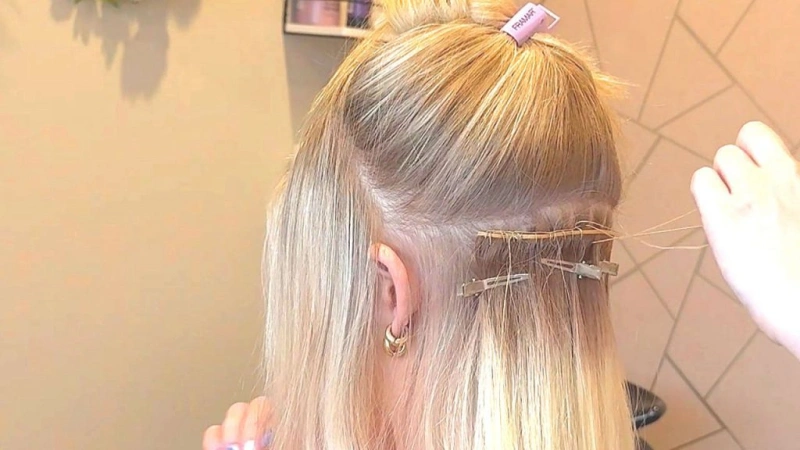
You might wonder how IBE extensions go in. The installation process is pretty straightforward when you visit a professional stylist. Here’s what you can expect:
Your stylist starts with a consultation and color matching. You talk about your hair goals and pick the perfect shade and texture.
Next, they section your hair. They create a clean horizontal parting and clip away the rest.
The stylist measures and cuts the weft to fit your head. This step keeps the hair from shedding.
Finally, they install the butterfly weft using beads. They use a crochet hook to pull small sections of your hair through the beads, then clamp them to hold the weft in place.
This installation process keeps your natural hair safe and gives you a secure, comfortable fit.
Key Features
IBE extensions stand out for their invisible bead technique. The beads stay hidden under the weft, so you get a seamless look. You can wear your hair up or down without worrying about anyone spotting your extensions. These extensions feel lightweight and flexible, so you won’t feel weighed down.
Many people love that IBE extensions don’t use glue, tape, or heat. This method helps protect your scalp and natural hair.
Tip: IBE extensions work well for people who want a natural look and easy styling options.
Ideal Candidates
You might be a great fit for IBE extensions if you want a gentle method that blends well with your hair. They suit people with fine to medium hair who want more length or volume. If you have an active lifestyle or like to change up your hairstyle, IBE extensions offer flexibility.
They also work for those who want a low-maintenance routine and a comfortable feel every day.
Hand Tied Extensions
What Are Hand-Tied Wefts?
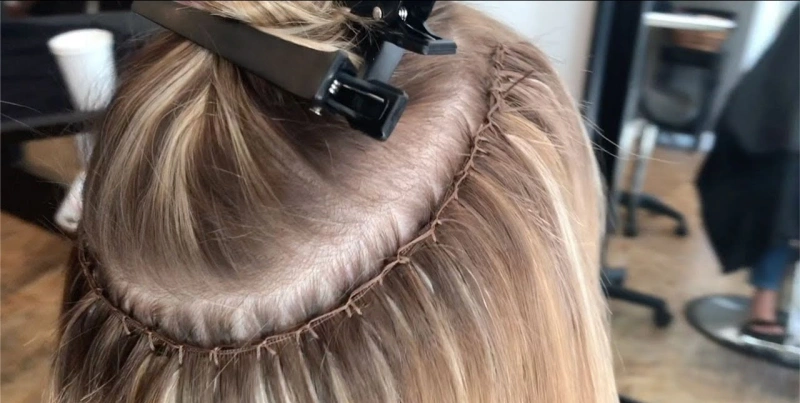
Hand-tied wefts are a game-changer if you want extensions that look and feel natural. You get strands of hair tied by hand to a thin seam, which makes the weft super lightweight and flexible. These extensions lay flat against your scalp, so you don’t have to worry about bulky seams or obvious tracks.
If you have fine or medium hair, hand-tied wefts blend in beautifully and add subtle volume. You can style them just like your own hair—curl, straighten, or trim for a perfect match.
Tip: Hand-tied wefts are ideal if you want a seamless look and minimal tension on your scalp.
Alpha Hand-Tied Weft Extension Features
Alpha’s hand-tied weft extensions stand out for their quality and comfort. You get 100% cuticle-intact Remy human hair, which means softness and durability. The extensions are double-drawn and super-thick, so you enjoy natural fullness from root to tip.
They come in lengths from 8 to 30 inches and support all standard colors, with custom shades available. You can reuse them for up to 1–2 years with proper care. The installation process is simple and gentle:
Clean your hair where the first weft will go.
Pull a small section of your hair through a bead and secure it close to your scalp.
Sew the hand-tied weft onto the bead using a looping technique.
Repeat across your head, making sure each weft lies flat.
After installation, your stylist can trim and style the extensions to match your layers and texture.
Who Should Choose Hand-Tied Extensions?
You should consider hand-tied extensions if you have fine to medium hair and want a comfortable, natural look. These extensions minimize damage and feel lightweight, so you can wear them every day without discomfort. If you value hair health and want a subtle enhancement, hand-tied wefts are a great choice.
Many clients love the seamless blend and reusability. Take a look at how hand-tied extensions compare to other methods:
Feature | Hand Tied Extensions | Tape-In Extensions |
|---|---|---|
Natural Look and Feel | ✅ | ❌ |
Comfort | High | Moderate |
Risk of Damage | Low | Moderate |
Longevity | 8–10 weeks | 6–8 weeks |
Reusability | ✅ | Limited |
Ideal Hair Type | Medium to thick | All hair types |
If you want extensions that blend perfectly and last, hand-tied wefts from Alpha are a smart investment.
IBE Extensions vs Hand-Tied Extensions: Key Differences
Appearance & Natural Look
When you compare ibe extensions vs hand tied extensions, the first thing you notice is the natural appearance. Hand-tied extensions almost disappear into your hair. You get a seamless blend that makes it tough for anyone to spot where your real hair ends and the extensions begin.
Stylists and clients often say hand-tied extensions are nearly impossible to detect, especially when installed by a pro. IBE extensions also aim for a natural appearance, but some users find that the beads can show in certain styles or with lighter hair.
Here’s a quick look at how these methods stack up visually:
Extension Type | Visibility | Comfort | Blending with Natural Hair |
|---|---|---|---|
Hand-Tied Extensions | Less visible | High | Seamless blend |
IBE Extensions | Slightly visible in some styles | High | Seamless blend |
Hand-tied extensions give you a natural appearance that works for any occasion.
IBE extensions offer a seamless blend, but beads may peek through if you have very fine or light-colored hair.
Both methods can achieve a natural appearance with skilled installation.
If you want a flawless, natural appearance and a seamless blend, Alpha’s hand-tied weft extensions deliver every time.
Comfort & Scalp Health
Comfort matters when you wear extensions daily. In the I-be extensions vs hand tied extensions debate, hand-tied extensions stand out for their lightweight feel. You get better scalp breathability and less tension.
The cuticle-aligned fibers move like your own hair, so you barely notice them. This design helps prevent scalp irritation and supports healthy hair growth.
IBE extensions also focus on comfort. They use beads instead of glue or tape, which keeps your scalp safe. Both methods avoid harsh chemicals, but hand-tied extensions minimize bulk and strain even more. You can wear them for months without discomfort.
Tip: Hand-tied extensions are gentle on your scalp and natural hair. They help prevent hair loss from tension or pulling. You don’t need to worry about glue, tape, or chemicals.
Maintenance & Longevity
Maintenance is a big factor in the ibe extensions vs hand tied extensions conversation. Hand-tied extensions need regular care, but they reward you with a longer lifespan. You should visit your stylist every 6–8 weeks for move-ups.
This keeps your extensions looking fresh and prevents tangling. With proper care, Alpha’s hand-tied weft extensions last up to 1–2 years.
IBE extensions also require maintenance. You may need to push up the beads every 3–4 weeks, depending on your hair growth. Both methods need gentle brushing and careful washing. Here are some aftercare tips:
Use a loop brush or wide-tooth comb, starting from the ends.
Brush at least twice daily, especially before showering and when hair is almost dry.
Separate extensions at the scalp to prevent matting.
Pat hair dry with a microfiber towel and avoid rubbing.
Blow-dry downward to smooth cuticles.
Use heat protectant spray before styling.
Braid extensions loosely before sleeping.
If you follow these steps, you will keep your extensions and natural hair healthy. Hand-tied extensions reward you with durability and a natural appearance that lasts.
Cost Comparison
Let’s talk about cost and comfort comparison. The price for hand-tied extensions starts around $500 for minimal length and rows. Maintenance costs depend on your stylist and how often you need reinstallation.
Usually, you go back every 8 weeks. Some stylists offer bead push-ups every 3–4 weeks, but this can increase the risk of damage if not done carefully.
IBE extensions have similar pricing. You pay for installation and regular upkeep. Both methods require investment, but hand-tied extensions offer reusability and a longer lifespan. You get more value from Alpha’s hand-tied weft extensions because you can reuse them for up to two years.
Note: Investing in quality extensions pays off with a natural appearance, comfort, and a seamless blend that lasts.
Suitability for Hair Types
Choosing the right method depends on your hair type. In the I-be extensions vs hand tied extensions debate, hand-tied extensions work best for fine to medium hair. They are lightweight and don’t add bulk at the roots. If you have thick hair, you might prefer machine wefts or genius wefts for blending.
Curly hair types should pick extensions that match their curl pattern, ideally made from 100% human hair. Straight hair can use any weft, but hand-tied or genius wefts give you the best seamless blend.
Here’s a quick guide:
Hair Type | Recommended Extensions | Notes |
|---|---|---|
Thin Hair | Genius Weft | Lightweight, gentle on fine hair |
Fine Hair | Hand-Tied, Genius Weft | No bulk, seamless blend |
Thick Hair | Machine Wefts, Genius Wefts | Blends with natural volume |
Curly Hair | Extensions matching the curl pattern | Style to match natural curls |
Straight Hair | Any type of weft | Hand-tied or genius wefts preferred |
Hand-tied extensions suit fine hair and give you a natural appearance.
IBE extensions work for fine to medium hair and offer a seamless blend.
Both methods can be customized for your hair type, but Alpha’s hand-tied wefts stand out for their versatility and comfort.
If you want a natural appearance, seamless blend, and extensions that match your hair type, Alpha’s hand-tied weft extensions are a top choice.
Pros and Cons of Each Method
IBE Extensions Pros & Cons
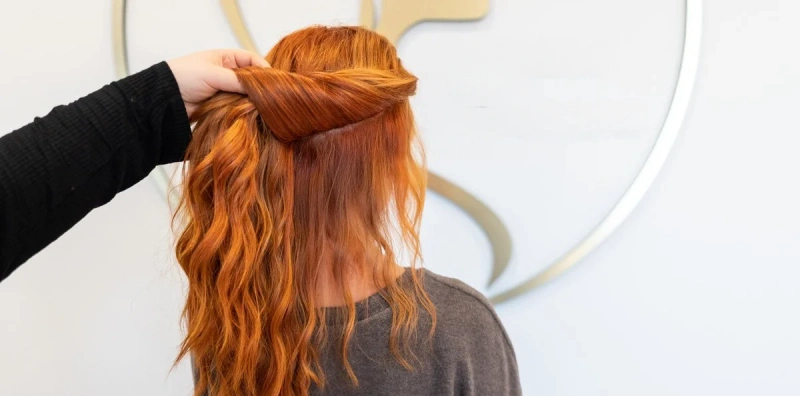
You might love IBE extensions if you want a gentle installation and a seamless look. The beads stay hidden, so you can wear your hair up or down without worry. You get flexibility and comfort, especially if you have fine or medium hair. Many stylists say IBE extensions protect your scalp because they skip glue and heat.
Here’s a quick look at what clients and stylists report:
Concern/Recommendation | Description |
|---|---|
Product Restrictions | You should avoid Pureology Strength Cure shampoo and conditioner. These products dry out IBE extensions. |
Confusion Over Products | Many clients feel unsure about using Olaplex and similar products. Some say these can damage IBE extensions. |
Negative Experience | One client said Olaplex ruined their first hand-tied extensions. Protein-based products may cause issues. |
Tip: Always ask your stylist about which products work best with IBE extensions. You keep your hair healthy and your extensions looking great.
Hand Tied Extensions Pros & Cons
You get a lot of benefits with hand-tied extensions. The attachment point is neat and almost invisible. These extensions feel lightweight, so you barely notice them. They work well for thin or weakened hair. You can enjoy a personalized fit, with custom length and thickness. The hair holds firmly, which reduces shedding.
Here’s a table that sums up hand-tied extensions’ pros and cons:
Pros of Hand-Tied Extensions | Cons of Hand-Tied Extensions |
|---|---|
Neat attachment point, almost unnoticeable. | More expensive than machine wefts. |
Lightweight, ideal for thin or weakened hair. | Cannot be cut without falling apart. |
Holds hair firmly, reducing shedding. | Not suitable for thick hair or heavy volume. |
Personalized production for custom length and thickness. |
You might notice hand-tied extensions cost more than other types. The price reflects the quality and custom fit. If you want a seamless look and comfort, the investment pays off. You should consider the pros and cons before making your choice.
The cost includes installation and maintenance, but you get durability and reusability.
Note: If you value a natural appearance and a comfortable fit, hand-tied extensions offer a premium experience.
Tape In Extensions and K Tip vs Hand Tied Extensions
Tape-In Extensions Overview
You might have seen tape-in extensions everywhere. Stylists love them for their quick installation and natural look. Tape-in extensions use medical-grade adhesive tape to attach wefts to your hair. You get a seamless blend if you choose high-quality hair, like 100% Remy or virgin human hair.
Tape-in extensions lie flat, making them ideal for thin or fine hair. You can style them easily, and they work well for busy people who want a temporary solution for special events.
Tape-in extensions are gentle and reusable.
They add minimal bulk and feel lightweight.
You can pick from a wide range of colors and lengths.
Tape-in extensions last up to a year with retaping every 6-8 weeks.
Philocaly’s Invisible Tape-In Extensions stand out for their quick application. You cover a large area in less time, which makes tape-in extensions a favorite for both stylists and clients.
Tape-in extensions cost less than some other methods, but you need regular maintenance. Tape-in extensions’ pros and cons include easy removal and repositioning, but you must align them properly to avoid visible seams.
K Tip Extensions Overview
K tip extensions use keratin bonds to attach individual strands to your hair. You get 100% cuticle-intact Remy or virgin human hair, which ensures softness and durability. K tip extensions offer over 30 color options, various textures, and lengths.
The keratin tips melt cleanly and roll smoothly, so you get longevity and value. Stylists often receive support and training for K-tip extensions, making them a reliable choice. K tip extensions maintain their integrity through multiple installs.
Characteristic | Description |
|---|---|
Hair Quality and Sourcing | 100% cuticle-intact Remy or virgin human hair, ethically sourced. |
Keratin Bond Integrity | High-quality keratin tips that melt cleanly and roll smoothly, ensuring longevity. |
Customization Options | Over 30 color options, various textures, lengths, and weights available for diverse clientele. |
Support and Training | Certification programs, wholesale pricing, and marketing assets are provided to stylists. |
Longevity and Value | K-Tips maintain integrity through multiple installs, ensuring durability and value for clients. |
Hand Tied Extensions vs Tape In & K Tip
You might wonder how hand-tied extensions compare to tape-in extensions and K-tip extensions. Hand-tied extensions use a sewing method, while tape-in extensions rely on adhesive tape. K tip extensions use keratin bonds. Tape-in extensions take less time to install, usually 45–60 minutes.
Hand-tied extensions need 2 to 3 hours. Tape in extensions cause less tension on your scalp. Removal and repositioning are easier with tape-in extensions. Hand-tied extensions lay flatter and offer more flexibility for styling.
Feature | Hand Tied Extensions | Tape In Extensions |
|---|---|---|
Installation Method | Sewn into rows of natural hair using beads | Pre-taped wefts sandwiched around natural hair |
Installation Time | 2 to 3 hours | 45–60 minutes |
Tension on Scalp | More tension due to sewing | Less tension due to the adhesive |
Removal/Repositioning | More complex, requires professional help | Easier and quicker to remove and reposition |
Appearance | Lays flatter, more flexible for styling | Can show if not aligned properly |
Tape-in extensions’ pros and cons include easy maintenance and quick removal, but you must retape them regularly. Tape-in extensions cost less upfront, but you pay for retaping and replacement. Machine weft extensions offer more volume and durability, but they feel bulkier.
You can choose tape-in extensions for a temporary, gentle option. Hand-tied extensions give you a seamless, natural look and last longer. Machine weft extensions suit thick hair and provide extra fullness. You can mix and match methods to fit your needs.
How to Choose the Right Extensions with a Professional Stylist?
Factors to Consider
You want hair extensions that fit your lifestyle, hair type, and budget. A professional stylist helps you weigh these factors so you get the best results. Take a look at this table to see how different extension methods stack up:
Factor | K-Tip Extensions | I-Tip Extensions | Tape-In Extensions |
|---|---|---|---|
Hair Type | Best for thick, healthy hair | Suitable for fine or damaged hair | Ideal for medium to thick hair |
Lifestyle | Handles moisture and heat well | Needs regular maintenance | Fast installation, reusable |
Budget/Reusability | Fresh hair each install, lasts longer | Economical, reusable | Reusable with new adhesive |
Maintenance | Less frequent salon visits | Maintenance every 6-8 weeks | N/A |
You should also think about how often you style your hair, how much time you have for maintenance, and your comfort level with different installation methods. Hand-tied extensions from Alpha offer a seamless look and work well for fine hair. Tape-in extensions suit busy schedules. K-tip extensions last longer and move naturally.
Consulting a Professional Stylist
A professional stylist looks at your hair health, density, and sensitivity. They listen to your goals and help you pick the right extension method. You get advice on blending extensions with your natural hair and minimizing damage.
Your professional stylist considers how often you want to style your hair and what look you want to achieve. They make sure your extensions feel comfortable and manageable. You can trust a professional stylist to guide you through the process and answer your questions.
Tip: Bring photos of your dream hair and share your past extension experiences with your professional stylist. This helps them recommend the best option for you.
Making Your Final Choice
You make your final decision with help from your professional stylist. Here’s how you can prepare:
Think about your hair goals and any concerns you have.
Arrive with clean, dry hair so your professional stylist can match texture and color.
Share your hair type and any previous extension experiences.
Your professional stylist will walk you through the options and help you choose extensions that fit your needs. You get a personalized plan and feel confident about your new look.
Conclusion
You now know the key differences between IBE and hand-tied extensions. Hand-tied wefts give you a seamless look and comfort, while IBE extensions offer flexibility. When you choose, think about these factors:
Your budget and how much you want to invest
Your lifestyle and activity level
The health and thickness of your natural hair
A professional stylist helps you match the right method to your needs. If you want premium quality and a natural blend, Alpha’s hand-tied wefts are a smart pick. Both options can help you achieve beautiful, confident hair. 😊
FAQ
What makes hand-tied extensions different from other hair extension options?
You get hand-tied extensions that use hand-tied wefts for a seamless, natural-looking hair finish. These extensions lay flat and blend easily. They feel lightweight and comfortable. You can style them just like your own hair. They are perfect for fine hair.
Are hand-tied extensions a long-term investment?
Yes, you can reuse hand-tied extensions for up to two years with proper care. This makes them a smart long-term investment. You save money over time because you do not need to buy new extensions often.
Do hand-tied extensions require more maintenance than other types?
Hand-tied extensions need regular salon visits for move-ups every 6–8 weeks. You should brush and wash them gently. Some people think they need more maintenance, but you get long-lasting results with the right care.
Why do hand-tied extensions have a higher cost?
You pay a higher cost for hand-tied extensions because of the quality and craftsmanship. Hand-tied wefts use 100% human hair and expert techniques. You get invisible hair extensions that last longer and look natural. The higher cost reflects the premium experience.
Should I get a professional consultation before choosing hand-tied extensions?
You should always book a professional consultation. A stylist checks your hair and listens to your personal preferences. You get advice on the best extensions for your needs. This helps you achieve the best results and keeps your extensions looking great.