
Hair extension quality is not something you can judge from a glossy product photo or a supplier’s “10A” label. You need to know what the hair is made from, how it was collected and processed, how the attachment was built, and whether the finished product still performs after washing.
If you buy for a salon, hair brand, retail store, or wholesale business, that difference matters. A sample may feel silky when you open the package, yet turn dry, tangled, or weak after a few washes. By then, you may already have approved a bulk order.
The safest approach is simple: define your standard, test the same way every time, and compare the sample with the production batch. This guide shows you exactly what to check.
Key Takeaways
- You should judge hair extension quality by fiber integrity, cuticle condition, processing, fullness, color, construction, and repeat-order consistency—not by an unregulated grade name.
- “100% human hair” and “Remy hair” do not tell you everything. Remy describes cuticle direction; it does not guarantee gentle processing, full ends, strong attachments, or stable bulk production.
- A dry touch test is only a starting point. Wash, dry, brush, and style the sample before you approve it.
- You need different construction checks for wefts, tape-ins, keratin tips, clip-ins, and other attachment methods.
- Your approved sample should become a written control standard for weight, length, shade, texture, shedding, tangling, and attachment performance.
What Does Hair Extension Quality Really Mean?
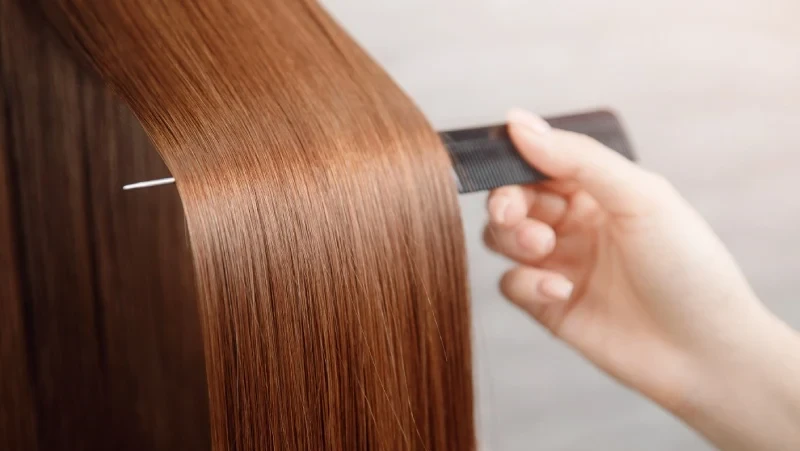
For you as a professional buyer, quality means predictable performance.
The hair should look natural, feel appropriate for the target texture, remain manageable through normal washing and styling, and match the specifications you approved. The attachment also needs to do its job: a weft must hold its stitching, a tape tab must bond evenly, and a keratin tip must be consistent in shape and weight.
That means hair extension quality has five connected parts:
- Fiber quality: Is the product human hair, synthetic fiber, or a blend?
- Cuticle and processing quality: Are the cuticles aligned and reasonably preserved? Has the hair been aggressively lightened or coated?
- Visual specification: Are the shade, texture, length, weight, and fullness correct?
- Construction quality: Is the weft, tape, bond, clip, or ring made cleanly and consistently?
- Batch consistency: Does the bulk order perform like the approved sample?
You can have good hair on a weak weft, or a clean tape tab attached to overprocessed hair. The complete product has to pass.
The Terms That Often Confuse Buyers
Human Hair vs Synthetic Hair
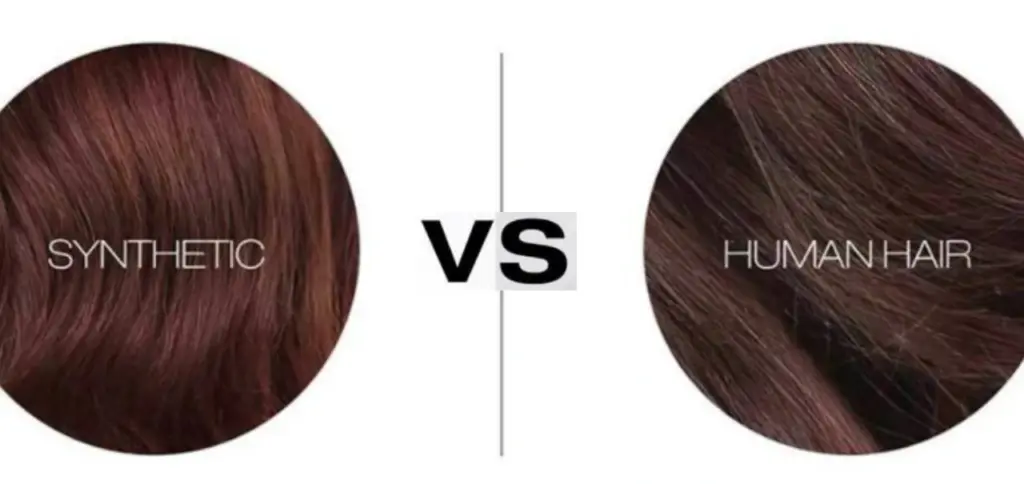
Human hair generally gives you more natural movement and greater styling flexibility. Synthetic fiber can be useful for low-cost, short-term, or pre-styled products, but its heat and color limits depend on the fiber.
Do not treat “100% human hair” as a complete quality claim. It tells you the fiber category, not the cuticle condition, donor mix, processing history, fullness, or attachment strength.
If fiber composition is critical to your brand promise, ask for a written material specification and use an independent laboratory when needed. A casual flame test is not a sensible receiving procedure for your team.
Remy, Full-Cuticle Remy, Virgin, and Non-Remy
Remy hair is collected and handled so the strands remain aligned from root to tip. That alignment reduces friction between cuticles, which helps the hair stay smoother and easier to detangle.
However, Remy hair can still vary. The hair may come from different donors, and it may be colored or lightened to create commercial shades. The label does not tell you how much of the cuticle remains or how carefully the hair was processed.
Full-cuticle Remy describes hair with a more complete cuticle layer retained and aligned. Virgin hair is generally understood as hair that has not been chemically colored or permed, although supplier definitions can differ. Non-Remy hair has mixed direction, removed cuticles, or both, and often relies on processing or coatings to create a smooth first impression.
If you want a closer comparison, read Alpha’s guide to full-cuticle Remy, Remy, and non-Remy hair.
Why 8A, 10A, and 12A Grades Are Not Enough
There is no universal hair extension grading system that makes one supplier’s “10A” equal to another supplier’s “10A.” These labels may refer to fullness, donor selection, processing, price tier, or a combination chosen by the seller.
You can still use grade names inside a long-term supplier relationship, but only after you connect each grade to a written specification. Define the cuticle standard, drawn ratio, acceptable short-hair percentage, weight tolerance, shade tolerance, wash-test result, and construction requirements.
Your specification is the standard. The letter or number is only a shorthand.
10 Signs of High-Quality Hair Extensions
1. The Hair Has Natural Movement and Shine
Quality extension hair should move freely and reflect light like healthy hair. It should not feel stiff, waxy, or unnaturally slippery. An extremely glossy surface can indicate a coating that improves the first touch but hides the condition underneath.
Use the dry feel as a baseline, not a final decision. The more useful question is: does the hair still feel balanced after the first few washes?
2. The Cuticle Direction Is Consistent
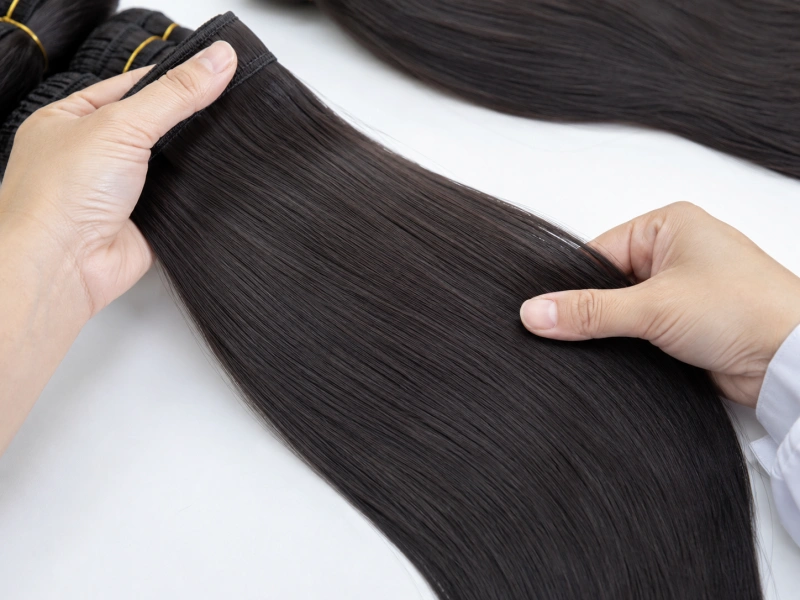
When most strands run in the same root-to-tip direction, the surfaces slide past one another with less resistance. Mixed direction increases friction and makes matting more likely.
Ask your supplier how direction is controlled from collection through sorting, coloring, and final production. For important orders, include cuticle verification in your inspection plan instead of relying only on a sales description.
3. The Ends Match the Promised Fullness
Spread the sample on a light, flat surface and compare the top, middle, and last few inches. Thin ends are not automatically a defect—single-drawn hair naturally contains more length variation—but the product must match what you ordered.
For a double-drawn or “super thick” line, you should see visibly fuller ends and a consistent silhouette. Weighing the piece without checking its shape can mislead you; two bundles can weigh the same but distribute that weight very differently.
4. Length and Weight Are Consistent
Measure hair in its natural state using the method written in your specification. Curly and wavy products should have a defined measuring rule, because stretched and unstretched lengths will differ.
Then weigh each sampled piece on a calibrated scale. Record the result rather than accepting “about 50 grams.” Small tolerances are normal, but repeated underweight packs reduce the value you deliver to your customer.
5. Color Is Even and Repeatable
Check the hair under daylight and consistent indoor lighting. Look for unwanted warmth, green or violet casts, banding, root-to-end variation, and differences between pieces.
Blonde, rooted, balayage, piano, and mixed shades need special attention because small tone changes are easy to notice once several packs are installed together. Compare every new batch with your master swatch or approved color chart, not with a phone photo.
6. Shedding Stays Within Your Agreed Limit
A few loose strands from cutting and handling can be normal. Continuous shedding is not.
Comb or brush the sample with the same tool, number of strokes, and technique each time. Test before washing and again after the hair is washed and dried. For wefts, inspect the seam and cut edges. For pre-bonded hair, look for strands pulling out of the tip.
The goal is not a vague promise of “no shedding.” You need a repeatable test and an agreed pass limit.
7. The Hair Detangles After Washing
Water exposes problems that a finishing product can hide. Wash the sample with a neutral, extension-safe routine, rinse thoroughly, and allow it to dry using a consistent method.
Watch how the hair behaves while wet and after drying. It should detangle without severe matting, rough patches, or a sudden loss of movement. Run more than one wash cycle if you are approving a premium line or a large order.
8. The Texture Returns After Washing
Straight hair should dry with an even, manageable finish. Wavy and curly hair should return to the pattern promised in your specification. Compare curl shape, direction, shrinkage, and consistency across several pieces.
If the texture drops out after one wash, the original appearance may have come mainly from temporary styling. If the pattern becomes uneven across a batch, your customers will struggle to blend or reinstall the hair.
9. The Hair Tolerates Normal Styling
Test the sample only within the supplier’s recommended temperature and care instructions. Use heat protection and record the setting. Look for unusual odor, discoloration, melting, excessive dryness, or breakage.
If your customers are likely to tone the hair, perform a controlled strand test with a qualified colorist. Do not assume pale blonde hair can be bleached again. It has already undergone significant lifting, and another aggressive process may damage even good hair.
10. The Attachment Is Clean and Consistent
The best fiber cannot rescue poor construction. Check the component that connects the extension to the client’s hair.
- Wefts: Look for even stitching, a stable seam, controlled return hair, clean edges, and low shedding after any permitted cutting.
- Tape-ins: Check tab dimensions, adhesive coverage, alignment, edge cleanliness, flexibility, and peel performance after the recommended installation and removal cycle. Alpha’s article on tape-in hair extension manufacturing explains how hair, tabs, adhesive, and inspection work together.
- Keratin or fusion tips: Compare tip size, shape, weight, bond consistency, and response at the specified application temperature.
- I-tips and nano tips: Check loop or tip security, uniform size, surface smoothness, and whether metal or wire components are cleanly finished.
- Clip-ins: Inspect clip placement, sewing, coating, opening tension, and whether the base sits flat.
For a deeper weft-specific process, use this weft extension quality-control checklist.
A Repeatable Sample Test You Can Use Before a Bulk Order
You do not need a complex laboratory to screen every sample. You do need a written routine.
Step 1: Label the Sample
Record the supplier, date, product type, shade, length, stated weight, lot or batch number, and quoted quality tier. Photograph the unopened packaging and the sample under controlled lighting.
Step 2: Inspect It Dry
Check odor, shine, hand feel, movement, end fullness, short hairs, tangles, loose strands, and visible construction defects. Measure length, weight, weft width, or attachment dimensions.
Step 3: Perform a Standard Brush Test
Use the same extension brush and the same number of strokes from ends upward. Collect and count or weigh loose hair if shedding is a critical specification.
Step 4: Wash With a Fixed Method
Use the same water temperature, shampoo quantity, conditioner, soaking time, and rinsing technique for every supplier. Do not add a heavy mask that could hide the result.
Step 5: Dry Consistently
Blot gently and air-dry or blow-dry at a controlled setting, depending on how the product will normally be used. Record drying time and any change in odor, texture, color, or manageability.
Step 6: Recheck Tangling and Shedding
Repeat the brush test. Note matting at the nape area of a test installation, snagging near attachments, split ends, dryness, and the number of loose strands.
Step 7: Test Styling or Toning
Apply the expected styling routine to a small section. If professional toning is part of your service, test a separate strand and document the formula and result.
Step 8: Test the Attachment
Cut a weft only if the product is designed to be cut. Install and remove a tape tab according to the adhesive instructions. Apply and break down a keratin bond using the correct tools. The test should reflect real salon handling.
Step 9: Repeat the Wash Cycle
One wash is useful; several washes tell you more. Set the number of cycles according to the product tier and risk of the order. Judge the trend, not just one moment.
Step 10: Score and Approve
Score each category against the same pass/fail limits. Keep the approved piece, photos, measurements, and test notes as your master sample. When the bulk order arrives, compare randomly selected packs with that standard.
A Practical Hair Extension Quality Scorecard
You can weight the categories to match your market:
| Quality area | Suggested weight | What you check |
|---|---|---|
| Hair fiber and cuticle | 20% | Material claim, direction, surface condition, processing history |
| Wash performance | 20% | Tangling, matting, dryness, texture recovery |
| Construction | 20% | Weft, tape, bond, clip, tip, or ring consistency |
| Fullness and specification | 15% | Length, weight, drawn ratio, end density |
| Shedding and breakage | 10% | Dry and post-wash loss |
| Color and texture consistency | 10% | Shade, tone, pattern, piece-to-piece match |
| Packaging and traceability | 5% | Labels, lot code, count, protection, approved artwork |
Set a minimum total score, but also define critical failures. A tape tab that releases early, severe post-wash matting, mixed fiber in a human-hair line, or a major shade mismatch should fail even if the total score looks acceptable.
How Hair Extension Quality Changes by Product Type
Your testing priorities should follow the way the product is installed and used.
For temporary clip-in hair extensions, you should focus on weft shedding, clip comfort, base visibility, shade blending, and performance after repeated wear and storage.
For tape-ins, adhesive reliability and clean removal matter as much as the hair. A beautiful tab that slips, leaves heavy residue, or varies in size creates salon problems.
For keratin, I-tip, and other strand-by-strand systems, consistent strand weight is important. Uneven tips slow installation and can create uneven tension.
For wefts, seam profile, density, cuttability, return hair, stitching, and total row weight all affect the result. If you are deciding between constructions, compare genius weft, hand-tied weft, and machine weft before you set one common QC standard.
Red Flags That Should Slow Down Your Order
Be careful when you see:
- A supplier who uses only “premium,” “luxury,” or “12A” without a measurable specification.
- A perfect, slippery first touch but no willingness to provide an unwashed sample.
- A sample that performs well but no written commitment to sample-to-bulk consistency.
- Prices that change sharply without a clear change in hair, length, color, weight, or construction.
- No batch number, inspection record, or retained production sample.
- Repeated excuses for shade, weight, or texture variation.
- Product photos instead of close-up videos, measurements, and physical samples.
- A supplier who cannot explain whether production is controlled in-house. These 12 checks for comparing a factory and a trading company can help you verify the business behind the quotation.
One red flag does not always prove poor quality, but several together increase your risk.
Questions to Ask a Hair Extension Manufacturer
Before you approve a sample or place a repeat order, ask:
- What is the exact fiber and cuticle specification?
- How is the hair collected, sorted, and kept in the same direction?
- What coloring or lightening has the hair already received?
- What does your grade name mean in measurable terms?
- What are the tolerances for weight, length, shade, and end fullness?
- What wash, tangle, shedding, and attachment tests do you perform?
- Will you provide batch photos, measurements, or an inspection report before shipment?
- How do you compare bulk production with the approved sample?
- Do you retain a production sample for after-sales investigation?
- What happens if the shipment falls outside the agreed specification?
A reliable supplier should be comfortable turning these answers into a purchase specification. You can review Alpha’s full hair extension quality-control process to see the production stages you may want documented.
How to Protect Quality After the Order Arrives
Quality control does not end when the cartons reach your warehouse.
Inspect the shipment before you distribute it. Sample across different cartons, colors, lengths, and production lots. Confirm pack count, labels, weight, length, shade, texture, and attachments. Repeat a shortened wash and brush test on selected pieces.
Store the hair in a clean, dry area away from direct sun, heat, moisture, and crushing weight. Keep lot numbers connected to customer orders so you can trace complaints. When a problem appears, record the product, shade, length, batch, installation date, care routine, and photos before drawing a conclusion.
Good traceability helps you tell the difference between a production issue, an installation problem, incompatible aftercare, and normal wear.
Final Thoughts
You do not improve hair extension quality by chasing the highest grade name. You improve it by replacing vague promises with a clear specification and a repeatable test.
Start with the hair fiber and cuticle. Check processing, fullness, color, weight, and length. Then test the part your customer depends on—the weft, tape, bond, clip, or tip. Wash the sample more than once, document the result, and make the approved sample your standard for bulk production.
When you buy this way, you reduce surprises, protect your reputation, and make supplier comparisons much easier.
If you are developing a salon line, wholesale assortment, or private-label range, explore Alpha’s human hair extension manufacturing options or request a sample and quality specification before you approve bulk production.
FAQ
What is the best hair extension quality?
The best quality for your business is hair that meets a clear specification and keeps performing after washing, brushing, styling, and normal wear. Full-cuticle Remy human hair is a strong choice for premium lines because aligned, preserved cuticles support smoothness and manageability. You still need to check processing, fullness, color, construction, and batch consistency.
Does Remy always mean high-quality hair extensions?
No. Remy refers mainly to cuticle direction. Remy hair can still be heavily processed, thin at the ends, inconsistently colored, or attached to a weak weft or bond. Treat the Remy claim as one part of your inspection.
Is 10A hair better than 8A hair?
Not necessarily. There is no universal A-grade standard across the hair extension industry. Ask each supplier to define the grade with measurable specifications and test results before you compare prices.
How can you test hair extension quality at home or in a salon?
Start with a dry inspection, weight and length check, and controlled brush test. Then wash, dry, detangle, and restyle the sample using the same method you will use for future comparisons. Also test the attachment according to the product type. Record the results so your decision does not rely on memory.
Why do some extensions feel soft at first and become dry after washing?
Finishing products or surface coatings can create a very smooth first touch. Washing may reveal overprocessing, cuticle damage, mixed direction, or poor fiber quality underneath. That is why you should never approve a large order from an unwashed sample alone.
How many washes should you test before buying in bulk?
There is no single number for every product. One wash can expose obvious problems, while several cycles give you a better view of premium hair and higher-risk orders. Choose a fixed number for each product tier and apply it to every supplier.
What should be included in a bulk hair extension inspection?
Your receiving inspection should cover pack count, labeling, lot numbers, fiber claim, weight, length, fullness, shade, texture, shedding, tangling, construction, and packaging. Sample across cartons and compare the results with your approved master sample and purchase specification.