
Yes, you can sleep with hair extensions when they are professionally installed for continuous wear. Tape-ins, keratin or fusion bonds, micro and nano rings, and installed wefts normally stay in overnight. Standard clip-ins, halos, ponytails, and most other removable pieces should come out before bed.
Whatever method you wear, a good nighttime routine has three goals: keep the hair and attachment area dry, reduce friction, and avoid unnecessary tension. The steps below show you what to do before bed, what changes by extension type, and what to check when you wake up.
Key Takeaways
- Installed extensions are designed to stay in while you sleep; removable extensions are normally taken out.
- Go to bed only when the hair, roots, and attachment points are completely dry.
- Detangle gently, then contain the lengths in a loose braid or low ponytail instead of a tight style.
- A silk or satin pillowcase, scarf, or bonnet can reduce friction, but it does not replace drying and detangling.
- Persistent pulling, sharp discomfort, slippage, or matting close to the attachment points needs a stylist check.
Can You Sleep With Hair Extensions?
The answer depends on how the extensions are attached. If you are still comparing methods, start with Alpha‘s guide to the different types of hair extensions. The simple rule is this: professionally installed extensions stay attached between appointments, while removable pieces are designed to be taken out.
| Extension Type | Sleep in It? | Nighttime Rule | More Detail |
| Tape-in | Yes | Keep tabs and roots dry; secure lengths loosely. | Tape-in care guide |
| Keratin / fusion | Yes | Keep bonds dry and separated; avoid tight pressure. | Keratin sleep guide |
| Hand-tied / installed weft | Yes | Dry the row and nape; use a low-tension style. | Hand-tied sleep guide |
| Micro / nano ring | Yes | Keep roots dry and avoid pulling or catching the beads. | Aftercare guide |
| Clip-in | No | Remove each weft, detangle, and store it dry. | Clip-in sleep guide |
| Halo / ponytail / other removable pieces | Usually no | Remove before full-night sleep unless the product instructions clearly say otherwise. | Extension types |
If your stylist gives you a different first-night instruction for a specific installation, follow that advice. A new set may feel unfamiliar for a short time, but sharp pain, persistent pinching, or a strong pulling sensation is not something you need to ignore. Ask your stylist to check the placement and tension.
Why Nighttime Care Matters?

Most nighttime problems come from three mechanical conditions: friction, tension, and retained moisture. Understanding those three factors makes the routine easier to remember than a long list of product rules.
Friction
Your head moves across the pillow while you sleep. That movement can roughen the lengths, tighten small knots, and encourage matting at the nape. Long installed hair is easier to control when it is gently contained instead of left to move freely all night.
Tension
Attachments are meant to support extension hair in a planned direction. A tight high ponytail, topknot, or rigid braid can pull against tapes, bonds, beads, or rows for hours. The goal is not to lock the hair in place; it is to stop the lengths from wrapping around each other without loading the roots.
Retained Moisture
Hair can feel almost dry at the ends while the root area, underside of a weft, or space around installed attachments is still damp. Damp hair tangles and stretches more easily, and moisture held close to an attachment can make the morning routine harder. Give installed hair enough drying time before you go to bed.
5-Step Nighttime Routine for Installed Hair Extensions
1. Dry the Hair and Attachment Area Completely
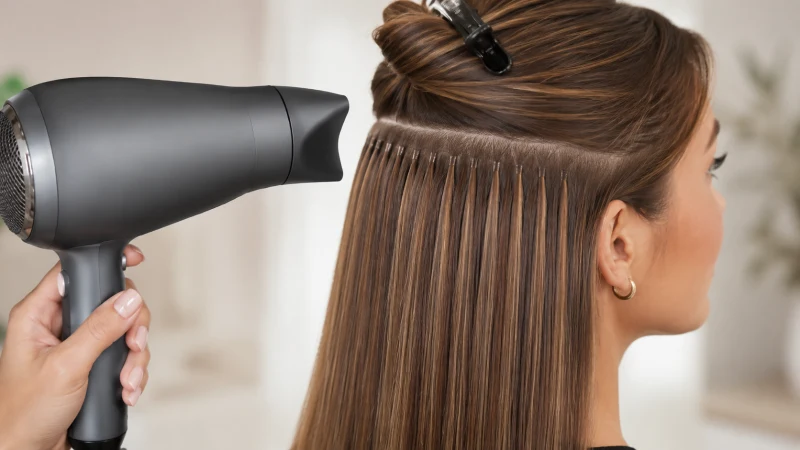
Do not use bedtime as the final stage of air-drying installed extensions. After washing, dry the scalp, natural roots, tape tabs, bond area, bead area, or weft line first. Then check the mid-lengths and ends. If a row still feels cool or clammy, keep drying it with controlled airflow before you lie down.
2. Detangle From the Ends Up
Use an extension-friendly brush or wide-tooth comb that suits your installation. Hold the hair above the section you are working on, start at the ends, and move upward in small sections. Do not drag a brush across attachment points or force it through a knot close to a tape, bond, bead, or stitch. If tangling is a recurring problem, use Alpha’s guide to keeping hair extensions from tangling for the broader causes and daytime routine.
3. Secure the Lengths Without Pulling
For most straight or wavy installed extensions, a loose braid is the easiest option. Very long or dense hair can be divided into two low braids so the weight is balanced. A low ponytail with a soft, snag-free tie also works when you do not want a braid. If you prefer the word plait, the rule is the same: keep the plait loose enough that you do not feel tension at the roots.
4. Reduce Pillow Friction
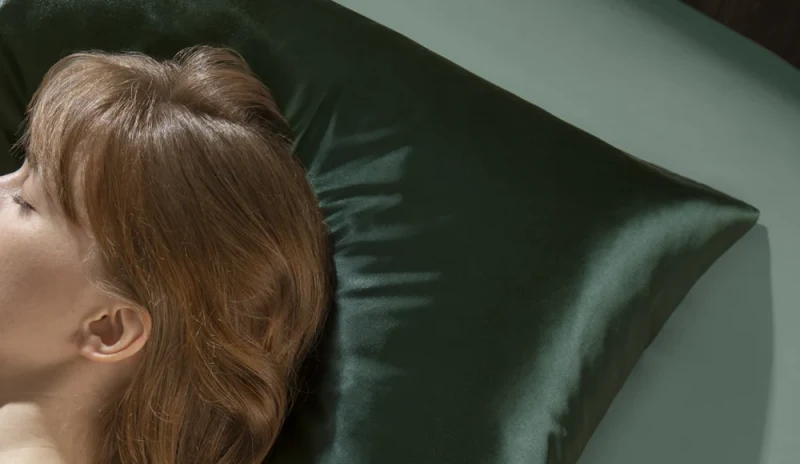
A smooth silk or satin pillowcase can reduce the amount of rubbing the hair experiences overnight. A roomy bonnet, scarf, or sleep cap can add another layer of control, especially for long, curly, or textured extensions. Choose an option that keeps the hair contained without compressing the attachment points.
5. Do a Quick Attachment Check
Before you switch off the light, run your fingers gently around the nape and along the installed rows or bonds. Make sure the hair is not trapped, twisted, or pulling in one direction. If the ends feel dry, you can use a very small amount of lightweight leave-in product on the mid-lengths and ends, but keep heavy oils and rich conditioner away from attachment points unless your stylist or product instructions say otherwise.
How to Sleep With Hair Extensions by Type?
The five-step routine covers the common ground. The differences below are intentionally short because Alpha already has dedicated method guides. Use the link for your method when you need a complete care routine.
Tape-In Extensions
Professionally installed tape-ins stay in while you sleep; they should not be removed every night. Focus on keeping the tabs completely dry, preventing the grown-out panels from twisting, and avoiding oils or rich products near the adhesive. Use a loose braid or low ponytail rather than a high style that pulls the tabs in a new direction for hours. For washing, product placement, slippage, and maintenance details, read how to care for tape-in extensions.
Keratin and Fusion Extensions
Keratin or fusion bonds are also continuous-wear extensions. Before bed, make sure the bonds are dry, gently separate the attachment area if your stylist has shown you how, and secure the lengths without bunching the bonds together. Avoid tight styles or heavy root products. Alpha’s keratin hair extension sleep guide covers bond-specific preparation and nighttime styling in more detail.
Hand-Tied and Other Installed Wefts
With an installed weft, pay extra attention to the nape, the space between rows, and the top edge of the weft. These areas can hide dampness or small tangles even when the visible lengths look fine. Dry the row completely and keep the hair in a low-tension braid or ponytail. For row-specific tips, see sleeping with hand-tied extensions.
Micro and Nano Ring Extensions
Micro-link, micro-ring, and nano-ring systems normally remain installed overnight. Your priority is to avoid catching the beads with a brush, leaving the root area damp, or sleeping in a style that pulls repeatedly on individual strands. Keep the lengths controlled and ask your stylist to inspect unusual slippage, exposed beads, or persistent root tension. Broader washing and maintenance rules belong in Alpha’s hair extension aftercare guide.
Clip-In Extensions
Standard clip-ins are removable, so the simplest and safest nighttime routine is to take them out. Sleeping on the clips adds pressure and friction that you do not need. Open the clips one section at a time, remove the wefts without pulling, detangle them, and store them only when they are fully dry. Read can you sleep with clip-in hair extensions? for the full overnight-wear explanation, or use Alpha’s clip-in storage guide once the pieces are removed.
Halo, Ponytail and Other Removable Pieces
Most halos, ponytail extensions, removable toppers, and similar temporary pieces should come out before a full night of sleep. They do not need to remain attached between salon appointments, and their wires, clips, combs, or bases can sit under repeated pressure while you move. Remove the piece gently, detangle it, and follow its storage instructions instead of trying to turn a daytime accessory into a sleep-in method.
What Not to Do Before Bed?
- Do not sleep with installed extensions wet or damp. Drying the lengths is not enough if the attachment area is still wet.
- Do not use a tight topknot, high ponytail, or rigid braid. A protective style should reduce movement without creating root tension.
- Do not coat attachment points with heavy oil or conditioner. Keep rich products on the mid-lengths and ends unless your method specifically allows otherwise.
- Do not force a brush through a knot near an attachment. Support the hair and work slowly; ask a stylist for help with matting around bonds, tapes, beads, or rows.
- Do not sleep in standard removable extensions out of convenience. Clip-ins, halos, ponytails, and most temporary pieces are faster to remove than they are to repair after a tangled night.
- Do not ignore persistent discomfort. Repeated pinching, pulling, scalp soreness, or sudden slippage deserves a professional check.
What to Check in the Morning
A good nighttime routine should make the morning simple. Undo your braid or ponytail gently and let the hair fall into its natural direction before brushing. Then do a quick check:
- Feel the nape and between rows for small tangles before they tighten.
- Check that tape panels, bonds, beads, and weft rows are sitting as expected.
- Detangle the lengths from the ends upward instead of brushing aggressively from the roots.
- Notice any new pulling, pinching, unusual slippage, or sore areas and contact your stylist if the problem persists.
You do not need a complicated morning treatment if the hair is dry, controlled, and comfortable. Consistent small checks are more useful than waiting until a knot or attachment problem becomes difficult to manage.
FAQ
Can you sleep with tape-in hair extensions?
Yes. Professionally installed tape-ins are designed for continuous wear, including overnight. Keep the tabs and roots dry, brush gently, and use a loose low-tension style. Do not remove installed tape-ins every night. For full aftercare, see how to care for tape-in extensions.
Can you sleep with clip-in hair extensions?
You should normally remove standard clip-ins before bed. They are temporary pieces, and the clips can create pressure, pulling, and tangling while you sleep. The dedicated clip-in sleep guide explains what to do if you accidentally fall asleep in them.
Can you sleep with wet hair extensions?
We recommend no. Installed extensions should be completely dry before bed, especially around tapes, bonds, beads, stitches, and weft rows. If you wash at night, leave enough time to dry the attachment area before you lie down.
Should you braid hair extensions before bed?
A loose braid is a practical choice for many installed extensions because it contains the lengths without needing a tight hold. One braid, two low braids, or a low ponytail can all work. The correct style is the one that controls movement without pulling at your attachment points.
Is silk or satin better for sleeping with extensions?
Both can provide a smoother sleep surface than rougher fabrics. Choose a pillowcase, scarf, or bonnet that feels smooth and does not compress your attachments. Silk or satin helps with friction control, but it cannot compensate for wet hair, tangles, or a tight hairstyle.
Do you have to sleep on your back with hair extensions?
No universal sleep position is required for every extension method. Focus first on dry hair, gentle containment, and low tension. If a fresh installation feels uncomfortable when you lie on a certain area, follow your stylist’s placement-specific advice rather than forcing one sleeping position.
Why do my hair extensions hurt when I sleep?
A new installation can feel unfamiliar, but persistent pain, sharp pinching, headaches, or a strong pulling sensation can indicate too much tension, an attachment sitting awkwardly, or a problem that needs adjustment. Do not solve persistent discomfort by tying the hair tighter. Ask your stylist to check the installation.
Keep Your Nighttime Routine Simple
The best way to sleep with hair extensions is not a complicated product routine. It is a repeatable sequence: dry the attachment area, detangle gently, contain the lengths without tension, reduce friction, and check that everything feels comfortable. Remove temporary pieces instead of treating them like installed extensions.
At Alpha Hair Extension, we have manufactured 100% full-cuticle Remy hair extensions and wigs since 1990. From a manufacturing perspective, nighttime care protects three separate things: the hair fibre, the attachment construction, and the wearer’s natural hair. Good fibre quality helps hair stay manageable, but it does not make wet sleeping, excessive tension, or the wrong routine for an attachment method harmless.
For salons and hair brands, this is also why one generic care card is not enough for every product. Alpha provides OEM/ODM hair extension services for brands, salon chains, and new entrants, with method-specific product development and aftercare support.