
Hair extensions have become a revolutionary beauty solution for anyone seeking longer, fuller, or more voluminous hair instantly. Whether you desire a dramatic transformation or a subtle enhancement, hair extensions offer a versatile way to achieve your dream hairstyle without waiting for natural growth.
From clip-ins to tape-ins, fusion bonds, and sew-ins, there are many types of hair extensions suited to every lifestyle and hair texture. This ultimate guide explores everything you need to know — from choosing the right type to maintaining them — so you can enjoy beautiful, natural-looking results every day.
What are Hair Extensions?
Hair extensions are hairpieces made from either human or synthetic hair that are attached to natural hair to add length, volume, or color. They are available in various types, including clip-in, tape-in, sew-in, and fusion extensions, each offering a different level of permanence and styling flexibility depending on your needs.
These extensions are designed to blend seamlessly with your natural hair, creating a fuller and more polished appearance. They can be styled, curled, or straightened just like your own hair. Whether used for a quick makeover or a long-term enhancement, hair extensions provide a simple way to achieve beautiful, versatile hairstyles instantly.
What are Hair Extensions Made of?
Hair extensions are crafted from different materials to achieve a natural look, durability, and versatility. The two main categories are human hair and synthetic hair, each offering unique benefits and styling options. Understanding what they’re made of helps you choose the best type for your budget, lifestyle, and desired appearance.
Human Hair Extensions
Human hair extensions are made from 100% real human hair, offering the most natural appearance and texture. They can be washed, styled, and colored like your own hair, making them the preferred choice for professional and long-term use.
- Provides a realistic, seamless blend
- Long-lasting and reusable
- Allows heat styling and coloring
Human hair extensions maintain softness and shine for months with proper care. They are ideal for those seeking natural movement and flexibility in styling. Although more expensive, their reusability and superior quality make them a worthwhile investment for lasting beauty.
Synthetic Hair Extensions
Synthetic extensions are made from man-made fibers such as acrylic, nylon, or polyester. They are designed to imitate the look of real hair and come pre-styled in various textures, offering a cost-effective option for quick or temporary transformations.
- Budget-friendly and low maintenance
- Available in diverse colors and styles
- Retains shape without restyling
These extensions hold curls and waves even after washing, making them convenient for occasional use. However, they cannot withstand heat or chemical treatments. Synthetic hair extensions are perfect for short-term wearers or those wanting to experiment with color without long-term commitment.
Remy Hair Extensions
Remy hair extensions are a premium form of human hair where all cuticles remain intact and aligned in the same direction. This prevents tangling and maintains a soft, smooth texture throughout the hair’s lifespan.
- Cuticle-aligned for tangle-free results
- Natural shine and smoothness
- Highly durable and reusable
Remy hair extensions deliver a luxurious, natural finish that blends effortlessly with your own strands. With gentle care, such as sulfate-free products and limited heat exposure, they retain their luster and strength, offering long-term wear and consistent quality over multiple uses.
Hair Extension Types
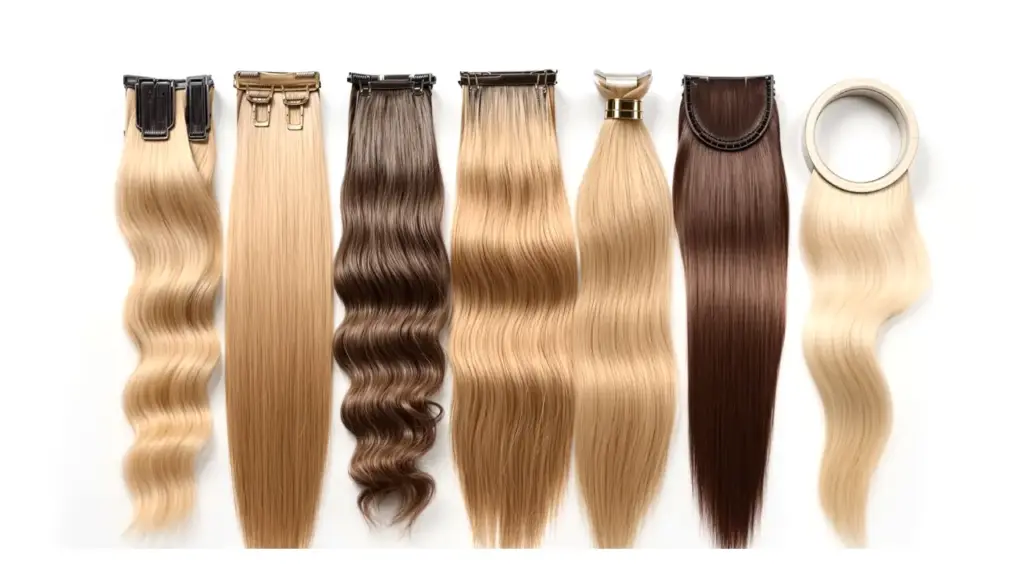
Hair extensions come in a wide range of types to suit various hair textures, lengths, and styling preferences. Each type offers unique benefits in terms of application, durability, and maintenance. Understanding these types helps you select the most suitable one for your desired look and lifestyle.
- Clip-in Hair Extensions: Clip-in hair extensions are temporary and easy to apply, making them ideal for quick transformations. You can attach them using small clips at the base of your hair, offering instant volume and length without professional help. They are reusable multiple times.
- Tape-in Hair Extensions: Tape-in extensions are semi-permanent and involve attaching hair wefts using double-sided adhesive tape. They lie flat against the scalp for a natural appearance and last several weeks. Regular salon visits help maintain their look and longevity.
- Sew-in (Weave) Hair Extensions: Sew-in extensions are installed by braiding natural hair and sewing wefts onto the braids. Ideal for thick or coarse hair textures, they provide long-lasting results and allow versatile styling without causing heat damage to natural hair.
- Fusion (Keratin Bond) Hair Extensions: Fusion extensions use keratin bonds and heat tools to attach strands individually. They blend seamlessly with natural hair, offering a smooth finish. Though installation takes time, they can last up to three months with proper care.
- Micro-Link (Micro-Bead) Hair Extensions: Micro-link extensions involve attaching small hair strands with metal or silicone beads. Heat-free and reusable, they are eco-friendly. The beads are clamped securely to your natural hair, giving a flexible and natural-looking result.
Benefits of Hair Extensions
Hair extensions offer a quick and versatile way to enhance your hair’s length, volume, and style. They allow you to experiment with new looks without permanent changes, providing both convenience and confidence. Extensions can suit special occasions or everyday wear, giving your hair a fuller, more glamorous appearance.
- Instant Length and Volume: Hair extensions instantly add length and thickness to natural hair, transforming thin or short hair into fuller, longer styles. They allow you to experiment with new hairstyles without waiting for natural growth and can enhance your overall look in minutes.
- Versatility in Styling: Extensions provide flexibility to try different hairstyles, colors, and textures. You can curl, straighten, or braid your hair without damaging your natural strands. This versatility makes it easier to change your look frequently while maintaining healthy hair.
- Protective Styling: Many extensions act as a protective style by reducing direct heat or chemical exposure to your natural hair. They shield strands from environmental damage, minimize breakage, and encourage natural hair growth while still looking stylish and polished.
- Confidence Boost: Hair extensions can significantly improve self-esteem by enhancing appearance and helping you achieve your desired look. Fuller, longer, and more voluminous hair can make you feel more attractive and confident in social and professional settings.
- Low Commitment Color Experimentation: Extensions allow you to experiment with highlights, ombre, or bold colors without permanently dyeing your hair. This low-risk option lets you try trendy or dramatic shades safely, maintaining the health and integrity of your natural hair.
Hair Extension Pros and Cons
Hair extensions offer a quick way to enhance hair length, volume, and style. However, they come with both advantages and drawbacks. Understanding the pros and cons helps you choose the right type and maintain healthy hair while enjoying the benefits of extensions.
Pros:
- Instant Length and Volume: Hair extensions provide immediate transformation for thin or short hair, allowing you to achieve fuller, longer styles in minutes. They are ideal for special occasions, photo shoots, or daily wear.
- Styling Flexibility: Extensions allow versatile hairstyles, including curls, waves, and updos, without damaging natural hair. They let you experiment with looks and textures safely, providing creative freedom for personal style.
- Protective Styling: Certain extensions act as protective styles, minimizing heat or chemical damage to natural hair. They reduce breakage, support hair growth, and maintain overall hair health while offering a stylish appearance.
- Confidence Boost: Extensions enhance overall appearance, giving thicker, longer, and more voluminous hair. This boost in aesthetic appeal can increase self-esteem and confidence in both social and professional environments.
- Temporary Color Changes: Extensions allow low-commitment color experimentation, like highlights or ombre, without dyeing natural hair. You can try bold or trendy shades safely while keeping your hair healthy.
Cons:
- Costly Investment: High-quality extensions and professional installation can be expensive. Maintaining them requires additional care products and regular salon visits, which adds to long-term costs.
- Maintenance Required: Extensions demand careful washing, brushing, and styling. Neglecting maintenance may cause tangling, matting, or damage to both extensions and natural hair.
- Potential Hair Damage: Improper application, prolonged wear, or overuse of certain extensions can lead to hair breakage, thinning, or scalp irritation. Correct care and professional guidance are essential.
- Time-Consuming: Installing and removing some extensions, like fusion or sew-in types, can be time-intensive. Regular touch-ups or repositioning are often required to maintain a natural appearance.
- Limited Durability: Extensions have a finite lifespan. Over time, adhesive, bonds, or clips may weaken, requiring replacement or professional maintenance to keep hair looking fresh and natural.
Comparison Chart: Pros vs Cons of Hair Extensions
| Feature | Pros | Cons |
|---|---|---|
| Length & Volume | Instant fullness and length | Can create unnatural tension if not applied correctly |
| Styling Flexibility | Allows curls, braids, updos | May require extra care to prevent tangling |
| Protective Styling | Reduces heat/chemical damage | Some types can cause scalp strain if worn too long |
| Confidence Boost | Enhances self-esteem | Appearance depends on proper maintenance |
| Color Experimentation | Try bold or temporary colors safely | Limited lifespan; needs replacement |
| Cost | Adds value with professional results | Expensive to purchase and maintain |
| Maintenance | Supports healthy styling routines | Time-consuming and requires effort |
How Long Do Hair Extensions Last?
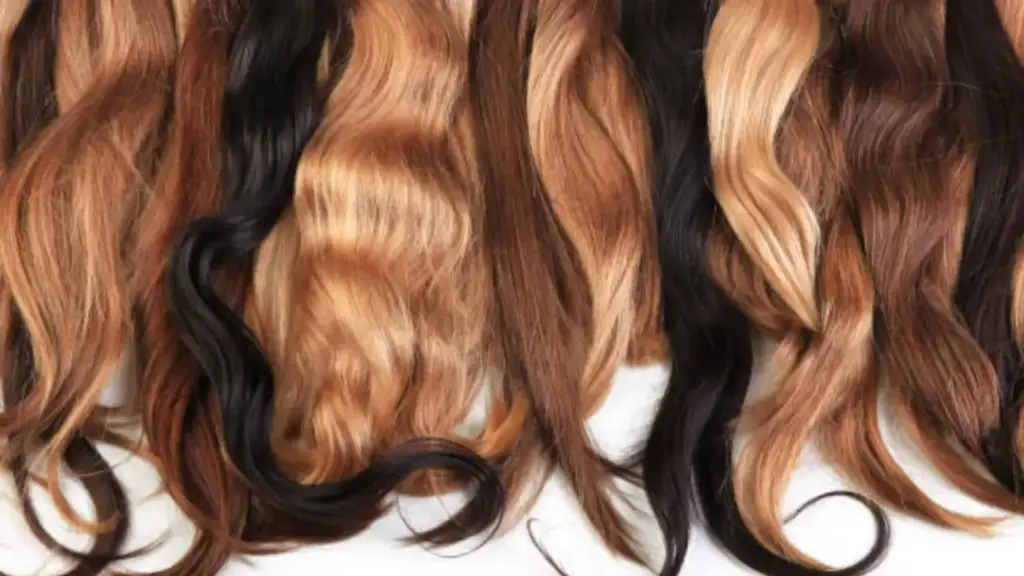
The lifespan of hair extensions depends on their type, quality, and how well they are maintained. Proper care, including gentle washing, avoiding excessive heat, and regular salon upkeep, can extend their longevity. Understanding the expected duration helps you plan for replacement or touch-ups to keep your hair looking flawless.
- Clip-in Hair Extensions: Clip-in extensions typically last 3–6 months with regular use, but the hair itself can last up to a year with proper care. Since they are removable, they experience less wear and tear, making them reusable for multiple occasions.
- Tape-in Hair Extensions: Tape-in extensions usually last 6–8 weeks before needing reapplication. With proper maintenance, including avoiding oil-based products near the tape, they can remain intact and look natural. Frequent repositioning ensures consistent volume and prevents slippage.
- Sew-in (Weave) Hair Extensions: Sew-in extensions can last 6–8 weeks per installation. The natural hair underneath should be cared for to prevent breakage. Regular tightening or reinstallation ensures the style remains neat and the hair stays protected.
- Fusion (Keratin Bond) Hair Extensions: Fusion extensions last around 2–3 months, depending on hair growth and maintenance. Proper care, including avoiding excessive heat and brushing gently, extends their lifespan while preserving the natural hair’s health and preventing premature shedding.
- Micro-Link (Micro-Bead) Hair Extensions: Micro-link extensions generally last 2–3 months before beads need adjusting. Regular maintenance, including gentle combing and avoiding pulling, ensures that the beads stay secure, the hair looks natural, and extensions can be reused multiple times.
How to Install Hair Extensions?
Conclusion
Hair extensions open endless styling possibilities, allowing you to experiment with color, volume, and length effortlessly. Understanding the various types, materials, and methods ensures you pick the best fit for your unique needs while keeping your natural hair healthy and protected.
With proper installation and care, hair extensions can last for months while maintaining their shine and smooth texture. Whether you’re looking for a temporary boost or a long-term transformation, they deliver confidence and beauty in every strand.
Get wholesale hair extensions from our Alphahair and enjoy premium quality, natural appearance, and reliable performance. We supply various styles and textures to meet global demands, helping salons, distributors, and stylists provide the best hair extension solutions to their customers worldwide.