
Sew-in hair extensions give you a simple way to add length, volume, or color to your hair. Many people choose this method for its natural look and lasting results. You might find it interesting that 45.2% of people worldwide prefer sew-in extensions over other types.
Type of Hair Extension | Percentage (%) |
|---|---|
Sew-in | 45.2 |
Braided | 41.5 |
Clip-in | 13.4 |
Over the past decade, sew-in hair extensions have stayed popular, especially in African, Afro-Caribbean, and Latin American communities. Alpha focuses on ethically sourced, high-quality Remy human hair to help you achieve soft, durable styles with confidence.
Key Takeaways
Sew-in hair extensions provide a natural look and can last 6 to 8 weeks with proper care.
Choose high-quality Remy human hair for softness, durability, and seamless blending with your natural hair.
Installation requires clean, dry hair and tight cornrow braids as a foundation for secure attachment.
Sew-in extensions protect your natural hair from damage and allow for versatile styling options.
Regular maintenance, including washing and detangling, is essential to keep sew-ins looking fresh.
Consult with a professional stylist to select the right type of extensions and installation method for your hair type.
Sew-in extensions can be reused multiple times if cared for properly, making them a cost-effective choice.
Be mindful of tension during installation to avoid discomfort and potential hair loss.
What Are Sew-In Hair Extensions?
Definition & History
Sew-in hair extensions give you a way to transform your hair with added length, volume, or color. You might wonder, what are sew-in weft hair extensions? These extensions use wefts of hair that a stylist sews directly onto small, tight braids in your natural hair.
This method creates a secure and natural look that lasts for weeks. People have used sew-in extensions for centuries. Ancient civilizations made hairpieces from natural fibers and animal hair to create elaborate styles. The Victorian era brought a revival, with figures like Queen Victoria making hairpieces popular.
Techniques evolved. Early methods used heavy materials, but modern sew-in weft hair extensions use lighter wefts and distribute tension evenly. Today, sew-in weaves are especially popular for textured and curly hair. You get a comfortable fit and less stress on your natural hair.
How do sew-in hair extensions work?
You start with clean, dry hair. A stylist sections your hair and creates tight cornrow braids close to your scalp. These braids act as the foundation. The stylist then sews the wefts of hair onto the braids using a curved needle and thread. This process keeps the extensions secure and blends them with your natural hair.
You can choose sew-in hair extensions in different textures, colors, and lengths. Alpha offers high-quality extensions made from 100% Remy human hair, so you get a soft, natural feel and seamless blending. The strong, clean wefts make installation easy and help your style last longer.
Evolution of Techniques
Sew-in extensions have changed a lot over the years. Ancient methods used heavy materials that could damage hair. The Victorian era introduced clip-in hairpieces, which made styling easier. Modern sew-in weft hair extensions use lighter, more flexible wefts.
Stylists now focus on distributing tension evenly, which protects your natural hair. You can find sew-in extensions designed for different hair types, including straight, wavy, curly, and kinky textures. Advances in application mean you get a more comfortable experience and better results.
Alpha’s sew-in hair extensions use ethically sourced hair and strict quality control, so you enjoy durability and a natural look.
Tip: If you want a style that lasts and feels comfortable, ask your stylist about modern sew-in weave techniques. These methods protect your hair and give you a flawless finish.
Sew-In vs Other Extensions
You might wonder how sew-in extensions compare to other types. Let’s break it down.
Clip-in Hair Extensions vs Sew-In
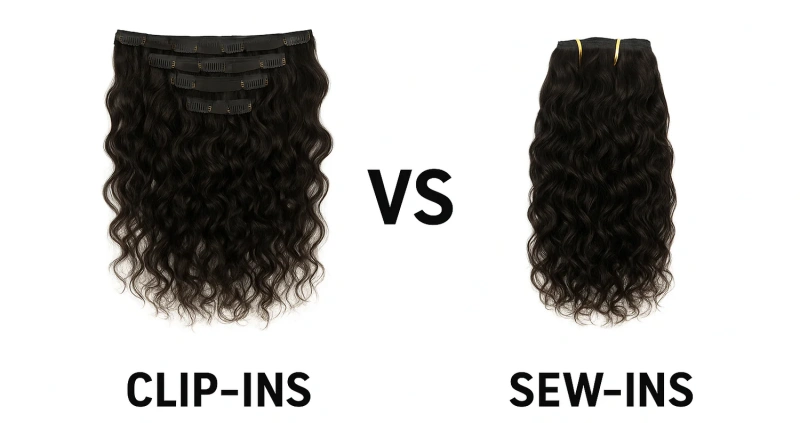
Clip-in extensions offer a quick way to change your look. You attach them with small clips, so you can put them in and take them out whenever you want. Sew-in hair extensions, on the other hand, stay in place for weeks. They give you a secure fit and a natural appearance. Here’s a quick comparison:
Type of Extension | Advantages | Disadvantages |
|---|---|---|
Sew-in | Extremely secure, great for thick, coarse hair, can last 8–10 weeks, no adhesive—safe for sensitive skin. | Installation takes 2–3 hours, not suitable for thin or fragile hair. Braids can feel tight at first, not easy to remove without professional help. |
Clip-in | Temporary and easy to use, safer for everyday styling without commitment. | Can cause damage if not cared for properly, less secure than sew-ins. |
If you want a style that lasts and feels secure, sew-in extensions are a great choice. Clip-ins work well for temporary changes or special occasions.
Tape-in Hair Extensions vs Sew IN
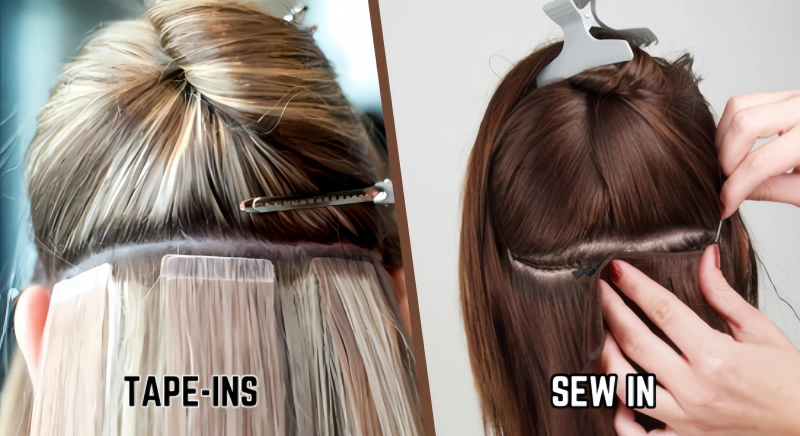
Tape-in extensions use adhesive strips to attach hair wefts to your natural hair. They’re quick to install and comfortable to wear. Sew-in extensions don’t use glue or tape, so they’re safe for sensitive skin. Tape-ins suit thin hair and save time, but they may not hold as well as sew-in extensions. Here’s a comparison:
Feature | Sew-In Extensions | Other Extensions (e.g., Clip-Ins, Tape-Ins) |
|---|---|---|
Application | Securely attached to natural hair | Easier to use but less secure |
Durability | Lasts 6-8 weeks with proper care | Generally shorter lifespan |
Cost | Ranges from $80 to $500+, depending on complexity | Typically lower cost, but varies widely |
If you want durability and a secure fit, sew-in hair extensions stand out. Tape-ins offer comfort and speed, but sew-in extensions give you long-lasting results.
Why Choose Alpha for Sew-In Extensions?
Alpha brings decades of expertise to sew-in hair extensions. You get high-quality extensions made from 100% Remy human hair. The brand uses ethical sourcing and strict quality control, so your extensions look and feel natural. You can pick from a wide range of textures, shades, and lengths.
Alpha’s sew-in weft hair extensions blend seamlessly with your hair and hold up to daily styling. Whether you want straight, wavy, curly, or kinky hair, Alpha has options for you. The strong, clean wefts make installation easy and help your style last longer.
Note: Alpha’s commitment to quality means you get extensions that look beautiful and last. You can trust Alpha for salon-grade results every time.
Different Types of Sew-in Hair Extensions
Hair Types & Textures
Remy Human Hair (Alpha)
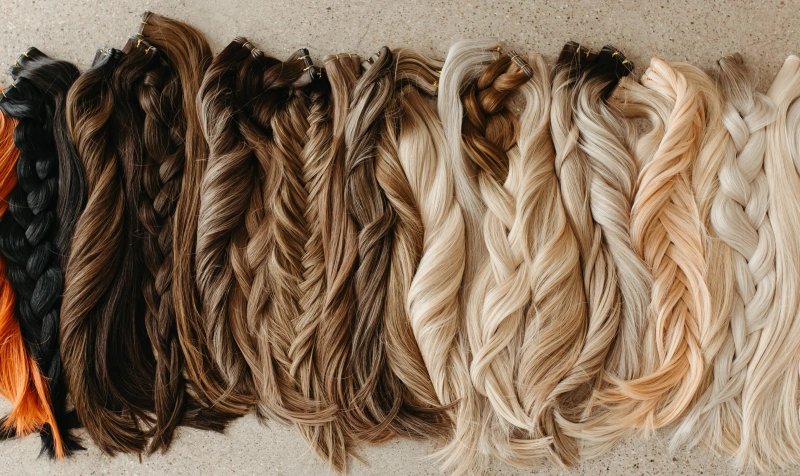
When you look for sew-in hair extensions, you want the best quality. Alpha offers premium remy hair, which means every strand comes from human hair with the cuticle intact. This keeps your extensions soft, shiny, and tangle-free. You get a natural look that blends perfectly with your own hair.
If you want European hair, Alpha’s extensions deliver that silky, smooth finish. You can choose from straight, wavy, curly, or kinky textures. Each texture gives you a different vibe, so you can match your style or try something new.
Here’s a quick guide to the most common textures for sew-in hair extensions:
Hair Type | Description | Final Look Impact |
|---|---|---|
Wavy Hair | Gentle, S-shaped wave pattern, ideal for beachy waves. | Blends well with naturally wavy or relaxed hair. |
Curly Hair | Tighter curls from loose spirals to bouncy ringlets. | Enhances natural curls and adds volume. |
Coily Hair | Tight, spring-like curls, similar to type 4 hair textures. | Provides volume and is great for Afro-inspired styles. |
Kinky Hair | Densely packed curls, replicating natural Afro-textured hair. | Adds length and thickness while keeping authenticity. |
You can pick the texture that matches your natural hair or go for a bold change. Alpha’s premium remy hair extensions come in a wide range of shades, including trending balayage and ombré colors. If you want European hair for a sleek look or kinky hair for extra volume, you’ll find options that suit you.
Synthetic Options
You might see synthetic sew-in hair extensions on the market. These use man-made fibers instead of human hair. Synthetic extensions cost less and come in many colors, but they don’t offer the same softness or durability as premium remy hair.
If you want a natural feel and long-lasting style, human hair extensions are the way to go. Alpha focuses on human hair, so you get extensions that look and feel real.
Weft Types
Hand-Tied Wefts
Hand-tied hair wefts use a special technique. Skilled workers tie human hair onto a thin weft by hand. This creates a lightweight, flexible extension that feels comfortable on your scalp. You’ll notice less bulk and more movement.
Hand-tied wefts spread weight evenly, so you avoid pressure points. If you have a sensitive scalp, you’ll love how gentle these feel.
Hand-tied wefts give you a thinner profile.
They distribute weight evenly, preventing discomfort.
Flexible bead rows let your hair move naturally.
Machine Wefts
Machine wefts use equipment to sew human hair into thicker, heavier strips. These work well for people who want extra volume. You might find machine wefts easier to install, but they can feel heavier than hand-tied options. If you want European hair with lots of body, machine wefts deliver that fullness.
Installation Methods
Traditional Braided
Traditional braided sew-in hair extensions start with cornrow braids. Your stylist sews the hair wefts onto these braids. This method works for many hair types, including European hair and afro-textured hair. You get a secure fit and a natural look.
LA Weave (Micro Rings)
LA Weave uses micro rings instead of braids. Your stylist attaches human hair wefts with tiny beads. This method feels lighter and lets your scalp breathe. If you want premium remy hair with less tension, LA Weave is a great choice.
Partial & Full Sew-Ins
You can choose a partial sew-in if you want to add volume or highlights. Full sew-ins cover your entire head, giving you a complete transformation. Alpha’s premium remy hair extensions work for both styles, so you can customize your look.
Tip: If you want a style that matches your lifestyle, talk to your stylist about the types of sew-in extensions and which installation method fits your hair best.
Suitability for Hair Types
Thin, Fine, or Short Hair
You might wonder if sew-in hair extensions work for thin, fine, or short hair. The answer is yes, but you need to choose the right method and hair type. If your hair is fine or short, your stylist can use smaller, lighter wefts. These put less stress on your natural hair and help you avoid damage.
You get a fuller look without feeling weighed down.
Here’s what makes sew-in hair extensions a good choice for thin or short hair:
You can add instant volume and length, even if your hair is short.
Lighter wefts blend better and feel more comfortable.
Human hair extensions, especially Remy and virgin hair, blend well and last longer than synthetic options.
Virgin hair is durable and less likely to tangle, so you spend less time detangling and more time enjoying your style.
If you want a natural look, ask your stylist to leave out a small section of your own hair at the top. This helps the extensions blend in and look seamless. You can also try partial sew-ins for a boost in volume without a full transformation.
Tip: Always talk to your stylist before getting sew-in hair extensions. They can help you pick the best weft type and installation method for your hair.
Sew-Ins for Black Hair
Sew-in hair extensions have a long history in Black hair care. Many people with textured or curly hair love sew-ins because they protect natural hair and offer endless styling options. If you have thick or coarse hair, you can support heavier wefts. This means you get more volume and a fuller look.
Why do sew-in hair extensions work so well for Black hair?
They protect your natural hair by keeping it braided and tucked away.
You can try different textures, like kinky, curly, or wavy, to match your style.
Virgin and Remy hair extensions blend beautifully with natural textures.
Sew-ins last for weeks, so you don’t have to style your hair every day.
You can choose a full sew-in for a complete change or a partial sew-in to add highlights or volume. Many people love sew-ins for special occasions, but you can wear them every day, too.
Note: If you want a protective style that helps your hair grow, sew-in hair extensions are a great option. Just remember to care for your scalp and keep your braids clean.
No matter your hair type, sew-in hair extensions give you the freedom to change your look and protect your natural hair. You get durability, style, and confidence with every install.
Sew-In Extensions Installation & Removal Process
Preparation Steps
Washing & Sealing Bundles
Before you start the sew-in installation process, you want to make sure your hair and extensions are ready for a flawless finish. Begin by selecting high-quality sew-in hair extensions that match your natural hair’s texture and color. Alpha’s Remy human hair bundles give you that soft, natural look and feel.
You should always wash the hair bundles before installation. Use a gentle shampoo and conditioner to cleanse both your natural hair and the extensions. This step removes any residue and helps maintain the natural texture. Let the bundles air-dry completely.
If you want your sew-in to last longer, consider sealing the wefts. Sealing prevents shedding and keeps your extensions looking full and fresh.
Here’s a quick checklist to guide you:
Choose extensions that blend with your hair.
Wash and condition both your hair and the bundles.
Air-dry the bundles thoroughly.
Seal the wefts to prevent shedding.
Tip: Sealing the wefts is a simple step that can make your sew-in hair extensions last longer and look better.
Braiding Patterns
Braiding forms the foundation for your sew-in. You want neat, tight cornrows or braids that sit flat against your scalp. Use a rat tail comb to create even sections. The neater your braids, the easier it is to attach the wefts securely.
You can choose different braiding patterns depending on your desired style. Straight-back cornrows work well for most sew-in installations. If you want a side part or leave-out, ask your stylist to braid accordingly. For extra protection, some stylists use a thin net over the braids.
This net distributes weight evenly and protects fragile hair.
Here’s what you need for braiding:
Wide-toothed comb for detangling.
Rat tail comb for parting.
Strong thread and a curved needle for sewing.
Note: Clean, flat braids help your sew-in hair extensions blend seamlessly and feel comfortable.
Installation Steps
Sewing Wefts
Now you’re ready for the main part of the sew-in installation process. Your stylist will use a curved needle and strong thread to sew the hair wefts onto the braids. Start at the back and work up toward the crown. Each stitch should be tight enough to hold the weft but not so tight that it pulls on your natural hair.
You want the wefts to lie flat against the braids. This creates a natural look and makes styling easier. Alpha’s sew-in hair extensions feature strong, clean wefts that are easy to sew and maintain their volume over time.
Step-by-step overview:
Section your hair into manageable parts.
Create tight, flat braids as the base.
Sew the wefts onto the braids, starting from the back.
Use small, even stitches for a secure hold.
Tip: If you’re new to sew-in hair extensions, ask your stylist to show you the sewing technique. Watching the process helps you understand how your style comes together.
Tension & Comfort
Tension matters during the sew-in installation process. You want the extensions to feel secure, but you don’t want discomfort or damage. Your stylist should avoid pulling the thread too tightly. Too much tension can lead to headaches or breakage.
Alpha’s sew-in hair extensions are designed for comfort. The wefts distribute weight evenly, so you get a natural feel. If you notice any tightness or pain, let your stylist know right away. Adjusting the tension early prevents problems later.
Here are some signs of proper tension:
Extensions feel snug but not painful.
No bumps or lumps along the braids.
You can move your head freely without discomfort.
Note: Comfort is key. A well-installed sew-in lets you enjoy your new look without worry.
Initial Styling
Cutting & Blending
Once your sew-in is installed, you want it to look as natural as possible. Cutting and blending are the final steps. Your stylist will trim the extensions to match your desired length and shape. They’ll also blend the extensions with your natural hair for a seamless finish.
Use a wide-tooth comb to gently detangle and style your sew-in hair extensions. If you want layers or a specific style, ask your stylist to customize the cut. Alpha’s Remy hair blends beautifully, so you get a polished look every time.
Here’s how to achieve a flawless blend:
Trim the extensions to match your haircut.
Blend the extensions with your natural hair using gentle brushing.
Style as desired for a natural finish.
Tip: Regular trims and gentle styling keep your sew-in looking fresh and natural.
With these steps, you can enjoy sew-in hair extensions that look and feel amazing. Proper preparation, careful installation, and thoughtful styling make all the difference.
Removal Process
At-Home vs Professional
You might wonder if you can take out sew-in hair extensions by yourself or if you should visit a salon. Both options have pros and cons. If you choose the at-home route, you need patience and the right tools. The professional method gives you peace of mind and reduces the risk of damage.
Here’s a safe removal process you can follow at home:
Make sure your hair is clean and detangled before you start.
Find the thread that holds the extensions in place.
Use sharp scissors or a seam ripper to carefully cut the thread. Take your time so you don’t snip your own hair.
Gently untangle the braids with your fingers or a wide-tooth comb.
Wash your hair with a sulfate-free shampoo and a moisturizing conditioner.
Handle your hair gently to avoid breakage.
Detangle slowly and don’t rush.
Finish with a deep conditioner to restore moisture.
If you feel unsure or your extensions are sewn in tightly, a professional stylist can help. They know how to remove the thread without pulling or breaking your hair. You also get expert advice on caring for your scalp and natural hair after removal.
Tip: If you’re new to sew-in extensions, consider booking a salon appointment for your first removal. You’ll learn the right technique and keep your hair healthy.
Aftercare for Natural Hair
Once you finish the removal, your natural hair needs some TLC. The right aftercare for natural hair helps you keep your hair strong and healthy. Start by washing your hair with a gentle, sulfate-free shampoo. Follow up with a rich, moisturizing conditioner. This step removes any leftover product and refreshes your scalp.
You should always detangle your hair slowly. Use a wide-tooth comb and work from the ends up to the roots. If your hair feels dry, apply a deep conditioner or a nourishing hair mask. Let it sit for at least 15 minutes before rinsing. This restores moisture and keeps your hair soft.
Here are a few quick tips for aftercare:
Avoid tight hairstyles for a few days.
Massage your scalp to boost circulation.
Trim any split ends to keep your hair looking fresh.
Use silk or satin accessories at night to prevent breakage.
Note: Good aftercare for natural hair sets you up for your next style. Treat your hair gently and give it time to recover after each removal.
You can enjoy sew-in hair extensions again and again when you follow a careful removal process and take care of your natural hair afterward. Whether you choose at-home or professional removal, always put your hair’s health first.
Sew-in Hair Extensions Pros and Cons
Benefits of Sew-in Hair Extensions
Natural Look & Discreetness
You want your hair to look natural, right? Sew-in hair extensions give you a seamless blend that’s hard to spot. The wefts sit close to your scalp, so your style looks real and feels comfortable.
If you choose Alpha’s Remy human hair, you get softness and shine that match your own hair. You can wear your hair up or down, and no one will know you’re wearing extensions.
Durability & Longevity
Sew-in hair extensions last longer than many other methods. You can enjoy your new look for 6 to 8 weeks before needing a touch-up. Take a look at this quick comparison:
Extension Method | Duration |
|---|---|
Sew-in | 6 to 8 weeks |
Clip-ins | 7 to 12 months |
Tape-ins | 4 to 6 weeks |
Fusion extensions | 3 to 4 months |
If you care for your sew-in, you’ll get weeks of beautiful hair. Alpha’s strong wefts help your style stay fresh and full.
Styling Versatility
You love changing your look. Sew-in hair extensions let you experiment with different styles—straight, curly, wavy, or even bold colors. You can try new hairstyles without risking damage to your natural hair. Here are some advantages you’ll notice:
You can switch up your look for special events.
You get to try trendy colors like balayage or ombré.
You can style your hair with heat tools, just like your own hair.
Protective Style
Sew-in hair extensions do more than just look good. They protect your natural hair from daily wear and tear. Your hair stays tucked away in braids, which helps prevent breakage. Many stylists say this is one of the top benefits of sew-in hair extensions. You get a chance to grow your hair while enjoying a new style.
Tip: If you want to shield your hair from heat and styling stress, sew-in extensions are a smart choice.
Drawbacks
Installation Time
You need to set aside time for a sew-in. The process usually takes about an hour and a half, sometimes longer if you want a full head. You’ll sit in the chair while your stylist braids your hair and sews in the wefts. Some people feel a little discomfort during installation, but it’s worth it for the results.
Maintenance Needs
Sew-in hair extensions require regular upkeep. You need to wash, condition, and detangle your hair to keep it looking fresh. If you skip maintenance, you risk tangling or breakage. Plan to visit your stylist every few weeks for tightening and check-ups.
Cost Factors
Quality sew-in hair extensions and professional installation can be pricey. You pay for premium hair, skilled work, and ongoing care. The investment pays off with long-lasting results and a natural look.
Not for All Hair Types
Sew-in extensions work best for certain hair types. If your hair is very thin or fragile, you may need a different method. Always talk to your stylist to find the best option for your hair.
Are Sew-In Extensions Worth It?
You might wonder if sew-in hair extensions are worth the investment. If you want length, volume, and protection for your natural hair, sew-in extensions offer clear advantages. You get a style that lasts for weeks, blends seamlessly, and lets you experiment with new looks.
The benefits of sew-in hair extensions include durability, versatility, and a natural finish. If you value comfort, longevity, and a flawless appearance, sew-in extensions are a smart choice.
Hair Growth & Hair Loss
You probably want to know if sew-in hair extensions help your hair grow or if they can cause hair loss. This is a common question, and it’s important to get the facts before you decide on your next style.
When you get sew-in hair extensions, your natural hair gets braided into cornrows. The extensions are sewn onto these braids. This method keeps your hair tucked away and protected from daily styling, heat, and weather.
Many people notice that their hair feels healthier after wearing sew-ins for a few months. You give your hair a break from constant brushing and heat tools, which can help it grow stronger.
However, you need to watch out for tension. If your stylist braids your hair too tightly or pulls the thread too hard, you might feel pain or see bumps along your scalp. This is not just uncomfortable—it can lead to a type of hair loss called traction alopecia.
Dermatologists warn that too much pulling over time can damage your hair follicles.
With sew-ins, your natural hair is braided into cornrows, and wefts of extension hair are sewn onto these braids. The main concern with this method is tension—too-tight braids can lead to traction alopecia, a form of hair loss caused by prolonged pulling.
You can avoid these disadvantages by choosing an experienced stylist who understands proper tension. Always speak up if you feel pain during installation. A good stylist will adjust the braids so you stay comfortable and safe.
Alpha’s sew-in hair extensions use strong, clean wefts that make the process easier for your stylist and gentler on your scalp.
Let’s look at some tips to keep your hair healthy while wearing sew-ins:
Ask your stylist to check the tightness of your braids.
Take breaks between sew-in installations to let your scalp rest.
Moisturize your scalp and natural hair under the extensions.
Avoid scratching or pulling at your braids.
Some people worry about the disadvantages of sew-in hair extensions, but most issues come from improper installation or lack of care. If you follow the right steps, you can enjoy the benefits without the common drawbacks. Remember, sew-ins can actually protect your hair and help it grow when done correctly.
If you ever notice thinning or breakage, talk to your stylist right away. Early action can prevent long-term problems. With Alpha’s high-quality, ethically sourced hair, you get extensions that are gentle on your scalp and easy to maintain. You can enjoy a beautiful style and support healthy hair growth at the same time.
Maintenance Tips for Sew-In Hair Extensions
Keeping your sew-in hair extensions looking fresh and beautiful takes a little effort, but you can do it with the right routine. Here are some easy aftercare tips to help you get the most out of your sew-in.
Washing & Drying
Recommended Products
You want your sew-in hair extensions to stay soft and shiny. Choose a sulfate-free shampoo and a gentle, moisturizing conditioner. These products clean your hair without stripping away natural oils. After washing, use a leave-in conditioner or a lightweight oil.
This keeps your extensions smooth and manageable. If you style with heat, always use a heat protectant spray.
Tip: Alpha recommends using salon-grade, sulfate-free products for the best results with your sew-in.
How to Wash & Dry?
Washing your sew-in doesn’t have to be hard. Just follow these steps:
Wet your hair with lukewarm water.
Apply shampoo gently, focusing on your scalp and braids.
Rinse well, then add conditioner to the mid-lengths and ends.
Rinse out the conditioner completely.
Blot your hair with a towel—don’t rub! This helps you avoid matting and keeps your sew-in smooth.
Air-dry your extensions whenever possible. Lay your hair flat on a soft towel in a well-ventilated area. Stay away from direct sunlight.
If you need to use a blow dryer, set it to low heat and spray on heat protectant first. Start drying at the roots and wait until your hair is almost dry before brushing.
Note: Letting your sew-in air dry is the best way to keep it healthy and long-lasting.
Brushing & Detangling
Tools & Techniques
Brushing your sew-in hair extensions the right way helps you avoid tangles and breakage. Here’s what you should do:
Gather your hair at the back to reduce pulling at the sew-in attachment points.
Use a brush with soft plastic bristles. Start at the tips and work your way up to the scalp.
Never brush from the scalp down to the tips. This can cause knots and breakage.
After brushing, run your fingers through your hair to make sure it’s smooth.
Tip: Mulberry silk scrunchies are gentle and help with avoiding damage when you tie your hair back.
Night & Daily Care
Silk Accessories
Nighttime care makes a big difference in the life of your sew-in. Sleep on a silk or satin pillowcase to cut down on friction and prevent tangling. You can also wrap your hair in a silk scarf or wear a satin bonnet. These accessories keep your extensions smooth and help with aftercare.
Protective Styles
Before bed, gently brush your sew-in hair extensions to remove any tangles. Tie your hair in a loose braid or ponytail. This simple step protects your extensions from damage while you sleep. Try to avoid sleeping on exposed extensions. Protective styles and silk accessories work together to keep your sew-in looking its best.
Note: Consistent maintenance and aftercare help your sew-in last longer and look amazing every day.
Styling & Heat Protection
Hairstyles & Updos
You can style your sew-in hair extensions in so many ways. Try a sleek ponytail, messy bun, or elegant updo for special occasions. These extensions hold curls and waves beautifully, so you can switch up your look whenever you want. If you love braids, sew-ins make it easy to create chunky plaits or fishtails.
You might want to experiment with half-up styles or playful space buns. Just remember to use gentle hair ties and avoid pulling too tightly. This helps keep your extensions secure and comfortable.
Tip: When you style your hair, section it carefully and use soft accessories. This keeps your sew-in looking fresh and prevents unnecessary stress on your scalp.
Heat Guidelines
Heat styling tools can help you achieve gorgeous looks, but you need to protect your extensions. Always brush and detangle your hair before using any heat. Spray on a heat protectant to shield your extensions from damage. Choose high-quality tools with adjustable temperature settings.
Use the lowest heat setting that works for your style. Test a small section first to make sure your hair responds well.
Here are some easy steps for safe heat styling:
Make sure your extensions are completely dry before applying heat.
Style in small sections for even heat distribution.
Keep the tool moving to avoid hot spots.
Limit how often you use heat to prevent damage.
Let your hair cool down before touching or brushing.
After styling, use a wide-tooth comb to gently detangle.
Apply a lightweight serum or oil for extra shine.
Avoid heavy oils or alcohol-based products before heat styling. Store your extensions properly when not in use. Regular maintenance with gentle, sulfate-free products keeps your sew-in healthy and vibrant.
Routine Upkeep
Salon Visits
Regular salon visits help you keep your sew-in hair extensions in top shape. Plan to see your stylist every 2–3 weeks for professional maintenance. Your stylist will check the braids, tighten any loose wefts, and make sure your scalp stays healthy.
These appointments also give you a chance to ask questions and get advice on caring for your extensions.
Tightening & Loosening
Your sew-in extensions need tightening as they grow out. Your stylist can resew any loose tracks and adjust the braids for comfort. After 1.5–2 months, it’s time to remove the extensions to let your scalp rest. This routine helps prevent breakage and keeps your natural hair strong.
If you notice any discomfort or slipping, schedule a maintenance visit right away.
Note: Consistent maintenance and timely salon visits keep your sew-in looking flawless and feeling comfortable.
Swimming & Sleeping
Swimming and sleeping with sew-in hair extensions require a little extra care. Before you swim, apply a leave-in conditioner to keep your extensions hydrated. Wash your hair with a clarifying shampoo after swimming to remove chlorine or salt.
Be careful with minerals in pool or ocean water, as they can discolor your extensions. Avoid sunscreens with harsh chemicals that may affect your hair.
At night, loosely braid your hair or tie it in a ponytail to prevent tangles. Sleep on a silk pillowcase or wrap your hair in a silk scarf. This reduces friction and helps maintain the quality of your extensions. Never go to bed with wet hair, as this can cause matting and damage.
Tip: Plait your hair loosely before bed and use silk accessories for smooth, tangle-free extensions.
With these simple steps, you can enjoy beautiful sew-in hair extensions and keep them looking their best. Good maintenance makes all the difference!
Customization & User Experiences
Length, Color, Texture Options
Alpha’s Range & Customization
You want sew-in hair extensions that fit your style perfectly. Alpha gives you plenty of choices. You can pick the length you love, from a subtle boost to dramatic, flowing locks. Many people choose sew-in for instant length, but you can also add thickness or volume.
If you want a bold color or just want to match your natural shade, Alpha’s color matching makes it easy. You’ll find classic colors like black, brown, and blonde, plus trendy shades like balayage and ombré. Texture matters too. You can select straight, wavy, curly, or kinky sew-in hair extensions.
Matching your natural curl pattern helps you get a seamless look.
Here’s what you can customize with sew-in:
Length: Choose from short to extra-long extensions.
Color: Match your natural hair or try something new.
Texture: Pick straight, wavy, curly, or kinky for the best blend.
Volume: Add thickness for a fuller style.
Alpha’s customization options help you create a look that’s truly yours. You can mix and match length, color, and texture for endless possibilities.
Dyeing & Reusing Extensions
Coloring Guidelines
You might want to change your hair color after getting sew-in hair extensions. If you use 100% Remy human hair, like Alpha’s, you can dye your extensions safely. Always use professional-grade dye and do a strand test first. This helps you avoid surprises and keeps your extensions looking fresh.
Dyeing works best with high-quality sew-in, but remember that extensions are not as resilient as your natural hair. Gentle care is key.
Tips for coloring sew-in hair extensions:
Use professional dye for best results.
Test a small section before coloring the whole set.
Avoid harsh chemicals and bleach.
Deep condition after dyeing to keep hair soft.
Reuse & Longevity
You want your sew-in to last as long as possible. With proper care, high-quality sew-in hair extensions can be reused several times. Regular gentle washing with sulfate-free shampoo and conditioner helps maintain softness. Deep condition weekly to keep extensions hydrated.
Avoid too much heat styling and always use a heat protectant. Many users ask, “How long do sew-in weft extensions last?” With good care, you can enjoy them for 6 to 12 weeks per install and reuse them for future styles.
Here’s how to get the most out of your sew-in:
Wash every 7-10 days with gentle products.
Deep condition weekly.
Limit heat styling and use protectant sprays.
Store extensions properly when not in use.
Real User Insights
Installation & Comfort
You might wonder how sew-in hair extensions feel. Many users say sew-in offers a natural look and a comfortable fit. The wefts sit close to your scalp, so you get a seamless blend. If you choose the best sew-in hair extensions, you’ll notice softness and flexibility. You can style your hair up or down without worry.
Maintenance Challenges
Sew-in hair extensions need regular care. Users report that you should wash your hair every 7-10 days with gentle shampoo and conditioner. Plan for professional touch-ups every 4-6 weeks to keep your sew-in secure and looking fresh. Maintenance takes effort, but the results are worth it.
You get a style that lasts and looks amazing.
Tip: Consistent care and professional support help you enjoy sew-in hair extensions with confidence.
Choosing the Right Extensions
Hair Type & Lifestyle
You want your sew-in hair extensions to look and feel amazing, so it’s important to match them to your hair type and daily routine. Start by thinking about your natural hair. Is it fine and delicate, or thick and strong? If your hair is on the thinner side, lighter wefts will blend better and put less stress on your roots.
For thicker hair, you can handle fuller, heavier extensions without worry.
Your lifestyle matters, too. Are you always on the go, hitting the gym, or wearing your hair up for work? Or do you prefer to wear your hair down most days? If you’re active, choose extensions that can handle frequent styling and washing. If you love low-maintenance looks, go for a style that stays put with minimal effort.
Here’s a quick checklist to help you decide:
Consider your hair’s texture, thickness, and porosity for the best blend.
Think about your daily activities—do you need hair that’s easy to manage?
Ask yourself if you’re ready for the upkeep sew-ins require.
Make sure your budget covers both installation and regular maintenance.
Choosing hair quality is also key. High-quality extensions last longer, look more natural, and feel softer. You’ll thank yourself later for investing in the best hair you can afford.
Tip: Talk with a professional stylist before making your final choice. They can help you pick the right type and method for your hair and lifestyle.
Brand & Stylist Selection
Picking the right brand and style makes a huge difference in your sew-in experience. You want extensions that match your hair perfectly and a stylist who knows how to install them safely.
Look for brands like Alpha that offer a wide range of textures, colors, and lengths. Check reviews and ask for recommendations from friends or your salon.
When choosing a stylist, find someone with experience in sew-in installations. A skilled stylist will make sure your braids aren’t too tight and your extensions blend seamlessly. Don’t be afraid to ask questions about their process and see photos of their work.
Note: The right brand and stylist help you avoid common problems and get the most out of your sew-in hair extensions.
Cost Overview
Price Factors & Examples
You might wonder how much sew-in hair extensions cost. Prices can vary a lot, but most people spend between $80 and $500 for the hair and installation. If you want premium hair or a complex style, salon visits can go over $500. The final price depends on:
The quality of the hair you choose
The length and volume you want
The installation method (traditional, LA weave, etc.)
Your stylist’s experience and location
Here’s a simple table to give you an idea:
Service Type | Typical Price Range |
|---|---|
Basic Sew-In | $80 – $200 |
Premium Sew-In | $200 – $500+ |
Maintenance/Touch-Up | $50 – $150 |
Remember, you’ll also need to budget for maintenance appointments every few weeks. Investing in quality extensions and professional installation pays off with a style that lasts and looks natural.
Tip: Ask your stylist for a full price breakdown before you start. That way, you can plan for both the initial cost and ongoing care.
Conclusion
You get so much from sew-in hair extensions. They blend with your hair for a natural look. You can pick your favorite color, length, and texture. These extensions feel gentle on your scalp and last with good care. Here’s what you should remember:
You see instant volume and length.
Your natural hair stays protected.
You enjoy comfort and durability.
You can reuse them for future styles.
Think about your hair type and daily routine before you choose. Ask a professional for help and set realistic goals. You deserve hair that makes you feel confident every day!
FAQ
How long do sew-in hair extensions last?
You can expect sew-in hair extensions to last 6 to 12 weeks with proper care. Regular maintenance and gentle handling help you keep them looking fresh.
Can I wash my hair with sew-in extensions?
Yes, you can wash your hair. Use sulfate-free shampoo and conditioner. Focus on your scalp and extensions. Air dry for best results.
Are sew-in extensions safe for thin hair?
You can wear sew-in extensions with thin hair. Choose lighter wefts and ask your stylist for a gentle braiding pattern. This helps avoid stress on your roots.
Can I style sew-in extensions with heat tools?
You can use heat tools like curling irons or straighteners. Always apply a heat protectant spray first. Keep the temperature low to prevent damage.
How do I remove sew-in hair extensions?
You should use sharp scissors or a seam ripper to cut the thread. Take your time and avoid pulling. If you feel unsure, visit a professional stylist.
Can I swim with sew-in hair extensions?
Yes, you can swim with sew-in extensions. Apply leave-in conditioner before swimming. Rinse and wash your hair after exposure to chlorine or saltwater.
Do sew-in extensions help my hair grow?
Sew-in extensions protect your natural hair by keeping it braided. This can help reduce breakage and support healthy growth if installed and cared for properly.
Can I reuse my sew-in hair extensions?
You can reuse high-quality sew-in hair extensions. Wash and condition them gently after removal. Store them in a cool, dry place until your next install.