
So, how do hand-tied extensions work? A stylist creates a support row with small beads in the natural hair, then sews a thin hand-tied weft to that foundation with extension thread. The beads support the row, the stitches keep the weft in position, and the natural hair above it conceals the attachment.
The system has two layers. The first is the hand-tied weft itself: extension hair secured along a slim, flexible seam. The second is the salon method used to attach that weft. In a common beaded-row method, the row is planned around the client’s density, head shape, coverage, and desired result so the added hair can sit flat and move naturally.
You can trust this method—there’s no glue, heat, or tape needed. Your hair stays healthy, and the extensions blend right in.
Key Takeaways
Hand-tied weft extensions combine a thin, flexible weft with a professionally planned support row.
Silicone-lined beads commonly create the foundation, while extension thread secures the weft to that row.
The row spreads the added weight across multiple support points, but correct weight and controlled tension still matter.
A low-profile seam, careful placement, and enough natural-hair coverage help keep the track discreet.
Move-ups are needed because natural hair grows and the support row gradually moves away from the scalp.
What Are Hand-Tied Wefts?
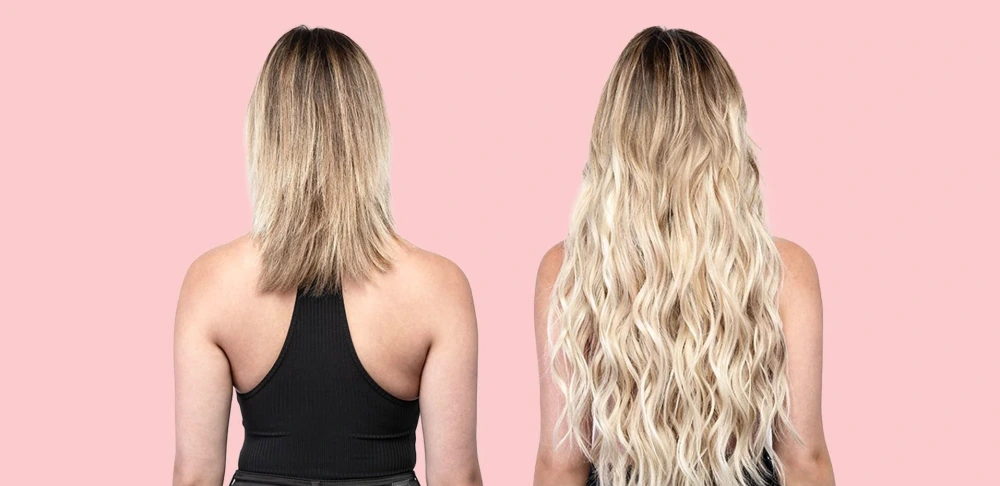
When you want hair extensions that look and feel like your own hair, hand-tied wefts are a low-profile option. Small groups of extension hair are secured by hand along a fine foundation thread, creating a narrow seam that is usually thinner and more flexible than a traditional machine-sewn track.
That flexible construction helps the weft follow the curve of the head and lie close to the scalp. It can support a seamless blend, but the final result still depends on the total weight selected, the natural hair available for coverage, the placement of the row, and the stylist’s installation technique.
Key Features of Alpha Hand-Tied Weft Extension
Alpha’s hand-tied wefts stand out because of their premium materials and expert construction. You get 100% cuticle-intact Remy human hair, which means the hair stays soft, shiny, and tangle-free. The wefts are ultra-thin and lightweight, so you can wear them all day without discomfort.
Here’s a quick look at what goes into these extensions:
Material Type | Description |
|---|---|
Human Hair | Premium quality, sourced from donors, providing a natural look and feel. |
Ultra-thin Profile | Lies flat against the scalp for a seamless blend. |
Soft Volume | Adds natural-looking fullness without bulk. |
Flexibility | Lets you style and part your hair any way you like. |
You’ll love how hand-tied wefts move and blend with your own hair. They’re perfect for anyone who wants a natural look with extra volume and length.
Hand-Tied Weft vs Hand-Tied Method: What Is the Difference?
A hand-tied weft is the extension product. A hand-tied or beaded-row method is the way a stylist attaches a weft to the natural hair. The terms are often used together, but they do not mean the same thing.
Separating them makes the process easier to understand: the weft determines the seam profile and flexibility, while the method determines where the support points sit and how the weft is secured.
How Does the Beaded-Row Mechanism Hold the Weft?
1. Beads Create the Support Foundation
The stylist sections controlled amounts of natural hair and secures them inside small beads to form a row. This row acts as the foundation for the extension hair. The exact bead pattern, spacing, and row shape vary by professional method, so the goal is not to copy one universal diagram. The foundation must suit the client’s density, scalp condition, head shape, and styling habits.
2. Thread Connects the Weft to the Row
Once the foundation is stable, the stylist positions one or more hand-tied wefts along the row and sews them into place with extension thread. The stitches connect the weft to the bead-supported foundation instead of bonding the extension hair directly with glue or heat.
The row should feel secure, but tighter is not automatically better; persistent pulling or pain is a reason to reassess the installation.
3. Multiple Support Points Distribute the Added Weight
A weft adds weight to the natural hair. The beaded row helps spread that load across several attachment points rather than concentrating the entire piece at one small point. Good distribution depends on how much natural hair supports each bead, the number and weight of wefts on the row, the stability of the end anchors, and the condition of the client’s hair.
The system manages weight; it does not make weight or tension disappear.
4. Placement and a Thin Seam Help Hide the Track
The narrow hand-tied seam can sit close to the head, while the stylist leaves enough natural hair above and around the row to cover it. Placement also follows the curve of the head so the hair can fall and move more naturally. For row height, crown coverage, perimeter buffers, and styling visibility, use the dedicated hand-tied extensions placement guide.
5. Natural Hair Growth Creates the Need for a Move-Up
The beads begin close to the scalp, but natural hair continues to grow. As the row moves farther away, it has more room to shift and may become easier to feel or see. The changed position can also alter how the added weight is supported.
A professional move-up repositions or reinstalls the row at the appropriate distance and gives the stylist a chance to check the natural hair, beads, thread, and weft seam.
How to Install Hand-Tied Extensions?
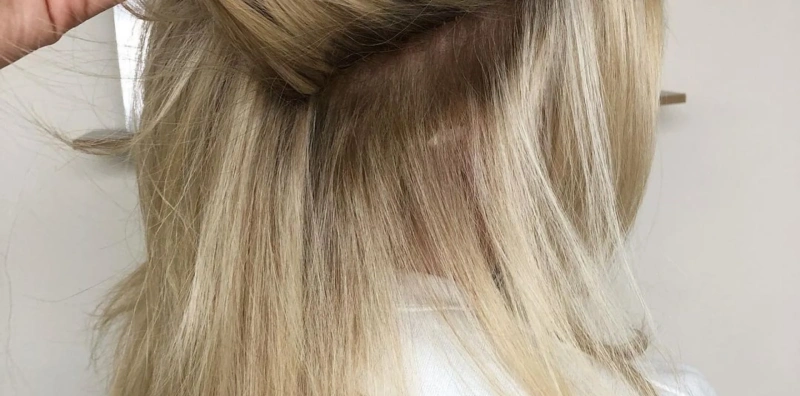
A professional installation usually follows this high-level sequence: assess the natural hair, map the rows, create the beaded foundation, position the wefts, sew them to the row, check the end anchors and tension, then blend the finished hair.
Exact bead direction, anchor design, and stitch pattern can vary by training system. Because suitability and tension cannot be judged from a generic checklist, hand-tied weft installation should be performed by a trained stylist. For tools, sectioning, stitching, safety checks, and the full sequence, read how to install hand-tied extensions.
How Do Hand-Tied Extensions Work for Different Hair Types?
Fine and Thin Hair
Hand-tied wefts have a thin, flexible seam, so they can reduce visible bulk when there is enough natural hair to cover and support the row. However, fine hair is not automatically suitable for every weft weight or row design. A stylist should assess density, active shedding, breakage, scalp condition, and the amount of hair available at each support point. For a fuller suitability discussion, see hand-tied extensions for thin hair.
Medium, Thick, or Textured Hair
Medium or thick hair may provide more coverage, but the weft still has to match the client’s density and desired result. For wavy, curly, or coily hair, texture matching and daily styling habits are just as important as seam thickness. A flat row is only one part of a natural blend; the extension color, texture, length, and finished haircut must work with the natural hair.
Customization and Comfort
A stylist can adjust the number of rows, the amount of hair, the color mix, and the placement to create volume, length, or both. Comfort comes from appropriate weight, clean sections, stable support points, and controlled tension. The row may feel unfamiliar immediately after installation, but sharp pain, persistent pulling, bumps, or ongoing tenderness should not be treated as normal.
Hand-Tied Extension Aftercare and Maintenance
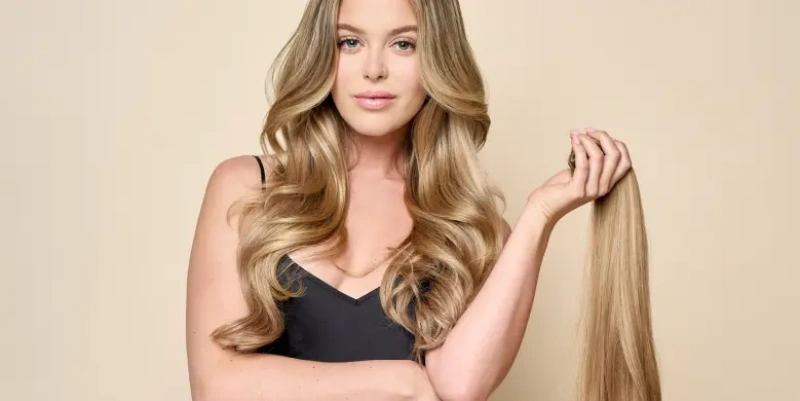
Daily care helps protect both the reusable extension hair and the natural hair supporting each row. Keep the routine gentle and pay special attention to the attachment area.
- Detangle from the ends upward while supporting the row, and avoid aggressive brushing at the roots.
- Clean the scalp and dry the roots and attachment area thoroughly after washing.
- Keep heavy oils and product buildup away from the beads and thread.
- Use heat protection on the extension hair and avoid pulling the rows into tight styles.
- Follow the stylist’s maintenance schedule instead of waiting for the row to feel loose or visible.
Many professionally installed rows are checked or moved up at around 6-8 weeks, but the correct timing depends on hair growth, method, density, tension, and home care. For the complete washing, sleeping, brushing, and product routine, use Alpha’s hand-tied extension care guide.
Conclusion
Hand-tied extensions work because each part of the system has a specific job. The hand-tied weft provides a slim, flexible extension track. The beads create a foundation in the natural hair. The thread secures the weft to that foundation.
Careful weight selection, placement, and coverage help the row sit flat, stay discreet, and move naturally until growth makes a move-up necessary. If you are sourcing wefts for professional use, review Alpha’s Hand-Tied Weft Extension specifications and request samples before planning a salon or private-label program.
FAQ
How long do hand-tied extensions last?
The installed row often needs professional maintenance after about 6-8 weeks as the natural hair grows. The extension hair itself may be reused across multiple appointments while the hair remains in good condition and the hand-tied seam stays stable. Product quality, color processing, heat, washing, brushing, and removal all affect its usable life.
Can I style and color my extensions?
You can curl, straighten, braid, or style quality human-hair wefts, but use heat protection and avoid pulling directly on the rows. Ask a professional to assess coloring first. Extension hair does not process exactly like growing hair, and aggressive lightening can reduce softness and usable life.
Will hand-tied extensions damage my hair?
No extension method can guarantee zero damage. Hand-tied beaded-row methods avoid the glue and heat used by some other systems, but too much weight, poor sectioning, excessive tension, delayed maintenance, aggressive brushing, or incorrect removal can still contribute to breakage or traction.
A suitable client assessment, controlled installation, and timely maintenance reduce those risks.
How many wefts do I need for a full look?
There is no reliable universal number because weft width, grams, density, length, and the client’s starting hair vary. A stylist should plan total weight and coverage rather than relying only on a piece count. The right amount is the lightest plan that achieves the desired result while remaining suitable for the natural hair.